Flurbiprofen (Monograph)
Drug class: Reversible COX-1/COX-2 Inhibitors
Warning
- Cardiovascular Risk
-
Increased risk of serious (sometimes fatal) cardiovascular thrombotic events (e.g., MI, stroke).1 Risk may occur early in treatment and may increase with duration of use.1
-
Contraindicated in the setting of CABG surgery.1
- GI Risk
-
Increased risk of serious (sometimes fatal) GI events (e.g., bleeding, ulceration, perforation of the stomach or intestine).1 Serious GI events can occur at any time and may not be preceded by warning signs and symptoms.1 Geriatric individuals and patients with a history of peptic ulcer disease and/or GI bleeding are at greater risk for serious GI events.1
Introduction
Prototypical NSAIA;1 2 3 6 7 propionic acid derivative.7
Uses for Flurbiprofen
Inflammatory Diseases
Symptomatic treatment of rheumatoid arthritis and osteoarthritis.1 2 3 4 5 6 7 10
Guidelines from the American College of Rheumatology (ACR) for treatment of rheumatoid arthritis recommend initiation of a disease-modifying antirheumatic drug (DMARD) for most patients; role of NSAIAs not discussed.2001
ACR recommends topical/oral NSAIAs for treatment of osteoarthritis, among other interventions.2002 Therapy selection is patient-specific; factors to consider include patients' values and preferences, risk factors for serious adverse GI effects, existing comorbidities (e.g., hypertension, heart failure, other cardiovascular disease, chronic kidney disease), injuries, disease severity, surgical history, and access to and availability of interventions.2002
NSAIAs have also been used in other inflammatory diseases includingankylosing spondylitis† [off-label] , gout† [off-label], and psoriatic arthritis† [off-label].2 6 8 24 25
Flurbiprofen Dosage and Administration
General
Pretreatment Screening
-
Correct volume status in dehydrated or hypovolemic patients before initiating flurbiprofen therapy.1
Patient Monitoring
-
Monitor renal function during flurbiprofen therapy in patients with renal or hepatic impairment, heart failure, dehydration, or hypovolemia.1
-
Monitor BP closely during initiation and throughout NSAIA therapy.1
-
Monitor patients with certain coexisting conditions such as coagulation disorders and those receiving concomitant therapy with anticoagulants, antiplatelet agents, selective serotonin-reuptake inhibitors (SSRIs), and serotonin norepinephrine reuptake inhibitors (SNRIs) for signs of bleeding.1
-
Consider monitoring CBC and chemistry profile periodically during long-term therapy.1
-
Monitor hemoglobin or hematocrit in patients with any signs or symptoms of anemia.1
-
Monitor for GI ulceration and bleeding; even closer GI monitoring is recommended in those receiving concomitant low-dose aspirin for cardiac prophylaxis.1
-
In patients with asthma but without known aspirin sensitivity, monitor for changes in signs and symptoms of asthma.1
-
Monitor for symptoms of cardiovascular thrombotic events, including chest pain, shortness of breath, weakness, or slurred speech.1 If flurbiprofen is used in patients with severe heart failure, monitor patients for signs of worsening heart failure.1
Dispensing and Administration Precautions
-
The 2023 American Geriatrics Society (AGS) Beers Criteria for Potentially Inappropriate Medication (PIM) Use in Older Adults includes flurbiprofen on the list of PIMs that are best avoided by older adults in most circumstances or under specific situations, such as certain diseases, conditions, or care settings.999 The criteria are intended to apply to adults 65 years of age and older in all ambulatory, acute, and institutional settings of care, except hospice and end-of-life care settings.999 For non-COX-2-selective oral NSAIAs such as flurbiprofen, the Beers Criteria Expert Panel specifically recommends that chronic use be avoided unless other alternatives are not effective and the patient can take a gastroprotective agent (proton-pump inhibitor or misoprostol).999 Additionally, short-term scheduled use should be avoided in combination with oral or parenteral corticosteroids, anticoagulants, or antiplatelet agents unless other alternatives are not effective and the patient can take a gastroprotective agent.999
Other General Considerations
-
Use NSAIAs with caution and careful monitoring (e.g., monitor for development of cardiovascular events throughout therapy, even in those without prior cardiovascular symptoms) and at the lowest effective dosage for the shortest duration necessary.1
-
Avoid use of more than one NSAIA at a time.1
-
Avoid use in patients with recent MI unless the benefits of therapy are expected to outweigh the risks of recurrent cardiovascular thrombotic events; if flurbiprofen is used in such patients, the patient should be monitored for cardiac ischemia.1
-
Avoid use in patients with severe heart failure unless benefits of therapy are expected to outweigh risks of worsening heart failure; if used, monitor for worsening heart failure.1
Administration
Oral Administration
Administer orally 2–4 times daily.1 13 14
Administration with food or antacids may alter rate but not extent of absorption.1 13 26
Dosage
Adjust dosage based on individual requirements and response; attempt to titrate to the lowest effective dosage.1
Adults
Inflammatory Diseases
Osteoarthritis or Rheumatoid Arthritis
Oral200–300 mg daily given in 2–4 divided doses.1 3 Maximum 100 mg in a single dose.1 Similar efficacy whether the total daily dosage of flurbiprofen is administered in 2, 3, or 4 divided doses.2 9
Special Populations
Hepatic Impairment
Dosage reduction may be necessary.1 3 15
Renal Impairment
Mild renal impairment: Dosage adjustment not required.1
Moderate or severe renal impairment: Dosage reduction may be necessary.1
Geriatric Patients
Use with caution and at the lowest effective dosage for the shortest possible duration.1
Pharmacogenomic Considerations in Dosing
CYP2C9 poor metabolizers: Clinical Pharmacogenetics Implementation Consortium (CPIC) guidelines recommend initiating flurbiprofen at a dosage that is 25–50% of the lowest recommended initial dosage and cautiously titrating according to clinical effect up to a dosage that is 25–50% of the maximum recommended dosage.520 Do not increase dosage until steady-state concentrations are attained (≥5 days after initial dose).520 Alternatively, consider a drug that is not metabolized by CYP2C9 or is not substantially affected by CYP2C9 genetic variants in vivo.520
CYP2C9 intermediate metabolizers with a diplotype functional activity score (AS) of 1: CPIC guidelines recommend initiating flurbiprofen at the lowest recommended initial dosage and cautiously titrating according to clinical effect up to the maximum recommended dosage.520
Intermediate metabolizers with an AS of 1.5: May receive dosages recommended for normal metabolizers.520
Cautions for Flurbiprofen
Contraindications
-
Known hypersensitivity to flurbiprofen or any ingredient in the formulation.1
-
History of asthma, urticaria, or other sensitivity reactions precipitated by aspirin or other NSAIAs.1
-
In the setting of CABG surgery.1
Warnings/Precautions
Warnings
Cardiovascular Effects
NSAIAs (selective COX-2 inhibitors, prototypical NSAIAs) increase the risk of serious adverse cardiovascular thrombotic events (e.g., MI, stroke) in patients with or without cardiovascular disease or risk factors for cardiovascular disease (see Boxed Warning).1
Relative increase in risk appears to be similar in patients with or without known underlying cardiovascular disease or risk factors for cardiovascular disease, but the absolute incidence of serious NSAIA-associated cardiovascular thrombotic events is higher in those with cardiovascular disease or risk factors for cardiovascular disease because of their elevated baseline risk.506
Increased risk may occur early (within the first weeks) following initiation of therapy and may increase with higher dosages and longer durations of use.505 506
In controlled studies, increased risk of MI and stroke observed in patients receiving a selective COX-2 inhibitor for analgesia in first 10–14 days following CABG surgery.1
In patients receiving NSAIAs following MI, increased risk of reinfarction and death observed beginning in the first week of treatment.505
Increased 1-year mortality rate observed in patients receiving NSAIAs following MI; absolute mortality rate declined somewhat after the first post-MI year, but the increased relative risk of death persisted over at least the next 4 years.511
Use NSAIAs with caution and careful monitoring (e.g., monitor for development of cardiovascular events throughout therapy, even in those without prior cardiovascular symptoms) and at the lowest effective dosage for the shortest duration necessary.1
Avoid use in patients with recent MI unless benefits of therapy are expected to outweigh risks of recurrent cardiovascular thrombotic events; if used, monitor for cardiac ischemia.1 Contraindicated in the setting of CABG surgery.1
Monitor for possible development of cardiovascular thrombotic events throughout therapy.1
No consistent evidence that concomitant use of low-dose aspirin mitigates the increased risk of serious adverse cardiovascular events associated with NSAIAs.1
GI Effects
Serious, sometimes fatal, GI toxicity (e.g., bleeding, ulceration, perforation) can occur with or without warning symptoms.1 15 27
Risk for GI bleeding increased more than 10-fold in patients with a history of peptic ulcer disease and/or GI bleeding who are receiving NSAIAs compared with patients without these risk factors.1
Other risk factors for GI bleeding include concomitant use of oral corticosteroids, anticoagulants, aspirin, or SSRIs; longer duration of NSAIA therapy (however, short-term therapy is not without risk); smoking; alcohol use; older age; poor general health status; and advanced liver disease and/or coagulopathy.1
Most spontaneous reports of fatal adverse GI effects involve geriatric or debilitated patients.1
Frequency of NSAIA-associated upper GI ulcers, gross bleeding, or perforation is approximately 1% in patients receiving NSAIAs for 3–6 months and 2–4% at one year.1
Use lowest effective dosage for the shortest duration necessary.1
Avoid use of more than one NSAIA at a time.1
Avoid use of NSAIAs in patients at higher risk for GI toxicity unless expected benefits outweigh increased risks of bleeding; consider alternate therapies in high-risk patients and those with active GI bleeding.1
Monitor for GI ulceration and bleeding; closer monitoring for GI bleeding recommended in those receiving concomitant low-dose aspirin for cardiac prophylaxis.1
If serious adverse GI event suspected, promptly initiate evaluation and discontinue therapy until serious adverse GI event ruled out.1
Other Warnings and Precautions
Hepatotoxicity
Severe (sometimes fatal) reactions including jaundice, fulminant hepatitis, liver necrosis, and hepatic failure reported rarely with NSAIAs.1
Elevations of serum ALT or AST reported.1
Monitor for symptoms and/or signs suggesting liver dysfunction.1 Discontinue immediately and perform clinical evaluation if signs or symptoms of liver disease or systemic manifestations (e.g., eosinophilia, rash) occur.1
Hypertension
Hypertension and worsening of preexisting hypertension reported; either event may contribute to the increased incidence of cardiovascular events.1 Monitor BP during initiation of flurbiprofen and throughout therapy.1
Heart Failure and Edema
Fluid retention and edema reported.1
NSAIAs (selective COX-2 inhibitors, prototypical NSAIAs) may increase morbidity and mortality in patients with heart failure. 501 504
NSAIAs may diminish cardiovascular effects of diuretics, ACE inhibitors, or angiotensin II receptor antagonists used to treat heart failure or edema.1
Manufacturer recommends avoiding use in patients with severe heart failure unless benefits of therapy are expected to outweigh risks of worsening heart failure; if used, monitor for worsening heart failure.1
Renal Toxicity and Hyperkalemia
Direct renal injury, including renal papillary necrosis, reported in patients receiving long-term NSAIA therapy.1
Potential for overt renal decompensation.1 Increased risk of renal toxicity in patients with renal or hepatic impairment or heart failure, in geriatric patients, in patients with volume depletion, and in those receiving a diuretic, ACE inhibitor, or angiotensin II receptor antagonist.1
Correct dehydration before initiating flurbiprofen therapy; monitor renal function during therapy in patients with renal or hepatic impairment, heart failure, dehydration, or hypovolemia.1
Hyperkalemia reported with NSAIAs, even in some patients without renal impairment; in such patients, effects attributed to a hyporeninemic-hypoaldosteronism state.1
Anaphylactic Reactions
Anaphylactic reactions reported.1 Seek immediate medical intervention and discontinue drug for anaphylaxis.1
Exacerbation of Asthma Related to Aspirin Sensitivity
Monitor for changes in manifestations of asthma; use is contraindicated in patients with aspirin-sensitive asthma.1
Serious Skin Reactions
Serious skin reactions (e.g., exfoliative dermatitis, Stevens-Johnson syndrome, toxic epidermal necrolysis) reported; can occur without warning.1
Discontinue at first appearance of rash or any other sign of hypersensitivity (e.g., blisters, fever, pruritus).1
Drug Reaction with Eosinophilia and Systemic Symptoms
Drug reaction with eosinophilia and systemic symptoms (DRESS), a potentially fatal or life-threatening syndrome, reported in patients receiving NSAIAs.1 Typically presents with fever, rash, lymphadenopathy, and/or facial swelling; other clinical manifestations may include hepatitis, nephritis, hematologic abnormalities, myocarditis, myositis.1 Symptoms may resemble those of acute viral infection.1 Eosinophilia is often present.1
Clinical presentation is variable, and other organ systems may be involved.1
Early manifestations of hypersensitivity (e.g., fever, lymphadenopathy) may be present in the absence of rash.1
If signs or symptoms of DRESS develop, discontinue flurbiprofen and immediately evaluate patient.1
Fetal/Neonatal Morbidity and Mortality
Use of NSAIAs during pregnancy at about ≥30 weeks’ gestation can cause premature closure of the fetal ductus arteriosus; use at about ≥20 weeks’ gestation associated with fetal renal dysfunction resulting in oligohydramnios and, in some cases, neonatal renal impairment.1
Avoid use of NSAIAs in pregnant women at about ≥30 weeks’ gestation; if use required between about 20 and 30 weeks’ gestation, use lowest effective dosage and shortest possible duration of treatment.1
Consider monitoring amniotic fluid volume via ultrasound examination if treatment duration >48 hours; if oligohydramnios occurs, discontinue drug and follow up according to clinical practice.1
Hematologic Toxicity
Anemia reported.1 May be due to occult or gross blood loss, fluid retention, or an incompletely described effect on erythropoiesis.1 Determine hemoglobin concentration or hematocrit if signs or symptoms of anemia occur.1
NSAIAs may increase the risk of bleeding.1 Patients with certain coexisting conditions (e.g., coagulation disorders) or receiving concomitant therapy with anticoagulants, antiplatelet agents, SSRIs, or SNRIs may be at increased risk; monitor such patients for bleeding.1
Masking of Inflammation and Fever
The possibility that the antipyretic and anti-inflammatory effects of flurbiprofen may mask the usual signs and symptoms of infection or other diseases should be considered.1
Laboratory Monitoring
Obtain CBC and chemistry profile periodically during long-term use.1
Ophthalmologic Effects
Visual disturbances (e.g., blurred and/or diminished vision) reported; ophthalmic evaluation recommended if visual changes occur.1
Specific Populations
Pregnancy
Use of NSAIAs during pregnancy at about ≥30 weeks’ gestation can cause premature closure of the fetal ductus arteriosus; use at about ≥20 weeks’ gestation associated with fetal renal dysfunction resulting in oligohydramnios and, in some cases, neonatal renal impairment.1
Avoid use of NSAIAs in pregnant women at about ≥30 weeks’ gestation; if use required between about 20 and 30 weeks’ gestation, use lowest effective dosage and shortest possible duration of treatment; consider monitoring amniotic fluid volume via ultrasound examination if treatment duration >48 hours; if oligohydramnios occurs, discontinue drug and follow up according to clinical practice.1
Fetal renal dysfunction resulting in oligohydramnios and, in some cases, neonatal renal impairment observed, on average, following days to weeks of maternal NSAIA use; infrequently, oligohydramnios observed as early as 48 hours after initiation of NSAIAs.1 Oligohydramnios is often, but not always, reversible (generally within 3–6 days) following NSAIA discontinuance.1 Complications of prolonged oligohydramnios may include limb contracture and delayed lung maturation.1 In limited number of cases, neonatal renal dysfunction (sometimes irreversible) occurred without oligohydramnios.1 Some neonates have required invasive procedures (e.g., exchange transfusion, dialysis).1 Deaths associated with neonatal renal failure also reported.1 Limitations of available data preclude a reliable estimate of the risk of adverse fetal and neonatal outcomes with maternal NSAIA use.1 Available data on neonatal outcomes generally involved preterm infants; extent to which risks can be generalized to full-term infants is uncertain.1
No adequate and well-controlled studies of flurbiprofen in pregnant women.1 Embryofetal lethality, delayed parturition, prolonged labor, stillborn fetuses, and the presence of retained fetuses at necropsy observed in animal studies; no evidence of malformations.1
Effects of flurbiprofen on labor and delivery not known. In studies in rats, NSAIAs delayed parturition and increased stillbirths.1
Lactation
Distributed in small amounts into human milk.1 13 15 Consider developmental and health benefits of breast-feeding along with mother's clinical need for flurbiprofen and any potential adverse effects on the breast-fed infant from the drug or underlying maternal condition.1
Females and Males of Reproductive Potential
NSAIAs may be associated with reversible infertility in some women.1 Reversible delays in ovulation observed in limited studies in women receiving NSAIAs; animal studies indicate that inhibitors of prostaglandin synthesis can disrupt prostaglandin-mediated follicular rupture required for ovulation.1
Consider withdrawal of NSAIAs in women experiencing difficulty conceiving or undergoing evaluation of infertility.1
Pediatric Use
Safety and efficacy not established.1
Geriatric Use
Geriatric patients may experience an increased incidence of adverse GI effects and are at greater risk of developing renal decompensation with NSAIAs.1 Use with caution and at the lowest effective dosage for shortest possible duration.1
Renal Impairment
Use not recommended in patients with severe renal impairment; however, If flurbiprofen must be used, closely monitor renal function.1
Pharmacogenomic Considerations
CYP2C9 poor metabolizers: Flurbiprofen metabolism may be decreased substantially, half-life may be prolonged, and higher plasma concentrations of the drug may increase likelihood and/or severity of adverse effects.520
CYP2C9 intermediate metabolizers: Flurbiprofen metabolism may be moderately or mildly reduced in those with an AS of 1 or 1.5, respectively.520 Higher plasma flurbiprofen concentrations in intermediate metabolizers with an AS of 1 may increase likelihood of adverse effects.520 Presence of other factors affecting flurbiprofen clearance (e.g., hepatic impairment, advanced age) also may increase risk of adverse effects in intermediate metabolizers.520
Dosage reduction may be required based on CYP2C9 phenotype.520
Consult Clinical Pharmacogenetics Implementation Consortium Guideline (CPIC) for CYP2C9 and Nonsteroidal Anti-Inflammatory Drugs for additional information on interpretation of CYP2C9 genotype testing.520
Common Adverse Effects
Most common adverse effects (>3%): abdominal pain, dyspepsia, nausea, diarrhea, constipation, headache, edema, signs and symptoms of urinary tract infection.1
Drug Interactions
Specific Drugs
|
Drug |
Interaction |
Comments |
|---|---|---|
|
ACE inhibitors |
Reduced BP response to ACE inhibitor possible1 |
Monitor BP1 |
|
Angiotensin II receptor antagonists |
Reduced BP response to angiotensin II receptor antagonist possible1 |
Monitor BP1 |
|
Anticoagulants (e.g., warfarin) |
Possible bleeding complications1 Increased risk of major bleeding or supratherapeutic INRs in patients with reduced CYP2C9 function receiving concomitant warfarin (CYP2C9 substrate) and NSAIAs520 |
Caution advised1 Some experts recommend avoiding concomitant use of warfarin and NSAIAs in CYP2C9 intermediate or poor metabolizers520 |
|
Antidiabetic agents |
Slight reduction in blood glucose concentrations (without signs or symptoms of hypoglycemia)1 |
|
|
Aspirin |
Increased risk of GI ulceration or other complications 1 Possible decreased serum flurbiprofen concentrations 1 13 14 No consistent evidence that low-dose aspirin mitigates the increased risk of serious cardiovascular events associated with NSAIAs1 |
Concomitant use not recommended1 |
|
β-Adrenergic blocking agents (e.g., atenolol, propranolol) |
Potential pharmacologic interaction (reduced antihypertensive effect)1 |
Monitor BP1 |
|
Cimetidine |
Small increase in AUC of flurbiprofen, but clinically important pharmacokinetic interaction unlikely1 |
|
|
Cyclosporine |
May increase cyclosporine nephrotoxicity1 |
Monitor for signs of worsening renal function1 |
|
Digoxin |
May increase serum concentrations and prolong half life of digoxin1 |
Monitor serum digoxin levels during concomitant use1 |
|
Diuretics (furosemide and thiazides) |
Reduced natriuretic effects possible1 |
Monitor for diuretic efficacy and renal failure1 |
|
Lithium |
Increased plasma lithium concentrations1 |
Monitor for lithium toxicity1 |
|
Methotrexate |
Possible toxicity associated with increased plasma methotrexate concentrations during concomitant NSAIA use1 12 Pharmacokinetics of methotrexate not altered during concurrent flurbiprofen administration in one study1 |
Caution advised1 |
|
Pemetrexed |
Possible increased risk of pemetrexed-associated myelosuppression, renal toxicity, and GI toxicity1 |
Short half-life NSAIAs (e. g., diclofenac, indomethacin): Avoid administration beginning 2 days before and continuing through 2 days after pemetrexed administration1 Longer half-life NSAIAs (e.g., meloxicam, nabumetone): In the absence of data, avoid administration beginning at least 5 days before and continuing through 2 days after pemetrexed administration1 Patients with Clcr 45–79 mL/minute: Monitor for myelosuppression, renal toxicity, and GI toxicity1 |
Flurbiprofen Pharmacokinetics
Absorption
Bioavailability
Rapidly and almost completely absorbed following oral administration.1 2 3 13 14 Peak plasma concentrations usually attained within 1.5–3 hours.1 2
Food
Food may alter rate but not extent of absorption.1 3 13
Distribution
Extent
Distributed into human milk in very small amounts.1 13 15
Plasma Protein Binding
>99% (principally albumin).1 2 13 14
Elimination
Metabolism
Extensively metabolized.1 2 13 14 CYP2C9 plays an important role in the metabolism of flurbiprofen to its major metabolite, 4′-hydroxyflurbiprofen, which has weak anti-inflammatory activity.1 2 11
Elimination Route
Following oral dosing, approximately 70% of the flurbiprofen dose is eliminated in urine as parent drug and metabolites, with <3% excreted as unchanged drug.1 3
Half-life
Approximately 4.7 and 5.7 hours for R- and S-flurbiprofen, respectively.1
Special Populations
In patients with renal impairment, clearance of metabolites may be decreased.1
Stability
Storage
Oral
Tablets
20–25°C.1
Actions
-
Inhibits cyclooxygenase-1 (COX-1) and COX-2.2
-
Pharmacologic actions similar to those of other prototypical NSAIAs; exhibits anti-inflammatory, analgesic, and antipyretic activity.1 2 3 6 7
Advice to Patients
-
Inform patients to read the medication guide that is provided each time flurbiprofen is dispensed.1
-
Risk of serious cardiovascular events (e.g., MI, stroke).1 Advise patients to be alert for symptoms including chest pain, shortness of breath, weakness, or slurring of speech, and to report any of these symptoms to their clinician.1
-
Risk of GI bleeding and ulceration.1 Advise patients to report symptoms of ulcerations and bleeding, including epigastric pain, dyspepsia, melena, and hematemesis to their clinician.1
-
Risk of anaphylactic reactions.1 Inform patients of the signs of an anaphylactic reaction (e.g., difficulty breathing, swelling of the face or throat) and instruct patients to seek emergency medical care if these occur.1
-
Risk of serious skin reactions, including DRESS.1 Advise patients to stop taking flurbiprofen and contact their clinician as soon as possible if a serious skin reaction develops.1
-
Risk of hepatotoxicity.1 Stress importance of discontinuing therapy and contacting clinician immediately if signs and symptoms of hepatotoxicity (e.g., nausea, fatigue, lethargy, pruritus, jaundice, upper right quadrant tenderness, flu-like symptoms) occur.1
-
Risk of heart failure or edema; stress importance of reporting difficulty breathing, unexplained weight gain, or edema.1
-
Advise patients to inform clinicians if they are or plan to become pregnant or plan to breast-feed.1
-
Stress importance of avoiding NSAIA use beginning at 20 weeks’ gestation unless otherwise advised by a clinician; avoid NSAIAs beginning at 30 weeks’ gestation because of risk of premature closure of the fetal ductus arteriosus; monitoring for oligohydramnios may be necessary if NSAIA therapy required for >48 hours’ duration between about 20 and 30 weeks’ gestation.1
-
Stress importance of informing clinicians of existing or contemplated concomitant therapy, including prescription and OTC drugs.1
-
Inform patients of other important precautionary information.1
Additional Information
The American Society of Health-System Pharmacists, Inc. represents that the information provided in the accompanying monograph was formulated with a reasonable standard of care, and in conformity with professional standards in the field. Readers are advised that decisions regarding use of drugs are complex medical decisions requiring the independent, informed decision of an appropriate health care professional, and that the information contained in the monograph is provided for informational purposes only. The manufacturer’s labeling should be consulted for more detailed information. The American Society of Health-System Pharmacists, Inc. does not endorse or recommend the use of any drug. The information contained in the monograph is not a substitute for medical care.
Preparations
Excipients in commercially available drug preparations may have clinically important effects in some individuals; consult specific product labeling for details.
Please refer to the ASHP Drug Shortages Resource Center for information on shortages of one or more of these preparations.
* available from one or more manufacturer, distributor, and/or repackager by generic (nonproprietary) name
|
Routes |
Dosage Forms |
Strengths |
Brand Names |
Manufacturer |
|---|---|---|---|---|
|
Oral |
Tablets, film-coated |
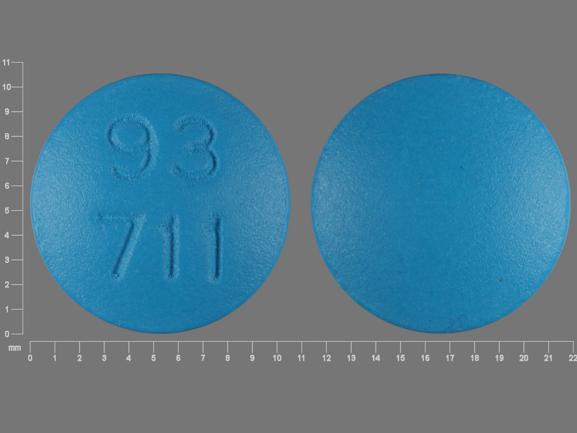
100 mg* |
Flurbiprofen Tablets |
AHFS DI Essentials™. © Copyright 2025, Selected Revisions August 10, 2025. American Society of Health-System Pharmacists, Inc., 4500 East-West Highway, Suite 900, Bethesda, Maryland 20814.
† Off-label: Use is not currently included in the labeling approved by the US Food and Drug Administration.
References
1. Genus Lifesciences. Flurbiprofen tablets prescribing information. Allentown, PA; 2024 Aug.
2. Brogden RN, Heel RC, Speight TM et al. Flurbiprofen: a review of its pharmacological properties and therapeutic use in rheumatic diseases. Drugs. 1979; 18:417-38. (IDIS 106659)
3. Anon. Flurbiprofen. Med Lett Drugs Ther. 1989; 31:31-2.
4. Lomen PL, Lamborn KR, Porter GH et al. Treatment of osteoarthritis of the knee. A comparison of flurbiprofen and aspirin. Am J Med. 1986; 24:(Suppl 3A)97-102.
5. Lomen PL, Turner LF, Lamborn KR et al. Flurbiprofen in the treatment of rheumatoid arthritis. A comparison with aspirin. Am J Med. 1986; 24:(Suppl 3A)89-95.
6. Buchanan WW, Kassam YB. European experience with flurbiprofen. A new analgesic/anti-inflammatory agent. Am J Med. 1986; 24:(Suppl 3A)145-52.
7. Marsh CC, Schuna AA, Sundstrom WR. A review of selected investigational nonsteroidal anti-inflammatory drugs of the 1980s. Pharmacotherapy. 1986; 6:10-25. (IDIS 394812)
8. Lomen PL, Turner LF, Lamborn KR et al. Flurbiprofen in the treatment of ankylosing spondylitis. A comparison with indomethacin. Am J Med. 1986; 24:(Suppl 3A)127-32.
9. Brown BL, Daenzer CL, Hearron MS et al. Comparison of two dosing schedules of flurbiprofen for patients with rheumatoid arthritis. Twice-daily versus four-times-a-day schedules. Am J Med. 1986; 24:(Suppl 3A)19-22.
10. Atkinson MH, Buchanan WW, Fitzgerald AA et al. A comparison of flurbiprofen and naproxen in the treatment of rheumatoid arthritis: a Canadian multi-centre study. Curr Med Res Opin. 1990; 12:76-85.
11. Miners JO, Birkett DJ. Cytochrome P4502C9: an enzyme of major importance in human drug metabolism. Br J Clin Pharmacol. 1998; 45:525-38. (IDIS 409207)
12. Frenia ML, Long KS. Methotrexate and nonsteroidal anti-inflammatory drug interactions. Ann Pharmacother. 1992; 26:234-7. (IDIS 291616)
13. Davies NM. Clinical pharmacokinetics of flurbiprofen and its enantiomers. Clin Pharmacokinet. 1995; 28:100-14.
14. Kaiser DG, Brooks CD, Lomen PL. Pharmacokinetics of flurbiprofen. Am J Med. 1986; 24:(Suppl 3A)10-13.
15. Pharmacia, Kalamazoo, MI: Personal communication.
19. McGettigan P, Henry D. Cardiovascular risk and inhibition of cyclooxygenase: a systematic review of observational studies of selective and nonselective inhibitors of cyclooxygenase 2. JAMA. 2006; 296: 1633-44. https://pubmed.ncbi.nlm.nih.gov/16968831
20. Kearney PM, Baigent C, Godwin J et al. Do selective cyclo-oxygenase-2 inhibitors and traditional non-steroidal anti-inflammatory drugs increase the risk of atherothrombosis? Meta-analysis of randomised trials. BMJ. 2006; 332: 1302-5. https://pubmed.ncbi.nlm.nih.gov/16740558
21. Graham DJ. COX-2 inhibitors, other NSAIDs, and cardiovascular risk: the seduction of common sense. JAMA. 2006; 296:1653-6. https://pubmed.ncbi.nlm.nih.gov/16968830
23. Chou R, Helfand M, Peterson K et al. Comparative effectiveness and safety of analgesics for osteoarthritis. Comparative effectiveness review no. 4. (Prepared by the Oregon evidence-based practice center under contract no. 290-02-0024.) . Rockville, MD: Agency for Healthcare Research and Quality. 2006 Sep. http://www.effectivehealthcare.ahrq.gov/synthesize/reports/final.cfm
24. Lomen PL, Turner LF, Lamborn KR et al. Flurbiprofen in the treatment of ankylosing spondylitis. A comparison with phenylbutazone. Am J Med. 1986; 24:(Suppl 3A)120-6.
25. Busson M. A long-term study of flurbiprofen in rheumatological disorders: III. Other articular conditions. J Int Med Res. 1986; 14:13-8.
26. Caillé G, du Souich P, Vézina M et al. Pharmacokinetic interaction between flurbiprofen and antacids in healthy volunteers. Biopharm Drug Dispos. 1989 Nov-Dec;10(6):607-15. doi: 10.1002/bdd.2510100610. PMID: 2611360.
27. Wolfe MM, Lichtenstein DR, Singh G. Gastrointestinal toxicity of nonsteroidal antiinflammatory drugs. N Engl J Med. 1999 Jun 17;340(24):1888-99. doi: 10.1056/NEJM199906173402407. Erratum in: N Engl J Med 1999 Aug 12;341(7):548. PMID: 10369853.
501. Coxib and traditional NSAID Trialists' (CNT) Collaboration, Bhala N, Emberson J et al. Vascular and upper gastrointestinal effects of non-steroidal anti-inflammatory drugs: meta-analyses of individual participant data from randomised trials. Lancet. 2013; 382:769-79. https://pubmed.ncbi.nlm.nih.gov/23726390
503. Trelle S, Reichenbach S, Wandel S et al. Cardiovascular safety of non-steroidal anti-inflammatory drugs: network meta-analysis. BMJ. 2011; 342:c7086. https://pubmed.ncbi.nlm.nih.gov/21224324
504. Gislason GH, Rasmussen JN, Abildstrom SZ et al. Increased mortality and cardiovascular morbidity associated with use of nonsteroidal anti-inflammatory drugs in chronic heart failure. Arch Intern Med. 2009; 169:141-9. https://pubmed.ncbi.nlm.nih.gov/19171810
505. Schjerning Olsen AM, Fosbøl EL, Lindhardsen J et al. Duration of treatment with nonsteroidal anti-inflammatory drugs and impact on risk of death and recurrent myocardial infarction in patients with prior myocardial infarction: a nationwide cohort study. Circulation. 2011; 123:2226-35. https://pubmed.ncbi.nlm.nih.gov/21555710
506. McGettigan P, Henry D. Cardiovascular risk with non-steroidal anti-inflammatory drugs: systematic review of population-based controlled observational studies. PLoS Med. 2011; 8:e1001098. https://pubmed.ncbi.nlm.nih.gov/21980265
511. Olsen AM, Fosbøl EL, Lindhardsen J et al. Long-term cardiovascular risk of nonsteroidal anti-inflammatory drug use according to time passed after first-time myocardial infarction: a nationwide cohort study. Circulation. 2012; 126:1955-63. https://pubmed.ncbi.nlm.nih.gov/22965337
512. Olsen AM, Fosbøl EL, Lindhardsen J et al. Cause-specific cardiovascular risk associated with nonsteroidal anti-inflammatory drugs among myocardial infarction patients--a nationwide study. PLoS One. 2013; 8:e54309.
516. Bavry AA, Khaliq A, Gong Y et al. Harmful effects of NSAIDs among patients with hypertension and coronary artery disease. Am J Med. 2011; 124:614-20. https://pubmed.ncbi.nlm.nih.gov/21596367
520. Theken KN, Lee CR, Gong L et al. Clinical Pharmacogenetics Implementation Consortium Guideline (CPIC) for CYP2C9 and Nonsteroidal Anti-Inflammatory Drugs. Clin Pharmacol Ther. 2020; 108:191-200. https://pubmed.ncbi.nlm.nih.gov/32189324
999. By the 2023 American Geriatrics Society Beers Criteria Update Expert Panel. American Geriatrics Society 2023 updated AGS Beers Criteria for potentially inappropriate medication use in older adults. J Am Geriatr Soc. 2023 Jul;71(7):2052-2081. doi: 10.1111/jgs.18372. Epub 2023 May 4. PMID: 37139824.
2001. Fraenkel L, Bathon J, England B, et al. 2021 American College of Rheumatology guideline for the treatment of rheumatoid arthritis. Arthritis Care Res. 2021;73(7):924-939.
2002. Kolasinski SL, Neogi T, Hochberg MC et al. 2019 American College of Rheumatology/Arthritis Foundation Guideline for the Management of Osteoarthritis of the Hand, Hip, and Knee. Arthritis Rheumatol. 2020; 72:220-233
2006. FitzGerald JD, Dalbeth N, Mikuls T et al. 2020 American College of Rheumatology Guideline for the Management of Gout. Arthritis Care Res (Hoboken). 2020;72(6):744-760
2007. Ward MM, Deodhar A, Gensler LS et al. 2019 Update of the American College of Rheumatology/Spondylitis Association of America/Spondyloarthritis Research and Treatment Network Recommendations for the Treatment of Ankylosing Spondylitis and Nonradiographic Axial Spondyloarthritis. Arthritis Rheumatol. 2019;71(10):1599-1613.
2008. Singh JA, Guyatt G, Ogdie A et al2018 American College of Rheumatology/National Psoriasis Foundation Guideline for the Treatment of Psoriatic Arthritis. Arthritis Rheumatol. 2019;71(1):5-32.
Related/similar drugs
Frequently asked questions
More about flurbiprofen
- Check interactions
- Compare alternatives
- Pricing & coupons
- Reviews (10)
- Drug images
- Latest FDA alerts (5)
- Side effects
- Dosage information
- During pregnancy
- Drug class: Nonsteroidal anti-inflammatory drugs
- Breastfeeding
- En español