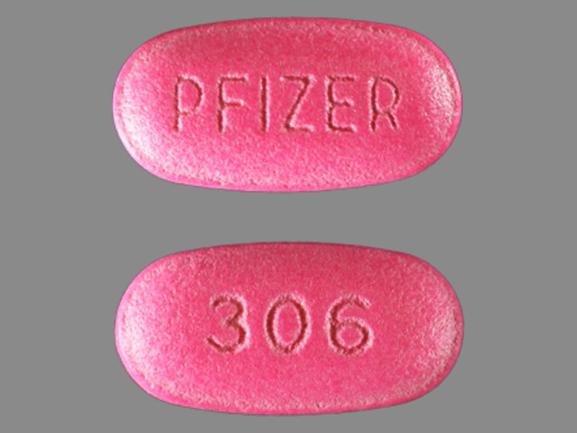
Zithromax
Generic name: azithromycin [ a-ZITH-roe-MYE-sin ]
Other brand names of azithromycin include: Zithromax, Zmax
Drug class: Macrolides
What is Zithromax?
Zithromax is an antibiotic that fights bacteria.
Zithromax is used to treat many different types of infections caused by bacteria, such as respiratory infections, skin infections, ear infections, and sexually transmitted diseases.
To reduce the development of drug-resistant bacteria Zithromax should be used only to treat infections that are proven or strongly suspected to be caused by susceptible bacteria.
Warnings
You should not use Zithromax if you have ever had jaundice or liver problems caused by taking azithromycin.
Before taking this medicine
You should not use Zithromax if you are allergic to azithromycin, or if:
-
you have ever had jaundice or liver problems caused by taking Zithromax; or
-
you are allergic to similar drugs such as clarithromycin, erythromycin, or telithromycin.
To make sure Zithromax is safe for you, tell your doctor if you have ever had:
-
liver disease;
-
kidney disease;
-
myasthenia gravis;
-
a heart rhythm disorder; or
-
low levels of potassium in your blood; or
-
long QT syndrome (in you or a family member).
Zithromax is not expected to harm an unborn baby. Tell your doctor if you are pregnant or plan to become pregnant.
It is not known whether azithromycin passes into breast milk or if it could harm a nursing baby. Tell your doctor if you are breast-feeding a baby.
Do not give Zithromax to a child younger than 6 months old.
How should I take Zithromax?
Take Zithromax exactly as prescribed by your doctor. Follow all directions on your prescription label. Do not take this medicine in larger or smaller amounts or for longer than recommended. The dose and length of treatment may not be the same for every type of infection.
Zithromax can be taken with or without food.
Shake the oral suspension (liquid) well just before you measure a dose. Measure liquid medicine with the dosing syringe provided, or with a special dose-measuring spoon or medicine cup. If you do not have a dose-measuring device, ask your pharmacist for one.
Use this medicine for the full prescribed length of time. Your symptoms may improve before the infection is completely cleared. Skipping doses may also increase your risk of further infection that is resistant to antibiotics. Zithromax will not treat a viral infection such as the flu or a common cold.
Store at room temperature away from moisture and heat. Throw away any unused liquid medicine after 10 days.
What happens if I miss a dose?
Take the missed dose as soon as you remember. Skip the missed dose if it is almost time for your next scheduled dose. Do not take extra medicine to make up the missed dose.
What happens if I overdose?
Seek emergency medical attention or call the Poison Help line at 1-800-222-1222.
What to avoid
Do not take antacids that contain aluminum or magnesium within 2 hours before or after you take Zithromax. This includes Acid Gone, Aldroxicon, Alternagel, Di-Gel, Gaviscon, Gelusil, Genaton, Maalox, Maldroxal, Milk of Magnesia, Mintox, Mylagen, Mylanta, Pepcid Complete, Rolaids, Rulox, and others. These antacids can make Zithromax less effective when taken at the same time.
Antibiotic medicines can cause diarrhea, which may be a sign of a new infection. If you have diarrhea that is watery or bloody, stop taking Zithromax and call your doctor. Do not use anti-diarrhea medicine unless your doctor tells you to.
Avoid exposure to sunlight or tanning beds. Zithromax can make you sunburn more easily. Wear protective clothing and use sunscreen (SPF 30 or higher) when you are outdoors.
Zithromax side effects
Get emergency medical help if you have signs of an allergic reaction to Zithromax: (hives, difficult breathing, swelling in your face or throat) or a severe skin reaction (fever, sore throat, burning in your eyes, skin pain, red or purple skin rash that spreads and causes blistering and peeling).
Seek medical treatment if you have a serious drug reaction that can affect many parts of your body. Symptoms may include: skin rash, fever, swollen glands, flu-like symptoms, muscle aches, severe weakness, unusual bruising, or yellowing of your skin or eyes. This reaction may occur several weeks after you began using Zithromax.
Call your doctor at once if you have:
-
severe stomach pain, diarrhea that is watery or bloody;
-
fast or pounding heartbeats, fluttering in your chest, shortness of breath, and sudden dizziness (like you might pass out); or
-
liver problems - nausea, upper stomach pain, itching, tired feeling, loss of appetite, dark urine, clay-colored stools, jaundice (yellowing of the skin or eyes).
Call your doctor right away if a baby taking Zithromax becomes irritable or vomits while eating or nursing.
Older adults may be more likely to have side effects on heart rhythm, including a life-threatening fast heart rate.
Common Zithromax side effects may include:
-
diarrhea;
-
nausea, vomiting, stomach pain; or
-
headache.
This is not a complete list of side effects and others may occur. Call your doctor for medical advice about side effects. You may report side effects to FDA at 1-800-FDA-1088.
Related/similar drugs
What other drugs will affect Zithromax?
Tell your doctor about all your current medicines and any you start or stop using, especially:
-
nelfinavir; or
-
a blood thinner - warfarin, Coumadin, Jantoven.
This list is not complete. Other drugs may interact with azithromycin, including prescription and over-the-counter medicines, vitamins, and herbal products. Not all possible interactions are listed in this medication guide.
Popular FAQ
Is Zithromax a penicillin?
Zithromax is not a penicillin it is a type of antibiotic called a macrolide. Macrolides kill bacteria by inhibiting protein synthesis and blocking the assembly of the 50S ribosomal subunit, which is a structure in a cell that helps coordinate protein synthesis. Macrolides are unrelated to penicillin and are safe to use in people who are allergic to penicillin. Continue reading
Can I drink alcohol while taking Zithromax?
There are no documented interactions between Zithromax and alcohol so you could drink a small amount of alcohol (one or two glasses) if you wanted to. But drinking larger quantities of alcohol is not recommended generally while you are fighting an infection because it may hinder the body’s ability to fight the infection, lead to dehydration, and interrupt sleep. Drinking large quantities of alcohol while taking Zithromax may also worsen common side effects of Zithromax such as nausea, diarrhea, vomiting, abdominal pain, dyspepsia, flatulence, fatigue, and headache. Continue reading
Is Zithromax available over the counter?
Zithromax is not available over the counter, it is a prescription medicine that must be prescribed by a doctor. Continue reading
More FAQ
- What antibiotics kill Covid-19 (coronavirus)?
- What are the best antibiotics for pneumonia?
- What antibiotics are used to treat chlamydia and gonorrhea?
- How long does Zithromax stay in your system?
- Zithromax Z-Pak - can Tums (antacids) be taken with Z-Pak?
- Can you take antibiotics with Mavyret?
More about Zithromax (azithromycin)
- Check interactions
- Compare alternatives
- Pricing & coupons
- Reviews (129)
- Drug images
- Side effects
- Dosage information
- Patient tips
- During pregnancy
- Generic availability
- Support group
- Drug class: macrolides
- Breastfeeding
Patient resources
Other brands
Professional resources
Other brands
Related treatment guides
Further information
Remember, keep this and all other medicines out of the reach of children, never share your medicines with others, and use Zithromax only for the indication prescribed.
Always consult your healthcare provider to ensure the information displayed on this page applies to your personal circumstances.
Copyright 1996-2025 Cerner Multum, Inc. Version: 17.07.