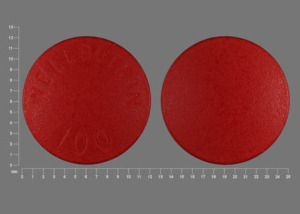
Wellbutrin Side Effects
Generic name: bupropion
Medically reviewed by Drugs.com. Last updated on Sep 24, 2023.
Note: This document provides detailed information about Wellbutrin Side Effects associated with bupropion. Some dosage forms listed on this page may not apply specifically to the brand name Wellbutrin.
Applies to bupropion: oral tablet, oral tablet extended release, oral tablet extended release 12 hr, oral tablet extended release 24 hr.
Important warnings
This medicine can cause some serious health issues
Oral route (tablet, extended release)
Suicidality and Antidepressant Drugs
Antidepressants increased the risk of suicidal thoughts and behavior in children, adolescents, and young adults in short-term trials.
These trials did not show an increase in the risk of suicidal thoughts and behavior with antidepressant use in subjects aged 65 and older.In patients of all ages who are started on antidepressant therapy, monitor closely for worsening, and for emergence of suicidal thoughts and behaviors.
Advise families and caregivers of the need for close observation and communication with the prescriber.
Oral route (tablet; tablet, extended release)
Suicidality and Antidepressant Drugs
Although Zyban® is not indicated for treatment of depression, it contains the same active ingredient as the antidepressant medications Wellbutrin®, Wellbutrin® SR, and Wellbutrin XL®.
Antidepressants increased the risk of suicidal thoughts and behavior in children, adolescents, and young adults in short-term trials.
These trials did not show an increase in the risk of suicidal thoughts and behavior with antidepressant use in subjects over age 24; there was a reduction in risk with antidepressant use in subjects aged 65 and older.
In patients of all ages who are started on antidepressant therapy, monitor closely for worsening, and for emergence of suicidal thoughts and behaviors.
Advise families and caregivers of the need for close observation and communication with the prescriber BuPROPion hydrochloride extended-release tablet is not approved for use in pediatric patients.
Precautions
It is very important that your doctor check your progress at regular visits to make sure this medicine is working properly and to check for unwanted effects.
Do not take bupropion (the active ingredient contained in Wellbutrin) with a monoamine oxidase (MAO) inhibitor (eg, isocarboxazid [Marplan®], linezolid [Zyvox®], phenelzine [Nardil®], selegiline [Eldepryl®], tranylcypromine [Parnate®]). Do not start taking bupropion during the 2 weeks after you stop a MAO inhibitor. Wait for 2 weeks after stopping bupropion before you start taking a MAO inhibitor. If you take them together or do not wait 2 weeks, you may have confusion, agitation, restlessness, stomach or bowel symptoms, a sudden high body temperature, an extremely high blood pressure, or severe convulsions.
Check with your doctor before using this medicine with alcohol or other medicines that affect the central nervous system (CNS). The use of alcohol or other medicines that affect the CNS with bupropion may worsen the side effects of this medicine, such as dizziness, poor concentration, drowsiness, unusual dreams, and trouble with sleeping. Some examples of medicines that affect the CNS are antihistamines or medicine for allergies or colds, sedatives, tranquilizers, or sleeping medicines, medicine for depression, medicine for anxiety, prescription pain medicine or narcotics, medicine for attention deficit and hyperactivity disorder, medicine for seizures or barbiturates, muscle relaxants, or anesthetics, including some dental anesthetics.
Bupropion may cause some people to be agitated, irritable, or display other abnormal behaviors. It may also cause some people to have suicidal thoughts and tendencies, or to become more depressed. Make sure the doctor knows if you have trouble sleeping, get upset easily, have a big increase in energy, or start to act reckless. Also tell your doctor if you have sudden or strong feelings, such as feeling nervous, angry, restless, violent, or scared. If you or your caregiver notice any of these side effects, tell your doctor right away.
Your blood pressure might get too high while you are using this medicine. This may cause headaches, dizziness, or blurred vision. You might need to measure your blood pressure at home. If you think your blood pressure is too high, call your doctor right away.
This medicine may cause a serious type of allergic reaction called anaphylaxis. Anaphylaxis can be life-threatening and requires immediate medical attention. Call your doctor right away if you have a rash, itching, swelling of the face, tongue, or throat, trouble breathing, or chest pain.
Serious skin reactions can occur with this medicine. Check with your doctor right away if you have blistering, peeling, or loosening of the skin, red skin lesions, severe acne or a skin rash, sores or ulcers on the skin, or fever or chills with this medicine.
Drinking alcoholic beverages should be limited or avoided, if possible, with bupropion. This will help prevent seizures.
This medicine may cause some people to have a false sense of wellbeing, or to become drowsy, dizzy, or less alert than they are normally. Make sure you know how you react to this medicine before you drive, use machines, or do anything else that could be dangerous if you are drowsy, dizzy, or less alert.
Do not Stop taking bupropion without checking first with your doctor. Your doctor may want you to gradually reduce the amount you are taking before stopping it completely. This is to decrease the chance of having certain side effects when you stop the medicine, such as agitation, anxiety, dizziness, a feeling of constant movement of self or surroundings, headaches, increased sweating, nausea, trembling or shaking, trouble with sleeping or walking, or unusual tiredness.
Check with your doctor right away if you have pain or tenderness in the upper stomach, pale stools, dark urine, loss of appetite, nausea, unusual tiredness or weakness, or yellow eyes or skin. These could be symptoms of a serious liver problem.
This medicine may cause a change in your appetite or weight. Your doctor may need to check your weight on a regular basis.
Before you have any medical tests, tell the medical doctor in charge that you are taking this medicine. The results of some tests may be affected by this medicine.
Do not take other medicines unless they have been discussed with your doctor. This includes prescription or nonprescription (over-the-counter [OTC]) medicines and herbal or vitamin supplements.
Serious side effects of Wellbutrin
Along with its needed effects, bupropion may cause some unwanted effects. Although not all of these side effects may occur, if they do occur they may need medical attention.
Check with your doctor immediately if any of the following side effects occur while taking bupropion:
More common side effects
- anxiety
- dry mouth
- hyperventilation
- irregular heartbeats
- irritability
- restlessness
- shaking
- trouble sleeping
Less common side effects
- buzzing or ringing in the ears
- headache (severe)
- skin rash, hives, or itching
Rare side effects
- confusion
- fainting
- false beliefs that cannot be changed by facts
- having extreme distrust of people
- seeing, hearing, or feeling things that are not there
- seizures
- trouble concentrating
Incidence not known
- actions that are out of control
- anger
- assaulting or attacking others
- being aggressive or impulsive
- chest pain or discomfort
- fast or pounding heartbeat
- force
- inability to sit still
- need to keep moving
- sweating
- talking, feeling, or acting with excitement
Get emergency help immediately if any of the following symptoms of overdose occur while taking bupropion:
Symptoms of overdose
- lightheadedness, dizziness, or fainting
- loss of consciousness
- slow or irregular heartbeat
- unusual tiredness
Other side effects of Wellbutrin
Some side effects of bupropion may occur that usually do not need medical attention. These side effects may go away during treatment as your body adjusts to the medicine. Also, your health care professional may be able to tell you about ways to prevent or reduce some of these side effects.
Check with your health care professional if any of the following side effects continue or are bothersome or if you have any questions about them:
More common side effects
- constipation
- decrease in appetite
- dizziness
- increased sweating
- stomach pain
- trembling
- unusual weight loss
Less common side effects
- blurred vision
- change in sense of taste
- drowsiness
- frequent need to urinate
- sore throat
- unusual feeling of well-being
For healthcare professionals
Applies to bupropion: oral tablet, oral tablet extended release.
General adverse events
In placebo-controlled clinical studies, the specific adverse events that led to discontinuation in at least 1% of patients treated with either 300 mg or 400 mg per day of Wellbutrin SR (R)included rash, nausea, agitation, and migraine. Additional events leading to discontinuation in the immediate-release formulation included mental state abnormalities, vomiting, seizures, headaches, and sleep disturbances, many of which occurred at doses greater than the recommended daily dose.
Adverse events leading to treatment discontinuation with Zyban (R) included tremors, and rashes. The most commonly observed adverse reactions were dry mouth and insomnia. Smoking cessation is often associated with nicotine withdrawal symptoms, some of which are also recognized as adverse events associated with bupropion (the active ingredient contained in Wellbutrin) [Ref]
Psychiatric
- Very common (10% or more): Insomnia (up to 45%), agitation (up to 31.9%), abnormal dreams (up to 13%)
- Common (1% to 10%): Anxiety, confusion, decreased/increased libido, decreased memory/memory impairment, delusions, depression, disturbed concentration, dysphoria, euphoria, hallucinations, hostility, impaired sleep quality, irritability, mania/hypomania, nervousness, thinking abnormality
- Uncommon (0.1% to 1%): Aggression, bruxism, depersonalization, emotional lability, formal thought disorder, frigidity, mood instability, nightmares, paranoia, paranoid ideation, psychosis, suicidal ideation
- Rare (0.01% to 0.1%): Derealization, impaired attention
- Frequency not reported: Abnormalities in mental status, post-ictal confusion, sleep disturbances
- Postmarketing reports: Completed suicide, delirium, manic reaction, restlessness, suicidal behavior, suicide attempt[Ref]
The Australian Adverse Drug Reaction Advisory Committee reported that 285 of the 780 reports it received in association with bupropion (the active ingredient contained in Wellbutrin) through mid-May 2001 involved psychological disturbances.
Two cases of tactile hallucinations ("bugs crawling over skin") have been reported in association with bupropion extended-release (200 mg twice daily) therapy. In both cases the symptoms abated following a reduction in the total daily dose of bupropion (300 mg daily).
Insomnia may also be dose-dependent. In a dose response clinical study for smoking cessation, 29% of patients receiving bupropion 150 mg/day versus 35% of those receiving 300 mg/day reported insomnia. Insomnia may be minimized by reducing the dosage or avoiding administration at bedtime.[Ref]
Nervous system
- Very common (10% or more): Headache (up to 34%), migraine (up to 25.7%), dizziness (up to 22.3%), tremor (up to 21.1%), sedation (up to 19.8%)
- Common (1% to 10%): Akathisia, ataxia/incoordination, central nervous system stimulation, dyskinesia, dystonia, feeling jittery, myoclonus, paresthesia, seizure, sensory disturbance, somnolence, syncope, taste disturbance, taste perversion
- Uncommon (0.1% to 1%): Abnormal coordination, dysarthria, hypesthesia, hyperkinesia, hypertonia, vertigo
- Rare (0.01% to 0.1%): Abnormal electroencephalogram, amnesia, parkinsonism
- Frequency not reported: Generalized tonic-clonic seizures
- Postmarketing reports: Akinesia, aphasia, coma, extrapyramidal syndrome, hypokinesia, neuropathy, neuralgia, unmasking tardive dyskinesia[Ref]
The Australian Adverse Drug Reaction Advisory Committee reported that 268 of the 780 reports it received in association with bupropion through mid-May 2001 involved nervous system disorders.
Grand mal seizures have been reported in 0.4% of patients undergoing bupropion therapy at dosages up to 450 mg daily. The incidence of seizures increases dramatically at higher dosages. The seizure rate in patients taking sustained-release bupropion up to a dosage of 300 mg/day (e.g. for smoking cessation) has been approximated at 0.1%.
The risk of seizure appears to be dose-related. Other risk factors are related to patient factors e.g., severe head injury, arteriovenous malformation, CNS tumor or CNS infection, or severe stroke, concomitant medications that lower the seizure threshold (e.g., other bupropion products, antipsychotics, tricyclic antidepressants, theophylline, and systemic corticosteroids), metabolic disorders, illicit drug use, abuse or misuse of prescription drugs such as CNS stimulants, diabetes mellitus treated with oral hypoglycemics or insulin, treatment with anorectic drugs, and excessive use of alcohol, benzodiazepines, sedative/hypnotics, or opiates.
Two cases of elderly patients falling backwards have been attributed to the effects of bupropion on the basal ganglia.[Ref]
Metabolic
- Very common (10% or more): Weight loss greater than 2.3 kg (up to 28%), weight gain greater than 2.3 kg (up to 11%)
- Common (1% to 10%): Anorexia, decreased appetite, increased appetite, thirst/thirst disturbance
- Rare (0.01% to 0.1%): Blood glucose disturbances
- Very rare (less than 0.01%): Hyponatremia
- Postmarketing reports: Hyperglycemia, hypoglycemia[Ref]
Gastrointestinal
- Very common (10% or more): Dry mouth (up to 27.6%), constipation (up to 26%), nausea (up to 22.9%), vomiting (up to 22.9%)
- Common (1% to 10%): Abdominal pain, diarrhea, dyspepsia, dysphagia, flatulence, gastrointestinal disturbance, gustatory disturbance, mouth ulcer, stomatitis
- Uncommon (0.1% to 1%): Gastric reflux, gingivitis, gum irritation, increased salivation, inguinal hernia, oral edema, toothache
- Rare (0.01% to 0.1%): Edema of the tongue, intestinal perforation
- Frequency not reported: Esophagitis
- Postmarketing reports: Colitis, gastrointestinal hemorrhage, glossitis, gum hemorrhage, pancreatitis, stomach ulcer, stool abnormality[Ref]
Dermatologic
- Very common (10% or more): Excessive sweating (up to 22.3%)
- Common (1% to 10%): Dry skin, facial edema, pruritus, rash, sweating, urticaria
- Uncommon (0.1% to 1%): Alopecia, ecchymosis, photosensitivity
- Rare (0.01% to 0.1%): Erythema multiforme, exacerbation of psoriasis, Stevens-Johnson syndrome
- Frequency not reported: Skin reactions
- Postmarketing reports: Exfoliative dermatitis, hirsutism, maculopapular rash[Ref]
The Australian Adverse Drug Reaction Advisory Committee reported that 307 of the 780 reports it received in association with bupropion through mid- May 2001 involved skin reactions. Urticaria was the most commonly reported event (167 cases). Other rashes (86 cases) were also reported.[Ref]
Local
- Very common (10% or more): Application site reaction (up to 15%)[Ref]
Ocular
- Very common (10% or more): Blurred vision (up to 14.6%)
- Common (1% to 10%): Diplopia, visual disturbance
- Uncommon (0.1% to 1%): Accommodation abnormality, dry eye, mydriasis
- Postmarketing reports: Angle-closure glaucoma, increased intraocular pressure[Ref]
Respiratory
- Very common (10% or more): Nasopharyngitis (up to 13%), rhinitis (up to 12%), pharyngitis (up to 11%)
- Common (1% to 10%): Bronchitis, cough, dyspnea/shortness of breath, epistaxis, increased cough, sinusitis, upper respiratory tract infection
- Rare (0.01% to 0.1%): Bronchospasm, pulmonary embolism
- Postmarketing reports: Pneumonia[Ref]
Cardiovascular
- Very common (10% or more): Tachycardia (up to 11%)
- Common (1% to 10%): Cardiac arrhythmias, chest pain, edema, flushing, hot flashes, hypertension, hypotension, palpitations
- Uncommon (0.1% to 1%): Electrocardiogram abnormalities, nonspecific ST-T changes, peripheral edema, postural hypotension, premature beats, stroke, vasodilation
- Rare (0.01% to 0.1%): Myocardial infarction
- Postmarketing reports: Cardiovascular disorder, complete atrioventricular block, extrasystoles, orthostatic hypotension, phlebitis, severe hypertension, third degree heart block[Ref]
In clinical practice, hypertension, in some cases severe, requiring acute treatment, has been reported in patients receiving bupropion alone and in combination with nicotine replacement therapy. These events have been observed in both patients with and without evidence of preexisting hypertension.
Some investigators have suggested that bupropion therapy may be 10 to 100 times less likely to induce conduction problems than tricyclic antidepressants.[Ref]
Other
- Common (1% to 10%): Accidental injury, asthenia, auditory disturbance, chills, cutaneous temperature disturbance, fever, nonspecific fever, pain, temperature disturbance, tinnitus
- Uncommon (0.1% to 1%): Inguinal hernia, nonspecific pain
- Rare (0.01% to 0.1%): Malaise, overdose
- Postmarketing reports: Deafness[Ref]
Genitourinary
- Common (1% to 10%): Decrease in sexual function, dysmenorrhea, impotence, menstrual complaints, nocturia, urinary frequency, urinary tract infection, urinary urgency, vaginal hemorrhage
- Uncommon (0.1% to 1%): Painful erection, polyuria, prostate disorder, retarded ejaculation, testicular swelling, vaginal irritation
- Rare (0.01% to 0.1%): Enuresis, urinary incontinence, urinary retention
- Postmarketing reports: Abnormal ejaculation, dyspareunia, dysuria, menopause, prostate disorder, salpingitis, urinary tract disorder, vaginitis[Ref]
One study in which 150 patients received the sustained released form of bupropion (the active ingredient contained in Wellbutrin) reported the incidence of orgasm dysfunction at 8% in patients receiving a 300 mg daily dose and 10% in patients receiving a 400 mg daily dose.
Among antidepressants, bupropion may be associated with the lowest incidence of sexual dysfunction (i.e., impotence, abnormal ejaculation, changes in libido).[Ref]
Musculoskeletal
- Common (1% to 10%): Arthralgia, arthritis, myalgia, neck pain, pain in extremity, twitch/twitching
- Uncommon (0.1% to 1%): Leg cramps
- Postmarketing reports: Muscle rigidity, muscle weakness, musculoskeletal chest pain, rhabdomyolysis[Ref]
Hypersensitivity
- Common (1% to 10%): Allergic reaction, hypersensitivity reactions
- Uncommon (0.1% to 1%): Fever with rash and other symptoms suggestive of delayed hypersensitivity
- Rare (0.01% to 0.1%): Angioedema, anaphylactic shock[Ref]
Immunologic
- Common (1% to 10%): Flu-like symptoms, infection
- Uncommon (0.1% to 1%): Serum sickness-like reaction[Ref]
Hepatic
- Uncommon (0.1% to 1%): Abnormal liver function, jaundice, liver damage
- Rare (0.01% to 0.1%): Elevated liver enzymes, hepatitis[Ref]
Endocrine
- Uncommon (0.1% to 1%): Gynecomastia
- Frequency not reported: Syndrome of inappropriate antidiuretic hormone[Ref]
Renal
- Rare (0.01% to 0.1%): Glycosuria
- Postmarketing reports: Cystitis[Ref]
Hematologic
- Frequency not reported: Anemia, leukopenia, thrombocytopenia
- Postmarketing reports: Altered prothrombin time/INR with/without hemorrhagic/thrombotic complications, leukocytosis, lymphadenopathy, pancytopenia[Ref]
See also:
Vraylar
Vraylar is a once a day antipsychotic medication used to treat mental health or mood disorders ...
Lexapro
Lexapro is used to treat anxiety and major depressive disorder. Learn about side effects ...
Rexulti
Rexulti (brexpiprazole) is a prescription antipsychotic medication used in the treatment of major ...
Zoloft
Zoloft is an antidepressant used to treat major depression, obsessive-compulsive disorder, panic ...
Seroquel
Seroquel is used to treat the symptoms of schizophrenia, bipolar disorder and major depressive ...
Prozac
Prozac (fluoxetine) is an SSRI antidepressant used to treat depression, OCD, panic disorder ...
Cymbalta
Cymbalta (duloxetine) is used to treat major depressive disorder, general anxiety disorder and ...
Celexa
Celexa (citalopram) is an antidepressant in a group of drugs called selective serotonin reuptake ...
Concerta
Concerta is used to treat attention deficit disorder (ADD) and attention deficit hyperactivity ...
Citalopram
Citalopram is an antidepressant (selective serotonin reuptake inhibitor) and is used to treat ...
References
1. (2001) "Product Information. Wellbutrin (bupropion)." Glaxo Wellcome
2. (2001) "Product Information. Wellbutrin SR (bupropion)." Glaxo Wellcome
3. (2001) "Product Information. Zyban (bupropion)." Glaxo Wellcome
4. (2003) "Product Information. Wellbutrin XL (bupropion)." GlaxoSmithKline
5. Cerner Multum, Inc. "UK Summary of Product Characteristics."
6. Cerner Multum, Inc. "Australian Product Information."
7. (2009) "Product Information. Aplenzin (bupropion)." sanofi-aventis
Frequently asked questions
- Does Wellbutrin XL/SR cause weight gain or loss?
- Can I stop taking Wellbutrin suddenly or should I taper off?
- How long does it take Wellbutrin XL/SR (bupropion) to work?
- What's the difference between Wellbutrin XL and SR?
- Does Auvelity work better than Wellbutrin?
- Auvelity vs. Wellbutrin: Effectiveness for Depression?
More about Wellbutrin (bupropion)
- Check interactions
- Compare alternatives
- Reviews (758)
- Drug images
- Dosage information
- Patient tips
- During pregnancy
- Generic availability
- Support group
- Drug class: miscellaneous antidepressants
- Breastfeeding
Patient resources
Other brands
Zyban, Forfivo XL, Aplenzin, Budeprion XL, ... +2 more
Professional resources
Other brands
Other formulations
Related treatment guides
Further information
Wellbutrin side effects can vary depending on the individual. Always consult your healthcare provider to ensure the information displayed on this page applies to your personal circumstances.
Note: Medication side effects may be underreported. If you are experiencing side effects that are not listed, submit a report to the FDA by following this guide.