
Hypertension
Medically reviewed by Drugs.com. Last updated on Jun 30, 2025.
What is hypertension?
Hypertension is high blood pressure. Your blood pressure is the force of your blood moving against the walls of your arteries. Hypertension causes your blood pressure to get so high that your heart has to work much harder than normal. This can damage your heart. Hypertension that does not respond to medicines and lifestyle changes is called resistant hypertension. Hypertension is considered chronic when it continues for 3 months or longer.
What do I need to know about the stages of hypertension?
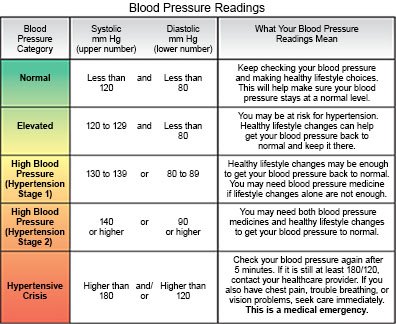
Your healthcare provider will give you a blood pressure goal based on your age, health, and risk for cardiovascular disease. The following are general guidelines on the stages of hypertension:
- Normal blood pressure is 119/79 or lower . Your healthcare provider may only check your blood pressure each year if it stays at a normal level.
- Elevated blood pressure is 120/79 to 129/79 . This is sometimes called prehypertension. Your healthcare provider may suggest lifestyle changes to help lower your blood pressure to a normal level. He or she may then check it again in 3 to 6 months.
- Stage 1 hypertension is 130/80 to 139/89 . Your provider may recommend lifestyle changes, medication, and checks every 3 to 6 months until your blood pressure is controlled.
- Stage 2 hypertension is 140/90 or higher . Your provider will recommend lifestyle changes and have you take 2 kinds of hypertension medicines. You will also need to have your blood pressure checked monthly until it is controlled.
 |
What increases my risk for hypertension?
The cause of hypertension may not be known. This is called essential or primary hypertension. Hypertension caused by another medical condition, such as kidney disease, is called secondary hypertension. Any of the following can increase your risk:
- Age older than 55 years (men) or 65 (women)
- Stress, or a family history of hypertension or heart disease
- Obesity, lack of exercise, or too many high-sodium foods
- Use of tobacco, alcohol, or illegal drugs
- A medical condition, such as diabetes, kidney disease, thyroid disease, or adrenal gland disorder
- Certain medicines, such as steroids or birth control pills
What are the signs and symptoms of hypertension?
You may have no signs or symptoms, or you may have any of the following:
- Headache
- Blurred vision
- Chest pain
- Dizziness or weakness
- Trouble breathing
- Nosebleeds
How is hypertension diagnosed?
Your healthcare provider will take your blood pressure at several visits. You may also need to check your blood pressure at home. The provider will examine you and ask about medicines you take. He or she will also ask if you have a family history of high blood pressure and about any health conditions you have. He or she will also check your blood pressure and weight and examine your heart, lungs, and eyes. You may need any of the following tests:
- An ambulatory blood pressure monitor (ABPM) is a device that you wear. ABPM measures your blood pressure while you do your regular daily activities. It records your blood pressure every 15 to 30 minutes during the day. It also records your blood pressure every 15 minutes to 1 hour at night. The recorded blood pressures help your healthcare provider know if you have hypertension not seen at your appointment.
- Blood tests may help healthcare providers find the cause of your hypertension. Blood tests can also help find other health problems caused by hypertension.
- Urine tests will be done to check your kidney function. Kidney problems can increase your risk for hypertension.
Related medications
Carvedilol
Carvedilol (Coreg) is used to treat heart failure and hypertension (high blood pressure). Includes ...
Furosemide
Furosemide is a loop diuretic used to treat fluid retention and high blood pressure by increasing ...
Botox
Botox is used cosmetically to reduce facial lines and wrinkles and for medical purposes for ...
Atenolol
Atenolol is used to treat angina (chest pain) and hypertension (high blood pressure). Learn about ...
Norvasc
Norvasc (amlodipine) is a calcium channel blocker used to treat high blood pressure and angina ...
Metoprolol
Metoprolol is used to treat angina (chest pain) and hypertension (high blood pressure). Learn about ...
Hydrochlorothiazide
HCTZ (hydrochlorothiazide) used to treat high blood pressure (hypertension) and edema. Includes ...
Losartan
Losartan is used to treat high blood pressure (hypertension). It is also used to lower the risk of ...
Benicar
Benicar is used to treat high blood pressure (hypertension). Learn about side effects, interactions ...
Which medicines are used to treat hypertension?
- Antihypertensives may be used to help lower your blood pressure. Several kinds of medicines are available. Your healthcare provider will choose medicines based on the kind of hypertension you have. You may need more than one type of medicine. Take the medicine exactly as directed.
- Diuretics help decrease extra fluid that collects in your body. This will help lower your blood pressure. You may urinate more often while you take this medicine.
- Cholesterol medicine helps lower your cholesterol level. A low cholesterol level helps prevent heart disease and makes it easier to control your blood pressure.
What can I do to manage hypertension?
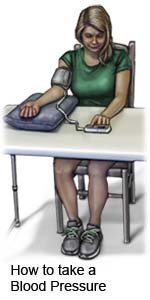
- Check your blood pressure at home. Do not smoke, have caffeine, or exercise for at least 30 minutes before you check your blood pressure. Sit and rest for 5 minutes before you check your blood pressure. Extend your arm and support it on a flat surface. Your arm should be at the same level as your heart. Follow the directions that came with your blood pressure monitor. Check your blood pressure 2 times, 1 minute apart, before you take your medicine in the morning. Also check your blood pressure before your evening meal. Keep a record of your readings and bring it to your follow-up visits. Ask your healthcare provider what your blood pressure should be.
- Manage any other health conditions you have. Health conditions such as diabetes can increase your risk for hypertension. Follow your healthcare provider's instructions and take all your medicines as directed.
- Ask about all medicines. Certain medicines can increase your blood pressure. Examples include oral birth control pills, decongestants, herbal supplements, and NSAIDs, such as ibuprofen. Your healthcare provider can tell you which medicines are safe for you to take. This includes prescription and over-the-counter medicines.
What lifestyle changes can I make to manage hypertension?
Your healthcare provider may recommend you work with a team to manage hypertension. The team may include medical experts such as a dietitian, an exercise or physical therapist, and a behavior therapist. Your family members may be included in helping you create lifestyle changes.
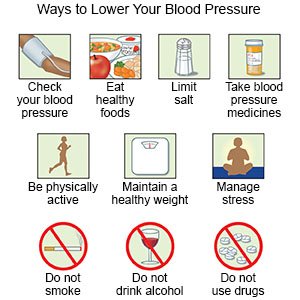 |
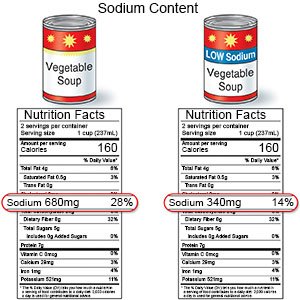
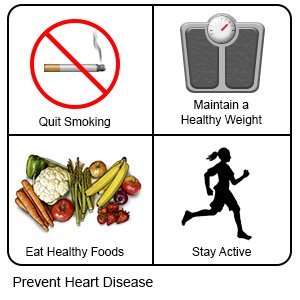
- Limit sodium (salt) as directed. Too much sodium can affect your fluid balance. Check labels to find low-sodium or no-salt-added foods. Some low-sodium foods use potassium salts for flavor. Too much potassium can also cause health problems. Your healthcare provider will tell you how much sodium and potassium are safe for you to have in a day. He or she may recommend that you limit sodium to 2,300 mg a day.
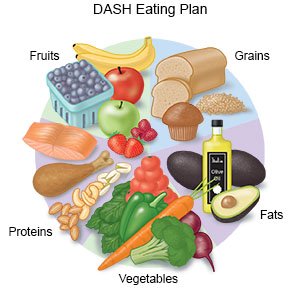
- Follow the meal plan recommended by your healthcare provider. A dietitian or your provider can give you more information on low-sodium plans or the DASH (Dietary Approaches to Stop Hypertension) eating plan. The DASH plan is low in sodium, processed sugar, unhealthy fats, and total fat. It is high in potassium, calcium, and fiber. These can be found in vegetables, fruit, and whole-grain foods.
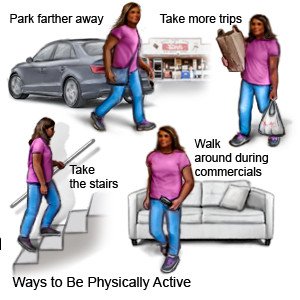
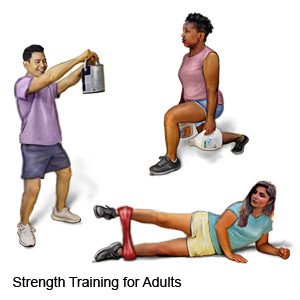
- Be physically active throughout the day. Physical activity, such as exercise, can help control your blood pressure and your weight. Be physically active for at least 30 minutes per day, on most days of the week. Include aerobic activity, such as walking or riding a bicycle. Also include strength training at least 2 times each week. Your healthcare providers can help you create a physical activity plan.
- Decrease stress. This may help lower your blood pressure. Learn ways to relax, such as deep breathing or listening to music.
- Limit alcohol as directed. Alcohol can increase your blood pressure. A drink of alcohol is 12 ounces of beer, 5 ounces of wine, or 1½ ounces of liquor.
- Do not smoke. Nicotine and other chemicals in cigarettes and cigars can increase your blood pressure and also cause lung damage. Ask your healthcare provider for information if you currently smoke and need help to quit. E-cigarettes or smokeless tobacco still contain nicotine. Talk to your healthcare provider before you use these products.
Call your local emergency number (911 in the US) or have someone call if:
- You have chest pain.
- You have any of the following signs of a heart attack:
- Squeezing, pressure, or pain in your chest
- You may also have any of the following:
- Discomfort or pain in your back, neck, jaw, stomach, or arm
- Shortness of breath
- Nausea or vomiting
- Lightheadedness or a sudden cold sweat
- You become confused or have trouble speaking.
- You suddenly feel lightheaded or have trouble breathing.
When should I seek immediate care?
- You have a severe headache or vision loss.
- You have weakness in an arm or leg.
When should I call my doctor?
- You feel faint, dizzy, confused, or drowsy.
- You have been taking your blood pressure medicine but your pressure is higher than your provider says it should be.
- You have questions or concerns about your condition or care.
Care Agreement
You have the right to help plan your care. Learn about your health condition and how it may be treated. Discuss treatment options with your healthcare providers to decide what care you want to receive. You always have the right to refuse treatment. The above information is an educational aid only. It is not intended as medical advice for individual conditions or treatments. Talk to your doctor, nurse or pharmacist before following any medical regimen to see if it is safe and effective for you.© Copyright Merative 2025 Information is for End User's use only and may not be sold, redistributed or otherwise used for commercial purposes.
Learn more about Hypertension
- Do blood pressure drugs interact with alcohol?
- FDA-Approved Weight Loss Drugs: Can They Help You?
- Which Drugs Cause Weight Gain?
Treatment options
Care guides
Symptoms and treatments
Medicine.com guides (external)
Further information
Always consult your healthcare provider to ensure the information displayed on this page applies to your personal circumstances.