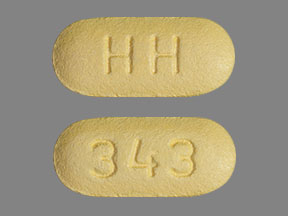
Valsartan Side Effects
Medically reviewed by Drugs.com. Last updated on Oct 28, 2024.
Applies to valsartan: oral solution, oral tablet.
Important warnings
This medicine can cause some serious health issues
Oral route (capsule; tablet; solution)
When pregnancy is detected, discontinue valsartan as soon as possible.
Drugs that act directly on the renin-angiotensin system can cause injury and death to the developing fetus.
Precautions
It is very important that your doctor check your or your child's progress at regular visits to make sure that this medicine is working properly. Blood and urine tests may be needed to check for unwanted effects.
Using this medicine while you are pregnant can harm your unborn baby. Use an effective form of birth control to keep from getting pregnant. If you think you have become pregnant while using this medicine, tell your doctor right away.
Dizziness, lightheadedness, or fainting may occur, especially when you get up suddenly from a lying or sitting position or if you have been taking a diuretic (water pill). Make sure you know how you react to this medicine before you drive, use machines, or do anything else that could be dangerous if you are dizzy. If you feel dizzy, lie down so you do not faint. Then sit for a few moments before standing to prevent the dizziness from returning. If you faint, call your doctor right away.
Check with your doctor right away if you become sick while taking this medicine, especially if you have severe nausea, vomiting, or diarrhea that does not stop. These conditions may cause you to lose too much water and lead to low blood pressure. You can also lose water by sweating, so drink plenty of water during exercise or in hot weather.
Ask your doctor before you use medicines, supplements, or salt substitutes that contain potassium.
Do not take other medicines unless they have been discussed with your doctor. This especially includes prescription or nonprescription (over-the-counter [OTC]) medicines for appetite control, asthma, colds, cough, hay fever, or sinus problems, and herbal or vitamin supplements.
Serious side effects of valsartan
Along with its needed effects, valsartan may cause some unwanted effects. Although not all of these side effects may occur, if they do occur they may need medical attention.
Check with your doctor immediately if any of the following side effects occur while taking valsartan:
Less common side effects
- bloody urine
- cold sweats
- confusion
- decreased frequency or amount of urine
- difficult breathing
- dizziness, faintness, or lightheadedness when getting up from a lying position
- fainting
- increased thirst
- irregular heartbeat
- loss of appetite
- lower back or side pain
- nausea
- nervousness
- numbness or tingling in the hands, feet, or lips
- swelling of the face, fingers, or lower legs
- unusual tiredness or weakness
- vomiting
- weakness or heaviness of the legs
- weight gain
Rare side effects
- chills
- fever
- hoarseness
- sore throat
- swelling of the mouth, hands, or feet
- trouble with swallowing or breathing (sudden)
Incidence not known
- black, tarry stools
- bleeding gums
- blood in the urine or stools
- dark urine
- general tiredness and weakness
- large, hive-like swelling on the face, eyelids, lips, tongue, throat, hands, legs, feet, or sex organs
- light-colored stools
- pinpoint red spots on the skin
- redness, soreness, or itching skin
- unusual bleeding or bruising
- upper right abdominal or stomach pain
- yellow eyes and skin
Other side effects of valsartan
Some side effects of valsartan may occur that usually do not need medical attention. These side effects may go away during treatment as your body adjusts to the medicine. Also, your health care professional may be able to tell you about ways to prevent or reduce some of these side effects.
Check with your health care professional if any of the following side effects continue or are bothersome or if you have any questions about them:
Less common side effects
- back pain
- blurred vision
- cold or flu-like symptoms
- coughing
- diarrhea
- difficulty with moving
- headache
- muscle pain or stiffness
- pain, swelling, or redness in the joints
- stomach pain
Incidence not known
- hair loss
- thinning of the hair
See also:
Lasix
Lasix is a loop diuretic used to treat fluid retention from heart, liver, or kidney conditions, and ...
Enalapril
Enalapril is used to treat high blood pressure, congestive heart failure and to improve survival ...
Botox
Botox is used cosmetically to reduce facial lines and wrinkles and for medical purposes for ...
Hydrochlorothiazide
HCTZ (hydrochlorothiazide) used to treat high blood pressure (hypertension) and edema. Includes ...
Atenolol
Atenolol is used to treat angina (chest pain) and hypertension (high blood pressure). Learn about ...
Furosemide
Furosemide is a loop diuretic used to treat fluid retention and high blood pressure by increasing ...
Metoprolol
Metoprolol is used to treat angina (chest pain) and hypertension (high blood pressure). Learn about ...
Losartan
Losartan is used to treat high blood pressure (hypertension). It is also used to lower the risk of ...
Lisinopril
Lisinopril is an ACE inhibitor. It is used to treat high blood pressure, congestive heart failure ...
Amlodipine
Amlodipine is a calcium channel blocker used to treat high blood pressure and angina by relaxing ...
For healthcare professionals
Applies to valsartan: oral capsule, oral liquid, oral tablet.
Nervous system adverse events
- Very common (10% or more): Headache (up to 14%), dizziness (up to 14%)
- Common (1% to 10%): Dizziness
- Uncommon (0.1% to 1%): Vertigo[Ref]
Respiratory
- Common (1% to 10%): Cough
- Uncommon (0.1% to 1%): Dyspnea[Ref]
Hypersensitivity
- Very rare (less than 0.01%): Angioedema[Ref]
A 71-year-old woman experienced an acute onset of angioedema and a photosensitive pruritic rash after 3 months of valsartan therapy. Her symptoms dissipated and the rash resolved after treatment with subcutaneous epinephrine, intravenous methylprednisolone, diphenhydramine, and emollient cream.
A unique case of dose-dependent, valsartan-induced angioedema has been reported. Two hours after initiating a dose increase (160 to 320 mg/day) of valsartan, a patient developed angioedema (i.e., swelling of lips and tongue). Symptoms resolved following a reduction in dose to the original dosage of 160 mg/day.[Ref]
Cardiovascular
- Common (1% to 10%): Symptomatic hypotension in 5.5% of heart failure patients in clinical trials
- Rare (less than 0.1%): Palpitations, chest pain
- Frequency not reported: Dizziness related to orthostatic hypotension
- Postmarketing reports: Heart failure[Ref]
Metabolic
- Common (1% to 10%): Hyperkalemia, hyponatremia[Ref]
Renal
- Frequency not reported: Impaired renal function, increases in serum creatinine concentrations, blood urea nitrogen, and potassium
- Postmarketing reports: Renal failure[Ref]
Dermatologic
- Rare (less than 0.1%): Pruritus, rash, alopecia
- Postmarketing reports: Bullous dermatitis[Ref]
Gastrointestinal
- Uncommon (0.1% to 1%): Diarrhea, constipation, dry mouth, dyspepsia, anorexia, nausea, vomiting, flatulence
- Postmarketing reports: Taste disturbance (i.e., altered sensitivity of basic tastes) has been reported following repeated dosing[Ref]
Musculoskeletal
- Common (1% to 10%): Back pain, muscle cramps, myalgias
- Very rare (less than 0.01%): Rhabdomyolysis[Ref]
Psychiatric
- Frequency not reported: Anxiety, insomnia, paresthesias, somnolence[Ref]
Genitourinary
Hematologic
- Uncommon (0.1% to 1%): Hematocrit decreased, hemoglobin decreased, neutropenia
- Postmarketing reports: Thrombocytopenia, vasculitis[Ref]
Hepatic
- Very rare (less than 0.01%): Hepatitis
- Frequency not reported: Hepatic enzymes increased[Ref]
Valsartan-associated hepatotoxicity in a patient with hepatitis B surface antigen (HBs-Ag) positivity (without signs and symptoms) has been reported. After 1 month of treatment with valsartan, this patient developed pruritic erythematous skin changes, nausea, jaundice, right subcostal abdominal pain, elevated liver enzymes, and mild hepatomegaly. Signs and symptoms of hepatotoxicity resolved within 2 to 3 weeks following discontinuation of valsartan and the patient remained asymptomatic after 6 months of follow-up.[Ref]
References
1. Holwerda NJ, Fogari R, Angeli P, et al. (1996) "Valsartan, a new angiotensin II antagonist for the treatment of essential hypertension: efficacy and safety compared with placebo and enalapril." J Hypertens, 14, p. 1147-115
2. Oparil S, Dyke S, Harris F, et al. (1996) "The efficacy and safety of valsartan compared with placebo in the treatment of patients with essential hypertension." Clin Ther, 18, p. 797-810
3. Waeber B, Burnier M, Nussberger J, Brunner HR (1996) "Experience with angiotensin II antagonists in hypertensive patients." Clin Exp Pharmacol Physiol, 23 ( Suppl, s142-6
4. (2001) "Product Information. Diovan (valsartan)." Novartis Pharmaceuticals
5. McInnes GT (1999) "Clinical advantage of valsartan." Cardiology, 91, p. 14-8
6. Cerner Multum, Inc. "UK Summary of Product Characteristics."
7. Benz J, Oshrain C, Henry D, Avery C, Chiang YT, Gatlin M (1997) "Valsartan, a new angiotensin II receptor antagonist: a double-blind study comparing the incidence of cough with lisinopril and hydrochlorothiazide." J Clin Pharmacol, 37, p. 101-7
8. Frye CB, Pettigrew TJ (1998) "Angioedema and photosensitive rash induced by valsartan." Pharmacotherapy, 18, p. 866-8
9. Irons BK, Kumar A (2003) "Valsartan-induced angioedema." Ann Pharmacother, 37, p. 1024-7
10. Burnier M, Hagman M, Nussberger J, Biollaz J, Armagnac C, Brouard R, Weber B, Brunner HR (1995) "Short-term and sustained renal effects of angiotensin II receptor blockade in healthy subjects." Hypertension, 25, p. 602-9
11. Burnier M, Roch-Ramel F, Brunner HR (1996) "Renal effects of angiotensin II receptor blockade in normotensive subjects." Kidney Int, 49, p. 1787-90
12. Ziai F, Ots M, Provoost AP, Troy JL, Rennke HG, Brenner BM, Mackenzie HS (1996) "The angiotensin receptor antagonist, irbesartan, reduces renal injury in experimental chronic renal failure." Kidney Int Suppl, 57, s132-6
13. Marquart-Elbaz C, Grosshans E (2002) "Sartans, angiotensin II receptor antagonists, can induce psoriasis." Br J Dermatol, 147, p. 617-8
14. Tsuruoka S, Wakaumi M, Ioka T, et al. (2005) "Angiotensin II receptor blocker-induces blunted taste sensitivity: comparison of candesartan and valsartan." Br J Clin Pharmacol, 60, p. 204-7
15. Flores CA, Ardiles LG, Aros CA, et al. (2005) "Valsartan-Induced Hematocrit Changes in Renal Transplant Patients." Transplant Proc, 37, p. 1586-1588
16. Kiykim A, Altintas E, Sezgin O, et al. (2003) "Valsartan-induced hepatotoxicity in a HBs-Ag-Positive patient." Am J Gastroenterol, 98, p. 507
Frequently asked questions
- Losartan vs Valsartan - What's the difference between them?
- What is the strength of Prexxartan (valsartan) oral solution?
More about valsartan
- Check interactions
- Compare alternatives
- Pricing & coupons
- Reviews (152)
- Drug images
- Dosage information
- Patient tips
- During pregnancy
- Support group
- Drug class: angiotensin receptor blockers
- Breastfeeding
- En español
Patient resources
Other brands
Professional resources
Other brands
Related treatment guides
Further information
Valsartan side effects can vary depending on the individual. Always consult your healthcare provider to ensure the information displayed on this page applies to your personal circumstances.
Note: Medication side effects may be underreported. If you are experiencing side effects that are not listed, submit a report to the FDA by following this guide.