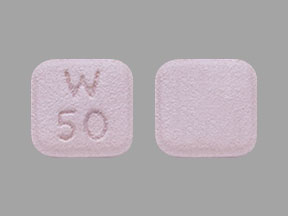
Pristiq Side Effects
Generic name: desvenlafaxine
Medically reviewed by Drugs.com. Last updated on Nov 3, 2023.
Note: This document provides detailed information about Pristiq Side Effects associated with desvenlafaxine. Some dosage forms listed on this page may not apply specifically to the brand name Pristiq.
Applies to desvenlafaxine: oral tablet extended release.
Important warnings
This medicine can cause some serious health issues
Oral route (tablet, extended release)
Antidepressants increased the risk of suicidal thoughts and behavior in children, adolescents, and young adults in short-term studies.
These studies did not show an increase in the risk of suicidal thoughts and behavior with antidepressant use in patients over age 24; there was a reduction in risk with antidepressant use in patients aged 65 and older.
In patients of all ages who are started on antidepressant therapy, monitor closely for worsening, and for emergence of suicidal thoughts and behaviors.
Advise families and caregivers of the need for close observation and communication with the prescriber.
Desvenlafaxine is not approved for use in pediatric patients.
Oral route (tablet, extended release)
Antidepressants increased the risk of suicidal thinking and behavior in children, adolescents, and young adults during short-term studies.
These studies did not show an increase in the risk of suicidality with antidepressants compared with placebo in adults older than 24 years, and there was a reduction in risk with antidepressants compared with placebo in adults aged 65 or older.
Monitor patients closely for clinical worsening, suicidality, or unusual changes in behavior.
Families and caregivers should be advised of the need for close observation and communication with the prescriber.
Not approved for use in pediatric patients.
Precautions
It is important that your doctor check your progress at regular visits, to allow for changes in your dose and to help reduce any side effects. Blood and urine tests may be needed to check for any unwanted effects.
Do not take desvenlafaxine (the active ingredient contained in Pristiq) with a monoamine oxidase (MAO) inhibitor (eg, isocarboxazid [Marplan®], phenelzine [Nardil®], selegiline [Eldepryl®], tranylcypromine [Parnate®]). Do not start taking desvenlafaxine within 14 days after you stop using an MAO inhibitor. Wait 7 days after stopping desvenlafaxine before you start taking an MAO inhibitor. If you take them together or do not wait the proper amount of time, you may develop confusion, agitation, restlessness, stomach or bowel symptoms, a sudden high body temperature, an extremely high blood pressure, or severe seizures.
Do not take any medicine that contains venlafaxine (Effexor®) while you are using Khedezla® or Pristiq®.
Desvenlafaxine may cause some teenagers and young adults to be agitated, irritable, or display other abnormal behaviors. It may also cause some people to have suicidal thoughts and tendencies or to become more depressed. Some people may have trouble sleeping, get upset easily, have a big increase in energy, or start to act reckless. If you or your caregiver notice any of these unwanted effects, tell your doctor right away. Let the doctor know if you or anyone in your family has bipolar disorder (manic-depressive) or has tried to commit suicide.
Do not stop using this medicine without first checking with your doctor. Your doctor may want you to gradually reduce the amount you are taking before stopping it completely to decrease the chance of side effects, such as agitation, breathing problems, chest pain, confusion, diarrhea, dizziness or lightheadedness, fast or irregular heartbeat, feeling more excited or energetic than usual, headache, increased sweating, irritability, muscle pain, nausea, numbness or tingling feeling, restlessness, ringing in your ears, runny nose, seizures, thoughts of hurting yourself or others, trouble sleeping, trembling or shaking, unusual dreams, unusual mood or behavior, unusual tiredness or weakness, vision changes, or vomiting.
Desvenlafaxine may cause a serious condition called serotonin syndrome if taken together with some medicines. Do not use desvenlafaxine with buspirone (Buspar®), fentanyl (Abstral®, Duragesic®), lithium (Eskalith®, Lithobid®), tryptophan, St. John's wort, amphetamines, or some pain or migraine medicines (eg, meperidine, methadone, rizatriptan, sumatriptan, tramadol, Demerol®, Methadose®, Frova®, Imitrex®, Maxalt®, Relpax®, Ultram®, Zomig®). Check with your doctor first before using any other medicines with desvenlafaxine.
Tell your doctor right away if you have chest discomfort, cough, or trouble breathing while using this medicine. These might be symptoms of a serious lung problem.
This medicine may increase your risk for bleeding problems. Make sure your doctor knows if you are also taking other medicines that thin the blood, including aspirin, NSAIDs (eg, diclofenac, ibuprofen, naproxen, Advil®, Aleve®, Celebrex®, Voltaren®), or warfarin (Coumadin®, Jantoven®).
This medicine may cause hyponatremia (low sodium in the blood). This is more common in elderly patients, those who are taking diuretic medicines for high blood pressure, or those who have decreased amounts of fluid in the body due to severe diarrhea or vomiting. Check with your doctor right away if you have confusion, headache, memory problems, trouble concentrating, weakness, or feel unsteady when standing.
This medicine may cause some people to become dizzy, drowsy, or less alert than they are normally. Do not drive or do anything else that could be dangerous until you know how this medicine affects you.
Check with your doctor right away if you have decreased interest in sexual intercourse, delayed or inability to have an orgasm in women, inability to have or keep an erection in men, or loss in sexual ability, desire, drive, or performance. These could be symptoms of sexual dysfunction.
The use of alcohol is not recommended in patients who are using this medicine.
Before you have any medical tests, tell the medical doctor in charge that you are using this medicine. The results of some tests may be affected by this medicine.
Do not take other medicines unless they have been discussed with your doctor. This includes prescription or nonprescription (over-the-counter [OTC]) medicines and herbal (eg, St. John's wort) or vitamin supplements.
Common side effects of Pristiq
Some side effects of desvenlafaxine may occur that usually do not need medical attention. These side effects may go away during treatment as your body adjusts to the medicine. Also, your health care professional may be able to tell you about ways to prevent or reduce some of these side effects.
Check with your health care professional if any of the following side effects continue or are bothersome or if you have any questions about them:
More common side effects
- decreased appetite
- increased sensitivity of the eyes to light
- sleepiness or unusual drowsiness
- trouble sleeping
Less common side effects
- change in taste
- decreased weight
- difficult urination
- jitteriness
- lack or loss of strength
- loss of taste
Incidence not known
- decrease in smell
- loss of sense of smell
Serious side effects of Pristiq
Along with its needed effects, desvenlafaxine may cause some unwanted effects. Although not all of these side effects may occur, if they do occur they may need medical attention.
Check with your doctor immediately if any of the following side effects occur while taking desvenlafaxine:
Less common side effects
- chills
- cold sweats
- confusion
- continuous ringing, buzzing, or other unexplained noise in the ears
- decreased interest in sexual intercourse
- delayed or inability to have an orgasm
- dizziness, faintness, or lightheadedness when getting up suddenly from a lying or sitting position
- fast, pounding, or irregular pulse
- fear or nervousness
- headache
- hearing loss
- inability to have or keep an erection
- loss in sexual ability, desire, drive, or performance
- numbness or tingling in the arms or legs
- shakiness in the legs, arms, hands, or feet
- trouble thinking, speaking, or walking
- weakness
Incidence not known
- blistering, peeling, or loosening of the skin
- bloating
- blood in the stool or urine
- chest tightness, discomfort, or pain
- cough
- dark urine
- diarrhea
- dilated or enlarged pupils (black part of the eye)
- dizziness
- feeling irritated
- fainting
- fast, irregular, or pounding heartbeat
- fever
- hives, itching, or rash
- hoarseness
- indigestion
- joint pain, stiffness, or swelling
- large, hive-like swelling on the face, eyelids, lips, tongue, throat, hands, legs, feet, or genitals
- loss of appetite
- loss of bladder control
- muscle pain
- muscle spasm or jerking of all extremities
- nausea
- nosebleeds
- pains in the stomach, side, or abdomen, possibly radiating to the back
- red skin lesions, often with a purple center
- red, irritated eyes
- red skin
- seizures
- sore throat
- sores, ulcers, or white spots in the mouth or on the lips
- sudden loss of consciousness
- swelling of the eyelids, face, lips, hands, or feet
- talking, feeling, or acting with excitement
- trouble breathing or swallowing
- unusual bleeding or bruising
- unusual tiredness or weakness
- vomiting
- vomiting blood
- yellow eyes or skin
Get emergency help immediately if any of the following symptoms of overdose occur while taking desvenlafaxine:
Symptoms of overdose
- agitation
- bloating
- dark urine
- feeling of constant movement of self or surroundings
- irregular heartbeat recurrent
- light-colored stools
- muscle cramp or stiffness
- nausea
- overactive reflexes
- poor coordination
- restlessness
- seizures
- sensation of spinning
- shivering
- stomach pain
- vomiting
- yellow eyes or skin
See also:
Auvelity
Auvelity (dextromethorphan and bupropion) is used to treat major depressive disorder. Includes ...
Lexapro
Lexapro is used to treat anxiety and major depressive disorder. Learn about side effects ...
Vraylar
Vraylar is a once a day antipsychotic medication used to treat mental health or mood disorders ...
Zoloft
Zoloft is an antidepressant used to treat major depression, obsessive-compulsive disorder, panic ...
Seroquel
Seroquel is used to treat the symptoms of schizophrenia, bipolar disorder and major depressive ...
Prozac
Prozac (fluoxetine) is an SSRI antidepressant used to treat depression, OCD, panic disorder ...
Cymbalta
Cymbalta (duloxetine) is used to treat major depressive disorder, general anxiety disorder and ...
Wellbutrin
Wellbutrin (bupropion) is used to treat major depressive disorder and seasonal affective disorder ...
Bupropion
Bupropion is an antidepressant used for depression, seasonal affective disorder, smoking cessation ...
Fluoxetine
Fluoxetine is used to treat depression or obsessive-compulsive disorder in adults. Learn about side ...
For healthcare professionals
Applies to desvenlafaxine: oral tablet extended release.
General adverse events
The most commonly reported side effects were nausea, dry mouth, hyperhidrosis, and dizziness.[Ref]
Gastrointestinal
- Very common (10% or more): Nausea (up to 36%), dry mouth (up to 25%), constipation (up to 14%)
- Common (1% to 10%): Diarrhea, vomiting
- Rare (less than 0.1%): Acute pancreatitis
- Frequency not reported: Gastrointestinal bleeding[Ref]
Dermatologic
- Very common (10% or more): Hyperhidrosis (up to 21%)
- Common (1% to 10%): Rash
- Uncommon (0.1% to 1%): Alopecia
- Rare (less than 0.1%): Photosensitivity reaction, Stevens-Johnson syndrome
- Frequency not reported: Erythema multiforme, severe cutaneous reactions, toxic epidermal necrolysis[Ref]
Nervous system
- Very common (10% or more): Dizziness (up to 16%), somnolence (up to 12%)
- Common (1% to 10%): Disturbance in attention, dysgeusia, headache, paresthesia, tremor, vertigo
- Uncommon (0.1% to 1%): Dyskinesia, extrapyramidal disorder, syncope
- Rare (less than 0.1%): Convulsion, dystonia, serotonin syndrome
- Frequency not reported: Seizure[Ref]
Psychiatric
- Very common (10% or more): Insomnia (up to 15%)
- Common (1% to 10%): Abnormal dreams, abnormal orgasm, anorgasmia, anxiety, decreased libido, irritability, nervousness, withdrawal syndrome
- Uncommon (0.1% to 1%): Depersonalization, hypomania
- Rare (less than 0.1%): Hallucination, mania
- Frequency not reported: Bruxism, discontinuation syndrome, suicidal thoughts[Ref]
Genitourinary
- Very common (10% or more): Erectile dysfunction (up to 11%)
- Common (1% to 10%): Delayed ejaculation, ejaculation disorder, ejaculation failure, proteinuria, sexual dysfunction, urinary hesitation
- Uncommon (0.1% to 1%): Urinary retention[Ref]
Other
- Very common (10% or more): Fatigue (up to 11%)
- Common (1% to 10%): Asthenia, chills, feeling jittery, tinnitus[Ref]
Metabolic
- Common (1% to 10%): Decreased appetite, decreased weight, elevated fasting triglycerides, elevated LDL cholesterol, elevated total cholesterol, increased blood cholesterol, increased weight
- Uncommon (0.1% to 1%): Increased blood triglycerides
- Rare (less than 0.1%): Hyponatremia[Ref]
Cardiovascular
- Common (1% to 10%): Blood pressure increased, hot flush, increased sustained hypertension, orthostatic hypotension, palpitations, tachycardia
- Uncommon (0.1% to 1%): Peripheral coldness
- Frequency not reported: Coronary occlusion requiring revascularization, ischemic cardiac adverse reactions, myocardial infarction, myocardial ischemia[Ref]
Ischemic cardiac adverse reactions, myocardial ischemia, myocardial infarction, and/or coronary occlusion requiring revascularization usually occurred in patients who had multiple underlying cardiac risk factors.[Ref]
Ocular
- Common (1% to 10%): Blurred vision, mydriasis
- Frequency not reported: Angle closure glaucoma[Ref]
Respiratory
- Common (1% to 10%): Yawning
- Uncommon (0.1% to 1%): Epistaxis
- Frequency not reported: Interstitial lung disease, eosinophilic pneumonia[Ref]
Hepatic
- Common (1% to 10%): Abnormal liver function test[Ref]
Musculoskeletal
- Common (1% to 10%): Musculoskeletal stiffness[Ref]
Hypersensitivity
- Uncommon (0.1% to 1%): Hypersensitivity
- Rare (less than 0.1%): Angioedema[Ref]
Endocrine
- Uncommon (0.1% to 1%): Increased blood prolactin[Ref]
Hematologic
- Frequency not reported: Abnormal bleeding[Ref]
References
1. Cerner Multum, Inc. "Australian Product Information."
2. (2008) "Product Information. Pristiq (desvenlafaxine)." Wyeth Laboratories
Frequently asked questions
More about Pristiq (desvenlafaxine)
- Check interactions
- Compare alternatives
- Pricing & coupons
- Reviews (1,130)
- Drug images
- Dosage information
- During pregnancy
- Generic availability
- Support group
- FDA approval history
- Drug class: serotonin-norepinephrine reuptake inhibitors
- Breastfeeding
- En español
Patient resources
Other brands
Professional resources
Related treatment guides
Further information
Pristiq side effects can vary depending on the individual. Always consult your healthcare provider to ensure the information displayed on this page applies to your personal circumstances.
Note: Medication side effects may be underreported. If you are experiencing side effects that are not listed, submit a report to the FDA by following this guide.