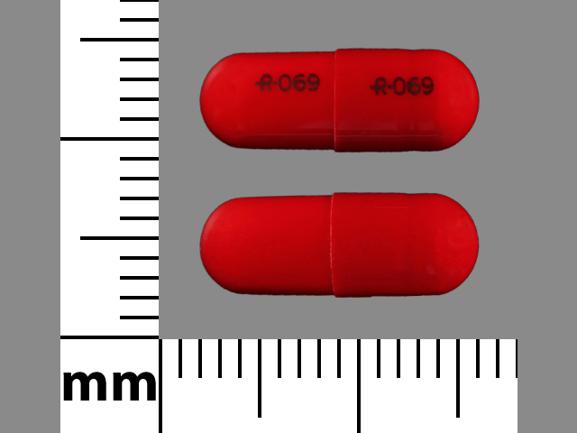
Oxazepam Side Effects
Medically reviewed by Drugs.com. Last updated on Sep 16, 2024.
Applies to oxazepam: oral capsule.
Important warnings
This medicine can cause some serious health issues
Oral route (capsule)
Warning: Risks from Concomitant use with Opioids; Abuse, Misuse, and Addiction; and Dependence and Withdrawal Reactions. Concomitant use of benzodiazepines and opioids may result in profound sedation, respiratory depression, coma, and death.Reserve concomitant prescribing of these drugs for use in patients for whom alternative treatment options are inadequate.Limit dosages and durations to the minimum required.Follow patients for signs and symptoms of respiratory depression and sedation.The use of benzodiazepines, including oxazepam, exposes users to risks of abuse, misuse, and addiction, which can lead to overdose or death.
Abuse and misuse of benzodiazepines commonly involve concomitant use of other medications, alcohol, and/or illicit substances, which is associated with an increased frequency of serious adverse outcomes.
Before prescribing oxazepam and throughout treatment, assess each patient’s risk for abuse, misuse, and addiction.The continued use of benzodiazepines, including oxazepam, may lead to clinically significant physical dependence.
The risks of dependence and withdrawal increase with longer treatment duration and higher daily dose.
Abrupt discontinuation or rapid dosage reduction of oxazepam after continued use may precipitate acute withdrawal reactions, which can be life-threatening.
To reduce the risk of withdrawal reactions, use a gradual taper to discontinue oxazepam or reduce the dosage.
Precautions
It is very important that your doctor check your progress at regular visits to make sure this medicine is working properly. Blood tests may be needed to check for unwanted effects.
This medicine is for short-term use only, which is generally considered less than 4 months. If your condition does not improve or if it becomes worse, check with your doctor.
Using this medicine while you are pregnant can harm your unborn baby. Use an effective form of birth control to keep from getting pregnant. If you think you have become pregnant while using the medicine, tell your doctor right away.
This medicine may cause some people, especially older persons, to become drowsy, dizzy, lightheaded, clumsy, unsteady, or less alert than they are normally. Make sure you know how you react to this medicine before you drive, use machines, or do anything else that could be dangerous if you are not alert or able to think or see well.
This medicine will add to the effects of alcohol and other central nervous system (CNS) depressants. CNS depressants are medicines that slow down the nervous system, which may cause drowsiness or make you less alert. Some examples of CNS depressants are antihistamines or medicine for hay fever, allergies, or colds, sedatives, tranquilizers, or sleeping medicine, prescription pain medicine or narcotics, barbiturates or medicine for seizures, muscle relaxants, or anesthetics (numbing medicines), including some dental anesthetics. This effect may last for a few days after you Stop taking oxazepam. Check with your doctor before taking any of the above while you are using this medicine.
Do not Stop taking oxazepam without checking with your doctor first. Your doctor may want you to gradually reduce the amount you are using before stopping it completely. This may help prevent a worsening of your condition and reduce the possibility of withdrawal symptoms, including hallucinations, nausea or vomiting, seizures, stomach or muscle cramps, tremors, sweating, or unusual behavior.
This medicine may be habit-forming. If you feel that the medicine is not working as well, do not use more than your prescribed dose. Call your doctor for instructions.
Symptoms of an overdose include: blurred vision, change in consciousness, dizziness, faintness, or lightheadedness when getting up suddenly from a lying or sitting position, loss of consciousness, loss of strength or energy, confusion, muscle pain or weakness, shakiness and unsteady walk, sleepiness or unusual drowsiness, dullness, tiredness, weakness or feeling of sluggishness, sweating, or unsteadiness, trembling, or other problems with muscle control or coordination. Call your doctor right away if you notice these symptoms.
Serious side effects of oxazepam
Along with its needed effects, oxazepam may cause some unwanted effects. Although not all of these side effects may occur, if they do occur they may need medical attention.
Check with your doctor immediately if any of the following side effects occur while taking oxazepam:
Rare side effects
- black, tarry stools
- chest pain
- chills
- clay-colored stools
- cough
- dark urine
- dizziness
- fainting
- fever with or without chills
- headache
- itching or rash
- light-colored stools
- loss of appetite
- nausea and vomiting
- painful or difficult urination
- shakiness and unsteady walk
- shakiness in the legs, arms, hands, or feet
- slurred speech
- sore throat
- sores, ulcers, or white spots on the lips or in the mouth
- stomach pain
- swelling
- swollen glands
- trouble breathing
- unpleasant breath odor
- unsteadiness, trembling, or other problems with muscle control or coordination
- unusual bleeding or bruising
- unusual tiredness or weakness
- vomiting of blood
- yellow eyes or skin
Incidence not known
- being forgetful
- confusion about identity, place, and time
- cough or hoarseness
- decreased awareness or responsiveness
- false or unusual sense of well-being
- general feeling of tiredness or weakness
- hallucinations
- loss of bladder control
- loss of memory
- lower back or side pain
- nightmares
- pale skin
- problems with memory
- severe sleepiness
- trouble sleeping
- unusual excitement, nervousness, restlessness, or irritability
Get emergency help immediately if any of the following symptoms of overdose occur while taking oxazepam:
Symptoms of overdose
- blurred vision
- change in consciousness
- confusion
- dizziness, faintness, or lightheadedness when getting up suddenly from a lying or sitting position
- drowsiness
- loss of consciousness
- loss of strength or energy
- muscle pain or weakness
- shakiness and unsteady walk
- sweating
- unsteadiness, trembling, or other problems with muscle control or coordination
- unusual drowsiness, dullness, tiredness, weakness, or feeling of sluggishness
Other side effects of oxazepam
Some side effects of oxazepam may occur that usually do not need medical attention. These side effects may go away during treatment as your body adjusts to the medicine. Also, your health care professional may be able to tell you about ways to prevent or reduce some of these side effects.
Check with your health care professional if any of the following side effects continue or are bothersome or if you have any questions about them:
Rare side effects
- decreased interest in sexual intercourse
- feeling of constant movement of self or surroundings
- inability to have or keep an erection
- increased in sexual ability, desire, drive, or performance
- increased interest in sexual intercourse
- loss in sexual ability, desire, drive, or performance
- rash with flat lesions or small raised lesions on the skin
- sensation of spinning
Incidence not known
- double vision
- menstrual changes
- seeing double
See also:
Xanax
Xanax (alprazolam) is a benzodiazepine medication used to treat anxiety and panic disorders ...
Cymbalta
Cymbalta (duloxetine) is used to treat major depressive disorder, general anxiety disorder and ...
Botox
Botox is used for cosmetic purposes and to treat overactive bladder symptoms, urinary incontinence ...
Lorazepam
Lorazepam is in a group of drugs called benzodiazepines and is used to treat anxiety disorders ...
Diazepam
Diazepam is used to treat anxiety disorders, alcohol withdrawal symptoms, or muscle spasms. Learn ...
Venlafaxine
Venlafaxine is used to treat major depressive disorder, anxiety, and panic disorder. Learn about ...
Lexapro
Lexapro is used to treat anxiety and major depressive disorder. Learn about side effects ...
Buspirone
Buspirone is used to treat symptoms of anxiety, such as fear, tension, irritability and dizziness ...
Alprazolam
Alprazolam is used to treat anxiety disorders, panic disorders, and anxiety. Learn about side ...
Hydroxyzine
Hydroxyzine is an antihistamine used to treat itching, hives, and anxiety. It also acts as a ...
For healthcare professionals
Applies to oxazepam: oral capsule, oral tablet.
General adverse events
The most commonly reported side effects were drowsiness, headache, and fatigue.[Ref]
Other
- Rare (less than 0.1%): Edema
- Frequency not reported: Fever, fatigue[Ref]
Genitourinary
- Rare (less than 0.1%): Altered libido
- Frequency not reported: Incontinence, urinary retention, menstrual irregularities[Ref]
Hepatic
- Rare (less than 0.1%): Jaundice, hepatic impairment
- Frequency not reported: Increased liver enzymes[Ref]
Hematologic
- Rare (less than 0.1%): Leukopenia
- Frequency not reported: Blood dyscrasias (including agranulocytosis)[Ref]
Hypersensitivity
- Frequency not reported: Hypersensitivity[Ref]
Cardiovascular
- Frequency not reported: Hypotension[Ref]
Dermatologic
- Rare (less than 0.1%): Minor diffuse skin rashes (morbilliform, urticarial and maculopapular)[Ref]
Gastrointestinal
- Rare (less than 0.1%):Nausea
- Frequency not reported: Salivation changes, gastrointestinal disorders[Ref]
Nervous system
- Rare (less than 0.1%): Slurred speech, tremor, ataxia
- Frequency not reported: Drowsiness, amnesia, anterograde amnesia, reduced alertness, dizziness, light-headedness, vertigo, headache, syncope, dysarthria, changes in EEG pattern, stupor, memory impairment[Ref]
Musculoskeletal
- Frequency not reported: Muscle weakness[Ref]
Ocular
- Frequency not reported: Blurred vision, diplopia[Ref]
Psychiatric
- Rare (less than 0.1%): Lethargy
- Frequency not reported: Disorientation, nightmares, mild excitatory effects with stimulation of affect, numbed emotions, restlessness, agitation, irritability, delusions, rages, psychoses, inappropriate behavior, behavioral adverse effects (including paradoxical aggressive outbursts), excitement, hallucinations, uncovering of depression with suicidal tendencies, withdrawal symptoms (including persistent tinnitus, involuntary movements, paresthesia, perceptual changes, confusion, convulsions, muscle cramps, abdominal cramps, vomiting), aggression, euphoria[Ref]
References
1. (2001) "Product Information. Serax (oxazepam)." Wyeth-Ayerst Laboratories
2. Cerner Multum, Inc. "UK Summary of Product Characteristics."
3. Cerner Multum, Inc. "Australian Product Information."
More about oxazepam
- Check interactions
- Compare alternatives
- Pricing & coupons
- Reviews (87)
- Drug images
- Latest FDA alerts (1)
- Dosage information
- Patient tips
- During pregnancy
- Drug class: benzodiazepines
- Breastfeeding
- En español
Patient resources
Other brands
Professional resources
Related treatment guides
Further information
Oxazepam side effects can vary depending on the individual. Always consult your healthcare provider to ensure the information displayed on this page applies to your personal circumstances.
Note: Medication side effects may be underreported. If you are experiencing side effects that are not listed, submit a report to the FDA by following this guide.