Oxazepam Dosage
Medically reviewed by Drugs.com. Last updated on Oct 10, 2023.
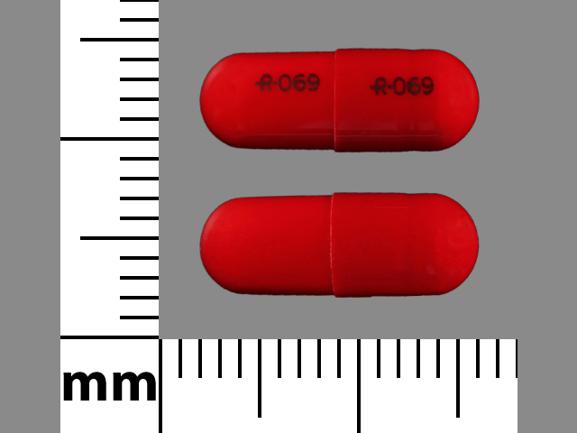
Applies to the following strengths: 15 mg; 10 mg; 30 mg
Usual Adult Dose for:
Usual Geriatric Dose for:
Usual Pediatric Dose for:
Additional dosage information:
Usual Adult Dose for Anxiety
10 to 15 mg orally, 3 or 4 times per day
Use: Management of mild-to-moderate anxiety, with associated tension, irritability, agitation, or related symptoms of functional origin or secondary to organic disease:
15 to 30 mg orally, 3 or 4 times per day
Use: Management of severe anxiety syndromes, agitation, or anxiety associated with depression
Usual Adult Dose for Alcohol Withdrawal
15 to 30 mg orally, 3 or 4 times per day
Use: Relief of symptoms in alcoholics with acute inebriation, tremulousness, or anxiety on withdrawal
Usual Geriatric Dose for Anxiety
10 mg orally, 3 times per day; if needed, increase cautiously to 15 mg orally, 3 or 4 times per day
Use: Management of anxiety, tension, irritability, and agitation in older patients
Usual Pediatric Dose for Anxiety
13 years and older:
10 to 15 mg orally, 3 or 4 times per day
Comments:
- The absolute dosage for patients 6 to 12 years is not established.
Use: Management of mild-to-moderate anxiety, with associated tension, irritability, agitation, or related symptoms of functional origin or secondary to organic disease:
15 to 30 mg orally, 3 or 4 times per day
Comments:
- The absolute dosage for patients 6 to 12 years is not established.
Use: Management of severe anxiety syndromes, agitation, or anxiety associated with depression
Renal Dose Adjustments
Data not available
Liver Dose Adjustments
Data not available
Dose Adjustments
- Dose adjustments may be required when this drug is used concomitantly with alcohol or other CNS-acting drugs.
Precautions
Safety and efficacy have not been established in patients younger than 6 years.
Consult WARNINGS section for additional precautions.
US Controlled Substance: Schedule IV
Dialysis
Data not available
Other Comments
Monitoring:
- Psychiatric: Patients with a history of alcohol or drug abuse, or patients with a marked personality disorder should be monitored frequently.
Patient advice:
- General: Patients should be aware of the possibility of rebound phenomena.
More about oxazepam
- Check interactions
- Compare alternatives
- Pricing & coupons
- Reviews (86)
- Drug images
- Latest FDA alerts (1)
- Side effects
- Patient tips
- During pregnancy
- Drug class: benzodiazepines
- Breastfeeding
- En español
Patient resources
Other brands
Professional resources
Related treatment guides
Further information
Always consult your healthcare provider to ensure the information displayed on this page applies to your personal circumstances.