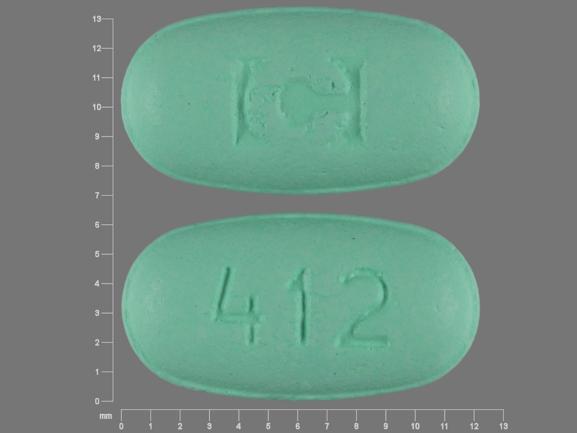
Gabitril Side Effects
Please note - some side effects for Gabitril may not be reported. Always consult your doctor or healthcare specialist for medical advice. You may also report side effects to the FDA at http://www.fda.gov/medwatch/ or 1-800-FDA-1088 (1-800-332-1088).
|
For the consumer For the professional
|
Side Effects of Gabitril - for the consumer
Gabitril
All medicines may cause side effects, but many people have no, or minor, side effects. Check with your doctor if any of these most COMMON side effects persist or become bothersome when using Gabitril:
Seek medical attention right away if any of these SEVERE side effects occur when using Gabitril:Abnormal skin sensations; diarrhea; dizziness; drowsiness; flushing; increased appetite; increased cough; irritability; lack of energy; lightheadedness; nausea; nervousness; pain; shakiness; sleeplessness; sore throat; stomach pain; vomiting; weakness.
TopSevere allergic reactions (rash; hives; itching; difficulty breathing; tightness in the chest; swelling of the mouth, face, lips, or tongue); abnormal thinking; abnormal walking; agitation; blurred vision or other vision problems; burning, tingling, or numbness sensation; chest pain; confusion; depression; difficulty with concentration or attention; fainting; hostility; incoordination; itching; jerky eye movements; memory problems; mood swings; seizures; severe or persistent headache or dizziness; severe weakness; speech or language problems; urination problems or difficult or painful urination.
For the professional
Gabitril
The most commonly observed adverse events in placebo-controlled, parallel-group, add-on epilepsy trials associated with the use of Gabitril in combination with other antiepilepsy drugs not seen at an equivalent frequency among placebo-treated patients were dizziness/light-headedness, asthenia/lack of energy, somnolence, nausea, nervousness/irritability, tremor, abdominal pain, and thinking abnormal/difficulty with concentration or attention.
Approximately 21% of the 2531 patients who received Gabitril in clinical trials of epilepsy discontinued treatment because of an adverse event. The adverse events most commonly associated with discontinuation were dizziness (1.7%), somnolence (1.6%), depression (1.3%), confusion (1.1%), and asthenia (1.1%).
In Studies 1 and 2 (U.S. studies), the double-blind, placebo-controlled, parallel-group, add-on studies, the proportion of patients who discontinued treatment because of adverse events was 11% for the group treated with Gabitril and 6% for the placebo group. The most common adverse events considered the primary reason for discontinuation were confusion (1.2%), somnolence (1.0%), and ataxia (1.0%).
Adverse Event Incidence in Controlled Clinical Trials: Table 4 lists treatment-emergent signs and symptoms that occurred in at least 1% of patients treated with Gabitril for epilepsy participating in parallel-group, placebo-controlled trials and were numerically more common in the Gabitril group. In these studies, either Gabitril or placebo was added to the patient’s current antiepilepsy drug therapy. Adverse events were usually mild or moderate in intensity.
The prescriber should be aware that these figures, obtained when Gabitril was added to concurrent antiepilepsy drug therapy, cannot be used to predict the frequency of adverse events in the course of usual medical practice when patient characteristics and other factors may differ from those prevailing during clinical studies. Similarly, the cited frequencies cannot be directly compared with figures obtained from other clinical investigations involving different treatments, uses, or investigators. An inspection of these frequencies, however, does provide the prescribing physician with one basis to estimate the relative contribution of drug and non-drug factors to the adverse event incidences in the population studied.
| 1Patients in these add-on studies were receiving one to three concomitant enzyme-inducing antiepilepsy drugs in addition to Gabitril or placebo. Patients may have reported multiple adverse experiences; thus, patients may be included in more than one category. | |||
| *COSTART term substituted with a more clinically descriptive term. | |||
|
Body System/ COSTART |
Gabitril N=494 % |
Placebo N=275 % |
|
|---|---|---|---|
| Body as a Whole | |||
| Abdominal Pain | 7 | 3 | |
| Pain (unspecified) | 5 | 3 | |
| Cardiovascular | |||
| Vasodilation | 2 | 1 | |
| Digestive | |||
| Nausea | 11 | 9 | |
| Diarrhea | 7 | 3 | |
| Vomiting | 7 | 4 | |
| Increased Appetite | 2 | 0 | |
| Mouth Ulceration | 1 | 0 | |
| Musculoskeletal | |||
| Myasthenia | 1 | 0 | |
| Nervous System | |||
| Dizziness | 27 | 15 | |
| Asthenia | 20 | 14 | |
| Somnolence | 18 | 15 | |
| Nervousness | 10 | 3 | |
| Tremor | 9 | 3 | |
| Difficulty with Concentration/Attention* | 6 | 2 | |
| Insomnia | 6 | 4 | |
| Ataxia | 5 | 3 | |
| Confusion | 5 | 3 | |
| Speech Disorder | 4 | 2 | |
| Difficulty With Memory* | 4 | 3 | |
| Paresthesia | 4 | 2 | |
| Depression | 3 | 1 | |
| Emotional Lability | 3 | 2 | |
| Abnormal Gait | 3 | 2 | |
| Hostility | 2 | 1 | |
| Nystagmus | 2 | 1 | |
| Language Problems* | 2 | 0 | |
| Agitation | 1 | 0 | |
| Respiratory System | |||
| Pharyngitis | 7 | 4 | |
| Cough Increased | 4 | 3 | |
| Skin and Appendages | |||
| Rash | 5 | 4 | |
| Pruritus | 2 | 0 | |
Other events reported by 1% or more of patients treated with Gabitril but equally or more frequent in the placebo group were: accidental injury, chest pain, constipation, flu syndrome, rhinitis, anorexia, back pain, dry mouth, flatulence, ecchymosis, twitching, fever, amblyopia, conjunctivitis, urinary tract infection, urinary frequency, infection, dyspepsia, gastroenteritis, nausea and vomiting, myalgia, diplopia, headache, anxiety, acne, sinusitis, and incoordination.
Study 1 was a dose-response study including doses of 32 mg and 56 mg. Table 5 shows adverse events reported at a rate of ≥ 5% in at least one Gabitril group and more frequent than in the placebo group. Among these events, depression, tremor, nervousness, difficulty with concentration/attention, and perhaps asthenia exhibited a positive relationship to dose.
| † Patients in this study were receiving one to three concomitant enzyme-inducing antiepilepsy drugs in addition to Gabitril or placebo. Patients may have reported multiple adverse experiences; thus, patients may be included in more than one category. | ||||
| * COSTART term substituted with a more clinically descriptive term. | ||||
|
Body System/ COSTART Term |
Gabitril 56 mg (N=57) % |
Gabitril 32 mg (N=88) % |
Placebo (N=91) % |
|
|---|---|---|---|---|
| Body as a Whole | ||||
| Accidental Injury | 21 | 15 | 20 | |
| Infection | 19 | 10 | 12 | |
| Flu Syndrome | 9 | 6 | 3 | |
| Pain | 7 | 2 | 3 | |
| Abdominal Pain | 5 | 7 | 4 | |
| Digestive System | ||||
| Diarrhea | 2 | 10 | 6 | |
| Hemic and Lymphatic System | ||||
| Ecchymosis | 0 | 6 | 1 | |
| Musculoskeletal System | ||||
| Myalgia | 5 | 2 | 3 | |
| Nervous System | ||||
| Dizziness | 28 | 31 | 12 | |
| Asthenia | 23 | 18 | 15 | |
| Tremor | 21 | 14 | 1 | |
| Somnolence | 19 | 21 | 17 | |
| Nervousness | 14 | 11 | 6 | |
| Difficulty With Concentration/Attention* | 14 | 7 | 3 | |
| Ataxia | 9 | 6 | 6 | |
| Depression | 7 | 1 | 0 | |
| Insomnia | 5 | 6 | 3 | |
| Abnormal Gait | 5 | 5 | 3 | |
| Hostility | 5 | 5 | 2 | |
| Respiratory System | ||||
| Pharyngitis | 7 | 8 | 6 | |
| Special Senses | ||||
| Ambylopia | 4 | 9 | 8 | |
| Urogenital System | ||||
| Urinary Tract Infection | 5 | 0 | 2 | |
The effects of Gabitril in relation to those of placebo on the incidence of adverse events and the types of adverse events reported were independent of age, weight, and gender. Because only 10% of patients were non-Caucasian in parallel-group, placebo-controlled trials, there is insufficient data to support a statement regarding the distribution of adverse experience reports by race.
Other Adverse Events Observed During All Clinical Trials: Gabitril has been administered to 2531 patients during all phase 2/3 clinical trials, only some of which were placebo-controlled. During these trials, all adverse events were recorded by the clinical investigators using terminology of their own choosing. To provide a meaningful estimate of the proportion of individuals having adverse events, similar types of events were grouped into a smaller number of standardized categories using modified COSTART dictionary terminology. These categories are used in the listing below. The frequencies presented represent the proportion of the 2531 patients exposed to Gabitril who experienced events of the type cited on at least one occasion while receiving Gabitril. All reported events are included except those already listed above, events seen only three times or fewer (unless potentially important), events very unlikely to be drug-related, and those too general to be informative. Events are included without regard to determination of a causal relationship to tiagabine.
Events are further classified within body system categories and enumerated in order of decreasing frequency using the following definitions: frequent adverse events are defined as those occurring in at least 1/100 patients; infrequent adverse events are those occurring in 1/100 to 1/1000 patients; rare events are those occurring in fewer than 1/1000 patients.
Body as a Whole: Frequent: Allergic reaction, chest pain, chills, cyst, neck pain, and malaise. Infrequent: Abscess, cellulitis, facial edema, halitosis, hernia, neck rigidity, neoplasm, pelvic pain, photosensitivity reaction, sepsis, sudden death, and suicide attempt.
Cardiovascular System: Frequent:Hypertension, palpitation, syncope, and tachycardia. Infrequent: Angina pectoris, cerebral ischemia, electrocardiogram abnormal, hemorrhage, hypotension, myocardial infarct, pallor, peripheral vascular disorder, phlebitis, postural hypotension, and thrombophlebitis.
Digestive System: Frequent: Gingivitis and stomatitis. Infrequent: Abnormal stools, cholecystitis, cholelithiasis, dysphagia, eructation, esophagitis, fecal incontinence, gastritis, gastrointestinal hemorrhage, glossitis, gum hyperplasia, hepatomegaly, increased salivation, liver function tests abnormal, melena, periodontal abscess, rectal hemorrhage, thirst, tooth caries, and ulcerative stomatitis.
Endocrine System: Infrequent: Goiter and hypothyroidism.
Hemic and Lymphatic System: Frequent: Lymphadenopathy. Infrequent: Anemia, erythrocytes abnormal, leukopenia, petechia, and thrombocytopenia.
Metabolic and Nutritional: Frequent: Edema, peripheral edema, weight gain, and weight loss. Infrequent: Dehydration, hypercholesteremia, hyperglycemia, hyperlipemia, hypoglycemia, hypokalemia, and hyponatremia.
Musculoskeletal System: Frequent: Arthralgia. Infrequent: Arthritis, arthrosis, bursitis, generalized spasm, and tendinous contracture.
Nervous System: Frequent: Depersonalization, dysarthria, euphoria, hallucination, hyperkinesia, hypertonia, hypesthesia, hypokinesia, hypotonia, migraine, myoclonus, paranoid reaction, personality disorder, reflexes decreased, stupor, twitching, and vertigo. Infrequent: Abnormal dreams, apathy, choreoathetosis, circumoral paresthesia, CNS neoplasm, coma, delusions, dry mouth, dystonia, encephalopathy, hemiplegia, leg cramps, libido increased, libido decreased, movement disorder, neuritis, neurosis, paralysis, peripheral neuritis, psychosis, reflexes increased, and urinary retention.
Respiratory System: Frequent: Bronchitis, dyspnea, epistaxis, and pneumonia. lnfrequent: Apnea, asthma, hemoptysis, hiccups, hyperventilation, laryngitis, respiratory disorder, and voice alteration.
Skin and Appendages: Frequent: Alopecia, dry skin, and sweating. Infrequent: Contact dermatitis, eczema, exfoliative dermatitis, furunculosis, herpes simplex, herpes zoster, hirsutism, maculopapular rash, psoriasis, skin benign neoplasm, skin carcinoma, skin discolorations, skin nodules, skin ulcer, subcutaneous nodule, urticaria, and vesiculobullous rash.
Special Senses: Frequent: Abnormal vision, ear pain, otitis media, and tinnitus. Infrequent: Blepharitis, blindness, deafness, eye pain, hyperacusis, keratoconjunctivitis, otitis externa, parosmia, photophobia, taste loss, taste perversion, and visual field defect.
Urogenital System: Frequent: Dysmenorrhea, dysuria, metrorrhagia, urinary incontinence, and vaginitis. Infrequent: Abortion, amenorrhea, breast enlargement, breast pain, cystitis, fibrocystic breast, hematuria, impotence, kidney failure, menorrhagia, nocturia, papanicolaou smear suspicious, polyuria, pyelonephritis, salpingitis, urethritis, urinary urgency, and vaginal hemorrhage.
TopMore resources:
Gabitril - Includes detailed dosage instructions.
Disclaimer: Every effort has been made to ensure that the information provided is accurate, up-to-date, and complete, but no guarantee is made to that effect. In addition, the drug information contained herein may be time sensitive and should not be utilized as a reference resource beyond the date hereof. This information does not endorse drugs, diagnose patients, or recommend therapy. This drug information is a reference resource designed as supplement to, and not a substitute for, the expertise, skill , knowledge, and judgement of healthcare practitioners in patient care. The absence of a warning for a given drug or drug combination in no way should be construed to indicate that the drug of drug combination is safe, effective, or appropriate for any given patient. Drugs.com does not assume any responsibility for any aspect of healthcare administered with the aid of information provided. The information contained herein is not intended to cover all possible uses, directions, precautions, warnings, drug interactions, allergic reactions, or adverse effects. If you have questions about the drugs you are taking, check with your doctor, nurse, or pharmacist.