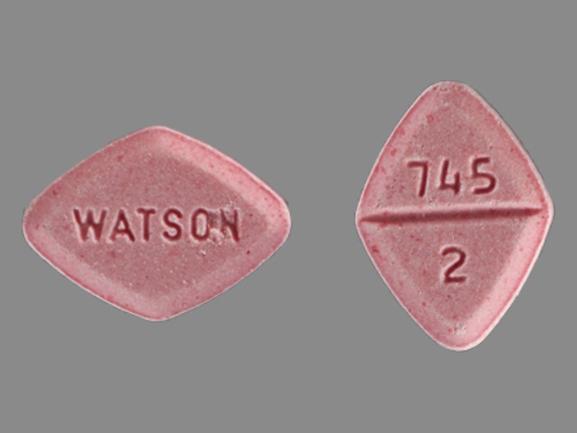
Estazolam Side Effects
Medically reviewed by Drugs.com. Last updated on Dec 24, 2024.
Applies to estazolam: oral tablet.
Important warnings
This medicine can cause some serious health issues
Oral route (tablet)
Warning: Risks From Concomitant Use With Opioids; Abuse, Misuse, and Addiction; and Dependence and Withdrawal Reactions. Concomitant use of benzodiazepines and opioids may result in profound sedation, respiratory depression, coma, and death.Reserve concomitant prescribing of these drugs in patients for whom alternative treatment options are inadequate.
Limit dosages and durations to the minimum required.
Follow patients for signs and symptoms of respiratory depression and sedation.The use of benzodiazepines, including estazolam, exposes users to risks of abuse, misuse, and addiction, which can lead to overdose or death.
Abuse and misuse of benzodiazepines commonly involve concomitant use of other medications, alcohol, and/or illicit substances, which is associated with an increased frequency of serious adverse outcomes.
Before prescribing estazolam and throughout treatment, assess each patient's risk for abuse, misuse, and addiction.The continued use of benzodiazepines, including estazolam, may lead to clinically significant physical dependence.
The risks of dependence and withdrawal increase with longer treatment duration and higher daily dose.
Abrupt discontinuation or rapid dosage reduction of estazolam after continued use may precipitate acute withdrawal reactions, which can be life-threatening.
To reduce the risk of withdrawal reactions, use a gradual taper to discontinue estazolam or reduce the dosage.
Precautions
It is very important that your doctor check your progress at regular visits to make sure this medicine is working properly. Blood tests may be needed to check for unwanted effects.
Using this medicine while you are pregnant can harm your unborn baby. Use an effective form of birth control to keep from getting pregnant. If you think you have become pregnant while using this medicine, tell your doctor right away. Do not breastfeed while you are using this medicine.
Do not take itraconazole (Sporanox®) or ketoconazole (Nizoral®) while you are using this medicine. Taking these medicines together with estazolam may increase the chance of serious side effects.
This medicine may be habit-forming. If you feel that the medicine is not working as well, do not use more than your prescribed dose. Call your doctor for instructions.
This medicine may cause some people, especially older persons, to become drowsy, dizzy, or less alert than they are normally. Even though estazolam is taken at bedtime, it may cause some people to feel drowsy or less alert the next morning. Make sure you know how you react to estazolam before you drive, use machines, or do anything else that could be dangerous if you are dizzy, not alert, or not able to think or see well.
This medicine may cause serious allergic reactions, including anaphylaxis, which can be life-threatening and requires immediate medical attention. Check with your doctor right away if you have a rash, itching, hoarseness, trouble breathing, trouble swallowing, or any swelling of your hands, face, or mouth while you are using this medicine.
Symptoms of an overdose include: change in consciousness, difficult or trouble breathing, difficulty with coordination, irregular, fast or slow, or shallow breathing, loss of consciousness, mood or mental changes, pale or blue lips, fingernails, or skin, sleepiness or unusual drowsiness, or slurred speech. Call your doctor right away if you notice these symptoms.
If you develop any unusual or strange thoughts and behavior while taking estazolam, be sure to discuss it with your doctor. Some changes that have occurred in people taking this medicine are like those seen in people who drink too much alcohol. Other changes might be confusion, worsening of depression, hallucinations (seeing, hearing, or feeling things that are not there), suicidal thoughts, and unusual excitement, nervousness, or irritability.
This medicine may cause sleep-related behaviors including driving a car (sleep-driving), walking (sleep-walking), having sex, making phone calls, or preparing and eating food while you are asleep or not fully awake. If these reactions occur, tell your doctor right away.
This medicine will add to the effects of alcohol and other CNS depressants (medicines that slow down the nervous system, possibly causing drowsiness). Some examples of CNS depressants are antihistamines or medicine for hay fever, other allergies, or colds, sedatives, tranquilizers, or sleeping medicine, prescription pain medicine or narcotics, barbiturates (used for seizures), muscle relaxants, or anesthetics (numbing medicines), including some dental anesthetics. This effect may last for a few days after you Stop taking estazolam. Check with your doctor before taking any of the above while you are using this medicine.
Do not Stop taking estazolam without checking with your doctor first. Your doctor may want you to gradually reduce the amount you are using before stopping it completely. This may help prevent a worsening of your condition and reduce the possibility of withdrawal symptoms, including hallucinations, seizures, stomach or muscle cramps, tremors, or unusual behavior.
Avoid smoking while you are using this medicine.
If your condition does not improve within 7 to 10 days, or if it becomes worse, check with your doctor.
Do not take other medicines unless they have been discussed with your doctor. This includes prescription or nonprescription (over-the-counter [OTC]) medicines and herbal or vitamin supplements.
Serious side effects of estazolam
Along with its needed effects, estazolam may cause some unwanted effects. Although not all of these side effects may occur, if they do occur they may need medical attention.
Check with your doctor immediately if any of the following side effects occur while taking estazolam:
More common side effects
- absence of or decrease in body movement
- clumsiness or unsteadiness
- dizziness
- sleepiness or unusual drowsiness
Less common side effects
- dry mouth
- false beliefs that cannot be changed by facts
- headache
- mood or mental changes
- nausea and vomiting
- poor insight and judgment
- problems with memory or speech
- tiredness
- trouble thinking and planning
- trouble walking
Rare side effects
- aggressive or angry
- blood in the urine
- bloody nose
- bloody, black, or tarry stools
- burning, crawling, itching, numbness, prickling, "pins and needles", or tingling feelings
- chest pain or tightness
- chills
- cough
- crying
- decrease in the amount of urine
- decreased awareness or responsiveness
- decreased reflexes
- deep or fast breathing with dizziness
- difficult urination
- dryness or soreness of throat
- dysphoria
- fainting
- false or unusual sense of well-being
- fast, irregular, pounding, or racing heartbeat or pulse
- fear or nervousness
- feeling of unreality
- feeling of warmth
- fever
- frequent strong or increased urge to urinate
- hoarseness
- increased urge to urinate during the night
- irritability
- lack of feeling or emotion
- loss of bladder control
- loss of memory
- mouth sores or ulcers
- muscle spasm or jerking of all extremities
- noisy breathing
- numbness of the feet, hands, and around mouth
- paranoia
- problems with memory
- quick to react or overreact emotionally
- rapidly changing moods
- redness of the face, neck, arms, and occasionally, upper chest
- restlessness
- seeing, hearing, or feeling things that are not there
- seizures
- sense of detachment from self or body
- severe sleepiness
- severe stomach pain
- shakiness and unsteady walk
- shakiness in the legs, arms, hands, or feet
- skin rash
- sores, ulcers, or white spots on the lips or in the mouth
- sudden loss of consciousness
- swelling
- swollen glands
- swollen lymph nodes
- trouble breathing
- trouble in swallowing
- trouble sleeping
- uncaring
- uncontrolled eye movements
- unsteadiness, trembling, or other problems with muscle control or coordination
- unusual bleeding or bruising
- unusual tiredness or weakness
- voice changes
- waking to urinate at night
Incidence not known
- blistering, peeling, or loosening of the skin
- diarrhea
- fever with or without chills
- general feeling of tiredness or weakness
- itching
- joint or muscle pain
- lower back or side pain
- muscle cramps
- red, irritated eyes
- red skin lesions, often with a purple center
- sleeplessness
- sweating
- unable to sleep
Get emergency help immediately if any of the following symptoms of overdose occur while taking estazolam:
Symptoms of overdose
- change in consciousness
- irregular, fast or slow, or shallow breathing
- pale or blue lips, fingernails, or skin
- slurred speech
Other side effects of estazolam
Some side effects of estazolam may occur that usually do not need medical attention. These side effects may go away during treatment as your body adjusts to the medicine. Also, your health care professional may be able to tell you about ways to prevent or reduce some of these side effects.
Check with your health care professional if any of the following side effects continue or are bothersome or if you have any questions about them:
More common side effects
- lack or loss of strength
Less common side effects
- pain in the legs or feet
Rare side effects
- blemishes on the skin
- bloated
- blurred vision
- burning feeling in the chest or stomach
- change in color vision
- change in taste bad unusual or unpleasant (after) taste
- changes in vision, especially night blindness
- continuing ringing or buzzing or other unexplained noise in the ears
- cramping in the lower stomach, back, or legs
- decreased interest in sexual intercourse
- difficulty having a bowel movement (stool)
- difficulty in moving
- difficulty seeing at night
- double vision
- ear or eye pain
- excess air or gas in stomach or intestines
- full feeling
- glare or snowy image caused by bright light
- hearing loss
- hives or welts
- inability to have or keep an erection
- increased or decreased appetite
- increased sensitivity of eyes to sunlight
- indigestion
- loss in sexual ability, desire, drive, or performance
- muscle pains or stiffness
- pain in the arms, jaw, or neck
- pain or tenderness around the eyes and cheekbones
- pain, swelling, or redness in joints
- passing gas
- pimples
- red, sore eyes
- redness of the skin
- seeing double
- sneezing
- stomach upset or tenderness
- stuffy or runny nose
- swelling of the breasts
- weight gain or loss
- white or brownish vaginal discharge
Incidence not known
- increased sensitivity of skin to sunlight
- redness or other discoloration of skin
- severe sunburn
See also:
For healthcare professionals
Applies to estazolam: oral tablet.
General adverse events
The most commonly reported side effects were somnolence, hypokinesia, dizziness, and abnormal coordination.[Ref]
Hypersensitivity
- Uncommon (0.1% to 1%): Allergic reaction[Ref]
Psychiatric
- Very common (10% or more): Somnolence (42%)
- Common (1% to 10%): Anxiety, depression, abnormal dream, abnormal thinking
- Uncommon (0.1% to 1%): Agitation, apathy, emotional lability, euphoria, hostility, sleep disorder
- Rare (less than 0.1%): Hallucinations[Ref]
Nervous system
- Very common (10% or more): Headache (16%)
- Common (1% to 10%): Hypokinesia, nervousness, dizziness, abnormal coordination, hangover, confusion
- Uncommon (0.1% to 1%): Amnesia, paresthesia, seizure, stupor, twitch
- Rare (less than 0.1%): Ataxia, circumoral paresthesia, decreased reflexes, neuritis, nystagmus, tremor
- Frequency not reported: Minor changes in EEG patterns[Ref]
Hepatic
- Rare (less than 0.1%): Increased SGOT[Ref]
Other
- Very common (10% or more): Asthenia (11%)
- Common (1% to 10%): Malaise, body pain
- Uncommon (0.1% to 1%): Chills, fever, ear pain, perverse taste, tinnitus
- Rare (less than 0.1%): Edema, decreased hearing[Ref]
Respiratory
- Common (1% to 10%): Cold symptoms, pharyngitis
- Uncommon (0.1% to 1%): Asthma, cough, dyspnea, rhinitis, sinusitis
- Rare (less than 0.1%): Epistaxis, hyperventilation, laryngitis[Ref]
Gastrointestinal
- Common (1% to 10%): Constipation, dry mouth, nausea, dyspepsia
- Uncommon (0.1% to 1%): Decreased appetite, flatulence, gastritis, increased appetite, vomiting
- Rare (less than 0.1%): Enterocolitis, melena, ulceration of the mouth[Ref]
Cardiovascular
- Uncommon (0.1% to 1%): Flushing, palpitation
- Rare (less than 0.1%): Arrhythmia, syncope[Ref]
Dermatologic
- Uncommon (0.1% to 1%): Rash, sweating, urticaria
- Rare (less than 0.1%): Acne, dry skin
- Postmarketing reports: Stevens-Johnson syndrome, photosensitivity[Ref]
Endocrine
- Rare (less than 0.1%): Thyroid nodule[Ref]
Genitourinary
- Uncommon (0.1% to 1%): Frequent urination, menstrual cramps, urinary hesitancy, urinary urgency, vaginal discharge/itching
- Rare (less than 0.1%): Swollen breast, decreased libido, hematuria, nocturia, oliguria, penile discharge, urinary incontinence[Ref]
Hematologic
- Rare (less than 0.1%): Leukopenia, purpura, swollen lymph nodes
- Postmarketing reports: Agranulocytosis[Ref]
Metabolic
- Uncommon (0.1% to 1%): Thirst
- Rare (less than 0.1%): Weight gain, weight loss[Ref]
Musculoskeletal
- Common (1% to 10%): Lower extremity pain, back pain, stiffness
- Uncommon (0.1% to 1%): Neck pain, upper extremity pain, arthritis, muscle spasm, myalgia
- Rare (less than 0.1%): Jaw pain, arthralgia[Ref]
Ocular
- Uncommon (0.1% to 1%): Abnormal vision, eye irritation, eye pain, eye swelling, photophobia
- Rare (less than 0.1%): Diplopia, scotomata[Ref]
References
1. (2022) "Product Information. Prosom (estazolam)." Abbott Pharmaceutical
More about estazolam
- Check interactions
- Compare alternatives
- Pricing & coupons
- Reviews (26)
- Drug images
- Latest FDA alerts (2)
- Dosage information
- During pregnancy
- Drug class: benzodiazepines
- Breastfeeding
- En español
Patient resources
Other brands
Professional resources
Other brands
Related treatment guides
Further information
Estazolam side effects can vary depending on the individual. Always consult your healthcare provider to ensure the information displayed on this page applies to your personal circumstances.
Note: Medication side effects may be underreported. If you are experiencing side effects that are not listed, submit a report to the FDA by following this guide.