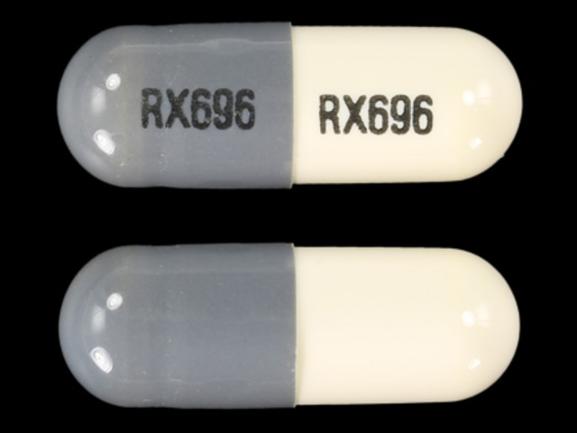
Minocycline (Monograph)
Brand names: Dynacin, Minocin, Myrac
Drug class: Tetracyclines
CAS number: 13614-98-7
Introduction
Antibacterial; semisynthetic tetracycline antibiotic.
Uses for Minocycline
Respiratory Tract Infections
Treatment of respiratory tract infections caused by Mycoplasma pneumoniae.
Treatment of respiratory tract infections caused by Haemophilus influenzae, Streptococcus pneumoniae, or Klebsiella. Should only be used for treatment of infections caused by these bacteria when in vitro susceptibility tests indicate the organism is susceptible.
Acinetobacter Infections
Alternative to imipenem or meropenem for treatment of infections caused by Acinetobacter.
Acne
Adjunctive treatment of moderate to severe inflammatory acne. Not indicated for treatment of noninflammatory acne.
Actinomycosis
Treatment of actinomycosis caused by Actinomyces israelii; oral tetracyclines (usually doxycycline or tetracycline) used as follow-up after initial parenteral penicillin G.
Amebiasis
Adjunct to amebicides for treatment of acute intestinal amebiasis. Tetracyclines not included in current recommendations for treatment of amebiasis caused by Entamoeba.
Anthrax
Alternative to doxycycline for postexposure prophylaxis to reduce the incidence or progression of disease following a suspected or confirmed exposure to aerosolized Bacillus anthracis spores (inhalational anthrax). Initial drug of choice for such prophylaxis is ciprofloxacin or doxycycline; doxycycline is the preferred tetracycline because of ease of administration and proven efficacy in monkey studies.
Alternative to doxycycline for treatment of inhalational anthrax when a parenteral regimen is not available (e.g., supply or logistic problems because large numbers of individuals require treatment in a mass casualty setting). A multiple-drug parenteral regimen (ciprofloxacin or doxycycline and 1 or 2 other anti-infectives predicted to be effective) is preferred for treatment of inhalational anthrax that occurs as the result of exposure to anthrax spores in the context of biologic warfare or bioterrorism.
Bartonella Infections
Treatment of bartonellosis caused by Bartonella bacilliformis.
Brucellosis
Treatment of brucellosis; tetracyclines (usually doxycycline or tetracycline) considered drugs of choice. Tetracyclines used in conjunction with other anti-infectives (e.g., streptomycin or gentamicin and/or rifampin), especially for severe infections or when there are complications (e.g., endocarditis, meningitis, osteomyelitis).
Campylobacter Infections
Treatment of infections caused by Campylobacter. Tetracyclines (usually doxycycline) are alternatives, not drugs of choice for C. jejuni.
Chancroid
Treatment of chancroid caused by Haemophilus ducreyi. Not included in CDC recommendations for treatment of chancroid.
Chlamydial Infections
Treatment of uncomplicated urethral, endocervical, or rectal infections caused by Chlamydia trachomatis. Doxycycline is the preferred tetracycline for treatment of these infections, including presumptive treatment of chlamydial infections in patients with gonorrhea.
Treatment of trachoma and inclusion conjunctivitis caused by C. trachomatis. Consider that anti-infectives may not eliminate C. trachomatis in all cases of chronic trachoma.
Treatment of lymphogranuloma venereum (genital, inguinal, or anorectal infections) caused by C. trachomatis. Doxycycline is the preferred tetracycline for these infections.
Treatment of psittacosis (ornithosis) caused by C. psittaci. Doxycycline and tetracycline are drugs of choice. For initial treatment of severely ill patients, use IV doxycycline.
Clostridium Infections
Alternative for treatment of infections caused by Clostridium. Tetracyclines are alternatives to metronidazole or penicillin G for adjunctive treatment of C. tetani infections.
Enterobacteriaceae Infections
Treatment of infections caused by susceptible Escherichia coli, Enterobacter aerogenes, Klebsiella, or Shigella. Should only be used for treatment of infections caused by these common gram-negative bacteria when other appropriate anti-infectives are contraindicated or ineffective and when in vitro susceptibility tests indicate the organism is susceptible.
Fusobacterium Infections
Alternative to penicillin G for treatment of infections caused by Fusobacterium fusiforme (Vincent’s infection).
Gonorrhea and Associated Infections
Alternative for treatment of uncomplicated gonorrhea (including urethritis) caused by susceptible Neisseria gonorrhoeae. Tetracyclines are considered inadequate therapy and are not recommended by CDC for treatment of gonorrhea.
Granuloma Inguinale (Donovanosis)
Treatment of granuloma inguinale (donovanosis) caused by Calymmatobacterium granulomatis. Doxycycline is the tetracycline recommended as drug of choice by CDC.
Listeria Infections
Alternative for treatment of listeriosis caused by Listeria monocytogenes. Not usually considered a drug of choice or alternative for these infections.
Malaria
Other tetracyclines (doxycycline) used for prevention of malaria; data insufficient to evaluate efficacy of minocycline for malaria prevention. CDC recommends that individuals receiving long-term minocycline therapy (e.g., for acne) who also require doxycycline malaria prophylaxis should discontinue minocycline 1–2 days prior to travel and initiate doxycycline for such prophylaxis; minocycline can be reinitiated after doxycycline malaria prophylaxis is finished.
Mycobacterial Infections
Alternative for use in multiple-drug regimens for treatment of multibacillary leprosy† [off-label]. WHO recommends minocycline as an alternative for multibacillary leprosy regimens in patients who will not accept or cannot tolerate clofazimine and when rifampin cannot be used because of adverse effects, intercurrent disease (e.g., chronic hepatitis), or infection with rifampin-resistant Mycobacterium leprae.
Component of a single-dose rifampin-based multiple-drug regimen (ROM) for treatment of single-lesion paucibacillary leprosy† [off-label] (i.e., a single skin lesion with definite loss of sensation but without nerve trunk involvement). A ROM regimen of a single dose of rifampin, single dose of ofloxacin, and single dose of minocycline is recommended by WHO as an acceptable and cost-effective alternative regimen in antileprosy programs that have detected a large number of patients (e.g., more than 1000 annually) with single-lesion paucibacillary leprosy.
Treatment of cutaneous infections caused by M. marinum; a drug of choice.
Neisseria meningitidis Infections
Elimination of nasopharyngeal carriage of Neisseria meningitidis. CDC and AAP recommend use of rifampin, ceftriaxone, or ciprofloxacin for such carriers and no longer recommend use of minocycline.
Should not be used for treatment of infections caused by N. meningitidis.
Nocardiosis
Tetracyclines are alternative to co-trimoxazole for treatment of nocardiosis† [off-label] caused by Nocardia.
Nongonococcal Urethritis
Treatment of nongonococcal urethritis (NGU) caused by Ureaplasma urealyticum, C. trachomatis, or Mycoplasma. Doxycycline usually is the tetracycline of choice for NGU.
Consider that some cases of recurrent urethritis following treatment may be caused by tetracycline-resistant U. urealyticum.
Plague
Treatment of plague caused by Yersinia pestis. Regimen of choice is streptomycin or gentamicin; alternatives are doxycycline, tetracycline, ciprofloxacin, or chloramphenicol.
Relapsing Fever
Treatment of relapsing fever caused by Borrelia recurrentis. Tetracyclines are drugs of choice.
Rheumatoid Arthritis
Treatment of rheumatoid arthritis† [off-label]. One of several disease-modifying antirheumatic drugs (DMARDs) that can be used when DMARD therapy is appropriate.
Rickettsial Infections
Treatment of rickettsial infections including Rocky Mountain spotted fever, typhus fever and the typhus group, Q fever, rickettsialpox, and tick fevers caused by Rickettsiae. Doxycycline is the drug of choice for most rickettsial infections.
Stenotrophomonas maltophilia Infections
Treatment of infections caused by Stenotrophomonas maltophilia† [off-label]. Alternative to co-trimoxazole.
Syphilis
Alternative to penicillin G for treatment of primary, secondary, latent, or tertiary syphilis (not neurosyphilis) in nonpregnant adults and adolescents hypersensitive to penicillins. Doxycycline and tetracycline are the preferred tetracyclines in patients hypersensitive to penicillins. Use tetracyclines only if compliance and follow-up can be ensured since efficacy not well documented.
Tularemia
Treatment of tularemia caused by Francisella tularensis. Tetracyclines (usually doxycycline) considered alternatives to streptomycin (or gentamicin); risk of relapse and primary treatment failure may be higher than with aminoglycosides.
Vibrio Infections
Treatment of cholera caused by Vibrio cholerae. Doxycycline and tetracycline are drugs of choice; used as an adjunct to fluid and electrolyte replacement in moderate to severe disease.
Yaws
Alternative to penicillin G for treatment of yaws caused by Treponema pertenue.
Minocycline Dosage and Administration
Administration
Administer orally. Has been administered by IV infusion, but parenteral preparations no longer available in US.
Oral Administration
Tablets and pellet-filled capsules should be administered at least 1 hour before or 2 hours after meals. Capsules may be administered with or without food.
Administer capsules, pellet-filled capsules, and tablets with adequate amounts of fluid to reduce the risk of esophageal irritation and ulceration.
The pellet-filled capsules should be swallowed whole.
Dosage
Available as minocycline hydrochloride; dosage expressed in terms of minocycline.
Pediatric Patients
General Pediatric Dosage
Oral
Children >8 years of age: 4 mg/kg initially followed by 2 mg/kg every 12 hours.
Mycobacterial Infections
Leprosy†
OralChildren 5–14 years of age: for treatment of single-lesion paucibacillary leprosy† in certain patient groups, WHO recommends a single-dose ROM regimen that includes a single 300-mg dose of rifampin, a single 200-mg dose of ofloxacin, and a single 50-mg dose of minocycline.
Children <5 years of age: WHO recommends that an appropriately adjusted dose of each drug in the single-dose ROM regimen be used.
Adults
General Adult Dosage
Oral
200 mg initially followed by 100 mg every 12 hours.
Alternatively, if more frequent doses are preferred, 100–200 mg initially followed by 50 mg 4 times daily.
Acne
Oral
50 mg 1–3 times daily.
Chlamydial Infections
Uncomplicated Urethral, Endocervical, or Rectal Infections
Oral100 mg every 12 hours given for ≥7 days.
Gonorrhea and Associated Infections
Uncomplicated Gonorrhea (except Urethritis or Anorectal in Men)
Oral200 mg initially followed by 100 mg every 12 hours given for ≥ 4 days; follow-up cultures should be done within 2–3 days after completion of therapy.
No longer recommended for gonorrhea by CDC or other experts.
Gonococcal Urethritis in Men
Oral100 mg every 12 hours given for 5 days.
No longer recommended for gonorrhea by CDC or other experts.
Mycobacterial Infections
Leprosy†
OralFor treatment of multibacillary leprosy† in those who cannot receive rifampin because of adverse effects, intercurrent disease (e.g., chronic hepatitis), or infection with rifampin-resistant M. leprae, WHO recommends supervised administration of a regimen of clofazimine (50 mg daily), ofloxacin (400 mg daily), and minocycline (100 mg daily) given for 6 months, followed by a regimen of clofazimine (50 mg daily) and minocycline (100 mg daily) given for at least an additional 18 months.
For treatment of multibacillary leprosy in adults who will not accept or cannot tolerate clofazimine, WHO recommends supervised administration of a once-monthly ROM regimen that includes rifampin (600 mg once monthly), ofloxacin (400 mg once monthly), and minocycline (100 mg once monthly) given for 24 months.
For treatment of single-lesion paucibacillary leprosy† in certain patient groups, WHO recommends a single-dose ROM regimen that includes a single 600-mg dose of rifampin, a single 400-mg dose of ofloxacin, and a single 100-mg dose of minocycline.
Mycobacterium marinum Infections
OralManufacturers state optimum dosage has not been established, but 100 mg every 12 hours for 6–8 weeks has been effective.
100 mg twice daily for ≥3 months recommended by ATS for treatment of cutaneous infections. A minimum of 4–6 weeks of treatment usually is necessary to determine whether the infection is responding.
Neisseria meningitidis Infections
N. meningitidis Carriers
Oral100 mg every 12 hours given for 5 days.
Nocardiosis†
Oral
200 mg initially followed by 100 mg every 12 hours given for 12–18 months.
Nongonoccocal Urethritis
Oral
100 mg every 12 hours given for ≥ 7 days.
Rheumatoid Arthritis†
Oral
100 mg twice daily. A benefit may be evident within 1–3 months.
Syphilis
Oral
200 mg initially followed by 100 mg every 12 hours given for 10–15 days. Close follow-up and laboratory tests are recommended.
Vibrio Infections
Cholera
Oral200 mg initially followed by 100 mg every 12 hours given for 2–3 days.
Prescribing Limits
Pediatric Patients
Oral
Do not exceed usual adult dosage.
Special Populations
Renal Impairment
Data insufficient to make recommendations regarding dosage adjustment. Dosage should not exceed 200 mg daily in patients with impaired renal function.
Cautions for Minocycline
Contraindications
-
Known hypersensitivity to minocycline, any tetracycline, or any component in the preparation.
Warnings/Precautions
Warnings
Dental and Bone Effects
Use during tooth development (e.g., pregnancy, children <8 years of age) may cause permanent yellow-gray to brown discoloration of teeth and enamel hypoplasia. Effects are most common following long-term use, but may occur following repeated short-term use.
Tetracyclines form a stable calcium complex in any bone-forming tissue. Reversible decrease in fibula growth rate has occurred in prematures receiving tetracycline.
Use not recommended in children <8 years of age unless other appropriate drugs are ineffective or are contraindicated or unless the benefits in certain indications (e.g., anthrax) outweigh the risks. (See Pediatric Use under Cautions.)
Fetal/Neonatal Morbidity
Animal studies indicate possible fetal toxicity (e.g., retardation of skeletal development) and embryotoxicity. If used during pregnancy or if patient becomes pregnant while receiving minocycline, patient should be apprised of the potential hazard to the fetus. (See Pregnancy under Cautions.)
Nervous System Effects
Possiblility of adverse CNS effects (light-headedness, dizziness, vertigo) that may impair ability to drive vehicles or operate hazardous machinery. Vestibular reactions occur more frequently with minocycline than with other tetracyclines. Symptoms may disappear during therapy and usually rapidly disappear when the drug is discontinued.
Benign intracranial hypertension (pseudotumor cerebri) in adults reported with tetracyclines; usually manifested as headache and blurred vision. Bulging fontanels reported in infants. Effects usually resolve when drug discontinued, but possibility for permanent sequelae exists.
Renal Effects
Tetracyclines have antianabolic effects and may increase BUN.
In patients with impaired renal function, high serum minocycline concentrations may result in azotemia, hyperphosphatemia, and acidosis. Excessive drug accumulation and possible liver toxicity may occur if usual dosage is used in patients with renal impairment. (See Renal Impairment under Dosage and Administration.)
Laboratory Monitoring
Periodically assess organ system function, including renal, hepatic and hematopoietic, during long-term therapy.
Sensitivity Reactions
Photosensitivity Reactions
Photosensitivity, manifested by an exaggerated sunburn reaction, reported with tetracyclines.
Photosensitivity reactions may develop within a few minutes to several hours after sun exposure and usually persist 1–2 days after discontinuance of the drug. Most reactions result from accumulation of tetracyclines in skin and are phototoxic in nature; photoallergic reactions may also occur.
Discontinue drug at first evidence of skin erythema.
Hypersensitivity Reactions
Urticaria, angioneurotic edema, polyarthralgia, anaphylaxis, anaphylactoid purpura, pericarditis, exacerbation of systemic lupus erythematosus and, rarely, pulmonary infiltrates with eosinophilia have been reported. A transient lupus-like syndrome and serum sickness-like reaction also have been reported.
General Precautions
Hepatotoxicity
Hepatotoxicity has been reported. Use with caution in patients with hepatic dysfunction and in those receiving other hepatotoxic drug.
Superinfection
Possible emergence and overgrowth of nonsusceptible bacteria or fungi. Discontinue drug and institute appropriate therapy if superinfection occurs.
Selection and Use of Anti-infectives
To reduce development of drug-resistant bacteria and maintain effectiveness of minocycline and other antibacterials, use only for treatment or prevention of infections proven or strongly suspected to be caused by susceptible bacteria.
When selecting or modifying anti-infective therapy, use results of culture and in vitro susceptibility testing. In the absence of such data, consider local epidemiology and susceptibility patterns when selecting anti-infectives for empiric therapy.
Because many strains of Acinetobacter, Bacteroides, Enterobacter, E. coli, Klebsiella, Shigella, S. pyogenes (group A β-hemolytic streptococci), S. pneumoniae, enterococci, and α-hemolytic streptococci are resistant to tetracyclines (including minocycline), in vitro susceptibility tests should be performed if the drug is used for treatment of infections caused by these bacteria.
Incision and drainage or other surgical procedures should be performed in conjunction with minocycline therapy when indicated.
Specific Populations
Pregnancy
Category D. (See Fetal/Neonatal Morbidity under Cautions.)
Should not be used in pregnant women unless, in the judgment of the clinician, it is essential for the welfare of the patient and benefits outweigh the risks. CDC and others state tetracyclines can be used when necessary for treatment of inhalational anthrax in pregnant women. Since adverse effects on developing teeth and bones are dose-related, CDC suggests the tetracyclines might be used for a short period (7–14 days) before 6 months of gestation; some clinicians recommend periodic liver function testing if used in pregnant women.
Lactation
Distributed into milk; discontinue nursing or the drug.
AAP states maternal use of tetracyclines usually is compatible with breast-feeding since absorption of the drugs by nursing infants is negligible.
Pediatric Use
Should not be used in children <8 years of age unless benefits outweigh the risks. (See Dental and Bone Effects under Cautions.)
Geriatric Use
Insufficient experience in those ≥65 years of age to determine whether they respond differently than younger adults.
Select dosage with caution because of age-related decreases in hepatic, renal, and/or cardiac function and concomitant disease and drug therapy; generally initiate therapy using the low end of the dosing range.
Hepatic Impairment
Use with caution.
Renal Impairment
May result in high serum minocycline concentrations and azotemia, hyperphosphatemia, and acidosis.
Excessive drug accumulation and possible liver toxicity may occur if usual dosage is used in patients with renal impairment. Dosage adjustment necessary in patients with impaired renal function. (See Renal Impairment under Dosage and Administration.)
Monitor serum creatinine and BUN.
Because usual dosage of doxycycline can be used in patients with impaired renal function, it may be preferred when a tetracycline is indicated in a patient with impaired renal function.
Common Adverse Effects
GI effects (anorexia, nausea, vomiting, diarrhea); CNS effects (dizziness, vertigo); hypersensitivity reactions; dose-related BUN increases.
Drug Interactions
Specific Drugs
|
Drug |
Interaction |
Comments |
|---|---|---|
|
Antacids (aluminum-, calcium-, or magnesium-containing) |
Decreased minocycline absorption |
Administer antacids containing aluminum, calcium, or magnesium 1–2 hours before or after minocycline |
|
Anticoagulants, oral |
Possible increased anticoagulant effect; tetracyclines may impair utilization of prothrombin or decrease vitamin K production by intestinal bacteria |
Monitor PT carefully; adjust anticoagulant dosage as needed |
|
Ergot Alkaloids |
Increased risk of ergotism |
|
|
Hormonal contraceptives |
Possible decreased effectiveness of oral contraceptives |
Use alternative nonhormonal contraceptives |
|
Iron-containing preparations |
Possible decreased absorption of minocycline |
Administer minocycline 2 hours before or 3 hours after an oral iron preparation |
|
Isotretinoin |
Possible additive adverse nervous system effects; both minocycline and isotretinoin have been associated with pseudotumor cerebri |
Avoid use of isotretinoin shortly before, during, or after minocycline therapy |
|
Methoxyflurane |
Possible fatal nephrotoxicity |
Concomitant use not recommended |
|
Penicillins |
Possible antagonism |
Concomitant use not recommended |
Minocycline Pharmacokinetics
Absorption
Bioavailability
90–100% absorbed from GI tract in fasting adults; peak serum concentrations attained within 1–4 hours.
Food
GI absorption may be reduced up to 20% by food and/or milk; effect not considered clinically important.
Divalent and trivalent cations, including aluminum, calcium, iron, magnesium, and zinc may decrease oral absorption as a result of chelation with the drug.
Distribution
Extent
Widely distributed into body tissues and fluids.
Only small amounts diffuse into CSF.
Crosses placenta.
Distributed into milk.
Plasma Protein Binding
55–88%.
Elimination
Metabolism
May be partially metabolized to ≥6 metabolites.
Elimination Route
4–19% of an oral dose excreted in urine and 20–34% excreted into feces as active drug.
Half-life
Adults with normal renal function: 11–26 hours.
Special Populations
Patients with impaired hepatic function: half-life 11–16 hours.
Patients with impaired renal function: half-life 12–30 hours. Half-life up to 69 hours has been reported.
Stability
Storage
Oral
Capsules
Capsules: 15–30°C. Protect from light, moisture, and excessive heat.
Pellet-filled capsules: 20–25°C in tight, light-resistant container. Protect from light, moisture, and excessive heat. Discard unused drug by expiration date.
Tablets
20–25°C. Protect from light, moisture, and excessive heat.
Actions and Spectrum
-
Usually bacteriostatic, but may be bactericidal in high concentrations or against highly susceptible organisms.
-
Inhibits protein synthesis in susceptible organisms by reversibly binding to 30S and 50S ribosomal subunits.
-
The complete mechanisms by which tetracyclines reduce acne lesions have not been fully elucidated. The effects appear to result in part from the antibacterial activity of the drugs, but other mechanisms also are involved.
-
Spectrum of activity includes many gram-positive and -negative bacteria and various other organisms (e.g., Rickettsia, Chlamydia, Mycoplasma, spirochetes). Inactive against fungi and viruses.
-
Gram-positive aerobes and anaerobes: Active against Actinomyces israelii, Bacillus anthracis, Clostridium perfringens, C. tetani, Nocardia, Propionibacterium acnes, and some streptococci. Many strains of S. pyogenes and Enterococci are resistant.
-
Gram-negative aerobes and anaerobes: Active against Bartonella bacilliformis, Brucella, Calymmatobacterium granulomatis, Francisella tularensis, Haemophilus ducreyi, H. influenzae, Neisseria gonorrhoeae, Stenotrophomonas maltophilia, Vibrio cholerae, Y. enterocolitica, and Y. pestis. Many strains of Acinetobacter, E. aerogenes, E. coli, Klebsiella, and Shigella and nearly all strains of Proteus and Pseudomonas are resistant.
-
Other organisms: Active against Rickettsia, Coxiella burnetii, Chlamydia psittaci, C. trachomatis, Helicobacter pylori, Mycoplasma hominis, M. pneumoniae, Ureoplasma urealyticum, Borrelia burgdorferi, B. recurrentis, Leptospira, Treponema pallidum, T. pertenue, and Mycobacterium fortuitum. Active against asexual erythrocytic forms of Plasmodium falciparum, but is not gametocidal and not active against exoerythrocytic forms of P. falciparum.
-
Complete cross-resistance usually occurs between minocycline and other tetracyclines (demeclocycline, doxycycline, oxytetracycline, tetracycline).
Advice to Patients
-
Advise patients that antibacterials (including minocycline) should only be used to treat bacterial infections and not used to treat viral infections (e.g., the common cold).
-
Importance of completing full course of therapy, even if feeling better after a few days.
-
Advise patients that skipping doses or not completing the full course of therapy may decrease effectiveness and increase the likelihood that bacteria will develop resistance and will not be treatable with minocycline or other antibacterials in the future.
-
Importance of drinking sufficient quantities of fluids when taking capsules or tablets to reduce the risk of esophageal irritation and ulceration.
-
Advise patients that absorption of some minocycline preparations may be reduced when taken with foods, especially those containing calcium, and that pellet-filled capsules or tablets should be taken at least 1 hour before or 2 hours after meals and/or milk.
-
Advise patients that adverse CNS effects (light-headedness, dizziness, vertigo) may occur and caution should be used when driving vehicles or operating hazardous machinery.
-
Advise patients to avoid excessive sunlight or artificial UV light and to discontinue the drug at the first sign of skin erythema; consider use of sunscreen or sunblock.
-
Advise patients that minocycline may decrease effectiveness of oral contraceptives and that alternative nonhormonal contraceptive measures should be used.
-
Importance of women informing clinicians if they are or plan to become pregnant or plan to breast-feed. (See Fetal/Neonatal Morbidity under Cautions.)
-
Importance of informing clinicians of existing or contemplated therapy, including prescription and OTC drugs.
-
Importance of informing patients of other important precautionary information. (See Cautions.)
Additional Information
The American Society of Health-System Pharmacists, Inc. represents that the information provided in the accompanying monograph was formulated with a reasonable standard of care, and in conformity with professional standards in the field. Readers are advised that decisions regarding use of drugs are complex medical decisions requiring the independent, informed decision of an appropriate health care professional, and that the information contained in the monograph is provided for informational purposes only. The manufacturer’s labeling should be consulted for more detailed information. The American Society of Health-System Pharmacists, Inc. does not endorse or recommend the use of any drug. The information contained in the monograph is not a substitute for medical care.
Preparations
Excipients in commercially available drug preparations may have clinically important effects in some individuals; consult specific product labeling for details.
Please refer to the ASHP Drug Shortages Resource Center for information on shortages of one or more of these preparations.
* available from one or more manufacturer, distributor, and/or repackager by generic (nonproprietary) name
|
Routes |
Dosage Forms |
Strengths |
Brand Names |
Manufacturer |
|---|---|---|---|---|
|
Oral |
Capsules |
50 mg (of minocycline)* |
Minocycline Hydrochloride Capsules |
Global |
|
75 mg (of minocycline)* |
Dynacin |
Medicis |
||
|
Minocycline Hydrochloride Capsules |
Global |
|||
|
100 mg (of minocycline)* |
Dynacin |
Medicis |
||
|
Minocycline Hydrochloride Capsules |
Global |
|||
|
Capsules, pellet-filled |
50 mg (of minocycline) |
Minocin |
Triax |
|
|
100 mg (of minocycline) |
Minocin |
Triax |
||
|
Tablets, film coated |
50 mg (of minocycline)* |
Dynacin (with povidone) |
Medicis |
|
|
Minocycline Hydrochloride Tablets |
Ranbaxy |
|||
|
Myrac |
Glades |
|||
|
75 mg (of minocycline)* |
Dynacin (with povidone) |
Medicis |
||
|
Minocycline Hydrochloride Tablets |
Ranbaxy |
|||
|
Myrac |
Glades |
|||
|
100 mg (of minocycline)* |
Dynacin (with povidone) |
Medicis |
||
|
Minocycline Hydrochloride Tablets |
Ranbaxy |
|||
|
Myrac |
Glades |
AHFS DI Essentials™. © Copyright 2025, Selected Revisions April 10, 2024. American Society of Health-System Pharmacists, Inc., 4500 East-West Highway, Suite 900, Bethesda, Maryland 20814.
† Off-label: Use is not currently included in the labeling approved by the US Food and Drug Administration.
Reload page with references included
Related/similar drugs
Augmentin
Augmentin is a prescription antibiotic combining amoxicillin and clavulanate to treat bacterial ...
Cefdinir
Cefdinir is used for bacterial infection, bronchitis, middle ear infections, pneumonia, sinusitis ...
Humira
Humira is a tumor necrosis factor blocker used to treat many inflammatory conditions in adults ...
Clindamycin
Clindamycin (Cleocin) is used to treat serious infections caused by bacteria. Includes clindamycin ...
Levofloxacin
Levofloxacin is a fluoroquinolone antibiotic used to treat serious bacterial infections and prevent ...
Metronidazole
Metronidazole is an antibiotic used to fight bacteria in your body. Learn about side effects ...
Ceftriaxone
Ceftriaxone is used for bacteremia, bacterial endocarditis prevention, bacterial infection, bone ...
Ciprofloxacin
Ciprofloxacin is an antibiotic belong to a group of drugs called fluoroquinolones. Learn about side ...
Cephalexin
Cephalexin is a cephalosporin antibiotic used to treat bacterial infections like respiratory, skin ...
Azithromycin
Azithromycin is an antibiotic used to treat many different types of infections caused by bacteria ...
Frequently asked questions
More about minocycline
- Check interactions
- Compare alternatives
- Pricing & coupons
- Reviews (564)
- Drug images
- Side effects
- Dosage information
- During pregnancy
- Drug class: tetracyclines
- Breastfeeding
- En español
Patient resources
Professional resources
- Minocycline (EENT) monograph
- Minocycline (FDA)
- Minocycline Capsules (FDA)
- Minocycline Extended Release Tablets (FDA)
- Minocycline Injection (FDA)
- Minocycline Tablets (FDA)
Other brands
Minocin, Emrosi, Solodyn, Minocin for Injection, ... +2 more