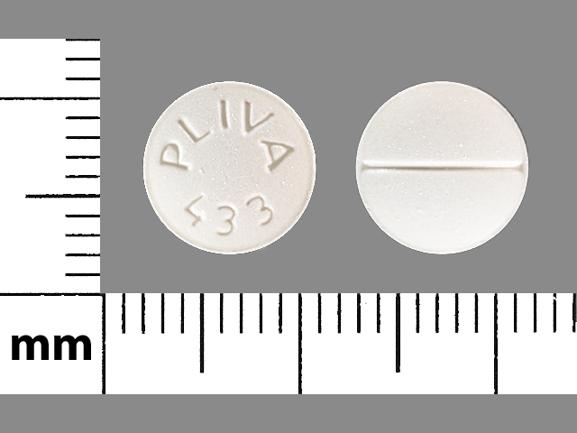
Trazodone Side Effects
Medically reviewed by Drugs.com. Last updated on Oct 10, 2024.
Applies to trazodone: oral tablet, oral tablet extended release.
Other dosage forms:
Important warnings
This medicine can cause some serious health issues
Oral route (tablet, extended release)
Antidepressants increased the risk of suicidal thinking and behavior in children, adolescents, and young adults in short-term studies with major depressive disorder (MDD) and other psychiatric disorders.
Short-term studies did not show an increase in the risk of suicidality with antidepressants compared to placebo in adults beyond age 24, and there was a reduction in risk with antidepressants compared to placebo in adults aged 65 and older.
This risk must be balanced with the clinical need.
Monitor patients closely for clinical worsening, suicidality, or unusual changes in behavior.
Families and caregivers should be advised of the need for close observation and communication with the prescriber.
Not approved for use in pediatric patients.
Oral route (tablet)
Antidepressants increased the risk of suicidal thinking and behavior in children, adolescents, and young adults in short-term studies with major depressive disorder (MDD) and other psychiatric disorders.
Short-term studies did not show an increase in the risk of suicidality with antidepressants compared to placebo in adults beyond age 24, and there was a reduction in risk with antidepressants compared to placebo in adults aged 65 and older.
This risk must be balanced with the clinical need.
Monitor patients closely for clinical worsening, suicidality, or unusual changes in behavior.
Families and caregivers should be advised of the need for close observation and communication with the prescriber.
Not approved for use in pediatric patients.
Precautions
It is very important that your doctor check your progress at regular visits, to allow for changes in your dose and to help manage any unwanted effects.
Do not take trazodone with a monoamine oxidase (MAO) inhibitor (eg, isocarboxazid [Marplan®], phenelzine [Nardil®], selegiline [Eldepryl®], tranylcypromine [Parnate®]). Do not start taking trazodone during the 2 weeks after you stop a MAO inhibitor and wait 2 weeks after stopping trazodone before you start taking a MAO inhibitor. If you take them together or do not wait 2 weeks, you may develop confusion, agitation, restlessness, stomach or intestinal symptoms, a sudden high body temperature, an extremely high blood pressure, or severe convulsions.
Trazodone may cause a serious condition called serotonin syndrome if taken together with some medicines. Do not use trazodone with buspirone (Buspar®), fentanyl (Abstral®, Duragesic®), linezolid (Zyvox®), lithium (Eskalith®, Lithobid®), methylene blue, tryptophan, St. John's wort, or some pain or migraine medicines (eg, sumatriptan, tramadol, Frova®, Maxalt®, Relpax®, Zomig®).
For some teenagers and young adults, this medicine can increase thoughts of suicide. Tell your doctor right away if you start to feel more depressed or have thoughts about hurting yourself or others. Report any unusual thoughts or behaviors that trouble you, especially if they are new or get worse quickly. Make sure the doctor knows if you have trouble sleeping, get upset easily, have a big increase in energy, or start to act reckless. Also tell the doctor if you have sudden or strong feelings, such as feeling nervous, angry, restless, violent, or scared. Let the doctor know if you or anyone in your family have bipolar disorder (manic-depressive disorder) or have tried to commit suicide.
Check with your doctor right away if you have anxiety, restlessness, a fast heartbeat, fever, sweating, muscle spasms, twitching, nausea, vomiting, diarrhea, or see or hear things that are not there. These may be symptoms of serious conditions called serotonin syndrome and neuroleptic malignant syndrome-like reactions. Your risk may be higher if you also take certain other medicines that affect serotonin levels in your body.
Contact your doctor right away if you have any changes in your heart rhythm such as feeling dizzy or faint, or having a fast, pounding, or uneven heartbeat. These could be symptoms of a heart problem called QT prolongation.
Dizziness, lightheadedness, or fainting may occur, especially when you get up suddenly from a lying or sitting position. Getting up slowly may help. If this problem continues or gets worse, check with your doctor.
Do not Stop taking trazodone without first checking with your doctor. Your doctor may want you to gradually reduce the amount you are using before stopping it completely. This may help prevent a worsening of your condition and reduce the possibility of withdrawal symptoms such as anxiety, irritability, restlessness, or trouble sleeping.
This medicine may cause some people to become drowsy or less alert than they are normally. Make sure you know how you react to this medicine before you drive, use machines, or do anything else that could be dangerous if you are not alert.
This medicine will add to the effects of alcohol and other CNS depressants (medicines that make you drowsy or less alert). Some examples of CNS depressants are antihistamines or medicine for allergies or colds, sedatives, tranquilizers or sleeping medicine, prescription pain medicine or narcotics, medicine for seizures or barbiturates, muscle relaxants, or anesthetics, including some dental anesthetics. Check with your doctor before taking any of the above while you are using this medicine.
Before having any kind of surgery, dental treatment, or emergency treatment, tell the medical doctor or dentist in charge that you are using this medicine. Taking trazodone together with anesthetic medicines (numbing medicines) that are used during surgery, dental treatments, or emergency treatments may cause an increase in CNS depressant effects.
Trazodone may cause dry mouth. For temporary relief, use sugarless gum or candy, melt bits of ice in your mouth, or use a saliva substitute. However, if your mouth continues to feel dry for more than 2 weeks, check with your medical doctor or dentist. Continuing dryness of the mouth may increase the chance of dental disease, including tooth decay, gum disease, and fungus infections.
Do not take other medicines unless they have been discussed with your doctor. This includes prescription or nonprescription (over-the-counter [OTC]) medicines and herbal or vitamin supplements.
Serious side effects of trazodone
Along with its needed effects, trazodone may cause some unwanted effects. Although not all of these side effects may occur, if they do occur they may need medical attention.
Check with your doctor immediately if any of the following side effects occur while taking trazodone:
More common side effects
- blurred vision
- confusion
- dizziness
- dizziness, faintness, or lightheadedness when getting up suddenly from a lying or sitting position
- lightheadedness
- sweating
- unusual tiredness or weakness
Less common side effects
- burning, crawling, itching, numbness, prickling, "pins and needles", or tingling feelings
- confusion about identity, place, and time
- decreased concentration
- fainting
- general feeling of discomfort or illness
- headache
- lack of coordination
- muscle tremors
- nervousness
- pounding in the ears
- shortness of breath
- slow or fast heartbeat
- swelling
Rare side effects
- skin rash
- unusual excitement
Other side effects of trazodone
Some side effects of trazodone may occur that usually do not need medical attention. These side effects may go away during treatment as your body adjusts to the medicine. Also, your health care professional may be able to tell you about ways to prevent or reduce some of these side effects.
Check with your health care professional if any of the following side effects continue or are bothersome or if you have any questions about them:
More common side effects
- dry mouth (usually mild)
- muscle or bone pain
- trouble sleeping
- trouble with remembering
- unpleasant taste
Less common side effects
- constipation
- continuing ringing or buzzing or other unexplained noise in the ears
- diarrhea
- hearing loss
- muscle aches or pains
- weight loss
See also:
Auvelity
Auvelity (dextromethorphan and bupropion) is used to treat major depressive disorder. Includes ...
Lexapro
Lexapro is used to treat anxiety and major depressive disorder. Learn about side effects ...
Vraylar
Vraylar is a once a day antipsychotic medication used to treat mental health or mood disorders ...
Zoloft
Zoloft is an antidepressant used to treat major depression, obsessive-compulsive disorder, panic ...
Seroquel
Seroquel is used to treat the symptoms of schizophrenia, bipolar disorder and major depressive ...
Prozac
Prozac (fluoxetine) is an SSRI antidepressant used to treat depression, OCD, panic disorder ...
Cymbalta
Cymbalta (duloxetine) is used to treat major depressive disorder, general anxiety disorder and ...
Wellbutrin
Wellbutrin (bupropion) is used to treat major depressive disorder and seasonal affective disorder ...
Celexa
Celexa (citalopram) is an antidepressant in a group of drugs called selective serotonin reuptake ...
For healthcare professionals
Applies to trazodone: compounding powder, oral solution, oral tablet, oral tablet extended release.
General adverse events
The most commonly reported side effects included drowsiness, dry mouth, dizziness, and lightheadedness.[Ref]
Nervous system
- Very common (10% or more): Drowsiness (up to 41%), dizziness (up to 28%), lightheadedness (up to 28%), headache (up to 20%)
- Common (1% to 10%): Decreased concentration, head full-heavy, incoordination, syncope, tremor
- Frequency not reported: Akathisia, altered taste, convulsion, decreased alertness, dystonia, expressive aphasia, impaired memory, impaired speech, memory disturbance, motor impairment, neuroleptic malignant syndrome, numbness, paresthesia, serotonin syndrome, vertigo
- Postmarketing reports: Aphasia, ataxia, cerebrovascular accident, extrapyramidal symptoms, grand mal seizures, stupor, tardive dyskinesia[Ref]
Drowsiness has occurred during the first few days of treatment, and usually disappeared with continue administration.[Ref]
Gastrointestinal
- Very common (10% or more): Dry mouth (up to 34%), nausea (up to 13%), vomiting (up to 13%)
- Common (1% to 10%): Abdominal disorder, constipation, diarrhea, gastric disorder
- Frequency not reported: Dyspepsia, flatulence, gastroenteritis, hypersalivation, increased salivation, paralytic ileus, stomach pain
- Postmarketing reports: Increased amylase[Ref]
Cardiovascular
- Very common (10% or more): Hypertension (up to 20%)
- Common (1% to 10%): Edema, hypotension
- Frequency not reported: Bradycardia, cardiac arrhythmias, chest pain, ECG abnormalities, increased risk of bleeding, orthostatic hypotension, palpitations, premature ventricular beats, QT prolongation, sinus bradycardia, tachycardia, Torsade de pointes, ventricular couplets, ventricular tachycardia
- Postmarketing reports: Atrial fibrillation, cardiac arrest, cardiospasm, conduction block, congestive heart failure, myocardial infarction, vasodilation, ventricular ectopic activity[Ref]
QT prolongation, Torsade de pointes, and ventricular tachycardia have been reported in patients with doses up to 100 mg/day.[Ref]
Ocular
- Very common (10% or more): Blurred vision (up to 15%)
- Common (1% to 10%): Itching eyes, red eyes, tired eyes
- Frequency not reported: Angle-closure glaucoma, myoclonus
- Postmarketing reports: Diplopia[Ref]
Psychiatric
- Very common (10% or more): Nervousness (up to 15%)
- Common (1% to 10%): Confusion
- Frequency not reported: Activation of mania/hypomania, aggressive reaction, agitation (sometimes exacerbating to delirium), anxiety, cognitive impairment, confusional state, delusions, discontinuation syndrome, hallucinations, hypomania, increased libido, insomnia, libido decreased, mania, nightmares, restlessness, suicidal behavior, suicidal ideation, suicidal thoughts, withdrawal syndrome
- Postmarketing reports: Abnormal dreams, paranoid reaction, psychoses[Ref]
Other
- Very common (10% or more): Fatigue (up to 11%)
- Common (1% to 10%): Aches, malaise, pain
- Frequency not reported: Fever, weakness
- Postmarketing reports: Chills, unexplained death[Ref]
Metabolic
- Common (1% to 10%): Weight gain, weight loss
- Frequency not reported: Anorexia, hyponatremia, increased appetite[Ref]
Respiratory
- Common (1% to 10%): Nasal congestion, sinus congestion
- Frequency not reported: Dyspnea, shortness of breath
- Postmarketing reports: Apnea[Ref]
Dermatologic
- Common (1% to 10%): Skin condition
- Frequency not reported: Hyperhidrosis, pruritus, skin rash
- Postmarketing reports: Alopecia, hirsutism, leuconychia, psoriasis, urticaria[Ref]
Genitourinary
- Frequency not reported: Delayed urine flow, early menses, hematuria, impotence, increased urinary frequency, micturition disorders, missed periods, priapism, retrograde ejaculation
- Postmarketing reports: Breast engorgement, breast enlargement, clitorism, lactation, urinary incontinence, urinary retention[Ref]
Hepatic
- Frequency not reported: Cholestasis intrahepatic, elevated liver enzymes, fulminant hepatitis, hepatic failure with potentially fatal outcome, hepatic function abnormalities, hepatitis, hepatocellular damage, jaundice, severe hepatic disorders
- Postmarketing reports: Cholestasis, hyperbilirubinemia, liver enzyme alterations[Ref]
Hematologic
- Frequency not reported: Agranulocytosis, anemia, blood dyscrasias, eosinophilia, leukopenia, thrombocytopenia
- Postmarketing reports: Hemolytic anemia, leukocytosis, methemoglobinemia[Ref]
Musculoskeletal
- Frequency not reported: Arthralgia, back pain, limb pain, muscle twitches, myalgia[Ref]
Hypersensitivity
- Frequency not reported: Allergic reactions[Ref]
Immunologic
- Frequency not reported: Influenza-like symptoms[Ref]
Endocrine
- Frequency not reported: Syndrome of inappropriate antidiuretic hormone (SIADH) secretion[Ref]
References
1. (2001) "Product Information. Desyrel (trazodone)." Bristol-Myers Squibb
2. Cerner Multum, Inc. "UK Summary of Product Characteristics."
Frequently asked questions
- What are the strongest sleeping pills?
- Trazodone for dogs: Uses, dosage and side effects
- Will trazodone help me sleep?
- Does trazodone cause weight gain?
- How long does trazodone stay in your system?
- Is trazodone a controlled substance?
- How long does it take for trazodone to work?
More about trazodone
- Check interactions
- Compare alternatives
- Pricing & coupons
- Reviews (1,440)
- Drug images
- Latest FDA alerts (2)
- Dosage information
- Patient tips
- During pregnancy
- Support group
- Drug class: phenylpiperazine antidepressants
- Breastfeeding
- En español
Patient resources
Other brands
Desyrel, Oleptro, Desyrel Dividose
Professional resources
Other brands
Related treatment guides
Further information
Trazodone side effects can vary depending on the individual. Always consult your healthcare provider to ensure the information displayed on this page applies to your personal circumstances.
Note: Medication side effects may be underreported. If you are experiencing side effects that are not listed, submit a report to the FDA by following this guide.