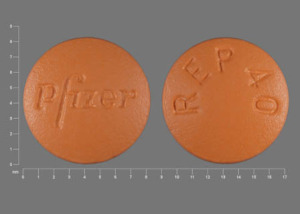
Relpax Side Effects
Generic name: eletriptan
Medically reviewed by Drugs.com. Last updated on Jul 22, 2024.
Note: This document provides detailed information about Relpax Side Effects associated with eletriptan. Some dosage forms listed on this page may not apply specifically to the brand name Relpax.
Applies to eletriptan: oral tablet.
Precautions
It is very important that your doctor check your progress at regular visits. This will allow your doctor to see if the medicine is working properly and to decide if you should continue to take it.
Check with your doctor if you used this medicine and your migraine did not go away, or if your migraine got worse or started occurring more often.
This medicine may cause problems if you have heart disease. If your doctor thinks you might have a problem with this medicine, he or she may want you to take your first dose in the doctor’s office or clinic.
This medicine may increase your risk of having abnormal heart rhythm, heart attack, angina, or stroke. This is more likely to occur if you or a family member already has heart disease, if you have diabetes, high blood pressure, high cholesterol, if you smoke, if you are male and over 40 years of age, or if you are female and have gone through menopause. Call your doctor right away if you have any symptoms of a heart problem, such as chest pain or discomfort, an uneven heartbeat, nausea or vomiting, pain or discomfort in the shoulders, arms, jaw, back, or neck, shortness of breath, or sweating. Call your doctor right away if you have any symptoms of a stroke, such as confusion, difficulty with speaking, double vision, headaches, an inability to move the arms, legs, or facial muscles, an inability to speak, or slow speech.
You should not take this medicine if you have used other triptan or ergot-type migraine medicines within the past 24 hours. Some examples of triptan medicines are almotriptan (Axert®), frovatriptan (Frova®), naratriptan (Amerge®), rizatriptan (Maxalt®), sumatriptan (Imitrex®, Treximet®), or zolmitriptan (Zomig®). Some examples of ergot-type medicines are dihydroergotamine (D.H.E. 45®, Migranal®), ergotamine (Bellergal®, Cafergot®, Ergomar®, Wigraine®), or methysergide (Sansert®).
Do not use this medicine if you have taken clarithromycin (Biaxin®), itraconazole (Sporanox®), ketoconazole (Nizoral®), nefazodone (Serzone®), nelfinavir (Viracept®), ritonavir (Norvir®, Kaletra®), or troleandomycin (Tao®) in the past 72 hours.
Check with your doctor right away if you have chest discomfort, jaw or neck tightness after taking this medicine. Also, tell your doctor if you have sudden or severe abdominal or stomach pain or bloody diarrhea after using this medicine.
Make sure your doctor knows about all the other medicines you are using. Eletriptan may cause a serious condition called serotonin syndrome when taken with some medicines. This includes medicines to treat depression, such as citalopram (Celexa®), duloxetine (Cymbalta®), escitalopram (Lexapro®), fluoxetine (Prozac®, Sarafem®, Symbyax®), fluvoxamine (Luvox®), olanzapine (Zyprexa®), paroxetine (Paxil®), sertraline (Zoloft®), or venlafaxine (Effexor®). Check with your doctor right away if you have agitation, confusion, diarrhea, excitement while talking that is not normal, fever, overactive reflexes, poor coordination, restlessness, shivering, sweating, trembling or shaking that you cannot control, or twitching. These could be symptoms of serotonin syndrome.
This medicine may cause serious allergic reactions, including anaphylaxis. Anaphylaxis can be life-threatening and requires immediate medical attention. Call your doctor right away if you have a rash, itching, trouble breathing, trouble swallowing, or any swelling of your hands, face, or mouth while you are using this medicine.
Using eletriptan (the active ingredient contained in Relpax) alone or in combination with other migraine medicines for 10 or more days per month may lead to worsening of headache. You may keep a headache diary to record your headache frequency and drug use.
Check with your doctor right away if you have blurred vision, difficulty with reading, or any other change in vision while you are using this medicine. Your doctor may want you to have your eyes checked by an ophthalmologist (eye doctor).
Some people feel drowsy or dizzy during or after a migraine, or after taking eletriptan to relieve a migraine. As long as you are feeling drowsy or dizzy, do not drive, use machines, or do anything else that could be dangerous until you know how this medicine affects you.
Do not take other medicines unless they have been discussed with your doctor. This includes prescription or nonprescription (over-the-counter [OTC]) medicines and herbal or vitamin supplements.
Common side effects of Relpax
Some side effects of eletriptan may occur that usually do not need medical attention. These side effects may go away during treatment as your body adjusts to the medicine. Also, your health care professional may be able to tell you about ways to prevent or reduce some of these side effects.
Check with your health care professional if any of the following side effects continue or are bothersome or if you have any questions about them:
More common side effects
- lack or loss of strength
- sleepiness or unusual drowsiness
Less common side effects
- acid or sour stomach
- belching
- burning, crawling, itching, numbness, prickling, “pins and needles”, or tingling feelings
- dry mouth
- heartburn
- indigestion
- stomach soreness or discomfort
- stomach upset
Serious side effects of Relpax
Along with its needed effects, eletriptan may cause some unwanted effects. Although not all of these side effects may occur, if they do occur they may need medical attention.
Check with your doctor immediately if any of the following side effects occur while taking eletriptan:
Less common side effects
- chest pain or tightness
- difficulty with swallowing
- tightness in the throat
Rare side effects
- chest discomfort
- dizziness
- headache
- nausea
- nosebleeds
- numbness or tingling in the face, arms or legs
- pain or discomfort in the arms, jaw, back or neck
- sweating
- vision problems
- vomiting
Incidence not known
- abdominal or stomach pain
- agitation
- bloody diarrhea
- confusion
- cough
- diarrhea
- difficulty in speaking
- fainting
- fast, slow, pounding, or irregular heartbeat or pulse
- fever
- inability to move arms, legs, or facial muscles
- overactive reflexes
- pain in the arms legs, or lower back, especially pain in calves or heels upon exertion
- pale, bluish-colored, or cold hands or feet
- paleness or cold feeling in fingertips and toes
- poor coordination
- puffiness or swelling of the eyelids or around the eyes, face, lips, or tongue
- restlessness
- seizures
- severe or sudden headache
- shivering
- skin rash, hives, or itching
- slurred speech
- sudden loss of coordination
- sweating
- talking or acting with excitement you cannot control
- tingling or pain in the fingers or toes when exposed to cold
- trembling or shaking
- twitching
- unusual tiredness or weakness
- weak or absent pulses in the legs
- weakness in the arm or leg on one side of the body, sudden and severe
See also:
Ubrelvy
Ubrelvy (ubrogepant) tablets are used for the acute treatment of migraine. Includes Ubrelvy side ...
Nurtec ODT
Nurtec ODT (rimegepant) is used to treat acute migraines and prevent episodic migraines, by ...
Qulipta
Qulipta is used to help prevent episodic or chronic migraine headaches in adults. Qulipta is an ...
Celebrex
Celebrex is a nonsteroidal anti-inflammatory drug used to treat pain or inflammation. Learn about ...
Botox
Botox is used cosmetically to reduce facial lines and wrinkles and for medical purposes for ...
Verapamil
Verapamil is used to treat hypertension (high blood pressure), angina (chest pain), and certain ...
Sumatriptan
Sumatriptan is a prescription medicine used to treat acute migraine headaches and cluster ...
Metoclopramide
Metoclopramide is used short-term to treat heartburn caused by gastroesophageal reflux. Learn about ...
Celecoxib
Celecoxib is a nonsteroidal anti-inflammatory drug (NSAID) used to treat pain or inflammation ...
Topiramate
Learn about topiramate, an anticonvulsant used for seizures, migraine prevention, and weight loss ...
For healthcare professionals
Applies to eletriptan: oral tablet.
General adverse events
The most commonly reported adverse events have included asthenia, nausea, dizziness, and somnolence.[Ref]
Cardiovascular
- Common (1% to 10%): Chest tightness/pain/pressure, palpitation
- Uncommon (0.1% to 1%): Hypertension, peripheral vascular disorder, tachycardia
- Rare (0.01% to 0.1%): Angina pectoris, arrhythmia, atrial fibrillation, AV block, bradycardia, hypotension, syncope, thrombophlebitis, vasospasm, shock
- Very rare (less than 0.01%): Acute myocardial infarction, ventricular tachycardia, ventricular fibrillation, coronary artery vasospasm, transient myocardial ischemia
- Frequency not reported: Edema[Ref]
Transient, dose-related increases in blood pressure (BP) have been observed, particularly in the elderly and among patients with renal impairment, and predominantly increases to diastolic BP. One patients with hepatic cirrhosis experienced a BP of 220/96 mmHg 5 hours after a receiving an 80 mg dose.[Ref]
Gastrointestinal
- Common (1% to 10%): Abdominal pain/discomfort/stomach pain/cramps/pressure, dry mouth, dyspepsia, nausea
- Uncommon (0.1% to 1%): Dysphagia, throat tightness/difficulty swallowing, anorexia, constipation, diarrhea, eructation, esophagitis, flatulence, gastritis, gastrointestinal disorder, glossitis, increased salivation
- Rare (0.01% to 0.1%): Enlarged abdomen, halitosis, gingivitis, hematemesis, stomatitis, tongue disorder, tongue edema, tooth disorder
- Postmarketing reports: Ischemic colitis, vomiting[Ref]
Nervous system
- Common (1% to 10%): Paresthesia, dizziness, somnolence, headache, hypertonia, hyperesthesia, myasthenia
- Uncommon (0.1% to 1%): Ataxia, incoordination, speech disorder, stupor, tremor, taste perversion
- Rare (0.01% to 0.1%): Abnormal gait, aphasia, dystonia, hemiplegia, hyperalgesia, hypokinesia, neuropathy, paralysis, twitching, parosmia
- Frequency not reported: Serotonin syndrome
- Postmarketing reports: Seizure, cerebrovascular accident[Ref]
Hypersensitivity
- Postmarketing reports: Allergic reactions including angioedema[Ref]
Endocrine
- Rare (0.01% to 0.1%): Goiter, thyroid adenoma, thyroiditis, breast pain[Ref]
Hematologic
- Rare (0.01% to 0.1%): Anemia, leukopenia, purpura, lymphadenopathy[Ref]
Metabolic
- Uncommon (0.1% to 1%): Thirst
- Rare (0.01% to 0.1%): Increased appetite, weight gain, weight loss[Ref]
Musculoskeletal
- Common (1% to 10%): Back pain[Ref]
Respiratory
- Common (1% to 10%): Pharyngitis, throat tightness
- Uncommon (0.1% to 1%): Asthma, dyspnea, respiratory disorder, respiratory tract infection, rhinitis, voice alteration, yawn
- Rare (0.01% to 0.1%): Bronchitis, choking sensation, increased cough, epistaxis, hyperventilation, laryngitis, sinusitis, increased sputum[Ref]
Dermatologic
- Common (1% to 10%): Sweating
- Uncommon (0.1% to 1%): Face edema, pruritus, rash, skin disorder
- Rare (0.01% to 0.1%): Alopecia, dry skin, eczema, exfoliative dermatitis, maculopapular rash, psoriasis, skin discoloration, skin hypertrophy, urticaria[Ref]
Ocular
- Uncommon (0.1% to 1%): Abnormal vision, conjunctivitis, eye pain, lacrimation disorder, photophobia
- Rare (0.01% to 0.1%): Oculogyric crisis, dry eyes, eye hemorrhage, ptosis, diplopia, abnormality of accommodation[Ref]
Other
- Common (1% to 10%): Asthenia, flushing/feeling of warmth, chills, malaise, vertigo
- Uncommon (0.1% to 1%): Ear pain, tinnitus
- Rare (0.01% to 0.1%): Fever, hypothermia, otitis media[Ref]
Genitourinary
- Uncommon (0.1% to 1%): Impotence, polyuria, urinary frequency, urinary tract disorder
- Rare (0.01% to 0.1%): Menstrual disorder, menorrhagia, vaginitis[Ref]
Psychiatric
- Uncommon (0.1% to 1%): Abnormal dreams, agitation, anxiety, apathy, depersonalization, depression, emotional lability euphoria, insomnia, nervousness
- Rare (0.01% to 0.1%): Amnesia, catatonic reaction, hallucinations, manic reaction, hysteria, neurosis, psychotic depression, sleep disorder[Ref]
References
1. (2003) "Product Information. Relpax (eletriptan)." Pfizer U.S. Pharmaceuticals
2. Cerner Multum, Inc. "UK Summary of Product Characteristics."
3. Cerner Multum, Inc. "Australian Product Information."
More about Relpax (eletriptan)
- Check interactions
- Compare alternatives
- Pricing & coupons
- Reviews (153)
- Drug images
- Dosage information
- During pregnancy
- Generic availability
- Drug class: antimigraine agents
- Breastfeeding
- En español
Patient resources
Professional resources
Related treatment guides
Further information
Relpax side effects can vary depending on the individual. Always consult your healthcare provider to ensure the information displayed on this page applies to your personal circumstances.
Note: Medication side effects may be underreported. If you are experiencing side effects that are not listed, submit a report to the FDA by following this guide.