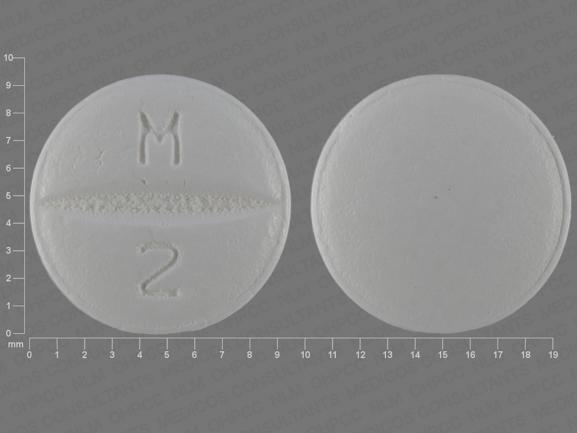
Metoprolol Side Effects
Medically reviewed by Drugs.com. Last updated on Aug 30, 2024.
Applies to metoprolol: oral capsule extended release, oral tablet, oral tablet extended release.
Other dosage forms:
Important warnings
This medicine can cause some serious health issues
Oral route (tablet)
Ischemic Heart Disease. Do not abruptly discontinue metoprolol tartrate tablets USP therapy in patients with coronary artery disease.
Severe exacerbation of angina, myocardial infarction and ventricular arrhythmias have been reported in patients with coronary artery disease following the abrupt discontinuation of therapy with beta-blockers.
When discontinuing chronically administered metoprolol tartrate tablets USP, particularly in patients with coronary artery disease, the dosage should be gradually reduced over a period of 1 to 2 weeks and the patient should be carefully monitored.
If angina markedly worsens or acute coronary insufficiency develops, metoprolol tartrate tablets USP administration should be reinstated promptly, at least temporarily, and other measures appropriate for the management of unstable angina should be taken.
Patients should be warned against interruption or discontinuation of therapy without the physician’s advice.
Because coronary artery disease is common and may be unrecognized, it may be prudent not to discontinue metoprolol tartrate tablets USP therapy abruptly even in patients treated only for hypertension.
Precautions
It is very important that your doctor check your progress at regular visits to make sure this medicine is working properly. Blood tests may be needed to check for unwanted effects.
Metoprolol may worsen the symptoms of heart failure in some patients. Check with your doctor right away if you are having chest pain or discomfort, dilated neck veins, extreme fatigue, irregular breathing or heartbeat, swelling of the face, fingers, feet, or lower legs, trouble breathing, or weight gain.
Some men who use this medicine may cause erectile dysfunction. Check with your doctor right away if you have decreased interest in sexual intercourse, inability to have or keep an erection, or loss in sexual ability, drive, or performance. If you have questions about this, talk to your doctor.
Do not suddenly Stop taking metoprolol without first checking with your doctor. Your doctor may want you to gradually reduce the amount you are taking before stopping it completely. Some conditions may become worse when the medicine is stopped suddenly, which can be dangerous.
This medicine may cause changes in blood sugar levels. Also, this medicine may cover up the symptoms of low blood sugar (including fast heartbeat) and increase the risk for serious or prolonged hypoglycemia (low blood sugar). Check with your doctor if you notice a change in your normal symptoms or a change in the results of your blood or urine sugar tests. Call your doctor right away if you have anxiety, blurred vision, chills, cold sweats, coma, confusion, cool, pale skin, depression, dizziness, fast heartbeat, headache, increased hunger, nausea, nervousness, nightmares, seizures, shakiness, slurred speech, or unusual tiredness or weakness.
Make sure any doctor or dentist who treats you knows that you are using this medicine. Do not Stop taking metoprolol before surgery without your doctor's approval.
This medicine may cause some people to become less alert than they are normally. If this side effect occurs, do not drive, use machines, or do anything else that could be dangerous if you are not alert while taking metoprolol.
Dizziness, lightheadedness, or even fainting may occur when you get up suddenly from a lying or sitting position. Getting up slowly may help lessen this problem. Also, lying down for a while may relieve the dizziness or lightheadedness.
Avoid drinking alcohol while you are using the extended-release capsules.
Do not take other medicines unless they have been discussed with your doctor. This includes prescription or nonprescription (over-the-counter [OTC]) medicines for appetite control, asthma, colds, cough, hay fever, or sinus problems, since they may increase your blood pressure.
Serious side effects of metoprolol
Along with its needed effects, metoprolol may cause some unwanted effects. Although not all of these side effects may occur, if they do occur they may need medical attention.
Check with your doctor immediately if any of the following side effects occur while taking metoprolol:
More common side effects
- blurred vision
- chest pain or discomfort
- confusion
- dizziness, faintness, or lightheadedness when getting up suddenly from a lying or sitting position
- slow or irregular heartbeat
- sweating
- unusual tiredness or weakness
Less common side effects
- bloating or swelling of the face, arms, hands, lower legs, or feet
- chest tightness
- cough
- decreased urine output
- difficult or labored breathing
- difficulty with speaking
- dilated neck veins
- disturbed color perception
- double vision
- fast, pounding, or racing heartbeat or pulse
- halos around lights
- headache
- inability to move the arms, legs, or facial muscles
- inability to speak
- irregular breathing
- loss of vision
- night blindness
- noisy breathing
- overbright appearance of lights
- pain, tension, and weakness upon walking that subsides during periods of rest
- paleness or cold feeling in the fingertips and toes
- rapid weight gain
- seeing, hearing, or feeling things that are not there
- short-term memory loss
- slow speech
- swelling of the face, fingers, feet, or lower legs
- tingling of the hands or feet
- tingling or pain in the fingers or toes when exposed to cold temperatures
- trouble breathing
- tunnel vision
- unusual weight gain or loss
Rare side effects
- bluish color of the skin of the fingers or toes
- chills
- clay-colored stools
- continuing loss of appetite
- continuing or severe abdominal or stomach pain
- continuing or severe nausea and vomiting
- dark urine
- difficulty with moving
- fever
- hoarseness
- increased frequency of urination
- itching skin
- light-colored stools
- lower back or side pain
- muscle pain or stiffness
- numbness of the fingers or toes
- pain, swelling, or redness in the joints
- rash
- sore throat
- sores, ulcers, or white spots on the lips or in the mouth
- unpleasant breath odor
- unusual bleeding or bruising
- upper right abdominal or stomach pain
- vomiting of blood
- weakness
- yellow eyes and skin
Incidence not known
- black, tarry stools
- bleeding gums
- blood in the urine or stools
- burning, crawling, itching, numbness, prickling, "pins and needles", or tingling feelings
- cool, sweaty skin
- pinpoint red spots on the skin
Get emergency help immediately if any of the following symptoms of overdose occur while taking metoprolol:
Symptoms of overdose
- bluish color of the fingernails, lips, skin, palms, or nail beds
- change in consciousness
- loss of consciousness
- no blood pressure or pulse
- stopping of the heart
- very drowsy or sleepy
Other side effects of metoprolol
Some side effects of metoprolol may occur that usually do not need medical attention. These side effects may go away during treatment as your body adjusts to the medicine. Also, your health care professional may be able to tell you about ways to prevent or reduce some of these side effects.
Check with your health care professional if any of the following side effects continue or are bothersome or if you have any questions about them:
Less common side effects
- belching
- bloated feeling
- decreased interest in sexual intercourse
- difficulty having a bowel movement
- discouragement
- dry mouth
- excess air or gas in stomach or bowels
- feeling of constant movement of self or surroundings
- feeling of fullness
- feeling of indigestion
- feeling sad or empty
- inability to have or keep an erection
- irritability
- loss in sexual ability, desire, drive, or performance
- loss of interest or pleasure
- nightmares
- pain in the chest below the breastbone
- passing gas
- redness or other discoloration of the skin
- runny or stuffy nose
- sensation of spinning
- sneezing
- tiredness
- trouble concentrating
- trouble sleeping
Rare side effects
- bone pain
- continuing ringing or buzzing or other unexplained noise in the ears
- dry eyes
- hair loss or thinning of the hair
- hearing loss
- increased sensitivity of the skin to sunlight
- pain in the penis on erection
- severe sunburn
Incidence not known
- change in taste or bad, unusual, or unpleasant (after) taste
- fear or nervousness
- hives or welts
For healthcare professionals
Applies to metoprolol: compounding powder, injectable solution, oral capsule extended release, oral solution, oral tablet, oral tablet extended release.
General adverse events
The most common adverse reactions were tiredness, dizziness, depression, shortness of breath, bradycardia, hypotension, diarrhea, pruritus, and rash.[Ref]
Cardiovascular
- Very common (10% or more): Heart failure (up to 27.5%), hypotension (systolic blood pressure less than 90 mmHg) (up to 27.4%), bradycardia (heart rate less than 40 beats per minute) (up to 15.9%),
- Common (1% to 10%): Cold extremities, arterial insufficiency, palpitation, first degree heart block (P-R interval 0.26 seconds or greater), second or third degree heart block, postural disorders
- Uncommon (0.1% to 1%): Cardiogenic shock in patients with acute myocardial infarction
- Rare (0.01% to 0.1%): Disturbances of cardiac conduction, cardiac arrhythmia
- Very rare (less than 0.01%): Intermittent claudication increased
- Frequency not reported: Claudication[Ref]
Gastrointestinal
- Common (1% to 10%): Diarrhea, nausea, dry mouth, gastric pain, constipation, flatulence, heartburn, abdominal pain, vomiting
- Frequency not reported: Retroperitoneal fibrosis[Ref]
Other
- Common (1% to 10%): Tiredness, peripheral edema, accident and/or injury, death, fatigue
- Uncommon (0.1% to 1%): Edema, precordial pain
- Frequency not reported: Lactic dehydrogenase elevated
- Postmarketing reports: Chest pain[Ref]
Nervous system
- Common (1% to 10%): Dizziness, vertigo, stroke, headache
- Uncommon (0.1% to 1%): Paresthesia, somnolence, impaired concentration
- Rare (0.01% to 0.1%): Alertness decreased
- Very rare (less than 0.01%): Amnesia/memory impairment, tinnitus, taste disturbance
- Frequency not reported: Short-term memory loss
- Postmarketing reports: Syncope[Ref]
Respiratory
- Common (1% to 10%): Shortness of breath, wheezing, dyspnea
- Rare (less than 0.1%): Rhinitis[Ref]
Dermatologic
- Common (1% to 10%): Pruritus, rash
- Uncommon (0.1% to 1%): Sweating increased
- Rare (0.01% to 0.1%): Loss of hair
- Very rare (less than 0.01%): Photosensitivity reactions, psoriasis aggravated, gangrene in patients with preexisting severe peripheral circulatory disorders, hyperhidrosis, alopecia[Ref]
Psychiatric
- Common (1% to 10%): Depression
- Uncommon (0.1% to 1%): Insomnia, nightmare
- Rare (0.01% to 0.1%): Nervousness, anxiety
- Very rare (less than 0.01%): Confusion, hallucination, personality disorder, disturbances of libido
- Frequency not reported: Sleep disturbance[Ref]
Musculoskeletal
- Uncommon (0.1% to 1%): Muscle cramps
- Very rare (less than 0.01%): Arthralgia, arthritis
- Frequency not reported: Musculoskeletal pain[Ref]
Metabolic
- Uncommon (0.1% to 1%): Weight gain
- Frequency not reported: Unstable diabetes
- Postmarketing reports: Blood triglycerides increased, high density lipoprotein (HDL) decreased[Ref]
Ocular
- Rare (less than 0.1%): Visual disturbance, dry and/or irritated eyes, conjunctivitis
- Frequency not reported: Blurred vision[Ref]
Hepatic
- Rare (0.01% to 0.1%): Liver function test abnormalities
- Very rare (less than 0.01%): Hepatitis
- Frequency not reported: Transaminase elevated, alkaline phosphatase elevated
- Postmarketing reports: Jaundice, non-specific hepatic dysfunction[Ref]
Genitourinary
- Rare (0.01% to 0.1%): Impotence/sexual dysfunction
- Very rare (less than 0.01%): Peyronie's disease[Ref]
Immunologic
- Rare (less than 0.1%): Positive antinuclear antibodies[Ref]
Hematologic
- Very rare (less than 0.01%): Thrombocytopenia
- Frequency not reported: Agranulocytosis[Ref]
See also:
Propranolol
Propranolol is a beta-blocker that is used to treat tremors, chest pain, high blood pressure, heart ...
Jardiance
Jardiance (empagliflozin) is used to treat type 2 diabetes, chronic kidney disease and reduce the ...
Botox
Botox is used for cosmetic purposes and to treat overactive bladder symptoms, urinary incontinence ...
Hydrochlorothiazide
HCTZ (hydrochlorothiazide) used to treat high blood pressure (hypertension) and edema. Includes ...
Clopidogrel
Clopidogrel systemic is used for acute coronary syndrome, acute coronary syndrome, prophylaxis ...
Carvedilol
Carvedilol (Coreg) is used to treat heart failure and hypertension (high blood pressure). Includes ...
Spironolactone
Spironolactone is a potassium-sparing diuretic that is primarily used to treat heart failure, high ...
Furosemide
Furosemide is a loop diuretic used to treat fluid retention and high blood pressure by increasing ...
Aspirin
Aspirin is used to treat mild to moderate pain and to reduce fever or inflammation. Learn about ...
References
1. (2001) "Product Information. Lopressor (metoprolol)." Novartis Pharmaceuticals
2. Cerner Multum, Inc. "UK Summary of Product Characteristics."
3. Cerner Multum, Inc. "Australian Product Information."
Frequently asked questions
- What is the best time of day to take blood pressure medication?
- Does metoprolol lower resting heart rate?
- Metoprolol Succinate vs Tartrate: What's the difference between them?
- Does metoprolol make you sleepy?
- Does metoprolol cause hair loss?
- How long does Metoprolol stay in your system after you stop taking it?
- How long does it take for metoprolol to work?
- Which is safer: metoprolol succinate or tartrate?
- Is Metoprolol a blood thinner?
More about metoprolol
- Check interactions
- Compare alternatives
- Reviews (653)
- Drug images
- Dosage information
- Patient tips
- During pregnancy
- Support group
- Drug class: cardioselective beta blockers
- Breastfeeding
- En español
Patient resources
- Metoprolol drug information
- Metoprolol (Intravenous) (Advanced Reading)
- Metoprolol Extended-Release Tablets
Other brands
Professional resources
- Metoprolol monograph
- Metoprolol (FDA)
- Metoprolol Succinate (FDA)
- Metoprolol Succinate ER Capsules (FDA)
- Metoprolol Succinate ER Tablets (FDA)
Other brands
Toprol-XL, Lopressor, Kapspargo Sprinkle
Related treatment guides
Further information
Metoprolol side effects can vary depending on the individual. Always consult your healthcare provider to ensure the information displayed on this page applies to your personal circumstances.
Note: Medication side effects may be underreported. If you are experiencing side effects that are not listed, submit a report to the FDA by following this guide.