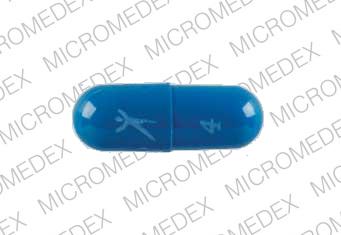
Detrol LA Side Effects
Generic name: tolterodine
Medically reviewed by Drugs.com. Last updated on Feb 26, 2025.
Note: This document provides detailed information about Detrol LA Side Effects associated with tolterodine. Some dosage forms listed on this page may not apply specifically to the brand name Detrol LA.
Applies to tolterodine: oral capsule extended release, oral tablet.
Precautions
It is very important that your doctor check your progress at regular visits. This will allow your doctor to see if the medicine is working properly and to decide if you should continue to take it.
Tolterodine may cause serious types of allergic reactions, including anaphylaxis and angioedema. Anaphylaxis and angioedema can be life-threatening and require immediate medical attention. Stop using this medicine and call your doctor right away if you have a rash; itching; hoarseness; lightheadedness, dizziness, or fainting; trouble breathing; trouble swallowing; or any swelling of your hands, face, mouth, or throat after using this medicine.
This medicine may cause some people to become dizzy, drowsy, or have blurred vision. Make sure you know how you react to this medicine before you drive, use machines, or do anything else that could be dangerous if you are dizzy, not alert, or not able to see well.
This medicine may cause dryness in the mouth, nose, and throat. For temporary relief of mouth dryness, use sugarless candy or gum, melt bits of ice in your mouth, or use a saliva substitute. However, if your mouth continues to feel dry for more than 2 weeks, check with your medical doctor or dentist. Continuing dryness of the mouth may increase the chance of dental disease, including tooth decay, gum disease, and fungus infections.
Do not take other medicines unless they have been discussed with your doctor. This includes prescription or nonprescription (over-the-counter [OTC]) medicines and herbal or vitamin supplements.
Serious side effects of Detrol LA
Along with its needed effects, tolterodine (the active ingredient contained in Detrol LA) may cause some unwanted effects. Although not all of these side effects may occur, if they do occur they may need medical attention.
Check with your doctor immediately if any of the following side effects occur while taking tolterodine:
More common side effects
- abnormal vision, including difficulty with adjusting to distances
- bloody or cloudy urine
- difficult, burning, or painful urination
- frequent urge to urinate
Less common side effects
- chest pain
- chills
- cough
- diarrhea
- fever
- general feeling of discomfort or illness
- headache
- joint pain
- loss of appetite
- muscle aches and pains
- nausea
- pain or tenderness around the eyes and cheekbones
- shivering
- shortness of breath or troubled breathing
- sore throat
- stuffy or runny nose
- sweating
- tightness of the chest or wheezing
- trouble with sleeping
- vomiting
Incidence not known
- being forgetful
- bloating or swelling of the face, arms, hands, ankles, lower legs, or feet
- confusion about identity, place, and time
- difficulty with swallowing
- dizziness
- fast, pounding, or irregular heartbeat or pulse
- hives
- itching
- large, hive-like swelling on the face, eyelids, lips, tongue, throat, hands, legs, feet, or sex organs
- mood or mental changes
- puffiness or swelling of the eyelids or around the eyes, face, lips, or tongue
- rapid weight gain
- seeing, hearing, or feeling things that are not there
- skin rash
- tingling of the hands or feet
- unusual tiredness or weakness
- unusual weight gain or loss
Other side effects of Detrol LA
Some side effects of tolterodine may occur that usually do not need medical attention. These side effects may go away during treatment as your body adjusts to the medicine. Also, your health care professional may be able to tell you about ways to prevent or reduce some of these side effects.
Check with your health care professional if any of the following side effects continue or are bothersome or if you have any questions about them:
More common side effects
- abdominal or stomach pain
- constipation
- drowsiness
- dry eyes
- dry mouth
- upset stomach
Less common side effects
- acid or sour stomach
- belching
- blurred vision
- difficulty with moving
- dizziness or lightheadedness
- dry skin
- fear or nervousness
- feeling of constant movement of self or surroundings
- heartburn
- indigestion
- sensation of spinning
- sleepiness or unusual drowsiness
- stomach discomfort
- weight gain
See also:
For healthcare professionals
Applies to tolterodine: oral capsule extended release, oral tablet.
General adverse events
The most common adverse events reported were dry mouth, headache, constipation, vertigo/dizziness, and abdominal pain. Dry mouth, constipation, abnormal vision (accommodation abnormalities), urinary retention, and xerophthalmia are expected side effects of antimuscarinic agents.[Ref]
Dermatologic
- Common (1% to 10%): Dry skin, acne, rash/erythema
- Postmarketing reports: Angioedema[Ref]
Gastrointestinal
- Very common (10% or more): Dry mouth (35%)
- Common (1% to 10%): Abdominal pain, constipation, diarrhea, dyspepsia, flatulence, ulcerated stomatitis
- Frequency not reported: Gastroesophageal reflux, vomiting[Ref]
Cardiovascular
- Uncommon (0.1% to 1%): Palpitations, arrhythmia, abnormal ECG, hypertension
- Very rare (less than 0.01%): Cardiac failure
- Postmarketing reports: Tachycardia, peripheral edema, flushing[Ref]
Genitourinary
- Common (1% to 10%): Dysuria, urinary tract infection, micturition frequent
- Uncommon (0.1% to 1%): Urinary retention[Ref]
Hypersensitivity
- Uncommon (0.1% to 1%): Hypersensitivity not otherwise specified
- Postmarketing reports: Anaphylaxis[Ref]
Immunologic
Metabolic
- Common (1% to 10%): Weight gain, abnormal alkaline phosphatase, enzyme abnormality[Ref]
Musculoskeletal
- Common (1% to 10%): Arthralgia, leg pain[Ref]
Nervous system
- Common (1% to 10%): Headache, vertigo/dizziness, migraine
- Uncommon (0.1% to 1%): Paresthesia, memory impairment
- Rare (0.01% to 0.1%): Convulsions[Ref]
Ocular
- Common (1% to 10%): Abnormal accommodation, xerophthalmia, vision abnormal[Ref]
Other
- Common (1% to 10%): Fatigue, chest pain, malaise, pain, fall[Ref]
Psychiatric
- Common (1% to 10%): Somnolence, anxiety
- Uncommon (0.1% to 1%): Nervousness
- Postmarketing reports: Confusion, disorientation, memory impairment, hallucinations, aggravation of symptoms of dementia (e.g., confusion, disorientation, delusion) after therapy was initiated in patients taking cholinesterase inhibitors for the treatment of dementia[Ref]
Renal
- Postmarketing reports: Renal dysfunction[Ref]
Respiratory
References
1. (2001) "Product Information. Detrol (tolterodine)." Pharmacia and Upjohn
2. Cerner Multum, Inc. "UK Summary of Product Characteristics."
3. Cerner Multum, Inc. "Australian Product Information."
Frequently asked questions
More about Detrol LA (tolterodine)
- Check interactions
- Compare alternatives
- Pricing & coupons
- Reviews (18)
- Drug images
- Dosage information
- During pregnancy
- Generic availability
- Drug class: urinary antispasmodics
- Breastfeeding
- En español
Patient resources
Professional resources
Other formulations
Related treatment guides
Further information
Detrol LA side effects can vary depending on the individual. Always consult your healthcare provider to ensure the information displayed on this page applies to your personal circumstances.
Note: Medication side effects may be underreported. If you are experiencing side effects that are not listed, submit a report to the FDA by following this guide.