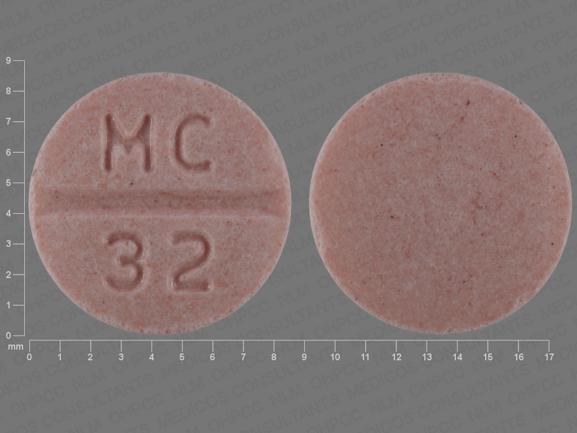
Candesartan Side Effects
Medically reviewed by Drugs.com. Last updated on May 30, 2025.
Applies to candesartan: oral tablet.
Important warnings
This medicine can cause some serious health issues
Oral route (tablet)
Drugs that act directly on the renin-angiotensin system can cause injury or death to the developing fetus.
Stop therapy as soon as possible when pregnancy is detected.
Precautions
It is very important that your doctor check the progress of you or your child at regular visits to make sure that this medicine is working properly. Blood tests may be needed to check for unwanted effects.
Using this medicine while you are pregnant can harm your unborn baby. Use an effective form of birth control to keep from getting pregnant. If you think you have become pregnant while using this medicine, tell your doctor right away.
Dizziness, lightheadedness, or fainting may also occur, especially when you get up from a lying or sitting position or if you have been taking a diuretic (water pill). Make sure you know how you react to this medicine before you drive, use machines, or do anything else that could be dangerous if you are dizzy or not alert. If you feel dizzy, lie down so you do not faint. Then sit for a few moments before standing to prevent the dizziness from returning.
Check with your doctor right away if you or your child become sick while taking this medicine, especially with severe or continuing nausea, vomiting, or diarrhea. These conditions may cause you to lose too much water or salt and may lead to low blood pressure. You can also lose water by sweating, so drink plenty of water during exercise or in hot weather.
Before having any kind of surgery (including dental surgery) or emergency treatment, tell the doctor or dentist in charge that you are taking this medicine.
Ask your doctor before you use medicines, supplements, or salt substitutes that contain potassium.
Black patients may have a smaller response to the blood pressure-lowering effects of candesartan.
Do not take other medicines unless they have been discussed with your doctor. This especially includes prescription or nonprescription (over-the-counter) medicines for appetite control, asthma, colds, cough, hay fever, or sinus problems, since they may tend to increase your blood pressure.
Common side effects of candesartan
Some side effects of candesartan may occur that usually do not need medical attention. These side effects may go away during treatment as your body adjusts to the medicine. Also, your health care professional may be able to tell you about ways to prevent or reduce some of these side effects.
Check with your health care professional if any of the following side effects continue or are bothersome or if you have any questions about them:
Less common side effects
- ear congestion or pain
- head congestion
- runny or stuffy nose
- sneezing
Serious side effects of candesartan
Along with its needed effects, candesartan may cause some unwanted effects. Although not all of these side effects may occur, if they do occur they may need medical attention.
Check with your doctor immediately if any of the following side effects occur while taking candesartan:
Rare side effects
- arm, back, or jaw pain
- bleeding gums
- chest pain or discomfort
- chest tightness or heaviness
- chills
- cough or hoarseness
- dizziness
- fainting
- fast or irregular heartbeat
- fever
- joint pain
- large, hive-like swelling on the face, eyelids, lips, tongue, throat, hands, legs, feet, or sex organs
- lightheadedness
- lower back or side pain
- nausea
- nosebleeds
- pain or discomfort in the arms, jaw, back, or neck
- painful or difficult urination
- shortness of breath
- sweating
- swelling of the feet or lower legs
- vomiting
Incidence not known
- abdominal or stomach pain
- black, tarry stools
- bloody urine
- coma
- confusion
- convulsions
- dark urine
- decreased urine output
- difficult or troubled breathing
- general feeling of tiredness or weakness
- headache
- hives or welts
- increased blood pressure
- increased thirst
- itching
- light-colored stools
- loss of appetite
- muscle pain or cramps
- nervousness
- numbness or tingling in the hands, feet, or lips
- pale skin
- redness of the skin
- skin rash
- sore throat
- sores, ulcers, or white spots on the lips or in the mouth
- swelling of the face, ankles, or hands
- unusual bleeding or bruising
- unusual tiredness or weakness
- upper right abdominal or stomach pain
- weakness or heaviness of the legs
- weight gain
- yellow eyes or skin
See also:
Lasix
Lasix is a loop diuretic used to treat fluid retention from heart, liver, or kidney conditions, and ...
Enalapril
Enalapril is used to treat high blood pressure, congestive heart failure and to improve survival ...
Botox
Botox is used cosmetically to reduce facial lines and wrinkles and for medical purposes for ...
Valsartan
Valsartan is an angiotensin II receptor blocker (ARB) that may be used to treat high blood pressure ...
Hydrochlorothiazide
HCTZ (hydrochlorothiazide) used to treat high blood pressure (hypertension) and edema. Includes ...
Atenolol
Atenolol is used to treat angina (chest pain) and hypertension (high blood pressure). Learn about ...
Furosemide
Furosemide is a loop diuretic used to treat fluid retention and high blood pressure by increasing ...
Metoprolol
Metoprolol is used to treat angina (chest pain) and hypertension (high blood pressure). Learn about ...
Losartan
Losartan is used to treat high blood pressure (hypertension). It is also used to lower the risk of ...
Lisinopril
Lisinopril is an ACE inhibitor. It is used to treat high blood pressure, congestive heart failure ...
For healthcare professionals
Applies to candesartan: oral tablet.
General adverse events
The most common side effects were upper respiratory tract infection, dizziness, back pain, pharyngitis, and rhinitis.[Ref]
Respiratory
- Common (1% to 10%): Upper respiratory tract infection, pharyngitis, rhinitis, nasopharyngitis
- Very rare (less than 0.01%): Cough[Ref]
Renal
- Common (1% to 10%): Renal impairment, creatinine increased, urea increased[Ref]
Nervous system
- Common (1% to 10%): Dizziness, headache
- Very rare (less than 0.01%): Somnolence[Ref]
Cardiovascular
- Common (1% to 10%): Hypotension, sinus arrhythmia
- Very rare (less than 0.01%): Palpitations[Ref]
Hepatic
- Common (1% to 10%): ALT increased
- Uncommon (0.1% to 1%): Abnormal liver function, AST increased
- Very rare (less than 0.01%): Hepatitis[Ref]
Metabolic
- Common (1% to 10%): Hyperkalemia
- Uncommon (0.1% to 1%): Hyponatremia[Ref]
Musculoskeletal
- Common (1% to 10%): Back pain
- Very rare (less than 0.01%): Arthralgia, myalgia
- Frequency not reported: Rhabdomyolysis[Ref]
Dermatologic
Other
- Common (1% to 10%): Pyrexia[Ref]
Psychiatric
- Very rare (less than 0.01%): Agitation, anxiety, depression, insomnia, nervousness, nightmare, sleep disorder[Ref]
Hematologic
- Very rare (less than 0.01%): Neutropenia, leukopenia, agranulocytosis[Ref]
Gastrointestinal
- Very rare (less than 0.01%): Nausea
- Frequency not reported: Oropharyngeal pain[Ref]
Immunologic
- Very rare (less than 0.01%): Angioedema[Ref]
References
1. (2001) "Product Information. Atacand (candesartan)." Astra-Zeneca Pharmaceuticals
2. Cerner Multum, Inc. "UK Summary of Product Characteristics."
3. Cerner Multum, Inc. "Australian Product Information."
More about candesartan
- Check interactions
- Compare alternatives
- Pricing & coupons
- Reviews (168)
- Drug images
- Dosage information
- During pregnancy
- Drug class: angiotensin receptor blockers
- Breastfeeding
- En español
Patient resources
Other brands
Professional resources
Other brands
Related treatment guides
Further information
Candesartan side effects can vary depending on the individual. Always consult your healthcare provider to ensure the information displayed on this page applies to your personal circumstances.
Note: Medication side effects may be underreported. If you are experiencing side effects that are not listed, submit a report to the FDA by following this guide.