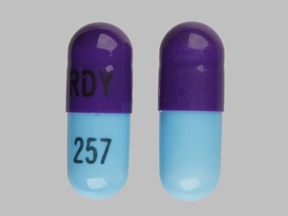
Ziprasidone (Monograph)
Drug class: Atypical Antipsychotics
Warning
- Increased Mortality in Geriatric Patients with Dementia-related Psychosis
-
Geriatric patients with dementia-related psychosis treated with antipsychotic agents are at an increased risk of death.
-
Analyses of 17 placebo-controlled trials in geriatric patients mainly receiving atypical antipsychotic agents revealed an approximate 1.6- to 1.7-fold increase in mortality compared with that in patients receiving placebo.
-
Most fatalities appeared to result from cardiovascular-related events (e.g., heart failure, sudden death) or infections (mostly pneumonia).
-
Atypical antipsychotic agents, including ziprasidone, are not approved for the treatment of dementia-related psychosis.
Introduction
Benzisothiazolyl piperazine-derivative; atypical antipsychotic agent.
Uses for Ziprasidone
Schizophrenia
Used orally (as ziprasidone hydrochloride) for the treatment of schizophrenia in adults.
Used as an IM injection (as ziprasidone mesylate) for the treatment of acute agitation in adults with schizophrenia who require an IM antipsychotic agent for rapid control.
When deciding among treatment alternatives, consider that ziprasidone may prolong the QT interval. In many cases, other drugs should be tried first.
American Psychiatric Association (APA) and Department of Veterans Affairs/Department of Defense recommend antipsychotic medications for acute and long-term maintenance treatment of schizophrenia. Choice of antipsychotic should be based on patient preference, past response to therapy, concurrent medical conditions, and medication-specific factors (e.g., adverse effect profile, available formulations, potential drug interactions, receptor binding profiles, pharmacokinetic considerations).
Bipolar Disorder
Used orally (as ziprasidone hydrochloride) for acute treatment (as monotherapy) of manic or mixed episodes associated with bipolar I disorder in adults.
Used orally (as ziprasidone hydrochloride) for maintenance treatment (as adjunct to lithium or valproate) of bipolar I disorder in adults.
When deciding among treatment alternatives, consider that ziprasidone may prolong the QT interval. In many cases, other drugs should be tried first.
APA recommends lithium or valproate plus an antipsychotic for first-line treatment of severe manic or mixed episodes; for patients with less severe symptoms, monotherapy with lithium, valproate, or an antipsychotic may be appropriate. Selection of a specific treatment is based on clinical factors (e.g., illness severity, associated features, patient preference, side effect profile of the medication). Recommended agents for maintenance treatment include lithium and valproate.
Department of Veterans Affairs/Department of Defense recommends lithium or quetiapine monotherapy for first-line treatment of acute mania associated with bipolar disorder; recommended alternative agents include olanzapine, paliperidone, and risperidone. If none of these agents are suitable based on patient preference or characteristics, other alternatives include aripiprazole, asenapine, carbamazepine, cariprazine, haloperidol, valproate, or ziprasidone. In patients with breakthrough episodes or unsatisfactory response to initial treatment, lithium or valproate in combination with an antipsychotic (haloperidol, asenapine, quetiapine, olanzapine, or risperidone) recommended. Recommended agents for maintenance therapy include lithium and quetiapine; alternatives include olanzapine, paliperidone, or risperidone. May also use aripiprazole, olanzapine, quetiapine, or ziprasidone in combination with lithium or valproate for prevention of mania recurrence.
Tourette's Syndrome
Has been used orally for the management of Tourette’s syndrome in pediatric patients 7-17 years of age† [off-label] .
American Academy of Child and Adolescent Psychiatry (AACAP) lists atypical antipsychotics (e.g., aripiprazole or risperidone) as options to treat tic disorders in children and adolescents. Ziprasidone may decrease severity and frequency of tics; however, due to concerns with ECG changes, pediatric patients should be screened by experienced cardiologists if considering use.
Ziprasidone Dosage and Administration
General
Pretreatment Screening
-
Monitor fasting blood glucose at baseline in patients with risk factors for diabetes mellitus (e.g., obesity, family history of diabetes).
-
Complete fall risk assessments when initiating ziprasidone in patients with concomitant diseases, conditions, or medications that could exacerbate the risk of falls.
-
Obtain baseline serum potassium and magnesium measurements in patients being considered for ziprasidone therapy who are at risk for significant electrolyte disturbances, particularly hypokalemia.
Patient Monitoring
-
Monitor patients for hyperglycemia/diabetes mellitus, dyslipidemia, and weight gain. Regularly monitor patients with an established diagnosis of diabetes mellitus for worsening of glucose control. Periodically monitor fasting blood glucose in patients with risk factors for diabetes mellitus (e.g., obesity, family history of diabetes).
-
Monitor for the emergence of serotonin syndrome.
-
In patients with a pre-existing low WBC or a history of drug-induced leukopenia/neutropenia, monitor CBC frequently during the first few months of therapy. In patients with neutropenia, monitor for fever or other symptoms or signs of infection; treat promptly if such symptoms or signs occur.
-
For patients with diseases, conditions, or medications that could exacerbate the risk of falls, complete fall risk assessments recurrently during long-term ziprasidone therapy.
-
Monitor for suicidal behavior in high-risk patients during ziprasidone therapy.
Other General Considerations
-
When switching patients to or from a monoamine oxidase inhibitor (MAOI), allow ≥14 days between discontinuation of the MAOI antidepressant (intended to treat psychiatric disorders) and initiation of ziprasidone. Allow ≥3 days after discontinuing ziprasidone before starting an MAOI intended to treat psychiatric disorders.
Administration
Administer ziprasidone hydrochloride capsules orally.
Administer ziprasidone mesylate injection IM; do not administer IV.
Concomitant use of oral and IM ziprasidone not recommended by manufacturer.
Oral Administration
Administer capsules orally twice daily with food for optimal absorption.
IM Administration
Available in single-dose vials.
Must be reconstituted prior to administration.
To administer a 10 mg dose, draw up 0.5 mL of the reconstituted solution. To administer a 20 mg dose, draw up 1 mL of the reconstituted solution.
Reconstitution
Reconstitute vial containing 20 mg with 1.2 mL of sterile water for injection to provide a solution containing 20 mg/mL. Do not use other solutions to reconstitute the injection, and do not admix with other drugs. Shake vigorously to ensure complete dissolution.
Observe strict aseptic technique since the drug contains no preservative. Discard unused portions. Consult prescribing information for additional details on preparation and administration.
Dosage
Available as ziprasidone hydrochloride or ziprasidone mesylate; dosage of ziprasidone hydrochloride expressed in terms of the hydrochloride monohydrate and dosage of ziprasidone mesylate expressed in terms of ziprasidone.
Adults
Schizophrenia
Acute and Maintenance Therapy
OralInitially, 20 mg twice daily. In some patients, may adjust dosage based on clinical status up to 80 mg twice daily.
Dosage adjustments, if indicated, generally should be made after a minimum of 2 days. However, manufacturer recommends observing patients for several weeks prior to upward titration of dosage to ensure use of the lowest effective dosage. Dosages ranging from 20–100 mg twice daily were effective in short-term controlled studies. Although there were trends toward a dose response within a dosage range of 20–80 mg twice daily, results were not consistent.
Optimum duration of therapy not known. In patients responding to ziprasidone therapy, continue the drug as long as clinically necessary and tolerated, but at lowest possible effective dosage; periodically reassess need for continued therapy.
Acute Agitation in Schizophrenia
IMInitially, 10–20 mg given as a single dose.
Repeat doses of 10 mg every 2 hours or 20 mg every 4 hours, up to a maximum cumulative dosage of 40 mg daily.
Oral therapy should replace IM therapy as soon as possible; safety and efficacy of administering ziprasidone IM injection for longer than 3 consecutive days not evaluated.
Bipolar Disorder
Acute Manic and Mixed Episodes: Monotherapy
OralInitially, 40 mg twice daily on day 1. May increase dosage to 60 or 80 mg twice daily on the second day.
Subsequent dosage adjustments based on efficacy and tolerability may be made within a dosage range of 40–80 mg twice daily.
Maintenance Treatment: Combination Therapy
OralAs adjunctive therapy with lithium or valproate, continue ziprasidone at same dosage on which patient was initially stabilized, within the dosage range of 40–80 mg twice daily.
Periodically reevaluate need for continued maintenance therapy.
Special Populations
Hepatic Impairment
No specific dosage recommendations at this time.
IM injection not systematically evaluated in patients with hepatic impairment.
Renal Impairment
No specific dosage recommendations at this time.
IM injection not systematically evaluated in patients with renal impairment. Cyclodextrin excipient present in IM injection cleared by renal filtration; use with caution.
Geriatric Patients
No dosage adjustment of oral ziprasidone required; consider lower initial dosages, slower titration, and careful monitoring during the initial dosing period.
IM injection not systematically evaluated in geriatric patients.
Cautions for Ziprasidone
Contraindications
-
Known history of QT-interval prolongation (including congenital long QT syndrome), recent acute myocardial infarction, or uncompensated heart failure.
-
Concomitant therapy with drugs that prolong the QT interval.
-
Known hypersensitivity to ziprasidone.
-
Concomitant use with monoamine oxidase inhibitors (MAOIs; including linezolid and IV methylene blue), or use within 14 days of stopping MAOIs.
Warnings/Precautions
Warnings
Increased Mortality in Geriatric Patients with Dementia-related Psychosis
Increased risk of death with use of antipsychotics in geriatric patients with dementia-related psychosis. (see Boxed Warning.) Most of the reported deaths appeared to be either cardiovascular (e.g., heart failure, sudden death) or infectious (e.g., pneumonia) in nature.
Antipsychotic agents, including ziprasidone, are not approved for the treatment of dementia-related psychosis.
Other Warnings and Precautions
Cerebrovascular Adverse Reactions, Including Stroke, in Geriatric Patients with Dementia-related Psychosis
Increased incidence of stroke and transient ischemic attack, including fatal stroke, observed in geriatric patients with dementia-related psychosis. Antipsychotic agents, including ziprasidone, are not approved for the treatment of dementia-related psychosis.
Prolongation of QT Interval and Risk of Sudden Death
Capacity to prolong the QT/QTc (corrected QT) interval, which can result in ventricular arrhythmias (e.g., torsades de pointes) and/or sudden death. No cases of torsades de pointes reported during premarketing clinical trials; however, rare postmarketing cases of torsades de pointes (in the presence of multiple confounding factors) observed.
Sudden unexplained deaths reported in patients receiving ziprasidone or other antipsychotic agents at recommended dosages. Although premarketing experience with ziprasidone did not demonstrate an excess risk of mortality compared with that of other antipsychotic agents, the extent of exposure was limited. The greater risk of QT-interval prolongation compared with several other antipsychotic agents raises possibility that the risk of sudden death may be greater with ziprasidone than for other antipsychotic agents.
Factors that may increase risk of torsades de pointes and/or sudden death include bradycardia, hypokalemia or hypomagnesemia; concomitant use of other drugs that prolong the QT interval; and congenital prolongation of the QT interval. Avoid use in patients with a history of clinically important cardiovascular disease (e.g., congenital prolongation of the QT interval, QT-interval prolongation, recent acute MI, uncompensated heart failure, history of cardiac arrhythmias) and in those concurrently receiving other drugs that prolong the QTc interval.
Obtain baseline serum potassium and magnesium concentrations in patients at risk for substantial electrolyte disturbances, particularly hypokalemia; correct hypokalemia or hypomagnesemia prior to initiating ziprasidone. Periodically monitor serum electrolytes if diuretic therapy is initiated during therapy.
Clinical and ECG monitoring of cardiac function, including appropriate ambulatory ECG monitoring (e.g., Holter monitoring), is recommended during ziprasidone therapy in patients with symptoms that could indicate torsades de pointes (e.g., dizziness, palpitations, syncope).
Discontinue in patients with persistent QTc interval measurements >500 msec.
Serotonin Syndrome
Can precipitate serotonin syndrome. Risk increased with concomitant use of other serotonergic drugs.
Concomitant use of ziprasidone with MAOIs is contraindicated. Do not initiate ziprasidone in a patient being treated with MAOIs including linezolid or IV methylene blue. If necessary to initiate an MAOI in a patient taking ziprasidone, discontinue ziprasidone before initiating the MAOI.
Monitor all patients for emergence of serotonin syndrome. Discontinue ziprasidone and any concomitant serotonergic agents immediately if symptoms of serotonin syndrome occur; initiate supportive symptomatic treatment. If concomitant use of ziprasidone with other serotonergic drugs is clinically warranted, inform patients of increased risk of serotonin syndrome and monitor for symptoms.
Neuroleptic Malignant Syndrome
Neuroleptic malignant syndrome (NMS), potentially fatal, reported with antipsychotic agents.
Immediately discontinue therapy and initiate supportive and symptomatic treatment if NMS occurs. Careful monitoring recommended if therapy is reinstituted following recovery; the risk that NMS can recur must be considered.
Severe Cutaneous Adverse Reactions
Drug reaction with eosinophilia and systemic symptoms (DRESS) reported.
Other severe cutaneous adverse reactions (e.g., Stevens-Johnson syndrome), reported; sometimes fatal.
Discontinue ziprasidone immediately if DRESS or severe cutaneous adverse reactions are suspected.
Tardive Dyskinesia
Tardive dyskinesia reported with use of antipsychotic agents.
Reserve long-term antipsychotic treatment for patients with chronic illness known to respond to antipsychotic agents, and for whom alternative, equally effective, but potentially less harmful treatments are not available or appropriate. In patients requiring chronic treatment, use smallest dosage and shortest duration of treatment producing a satisfactory clinical response; periodically reassess need for continued therapy.
Consider discontinuance of ziprasidone if signs and symptoms of tardive dyskinesia appear. However, some patients may require treatment despite presence of the syndrome.
Metabolic Changes
Atypical antipsychotic agents are associated with metabolic changes that may increase cardiovascular and cerebrovascular risk (e.g., hyperglycemia, dyslipidemia, weight gain). While all atypical antipsychotics produce some metabolic changes, each drug has its own specific risk profile.
Hyperglycemia, sometimes severe and associated with ketoacidosis, hyperosmolar coma, or death, reported with atypical antipsychotics. There have been few reports of hyperglycemia or diabetes in ziprasidone-treated patients; not known whether paucity of such reports is due to relatively limited experience with the drug.
Closely monitor patients with diabetes mellitus for worsening of glycemic control, and perform fasting glucose testing at baseline and periodically in patients with risk factors for diabetes (e.g., obesity, family history of diabetes). Monitor for manifestations of hyperglycemia (including polydipsia, polyuria, polyphagia, and weakness) during treatment. If manifestations of hyperglycemia occur in any ziprasidone-treated patient, perform fasting blood glucose testing.
Some patients who developed hyperglycemia while receiving an atypical antipsychotic have required continuance of antidiabetic treatment despite discontinuance of the suspect drug; in other patients, hyperglycemia resolved with discontinuance of the antipsychotic.
Undesirable changes in lipid parameters observed in patients treated with atypical antipsychotics.
Weight gain observed with atypical antipsychotic therapy. Manufacturer recommends clinical monitoring of weight in patients receiving the drug.
Rash
Rash and/or urticaria, possibly related to dosage and/or duration of therapy, reported. Several patients with rash had signs and symptoms of associated systemic illness (e.g., elevated WBC count).
Adjunctive treatment with antihistamines or corticosteroids and/or drug discontinuance may be required. Discontinue ziprasidone if alternative etiology of rash cannot be identified.
Orthostatic Hypotension
Risk of orthostatic hypotension associated with dizziness, tachycardia, and syncope, particularly during the initial dosage titration period.
Use with particular caution in patients with known cardiovascular disease (e.g., history of MI or ischemic heart disease, heart failure, conduction abnormalities), cerebrovascular disease, or conditions that would predispose patients to develop hypotension (e.g., dehydration, hypovolemia, concomitant antihypertensive therapy).
Falls
May cause somnolence, postural hypotension, and motor and sensory instability, which could lead to falls and, consequently, fractures or other injuries.
Complete fall risk assessments when initiating ziprasidone and during long-term antipsychotic therapy in patients with concomitant diseases, conditions, or medications that could exacerbate risk of falls.
Leukopenia, Neutropenia, and Agranulocytosis
Leukopenia and neutropenia temporally related to antipsychotic agents reported. Agranulocytosis (including fatal cases) also reported.
Possible risk factors for leukopenia and neutropenia include preexisting low WBC count and history of drug-induced leukopenia or neutropenia. Monitor CBC frequently during the first few months of therapy in patients with such risk factors. Discontinue ziprasidone at the first sign of a decline in WBC count in the absence of other causative factors.
Carefully monitor patients with neutropenia for fever or other signs and symptoms of infection and treat promptly if they occur. In patients with severe neutropenia (ANC <1000/mm3), discontinue ziprasidone and monitor WBC until recovery occurs.
Seizures
Seizures reported with use.
Use with caution in patients with a history of seizures or with conditions that may lower the seizure threshold (e.g., dementia of the Alzheimer’s type); conditions that lower seizure threshold may be more prevalent in patients ≥65 years of age.
Dysphagia
Esophageal dysmotility and aspiration associated with use of antipsychotic agents.
Use with caution in patients at risk for aspiration pneumonia.
Hyperprolactinemia
May cause elevated serum prolactin concentrations, which may lead to clinical disturbances (e.g., galactorrhea, amenorrhea, gynecomastia, impotence); chronic hyperprolactinemia associated with hypogonadism may lead to decreased bone density.
If contemplating ziprasidone therapy in a patient with previously detected breast cancer, consider that approximately one-third of human breast cancers are prolactin dependent in vitro.
Cognitive and Motor Impairment
Somnolence reported; may be dose related. Judgment, thinking, or motor skills may be impaired.
Caution patients about performing activities requiring mental alertness, such as operating a motor vehicle or hazardous machinery, until reasonably certain that ziprasidone does not affect them adversely.
Priapism
Priapism reported. May require surgical intervention in severe cases.
Body Temperature Regulation
Antipsychotic agents may disrupt ability to regulate core body temperature.
Use appropriate caution in patients who will be experiencing conditions that may contribute to an elevation in core body temperature (e.g., strenuous exercise, extreme heat, concomitant use of agents with anticholinergic activity, dehydration).
Suicide
Attendant risk with psychotic illness and bipolar disorder; closely supervise high-risk patients. Prescribe in the smallest quantity consistent with good patient management to reduce risk of overdosage.
Concomitant Illness
Limited experience with ziprasidone in patients with certain concomitant diseases.
Not adequately evaluated in patients with a recent history of MI or unstable cardiovascular disease; use with caution in cardiac patients.
Specific Populations
Pregnancy
National Pregnancy Registry for Atypical Antipsychotics available for women exposed to ziprasidone during pregnancy; to enroll, call 866-961-2388 or visit online at [Web]/.
Available data from studies of pregnant women exposed to ziprasidone have not established drug-associated risk of major birth defects, miscarriage, or adverse maternal or fetal outcomes. However, there are risks to the mother (e.g., risk of relapse, hospitalization, suicide) associated with untreated schizophrenia or bipolar I disorder and with exposure to antipsychotics during pregnancy. Schizophrenia and bipolar I disorder associated with increased adverse perinatal outcomes, including preterm birth.
Risk for extrapyramidal and/or withdrawal symptoms (e.g., agitation, hypertonia, hypotonia, tardive dyskinetic-like symptoms, tremor, somnolence, respiratory distress, feeding disorder) in neonates exposed to antipsychotic agents during the third trimester; monitor neonates exhibiting such symptoms and manage appropriately.
Lactation
Limited data indicate distribution into human milk. No reports of adverse effects on breast-fed infants exposed to ziprasidone through breast milk; however, excess sedation, irritability, poor feeding, and extrapyramidal symptoms (tremors and abnormal muscle movements) reported in infants exposed to other atypical antipsychotics through breast milk. No data on effects on milk production.
Consider developmental and health benefits of breast-feeding along with the mother’s clinical need for ziprasidone and any potential adverse effects on breast-fed child from drug or from mother’s underlying condition.
Monitor infants exposed to ziprasidone for excess sedation, irritability, poor feeding, and extrapyramidal symptoms (tremors and abnormal muscle movements).
Females and Males of Reproductive Potential
Possible increase in serum prolactin levels, which may lead to a reversible reduction in fertility in females of reproductive potential.
Pediatric Use
Safety and efficacy not established.
Geriatric Use
No substantial differences in safety or efficacy of oral ziprasidone relative to younger adults; however, possibility of greater sensitivity in some geriatric patients cannot be ruled out.
Risk of increased pharmacodynamic response, poorer tolerance, or orthostasis; lower initial dosages, slower titration, and careful monitoring during the initial dosing period may be advisable in some geriatric patients.
IM ziprasidone mesylate not systematically evaluated in geriatric patients.
Geriatric patients with dementia-related psychosis treated with antipsychotic agents are at an increased risk of death. Ziprasidone is not approved for the treatment of patients with dementia-related psychosis.
Hepatic Impairment
Dosage adjustment of oral ziprasidone not necessary. IM ziprasidone not studied in patients with hepatic impairment.
Renal Impairment
Renal impairment alone unlikely to substantially affect pharmacokinetics of oral ziprasidone. Dosage adjustment not necessary.
IM ziprasidone not studied in patients with renal impairment. Commercially available ziprasidone mesylate injections contain sulfobutylether β-cyclodextrin sodium, an excipient that is cleared by renal filtration; use with caution.
Common Adverse Effects
Oral therapy for schizophrenia (incidence ≥5%): Somnolence, respiratory tract infection.
Oral therapy for bipolar mania (incidence ≥5%): Somnolence, extrapyramidal symptoms, dizziness, akathisia, abnormal vision, asthenia, vomiting.
IM therapy for acute agitation in schizophrenia (incidence ≥5%): Somnolence, headache, nausea.
Drug Interactions
Metabolized by the CYP3A4 isoenzyme; CYP1A2 also may contribute but to a lesser extent.
Little inhibitory effect on CYP isoenzymes 1A2, 2C9, 2C19, 2D6, or 3A4.
All interaction studies described below conducted with oral ziprasidone.
Drugs Affecting or Metabolized by Hepatic Microsomal Enzymes
Potential pharmacokinetic interactions (altered ziprasidone metabolism) with inhibitors or inducers of CYP3A4.
Pharmacokinetic interaction with inhibitors or inducers of CYP1A2, CYP2C9, CYP2C19, or CYP2D6 are unlikely.
Substrates of CYP isoenzymes 1A2, 2C9, 2C19, 2D6, or 3A4: Pharmacokinetic interaction unlikely.
Drugs that Prolong QT Interval
Potential additive effect on QT-interval prolongation (concomitant use contraindicated) when used with drugs that prolong the QT interval. Ziprasidone also is contraindicated in patients receiving drugs shown to cause QT prolongation as an effect and for which this effect is described in the full prescribing information as a contraindication or boxed warning.
Serotonergic Drugs
Increased risk of serotonin syndrome with concomitant use with other serotonergic drugs, including SSRIs, SNRIs, triptans, tricyclic antidepressants, opioids (e.g., fentanyl, tramadol, meperidine, methadone), lithium, tryptophan, buspirone, amphetamines, and St. John’s Wort, and with drugs that impair metabolism of serotonin (e.g., MAO inhibitors).
Protein-bound Drugs
Pharmacokinetic interactions due to displacement unlikely.
Specific Drugs
|
Drug |
Interaction |
Comments |
|---|---|---|
|
Alcohol |
Additive CNS effects |
Avoid concomitant use |
|
Amphetamines |
Risk of serotonin syndrome |
|
|
Antacids (aluminum- and magnesium-containing) |
Maalox; No effects on ziprasidone pharmacokinetics |
|
|
Antiarrhythmics (class Ia and III: e.g., amiodarone, dofetilide, procainamide, quinidine, sotalol) |
Increased risk of QT-interval prolongation |
Concomitant use contraindicated |
|
Anticholinergic agents |
Possible disruption of body temperature regulation |
Use concomitantly with caution |
|
Arsenic trioxide |
Increased risk of QT-interval prolongation |
Concomitant use contraindicated |
|
Benztropine |
Pharmacokinetic interaction unlikely |
|
|
Buspirone |
Risk of serotonin syndrome |
|
|
Carbamazepine |
Decreased ziprasidone AUC by approximately 35%; effect may be greater with higher dosages of carbamazepine |
|
|
Chlorpromazine |
Increased risk of QT-interval prolongation |
Concomitant use contraindicated |
|
Cimetidine |
No change observed in ziprasidone pharmacokinetics |
|
|
CNS agents |
Additive CNS effects |
Use concomitantly with caution |
|
Dextromethorphan |
No change observed in dextromethorphan metabolism |
|
|
Diuretics |
Possible electrolyte disturbances (e.g., hypokalemia) and increased risk of QT-interval prolongation |
Periodically monitor serum electrolytes (e.g., potassium and magnesium concentrations) when diuretic therapy is initiated during ziprasidone therapy |
|
Dolasetron mesylate |
Increased risk of QT-interval prolongation |
Concomitant use contraindicated |
|
Dopamine agonists |
Possible antagonistic effects |
|
|
Droperidol |
Increased risk of QT-interval prolongation |
Concomitant use contraindicated |
|
Gatifloxacin |
Increased risk of QT-interval prolongation |
Concomitant use contraindicated |
|
Halofantrine |
Increased risk of QT-interval prolongation |
Concomitant use contraindicated |
|
Hypotensive agents |
Additive hypotensive effects |
Use with caution |
|
Ketoconazole |
Increased AUC and peak concentrations of ziprasidone by about 35–40% |
|
|
Levodopa |
Possible antagonistic effects |
|
|
Lithium |
No change observed in steady-state concentrations or renal clearance of lithium Possible risk of serotonin syndrome |
|
|
Lorazepam |
Pharmacokinetic interaction unlikely |
|
|
MAOIs |
Risk of serotonin syndrome |
|
|
Mefloquine |
Increased risk of QT-interval prolongation |
Concomitant use contraindicated |
|
Moxifloxacin |
Increased risk of QT-interval prolongation |
Concomitant use contraindicated |
|
Opioids (e.g., fentanyl, tramadol, meperidine, methadone) |
Risk of serotonin syndrome |
|
|
Oral contraceptives |
No change observed in estradiol or levonorgestrel pharmacokinetics |
|
|
Pentamidine |
Increased risk of QT-interval prolongation |
Concomitant use contraindicated |
|
Pimozide |
Increased risk of QT-interval prolongation |
Concomitant use contraindicated |
|
Probucol |
Increased risk of QT-interval prolongation |
Concomitant use contraindicated |
|
Propranolol |
Pharmacokinetic interactions due to displacement unlikely |
|
|
Smoking |
Pharmacokinetic interaction unlikely |
|
|
SNRIs and SSRIs |
Risk of serotonin syndrome |
|
|
St. John's Wort |
Risk of serotonin syndrome |
|
|
Tacrolimus |
Increased risk of QT-interval prolongation |
Concomitant use contraindicated |
|
Thioridazine |
Increased risk of QT-interval prolongation |
Concomitant use contraindicated |
|
Tricyclic antidepressants |
Risk of serotonin syndrome |
|
|
Triptans |
Risk of serotonin syndrome |
|
|
Tryptophan |
Risk of serotonin syndrome |
|
|
Valproate |
Pharmacokinetic interaction unlikely due to lack of common metabolic pathways Ziprasidone did not affect mean therapeutic valproate concentrations in a bipolar disorder trial |
|
|
Warfarin |
Pharmacokinetic interactions due to displacement unlikely |
Ziprasidone Pharmacokinetics
Absorption
Bioavailability
Absolute bioavailability is approximately 60% following a 20-mg oral dose under fed conditions.
Bioavailability of IM ziprasidone is 100%.
Peak plasma concentrations occur 6–8 hours after oral administration or about 1 hour or earlier after IM injection.
Food
Food increases oral absorption up to 2-fold.
Special Populations
Mean AUC was 13 and 34% higher in individuals with Child-Pugh class A and B hepatic impairment, respectively, compared with those in the control group.
Distribution
Extent
Distributed into milk in humans.
Plasma Protein Binding
>99% bound to plasma proteins, principally to albumin and α1-acid glycoprotein.
Elimination
Metabolism
Extensively metabolized in the liver, principally via reduction by aldehyde oxidase; about one-third of metabolic clearance is mediated by CYP isoenzymes, principally CYP3A4.
Elimination Route
Approximately 20% of a dose is excreted in the urine and about 66% in feces, principally as metabolites. Not removed by hemodialysis.
Half-life
Mean terminal half-life following oral administration is about 7 hours; following IM administration, the half-life is 2–5 hours.
Special Populations
In patients with clinically important (Child-Pugh class A or B) cirrhosis, half-life increased by 2.3 hours compared with that of patients in the control group.
Pharmacokinetics of oral ziprasidone similar among individuals with varying degrees of renal impairment and those with normal renal function. IM ziprasidone not studied in patients with renal impairment.
Stability
Storage
Oral
Capsules
25°C (excursions permitted between 15–30°C).
Parenteral
Powder for Injection
25°C (excursions permitted between 15–30°C). Protect from light.
Following reconstitution, when protected from light, may store at 15–30°C for up to 24 hours or at 2–8°C for up to 7 days.
Actions
-
Benzoisothiazolyl piperazine-derivative; atypical antipsychotic agent.
-
Exact mechanism of antipsychotic action not been fully elucidated; may involve antagonism of both type 2 serotonergic (5-HT2) receptors and dopamine D2 receptors.
-
Exhibits relatively high binding affinity for dopamine D2 and D3 receptors; serotonin 5-HT2A, 5-HT2C, 5-HT1A, and 5-HT1D receptors; and α1-adrenergic receptors.
-
Functions as an antagonist at D2, 5-HT2A, and 5-HT1D receptors, and as an agonist at the 5-HT1A receptor.
-
Exhibits moderate affinity for the histamine H1 receptor.
-
Inhibits synaptic reuptake of serotonin and norepinephrine.
-
Does not possess appreciable affinity for other receptors or binding sites, including muscarinic receptors.
Advice to Patients
-
Advise patients to read the FDA-approved patient labeling (Patient Information).
-
Advise patients to swallow ziprasidone capsules whole, and to not open, crush, or chew the capsules. Instruct patients to take ziprasidone capsules with food for optimal absorption, preferably at the same time each day.
-
Advise patients and caregivers that geriatric patients with dementia-related psychosis treated with antipsychotic agents are at an increased risk of cerebrovascular adverse reactions and death. Inform patients and caregivers that ziprasidone is not approved for treating geriatric patients with dementia-related psychosis.
-
Advise patients to inform their clinician if they have the following: history of QT-interval prolongation or cardiac arrhythmia, recent acute myocardial infarction, uncompensated heart failure, risk for clinically important electrolyte abnormalities, or are receiving other drugs that may prolong the QT interval.
-
Advise patients to inform their clinician of the onset of conditions that may increase the risk for clinically important electrolyte disturbances (e.g., hypokalemia, initiation of diuretic therapy, prolonged diarrhea or vomiting); advise patients to report symptoms possibly associated with torsades de pointes (e.g., dizziness, palpitations, syncope) to their clinician.
-
Advise patients of the risk of serotonin syndrome, particularly with the concomitant use of other serotonergic drugs and drugs that impair the metabolism of serotonin. Advise patients on the signs and symptoms of serotonin syndrome, and to contact their clinician or report to the emergency room if they experience such signs or symptoms.
-
Advise patients of the risk of severe cutaneous adverse reactions, such as drug reaction with eosinophilia and systemic symptoms (DRESS) or Stevens-Johnson syndrome. Advise patients to notify their clinician at the earliest onset of any manifestations of DRESS or other severe cutaneous adverse reactions.
-
Advise patients of the risk of hyperglycemia during treatment with atypical antipsychotics. Advise patients and caregivers to be aware of the symptoms of hyperglycemia and diabetes mellitus (e.g., increased thirst, increased urination, increased appetite, weakness) and that all patients receiving ziprasidone should be monitored for these symptoms. Inform patients who are diagnosed with diabetes or those with risk factors for diabetes (e.g., obesity, family history of diabetes) that they should have their blood glucose monitored at the beginning of and periodically during ziprasidone therapy; patients who develop symptoms of hyperglycemia during therapy should have their blood glucose assessed.
-
Advise patients of the risk of leukopenia/neutropenia. Advise patients with a preexisting low leukocyte count or a history of drug-induced leukopenia/neutropenia that they should have their CBC monitored during ziprasidone therapy.
-
Inform patients about the risk and clinical manifestations of tardive dyskinesia.
-
Inform patients and caregivers about the risk of neuroleptic malignant syndrome (NMS), a rare but life-threatening syndrome that can cause high fever, stiff muscles, sweating, fast or irregular heartbeat, change in blood pressure, confusion, and kidney damage.
-
Because somnolence and impairment of judgment, thinking, or motor skills may be associated with ziprasidone, caution patients about performing activities requiring mental alertness, such as driving or operating hazardous machinery, while taking ziprasidone until they gain experience with the drug’s effects. Advise patients to avoid alcohol during ziprasidone therapy.
-
Advise patients that the effects of oral ziprasidone may take a few weeks to be evident and to continue ziprasidone therapy even if improvement is not noticed immediately.
-
Advise patients to inform their clinician of existing or contemplated concomitant therapy, including prescription and OTC drugs and dietary and herbal supplements, as well as any concomitant illnesses (e.g., cardiovascular disease, diabetes mellitus, seizures, dementia).
-
Advise patients of the risk of orthostatic hypotension and dizziness or syncope (fainting), particularly during the initial dosage titration period or when the dosage is increased. Advise patients about interventions that may help to reduce the occurrence of orthostatic hypotension (e.g., slowly rising from a seated position) and to contact their clinician if dizziness or fainting occurs.
-
Advise patients to inform their clinician if they are or plan to become pregnant. Advise patients that ziprasidone may cause extrapyramidal and/or withdrawal symptoms in neonates. Advise patients that there is a pregnancy exposure registry that monitors outcomes in women exposed to ziprasidone during pregnancy.
-
Advise patients to inform their clinician if they plan to breast-feed. Advise breast-feeding women receiving ziprasidone to monitor infants for excess sedation, irritability, poor feeding, and extrapyramidal symptoms (tremors and abnormal muscle movements) and to seek medical care if they notice these signs.
-
Advise females of reproductive potential that ziprasidone may impair fertility due to an increase in serum prolactin levels, and that the effects on fertility are reversible.
-
Advise patients to avoid overheating or dehydration during treatment.
-
Advise patients of other important precautionary information.
Additional Information
The American Society of Health-System Pharmacists, Inc. represents that the information provided in the accompanying monograph was formulated with a reasonable standard of care, and in conformity with professional standards in the field. Readers are advised that decisions regarding use of drugs are complex medical decisions requiring the independent, informed decision of an appropriate health care professional, and that the information contained in the monograph is provided for informational purposes only. The manufacturer’s labeling should be consulted for more detailed information. The American Society of Health-System Pharmacists, Inc. does not endorse or recommend the use of any drug. The information contained in the monograph is not a substitute for medical care.
Preparations
Excipients in commercially available drug preparations may have clinically important effects in some individuals; consult specific product labeling for details.
Please refer to the ASHP Drug Shortages Resource Center for information on shortages of one or more of these preparations.
* available from one or more manufacturer, distributor, and/or repackager by generic (nonproprietary) name
|
Routes |
Dosage Forms |
Strengths |
Brand Names |
Manufacturer |
|---|---|---|---|---|
|
Oral |
Capsules |
20 mg* |
Ziprasidone Hydrochloride Capsules |
|
|
Geodon |
Viatris |
|||
|
40 mg* |
Ziprasidone Hydrochloride Capsules |
|||
|
Geodon |
Viatris |
|||
|
60 mg* |
Ziprasidone Hydrochloride Capsules |
|||
|
Geodon |
Viatris |
|||
|
80 mg* |
Ziprasidone Hydrochloride Capsules |
|||
|
Geodon |
Viatris |
* available from one or more manufacturer, distributor, and/or repackager by generic (nonproprietary) name
|
Routes |
Dosage Forms |
Strengths |
Brand Names |
Manufacturer |
|---|---|---|---|---|
|
Parenteral |
For injection, for IM use only |
20 mg (of ziprasidone) per mL* |
Ziprasidone Mesylate for Injection |
|
|
Geodon |
Viatris |
AHFS DI Essentials™. © Copyright 2025, Selected Revisions July 10, 2025. American Society of Health-System Pharmacists, Inc., 4500 East-West Highway, Suite 900, Bethesda, Maryland 20814.
† Off-label: Use is not currently included in the labeling approved by the US Food and Drug Administration.
Reload page with references included
Related/similar drugs
Frequently asked questions
More about ziprasidone
- Check interactions
- Compare alternatives
- Pricing & coupons
- Reviews (488)
- Drug images
- Latest FDA alerts (5)
- Side effects
- Dosage information
- During pregnancy
- Drug class: atypical antipsychotics
- Breastfeeding
- En español
Patient resources
- Ziprasidone drug information
- Ziprasidone (Intramuscular) (Advanced Reading)
- Ziprasidone (Oral) (Advanced Reading)