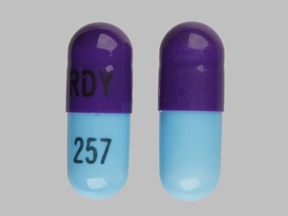
Ziprasidone Side Effects
Medically reviewed by Drugs.com. Last updated on Nov 18, 2024.
Applies to ziprasidone: oral capsule.
Other dosage forms:
Important warnings
This medicine can cause some serious health issues
Oral route (capsule)
Elderly patients with dementia-related psychosis treated with antipsychotic drugs are at an increased risk of death.
Ziprasidone hydrochloride is not approved for the treatment of patients with dementia-related psychosis.
Precautions
It is very important that your doctor check your progress at regular visits to make sure that this medicine is working properly. Blood tests may be needed to check for unwanted effects.
Do not use this medicine together with amiodarone (Cordarone®), arsenic trioxide, chlorpromazine (Thorazine®), disopyramide (Norpace®), dofetilide (Tikosyn®), dolasetron mesylate (Anzemet®), droperidol (Inapsine®), gatifloxacin (Tequin®), halofantrine, levomethadyl acetate, mefloquine (Lariam®), mesoridazine (Serentil®), moxifloxacin (Avelox®), pentamidine (Nebupent®), pimozide (Orap®), probucol, procainamide (Pronestyl®), quinidine (Cardioquin®), sotalol (Betapase®), sparfloxacin (Zagam®), tacrolimus (Prograf®), or thioridazine (Mellaril®). Using these medicines together may cause serious unwanted effects.
This medicine can cause changes in the heart rhythm, such as a condition called QT prolongation. It may change the way your heart beats and cause fainting or serious side effects. Call your doctor right away if you have any symptoms of heart rhythm problems, such as fast, pounding, or irregular heartbeats.
Check with your doctor right away if you have any of the following symptoms: convulsions (seizures), difficulty with breathing, a fast heartbeat, a high fever, high or low blood pressure, increased sweating, loss of bladder control, severe muscle stiffness, unusually pale skin, or tiredness. These could be symptoms of a serious condition called neuroleptic malignant syndrome (NMS).
If you develop a skin rash, hives, or any allergic reaction to this medicine, check with your doctor as soon as possible.
Check with your doctor right away if you have a fever, chills, cough, sore throat, swollen, painful, or tender lymph glands in the neck, armpit, or groin, or yellow skin or eyes while using this medicine. These could be symptoms of a serious condition called drug reaction with eosinophilia and systemic symptoms (DRESS).
Serious skin reactions can occur with this medicine. Check with your doctor right away if you have blistering, peeling, or loose skin, red skin lesions, severe acne or skin rash, sores or ulcers on the skin, or fever or chills.
This medicine may cause tardive dyskinesia (a movement disorder). Check with your doctor right away if you have lip smacking or puckering, puffing of the cheeks, rapid or worm-like movements of the tongue, uncontrolled chewing movements, or uncontrolled movements of the arms and legs while you are using this medicine.
This medicine may increase the amount of sugar in your blood. Check with your doctor right away if you have increased thirst or increased urination. If you have diabetes, you may notice a change in the results of your urine or blood sugar tests. If you have any questions, check with your doctor.
Ziprasidone can temporarily lower the number of white blood cells in your blood, increasing the chance of getting an infection. If you can, avoid people with infections. Check with your doctor right away if you think you are getting an infection, or if you have a fever or chills, a cough or hoarseness, lower back or side pain, or painful or difficult urination.
This medicine may cause some people to become drowsy or dizzy, or to have trouble with thinking or controlling body movements, or to have trouble with thinking or controlling body movements, which may lead to falls, fractures or other injuries. Make sure you know how you react to this medicine before you drive, use machines, or do anything else that requires you to be alert, well-coordinated, or able to think well.
Dizziness, lightheadedness, or fainting may occur, especially when you get up suddenly from a lying or sitting position. Getting up slowly may help. If the problem continues or gets worse, check with your doctor.
You may get overheated more easily while you are using this medicine. Be careful if you exercise often or are exposed to high temperatures or humidity. Drink more water and stay out of the sun.
Ziprasidone may cause some people to be agitated, irritable, or display other abnormal behaviors. It may also cause some people to have suicidal thoughts and tendencies. If you or your caregiver notice any of these unwanted effects, tell your doctor right away.
Avoid drinking alcohol while you are using this medicine.
This medicine may increase your weight. Your doctor may need to check your weight on a regular basis. Talk to your doctor about ways to prevent weight gain.
Do not take other medicines unless they have been discussed with your doctor. This includes prescription or nonprescription (over-the-counter [OTC]) medicines and herbal or vitamin supplements.
Serious side effects of ziprasidone
Along with its needed effects, ziprasidone may cause some unwanted effects. Although not all of these side effects may occur, if they do occur they may need medical attention.
Check with your doctor immediately if any of the following side effects occur while taking ziprasidone:
More common side effects
- cough
- difficulty with speaking
- drooling
- fear or nervousness
- fever
- inability to sit still
- loss of balance control
- muscle trembling, jerking, or stiffness
- need to keep moving
- restlessness
- shuffling walk
- sneezing
- sore throat
- stiffness of the limbs
- twisting movements of the body
- uncontrolled movements, especially of the face, neck, and back
Less common side effects
- blurred vision
- body aches or pain
- chest pain
- congestion
- dizziness
- fast, pounding, or irregular heartbeat or pulse
- headache
- hoarseness
- pounding in the ears
- runny nose
- slow or fast heartbeat
- swelling of the tongue
- tender, swollen glands in the neck
- trouble with swallowing
- voice changes
Rare side effects
- dizziness, faintness, or lightheadedness when getting up suddenly from a lying or sitting position
- persistent, painful erection
- seizures
Incidence not known
- inability to move the eyes
- increased blinking or spasms of the eyelid
- sticking out of tongue
- trouble with breathing
- uncontrolled twisting movements of the neck, trunk, arms, or legs
- unusual facial expressions
Other side effects of ziprasidone
Some side effects of ziprasidone may occur that usually do not need medical attention. These side effects may go away during treatment as your body adjusts to the medicine. Also, your health care professional may be able to tell you about ways to prevent or reduce some of these side effects.
Check with your health care professional if any of the following side effects continue or are bothersome or if you have any questions about them:
More common side effects
- acid or sour stomach
- belching
- constipation
- diarrhea
- heartburn
- indigestion
- lack or loss of strength
- nausea
- rash
- stomach discomfort, upset, or pain
- weakness
- weight gain
Less common side effects
- blistering, crusting, irritation, itching, or reddening of the skin
- burning, crawling, itching, numbness, prickling, "pins and needles", or tingling feelings
- change in vision
- cracked, dry, or scaly skin
- depression
- difficulty with moving
- dry mouth
- increase in salivation
- itching or reddening of the skin
- joint pain
- loss of appetite
- muscle ache
- muscle pains or stiffness
- muscle tightness
- stuffy nose
- swelling
- swollen joints
- vomiting
- weakness of the arms and legs
- weight loss
See also:
For healthcare professionals
Applies to ziprasidone: intramuscular powder for injection, oral capsule.
General adverse events
The most commonly reported adverse events included somnolence, respiratory tract infections, extrapyramidal symptoms, dizziness, akathisia, abnormal vision, asthenia, vomiting, headache, and nausea.[Ref]
Metabolic
- Uncommon (0.1% to 1%): Thirst, increased appetite, hypercholesteremia, dehydration, hyperglycemia, hypokalemia
- Rare (less than 0.1%): Hypocalcemia, hyperlipidemia, hyperkalemia, hypochloremia, hypoglycemia, hyponatremia, hypoproteinemia, gout, hyperchloremia, hyperuricemia, hypomagnesemia, ketosis[Ref]
Weight gain of 7% or more was statistically significantly greater among patients with schizophrenia receiving ziprasidone in a pooled analysis of four 4 and 6 week placebo-controlled trials (10% versus 4%). The median weight gain was 0.5 kg among all ziprasidone patients compared with no weight gain in the placebo patients.[Ref]
Nervous system
- Very common (10% or more): Headache (18%), extrapyramidal symptoms (31%), somnolence (14%)
- Common (1% to 10%): Akathisia, dizziness, dyskinesia, dystonia, headache, sedation, tremor, hypertonia, speech disorder
- Uncommon (0.1% to 1%): Ataxia, bradykinesia, cogwheel rigidity, disturbance in attention, dizziness postural, drooling, dysarthria, generalized tonic-clonic seizures, hyperkinesia, hypersomnia, hypoesthesia, lethargy, oculogyric crisis, paresthesia, tardive dyskinesia, amnesia, buccoglossal syndrome, choreoathetosis, diplopia, incoordination, neuropathy
- Rare (less than 0.1%): Akinesis, paresis, restless legs syndrome, torticollis, paralysis
- Postmarketing reports: Facial droop, neuroleptic malignant syndrome, serotonin syndrome (alone or in combination with serotonergic products), tardive dyskinesia[Ref]
Gastrointestinal
- Common (1% to 10%): Constipation, dry mouth, nausea, thick tongue, vomiting, dyspepsia, diarrhea, anorexia
- Uncommon (0.1% to 1%): Gastrointestinal discomfort, salivary hypersecretion, dysphagia, flatulence, gastritis, rectal hemorrhage, tongue edema
- Rare (less than 0.1%): Gastroesophageal reflux, loose stools, gum hemorrhage, fecal impaction, hematemesis, leukoplakia of mouth, melena
- Postmarketing reports: Dysphagia, swollen tongue[Ref]
Respiratory
- Common (1% to 10%): Respiratory tract infection, increased cough, rhinitis
- Uncommon (0.1% to 1%): Dyspnea, sore throat, pneumonia, epistaxis
- Rare (less than 0.1%): Hiccups, hemoptysis, laryngismus[Ref]
Collective data gathered from 17 placebo-controlled clinical studies (n=5106) involving the use of atypical antipsychotic agents for the treatment of behavioral disorders in the elderly patient with dementia showed a risk of death 1.6 to 1.7 times greater in the drug-treated patient than in the placebo-treated patient. The average length of duration for the trials was 10 weeks with the cause of death in the majority of cases, though not all, reported as either cardiovascular (e.g., heart failure, sudden death) or infectious (e.g., pneumonia) in nature. Although ziprasidone was not included in these studies, the consistent findings across all three relevant chemical classes support the opinion that these findings are likely to be applicable to all atypical antipsychotic agents. Ziprasidone is not approved by the FDA for use in the treatment of behavioral disorders in elderly patients with dementia.[Ref]
Cardiovascular
- Common (1% to 10%): Chest pain, tachycardia, postural hypotension, hypertension
- Uncommon (0.1% to 1%): Right bundle branch block, palpitation, bradycardia, angina pectoris, atrial fibrillation, peripheral edema
- Rare (less than 0.1%): ECG QTc prolonged, increased pulse, first degree AV block, bundle branch block, phlebitis, pulmonary embolism, cardiomegaly, cerebral infarct, cerebrovascular accident, deep thrombophlebitis, myocarditis, thrombophlebitis
- Postmarketing reports: Torsades de pointes, postural hypotension, hypotension, syncope, venous thromboembolism[Ref]
Collective data gathered from 17 placebo-controlled clinical studies (n=5106) involving the use of atypical antipsychotic agents for the treatment of behavioral disorders in the elderly patient with dementia showed a risk of death 1.6 to 1.7 times greater in the drug-treated patient than in the placebo-treated patient. The average length of duration for the trials was 10 weeks with the cause of death in the majority of cases, though not all, reported as either cardiovascular (e.g., heart failure, sudden death) or infectious (e.g., pneumonia) in nature. Although ziprasidone was not included in these studies, the consistent findings across all three relevant chemical classes support the opinion that these findings are likely to be applicable to all atypical antipsychotic agents. Ziprasidone is not indicated for use in the treatment of behavioral disorders in elderly patients with dementia.
In a study evaluating the QT prolonging effect of oral ziprasidone with other drugs used in the treatment of schizophrenia, the mean increase in QTc from baseline ranged from 9 to 14 seconds which was greater than 4 of the comparator drugs (risperidone, olanzapine, quetiapine, and haloperidol) but was approximately 14 seconds less than thioridazine.[Ref]
Hypersensitivity
- Postmarketing reports: Allergic reaction[Ref]
Dermatologic
- Common (1% to 10%): Rash, fungal dermatitis, face edema, photosensitivity reaction, sweating
- Uncommon (0.1% to 1%): Acne, maculopapular rash, urticaria, eczema, exfoliative dermatitis, vesiculobullous rash
- Rare (less than 0.1%): Alopecia, dermatitis allergic, erythema, psoriasis, skin irritation, swelling face, rash papular
- Frequency not reported: Severe cutaneous adverse reactions, such as Stevens-Johnson syndrome
- Postmarketing reports: Angioedema, rash, Drug Reaction with Eosinophilia and Systemic Symptoms (DRESS)[Ref]
Psychiatric
- Common (1% to 10%): Restlessness, insomnia, agitation
- Uncommon (0.1% to 1%): Anxiety, throat tightness, nightmare
- Rare (less than 0.1%): Anorgasmia, bradyphrenia, flat affect, panic attack, sleep walking
- Postmarketing reports: Mania/hypomania[Ref]
Ocular
- Common (1% to 10%): Blurred vision, abnormal vision
- Uncommon (0.1% to 1%): Photophobia, conjunctivitis, dry eyes, blepharitis, cataract
- Rare (less than 0.1%): Amblyopia, eye pruritus, visual disturbance, eye hemorrhage, visual field defect, keratitis, keratoconjunctivitis[Ref]
Endocrine
- Uncommon (0.1% to 1%): Impotence, abnormal ejaculation, female lactation,
- Rare (less than 0.1%): Erectile dysfunction, increased erection, galactorrhea, gynecomastia, hypothyroidism, hyperthyroidism, thyroiditis, female sexual dysfunction
- Postmarketing reports: Priapism[Ref]
Musculoskeletal
- Common (1% to 10%): Musculoskeletal stiffness, myalgia
- Uncommon (0.1% to 1%): Joint stiffness, muscle cramps, extremity pain, tenosynovitis
- Rare (less than 0.1%): Arthropathy, musculoskeletal discomfort, trismus, myopathy[Ref]
Genitourinary
- Uncommon (0.1% to 1%): Dysuria, urinary incontinence, amenorrhea, hematuria, menorrhagia, polyuria, urinary retention metrorrhagia
- Rare (less than 0.1%): vaginal hemorrhage, nocturia, oliguria, uterine hemorrhage
- Postmarketing reports: Enuresis, urinary incontinence[Ref]
Hematologic
- Uncommon (0.1% to 1%): Anemia, ecchymosis, leukocytosis, leukopenia, eosinophilia, lymphadenopathy
- Rare (less than 0.1%): Lymphopenia, increased eosinophil count, abnormal eosinophil count, thrombocytopenia, hypochromic anemia, lymphocytosis, monocytosis, basophilia, lymphedema, polycythemia, thrombocythemia[Ref]
Hepatic
- Uncommon (0.1% to 1%): Hepatic enzyme increased, alkaline phosphatase increased, Rare (less than 0.1%): Abnormal liver function test, jaundice, gamma glutamyl transpeptidase increased, cholestatic jaundice, hepatitis, hepatomegaly, fatty liver deposit[Ref]
Other
- Common (1% to 10%): Asthenia, accidental injury, fatigue, fever, chills, hypothermia
- Uncommon (0.1% to 1%): Abnormal gait, tinnitus
- Rare (less than 0.1%): Ear pain, vertigo positional, body temperature increased[Ref]
Local
Local side effects associated with intramuscular ziprasidone have frequently included pain at the injection site.[Ref]
Immunologic
- Common (1% to 10%): Flu syndrome[Ref]
References
1. (2001) "Product Information. Geodon (ziprasidone)." Pfizer U.S. Pharmaceuticals
2. Cerner Multum, Inc. "Australian Product Information."
Frequently asked questions
More about ziprasidone
- Check interactions
- Compare alternatives
- Pricing & coupons
- Reviews (488)
- Drug images
- Latest FDA alerts (5)
- Dosage information
- During pregnancy
- Drug class: atypical antipsychotics
- Breastfeeding
- En español
Patient resources
- Ziprasidone drug information
- Ziprasidone (Intramuscular) (Advanced Reading)
- Ziprasidone (Oral) (Advanced Reading)
Other brands
Professional resources
Other brands
Related treatment guides
Further information
Ziprasidone side effects can vary depending on the individual. Always consult your healthcare provider to ensure the information displayed on this page applies to your personal circumstances.
Note: Medication side effects may be underreported. If you are experiencing side effects that are not listed, submit a report to the FDA by following this guide.