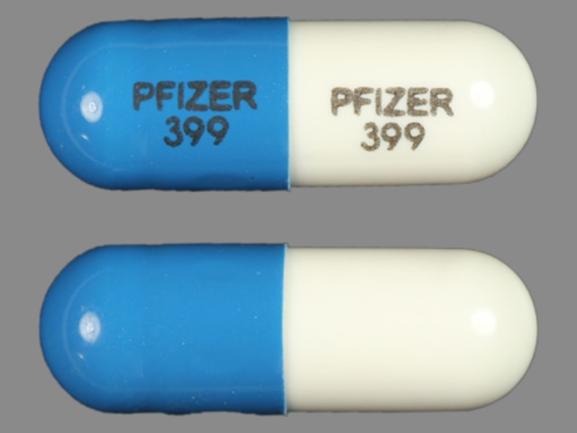
Geodon
Generic name: ziprasidone [ zi-PRAY-si-done ]
Drug class: Atypical antipsychotics
What is Geodon?
Geodon is an antipsychotic medication. It works by changing the effects of chemicals in the brain.
Geodon is used to treat schizophrenia and the manic symptoms of bipolar disorder (manic depression) in adults and children who are at least 10 years old. It is available as an oral (by mouth) treatment as an injection.
Geodon injection is used to quickly treat agitation in people with schizophrenia.
Warnings
You should not use Geodon if you have a heart rhythm disorder, a history of long QT syndrome, uncontrolled heart failure, if you have recently had a heart attack, or if you are allergic to ziprasidone.
Some medicines can cause unwanted or dangerous effects when used with ziprasidone, and should not be used at the same time. Tell each of your health care providers about all medicines you use now and any medicine you start or stop using.
Stop taking Geodon and call your doctor right away if you have a chest pain, severe dizziness, and a fast or pounding heartbeat. These could be signs of a serious heart rhythm problem.
This medicine is not approved for use in older adults with dementia-related psychosis.
Stop taking Geodon and call your doctor right away if you have severe muscle pains, muscle spasms, fevers, sweating, or confusion.
Stop using this medicine and call your doctor right away if you have a new or worsening skin rash with fever or swollen glands.
Tell your doctor if you experience prolonged diarrhea or loose stools while taking Geodon.
Before taking this medicine
You should not use Geodon if you are allergic to ziprasidone, or if you have:
-
a heart rhythm disorder;
-
a personal or family history of long QT syndrome;
-
uncontrolled or untreated heart failure; or
-
if you have recently had a heart attack.
Geodon is not approved for use in psychotic conditions related to dementia. Ziprasidone may increase the risk of death in older adults with dementia-related psychosis.
Geodon should never be taken together with any of the following drugs, or a life-threatening heart rhythm disorder could occur:
-
anagrelide;
-
methadone;
-
tacrolimus;
-
certain anti-nausea medicines including dolasetron, droperidol, or ondansetron;
-
the antibiotics azithromycin, clarithromycin, erythromycin, levofloxacin, moxifloxacin, and pentamidine;
-
certain cancer medicines such as arsenic trioxide and vandetanib;
-
the antidepressants citalopram, escitalopram;
-
anti-malaria medications including chloroquine, halofantrine, mefloquine;
-
the following heart rhythm medicines - amiodarone, disopyramide, dofetilide, dronedarone, flecainide, ibutilide, quinidine, sotalol; or
-
certain anti-psychotics such as chlorpromazine, haloperidol, mesoridazine, pimozide, and thioridazine.
This list is not complete and there may be other drugs that should not be taken at the same time as Geodon. Tell your doctor about all medicines you use.
To make sure Geodon is safe for you, tell your doctor if you have ever had:
-
any heart problems;
-
a heart attack or stroke;
-
a bone marrow or blood cell disorder;
-
breast cancer;
-
low blood levels of potassium or magnesium;
-
diabetes (ziprasidone may raise your blood sugar);
-
seizures or epilepsy;
-
suicidal thoughts;
-
Alzheimer's disease;
-
trouble swallowing;
-
liver disease; or
-
kidney disease.
Tell your doctor if you are pregnant or plan to become pregnant during treatment.
Taking antipsychotic medication during the last 3 months of pregnancy may cause problems in the newborn, such as withdrawal symptoms, breathing problems, feeding problems, fussiness, tremors, and limp or stiff muscles. However, you may have withdrawal symptoms or other problems if you stop taking your medicine during pregnancy. If you become pregnant while taking Geodon, do not stop taking it without your doctor's advice.
It is not known whether ziprasidone passes into breast milk or if it could harm a nursing baby. Talk to your doctor about Geodon if you are planning to breastfeed.
Older adults may be more sensitive to the effects of this medicine.
Geodon is not approved for use by anyone younger than 18 years old.
How should I take Geodon?
Use Geodon exactly as prescribed by your doctor. Follow all directions on your prescription label. Do not take this medicine in larger or smaller amounts or for longer than recommended.
Geodon capsules are taken by mouth.
Geodon injection is injected into a muscle. A healthcare provider will give you this injection if you are unable to take the medicine by mouth.
Take this medicine with food. Swallow the capsule whole.
While using Geodon, you may need frequent blood tests to check your kidney or liver function may.
If you are diabetic, check your blood sugar levels on a regular basis while you are taking Geodon.
Use Geodon regularly to get the most benefit. Get your prescription refilled before you run out of medicine completely.
It may take several weeks before your symptoms improve. Do not stop using this medicine suddenly, even if you feel fine. Keep using the medication as directed and tell your doctor if your symptoms do not improve.
Store at room temperature away from moisture, light, and heat.
Read all patient information, medication guides, and instruction sheets provided to you. Ask your doctor or pharmacist if you have any questions.
What happens if I miss a dose?
Take the missed dose as soon as you remember. Skip the missed dose if it is almost time for your next scheduled dose. Do not take extra medicine to make up the missed dose.
What happens if I overdose?
Seek emergency medical attention or call the Poison Help line at 1-800-222-1222. Overdose symptoms may include cause excessive sleepiness, slurred speech, high blood pressure, shaking, tremors, or anxiety.
While you are taking Geodon, you may be more sensitive to temperature extremes such as very hot or cold conditions. Avoid getting too cold, or becoming overheated or dehydrated. Drink plenty of fluids, especially in hot weather and during exercise. It is easier to become dangerously overheated and dehydrated while you are taking this medicine.
Geodon may impair your thinking or reactions. Avoid driving or operating machinery until you know how this medicine will affect you. Avoid getting up too fast from a sitting or lying position, or you may feel dizzy. Dizziness or severe drowsiness can cause falls, fractures, or other injuries.
Avoid drinking alcohol. Dangerous side effects could occur.
Geodon side effects
Get emergency medical help if you have signs of an allergic reaction to Geodon: (hives, difficult breathing, swelling in your face or throat) or a severe skin reaction (fever, sore throat, burning in your eyes, skin pain, red or purple skin rash that spreads and causes blistering and peeling).
Seek medical treatment if you have a serious drug reaction that can affect many parts of your body. Symptoms may include: skin rash, fever, swollen glands, muscle aches, severe weakness, unusual bruising, or yellowing of your skin or eyes. This reaction may occur several weeks after you began using ziprasidone.
Also call your doctor at once if you have:
-
dizziness or a light-headed feeling, like you might pass out;
-
chest pain, fast or pounding heartbeats;
-
uncontrolled muscle movements in your face (chewing, lip smacking, frowning, tongue movement, blinking or eye movement);
-
sudden weakness or ill feeling, fever, chills, sore throat, mouth sores, red or swollen gums, pain when swallowing;
-
increased thirst, increased urination, hunger, dry mouth, fruity breath odor, drowsiness, dry skin, blurred vision, weight loss; or
-
very stiff (rigid) muscles, high fever, sweating, confusion, agitation.
Common Geodon side effects may include:
-
dizziness, drowsiness, weakness;
-
headache;
-
nausea, vomiting;
-
trouble swallowing;
-
weight gain;
-
feeling restless or being unable to sit still;
-
tremors, involuntary muscle movements;
-
vision problems; or
-
runny nose, new or worsening cough.
This is not a complete list of side effects and others may occur. Call your doctor for medical advice about side effects. You may report side effects to FDA at 1-800-FDA-1088.
What other drugs will affect Geodon?
Taking Geodon with other drugs that make you sleepy or slow your breathing can cause dangerous or life-threatening side effects. Ask your doctor before taking a sleeping pill, narcotic pain medicine, prescription cough medicine, a muscle relaxer, or medicine for anxiety, depression, or seizures.
Geodon should never be taken together with any of the following drugs, or a life-threatening heart rhythm disorder could occur;
-
anagrelide;
-
methadone;
-
tacrolimus;
-
certain anti-nausea medicines including dolasetron, droperidol, or ondansetron;
-
the antibiotics azithromycin, clarithromycin, erythromycin, levofloxacin, moxifloxacin, and pentamidine;
-
certain cancer medicines such as arsenic trioxide and vandetanib;
-
the antidepressants citalopram and escitalopram;
-
anti-malaria medications including chloroquine, halofantrine, mefloquine;
-
the following heart rhythm medicines - amiodarone, disopyramide, dofetilide, dronedarone, flecainide, ibutilide, quinidine, sotalol; or;
-
certain anti-psychotics such as chlorpromazine, haloperidol, mesoridazine, pimozide, and thioridazine;
Many other drugs can interact with ziprasidone. Not all possible interactions are listed here. Tell your doctor about all your medications and any you start or stop using during treatment with Geodon. This includes prescription and over-the-counter medicines, vitamins, and herbal products.
References
More about Geodon (ziprasidone)
- Check interactions
- Compare alternatives
- Pricing & coupons
- Reviews (383)
- Drug images
- Side effects
- Dosage information
- During pregnancy
- Generic availability
- Support group
- Drug class: atypical antipsychotics
- Breastfeeding
- En español
Patient resources
- Geodon (Ziprasidone Intramuscular) advanced reading
- Geodon (Ziprasidone Oral) (Advanced Reading)
- Geodon (Ziprasidone Capsules)
- Geodon (Ziprasidone Injection)
Professional resources
Related treatment guides
Further information
Remember, keep this and all other medicines out of the reach of children, never share your medicines with others, and use Geodon only for the indication prescribed.
Always consult your healthcare provider to ensure the information displayed on this page applies to your personal circumstances.
Copyright 1996-2024 Cerner Multum, Inc. Version: 13.03.