Etonogestrel
Medically reviewed by Drugs.com. Last updated on Sep 19, 2024.
Pronunciation
(e toe noe JES trel)
Index Terms
- 3-Keto-desogestrel
- ENG
- Implanon
Dosage Forms
Excipient information presented when available (limited, particularly for generics); consult specific product labeling.
Implant, Subcutaneous:
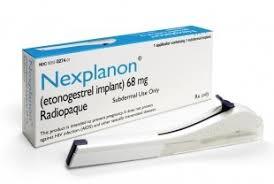
Nexplanon: 68 mg (1 ea) [latex free]
Brand Names: U.S.
- Nexplanon
Pharmacologic Category
- Contraceptive
- Progestin
Pharmacology
Etonogestrel is the active metabolite of desogestrel. It prevents pregnancy by suppressing ovulation, increasing the viscosity of cervical mucous, and inhibiting endometrial proliferation.
Distribution
Vd: ~201 L
Metabolism
Hepatic via CYP3A4; forms metabolites (activity not known)
Excretion
Urine (primarily); feces
Duration of Action
Each implant maintains etonogestrel levels sufficient to inhibit ovulation for 3 years
Half-Life Elimination
~25 hours
Protein Binding
Albumin (66%) and sex hormone binding globulin (~32%)
Use: Labeled Indications
Contraception: Prevention of pregnancy
Contraindications
Hypersensitivity to etonogestrel or any component of the formulation; breast cancer (known, suspected, or personal history of); progestin-sensitive cancer (current or a history of); hepatic tumors (benign or malignant) or active hepatic disease; pregnancy (known or suspected); thrombosis or thromboembolic disorders (current or history of); undiagnosed abnormal genital bleeding.
Documentation of allergenic cross-reactivity for progestins is limited. However, because of similarities in chemical structure and/or pharmacologic actions, the possibility of cross-sensitivity cannot be ruled out with certainty.
Dosing: Adult
Contraception (females): Subdermal: Insert 1 implant in the inner side of the upper, nondominant arm. Remove no later than 3 years after the date of insertion; may be replaced with a new implant at the time of removal if continued contraceptive protection is desired. After ruling out pregnancy, timing of insertion is based on the patient's contraceptive history:
No hormonal contraceptives within the past month: Insert between days 1 through 5 of menstruation, even if woman is still bleeding.
Switching from combination hormonal contraceptive:
Oral tablet: Insert on the day after the last active tablet (at the latest, insert on the day following the usual tablet-free or placebo interval).
Transdermal system or vaginal ring: Insert on the day of the removal of the transdermal system or vaginal ring (at the latest, insert on the day following the transdermal-free or ring-free interval).
Switching from a progestin-only contraceptive:
Oral tablet: Insert any day during the month within 24 hours of taking the last tablet.
Implant or intrauterine device (IUD): Insert on same day as removal of implant or IUD.
Injection: Insert on day next injection is due.
First trimester abortion or miscarriage: Insert within first 5 days following first trimester abortion or miscarriage.
Second trimester abortion or miscarriage: Insert between 21 and 28 days following second trimester abortion or miscarriage.
Postpartum: If not breastfeeding, insert between 21 to 28 days postpartum. If breastfeeding, insert after the fourth postpartum week and use a barrier method of contraception for the first 7 days of insertion.
Note: If following any of the above insertion schedules, no backup contraception needed (except in postpartum women who are breastfeeding). If deviating, use a backup barrier method of contraception for 7 days postinsertion. If intercourse has already occurred, pregnancy should be excluded.
Additional dosing considerations (Curtis 2016a):
Initiation of therapy: May be started at any time in the menstrual cycle once it is determined that the woman is not pregnant. Back-up contraception is not needed if started within 5 days of onset of menstruation. If started >5 days after the onset of menstruation or at any time in a woman experiencing amenorrhea (not postpartum), back-up contraception should be used for 7 days.
Switching from a different contraceptive to an implant: May be started at any time if it is determined that the woman is not pregnant. Unless the woman abstains from sexual intercourse, a back-up method of contraception is needed if it has been >5 days since menstrual bleeding has begun. When an additional method of contraception is needed, consider continuing the woman's previous method for 7 days after inserting the implant.
Switching from an IUD to an implant: Continue the IUD for at least 7 days after the implant is inserted or advise the woman to abstain from sexual intercourse or use a barrier contraceptive for 7 days before removing the IUD. Alternately, an emergency contraceptive may be used at the time of IUD removal.
Dosage adjustment for concomitant therapy: Significant drug interactions exist, requiring dose/frequency adjustment or avoidance. Consult drug interactions database for more information.
Dosing: Geriatric
Not indicated for use in postmenopausal women.
Dosing: Pediatric
Contraception: Postmenarche females: Subdermal: Insert 1 implant in the inner side of the upper, nondominant arm. Remove no later than 3 years after the date of insertion; may be replaced with a new implant at the time of removal if continued contraceptive protection is desired. After ruling out pregnancy, timing of insertion is based on the patient's recent contraceptive history:
No hormonal contraceptives within the past month: Insert between days 1 through 5 of menstruation, even if woman is still bleeding.
Switching from combination hormonal contraceptive:
Oral tablet: Insert on the day after the last active tablet (at the latest, insert on the day following the usual tablet-free or placebo interval).
Transdermal system or vaginal ring: Insert on the day of the removal of the transdermal system or vaginal ring (at the latest, insert on the day following the transdermal-free or ring-free interval).
Switching from a progestin-only contraceptive:
Oral tablet: Any day during the month; do not skip days between the last tablet and implant insertion.
Implant or intrauterine device (IUD): Insert on same day as removal of implant or IUD.
Injection: Insert on day next injection is due.
First trimester abortion or miscarriage: Insert within first 5 days following first trimester abortion or miscarriage.
Second trimester abortion or miscarriage: Insert between 21 and 28 days following second trimester abortion or miscarriage.
Postpartum: If not breastfeeding, insert between 21 to 28 days postpartum. If breastfeeding, insert after the fourth postpartum week and use a second nonhormonal form of contraception for the first 7 days of insertion.
Note: If following any of the above insertion schedules, no back-up contraception needed (except in postpartum women who are breastfeeding). If deviating, use a back-up nonhormonal contraceptive method for 7 days postinsertion. If intercourse has already occurred, pregnancy should be excluded.
Additional dosing considerations (Curtis 2016a):
Initiation of therapy: May be started at any time in the menstrual cycle once it is determined that the woman is not pregnant. Back-up contraception is not needed if started within 5 days of onset of menstruation. If started >5 days after the onset of menstruation or at any time in a woman experiencing amenorrhea (not postpartum), back-up contraception should be used for 7 days.
Switching from a different contraceptive to an implant: May be started at any time if it is determined that the woman is not pregnant. Unless the woman abstains from sexual intercourse, a back-up method of contraception is needed if it has been >5 days since menstrual bleeding has begun. When an additional method of contraception is needed, consider continuing the woman's previous method for 7 days after inserting the implant.
Switching from an IUD to an implant: Continue the IUD for ≥7 days after the implant is inserted or advise the woman to abstain from sexual intercourse or use a barrier contraceptive for 7 days before removing the IUD. Alternately, an emergency contraceptive may be used at the time of IUD removal.
Dosage adjustment for concomitant therapy: Significant drug interactions exist, requiring dose/frequency adjustment or avoidance. Consult drug interactions database for more information.
Reconstitution
Refer to the manufacturer's product labeling for preparation instructions.
Administration
Subdermal: For subdermal insertion by health care providers trained in the insertion and removal procedure. Insert implant subdermally just under the skin at the inner side of the nondominant upper arm overlying the triceps muscle ~8 to 10 cm (3 to 4 inches) from the medial epicondyle of the humerus and 3 to 5 cm (1.25 to 2 inches) posterior to the sulcus between the biceps and triceps muscles. This location is intended to avoid the large blood vessels and nerves lying within and surrounding the sulcus. If it is not possible to insert at this location (eg, in women with thin arms), insert as far posterior from the sulcus as possible. To ensure proper placement just under the skin, view advancement of the needle from the side, not from above the patient. Implant must be palpable after insertion. X-ray, CT scan, ultrasound scanning, or MRI may also be used to confirm the location of the implant if it is not palpable. Deeply placed implants should be localized and removed as soon as possible. Removal of deeply placed implants, implants that are not palpable, or implants that cannot be grasped during removal should be performed by health care providers trained in complex removal procedures. Use of a nonhormonal contraceptive (eg, condom) is required until the presence of the implant can be verified.
Perform removal under aseptic conditions. Inject local anesthetic under (not over) the implant. Confirm that the entire implant has been removed by measuring its length (4 cm). Remove all pieces if implant has broken. A new implant may be inserted in the same arm through the same incision as long as the site is in the correct location.
Refer to the manufacturer's product labeling for complete insertion, removal, and reinsertion instructions. A User Card (to give to the patient), consent form (to keep on file), and patient product information are provided with the device. Materials related to the insertion and removal of etonogestrel implant (including videos demonstrating insertion and removal) are available from the manufacturer (877-888-4231); www.nexplanontraining.com.
Storage
Store at 25°C (77°F); excursions are permitted between 15°C and 30°C (59°F and 86°F).
Drug Interactions
Acitretin: May diminish the therapeutic effect of Progestins (Contraceptive). Contraceptive failure is possible. Management: Given the potential for progestin-only preparations to fail to prevent pregnancy during acitretin therapy, such products should not be relied upon. Alternative, nonhormonal forms of contraception must be employed during acitretin therapy. Consider therapy modification
Anticoagulants: Progestins may diminish the therapeutic effect of Anticoagulants. More specifically, the potential prothrombotic effects of some progestins and progestin-estrogen combinations may counteract anticoagulant effects. Management: Carefully weigh the prospective benefits of progestins against the potential increased risk of procoagulant effects and thromboembolism. Use is considered contraindicated under some circumstances. Refer to related guidelines for specific recommendations. Consider therapy modification
Antidiabetic Agents: Hyperglycemia-Associated Agents may diminish the therapeutic effect of Antidiabetic Agents. Monitor therapy
Aprepitant: May decrease the serum concentration of Progestins (Contraceptive). Management: Alternative or additional methods of contraception should be used both during treatment with aprepitant or fosaprepitant and for at least one month following the last aprepitant/fosaprepitant dose. Consider therapy modification
Armodafinil: May decrease the serum concentration of Progestins (Contraceptive). Management: Use alternative or concomitant methods of contraception in patients taking armodafinil and for one month after armodafinil discontinuation. Consider therapy modification
Artemether: May decrease the serum concentration of Progestins (Contraceptive). Management: Consider the use of an alternative (i.e., non-hormonal) means of contraception in all women of childbearing potential who are using artemether. Consider therapy modification
Atazanavir: May increase the serum concentration of Progestins (Contraceptive). However, atazanavir may lead to decreased ethinyl estradiol concentrations and decreased effectiveness of oral contraceptive products. Management: Consider an alternative or additional method of contraception, particularly with combined estrogen/progestin products. Depot medroxyprogesterone acetate may be used without a need for additional contraception. Consider therapy modification
Barbiturates: May diminish the therapeutic effect of Progestins (Contraceptive). Contraceptive failure is possible. Management: Use of alternative, nonhormonal contraceptives is recommended. When using levonorgestrel as emergency contraception, non-US guidelines suggest doubling the dose of levonorgestrel to 3 mg in women who have used enzyme inducing drugs in the past 4 weeks. Consider therapy modification
Bexarotene (Systemic): May decrease the serum concentration of Progestins (Contraceptive). Management: Women of childbearing potential receiving bexarotene should use two reliable forms of contraception (including at least one nonhormonal form) due to the risk of decreased systemic hormone concentrations and fetal harm. Consider therapy modification
Bile Acid Sequestrants: May decrease the serum concentration of Progestins (Contraceptive). Management: Administer oral progestin-containing contraceptives at least 1 to 4 hours prior to or 4 to 6 hours after administration of a bile acid sequestrant. Consider therapy modification
Bosentan: May decrease the serum concentration of Progestins (Contraceptive). Management: Use an alternative (i.e., non-hormonal) means of contraception for all women of childbearing potential who are using bosentan, and do not rely on hormonal contraceptives alone. Consider therapy modification
Brigatinib: May decrease the serum concentration of Progestins (Contraceptive). Management: Females of childbearing potential should use an alternative, non-hormonal contraceptive during brigatinib therapy and for at least 4 months after the final brigatinib dose. Consider therapy modification
C1 inhibitors: Progestins may enhance the thrombogenic effect of C1 inhibitors. Monitor therapy
CarBAMazepine: May diminish the therapeutic effect of Progestins (Contraceptive). Contraceptive failure is possible. Management: Use of alternative, nonhormonal contraceptives is recommended. When using levonorgestrel as an emergency contraceptive, non-US recommendations suggest doubling the levonorgestrel dose to 3 mg if carbamazepine was used in the past 4 weeks. Consider therapy modification
Carfilzomib: May enhance the thrombogenic effect of Progestins (Contraceptive). Management: Consider alternative, non-hormonal methods of contraception in patients requiring therapy with carfilzomib. Consider therapy modification
Cenobamate: May decrease the serum concentration of Hormonal Contraceptives. Management: Women should use additional or alternative non-hormonal birth control while taking cenobamate. Consider therapy modification
Cladribine: May diminish the therapeutic effect of Hormonal Contraceptives. Management: Women using systemically acting hormonal contraceptives should add a barrier method during cladribine dosing and for at least 4 weeks after the last dose in each treatment course. Consider therapy modification
CloBAZam: May decrease the serum concentration of Progestins (Contraceptive). Management: Use additional non-hormonal forms of contraception in patients treated with clobazam due to the potential for reduced contraceptive efficacy. Consider therapy modification
Cobicistat: May increase the serum concentration of Progestins (Contraceptive). Management: Consider an alternative, nonhormone-based contraceptive in patients receiving cobicistat-containing products. Drospirenone is specifically contraindicated with atazanavir and cobicistat. Consider therapy modification
Corticosteroids (Systemic): Progestins may increase the serum concentration of Corticosteroids (Systemic). Monitor therapy
Dabrafenib: May decrease the serum concentration of Progestins (Contraceptive). Management: Females of reproductive potential should use an alternative, highly effective, non-hormonal means of contraception during and at least 2 weeks (dabrafenib alone) or 4 months (dabrafenib + trametinib) after discontinuation of dabrafenib treatment. Consider therapy modification
Darunavir: May decrease the serum concentration of Progestins (Contraceptive). Management: Consider using an alternative or additional means of contraception. Injected depot medroxyprogesterone acetate may be used without a need for additional contraception. Consider therapy modification
Efavirenz: May decrease the serum concentration of Progestins (Contraceptive). Management: Use an alternative or additional method of contraception due to possibly decreased contraceptive effectiveness. Injected depot medroxyprogesterone acetate does not appear to participate in this interaction. Consider therapy modification
Elexacaftor, Tezacaftor, and Ivacaftor: Hormonal Contraceptives may enhance the adverse/toxic effect of Elexacaftor, Tezacaftor, and Ivacaftor. Specifically, the risk for rash may be increased. Monitor therapy
Encorafenib: May decrease the serum concentration of Progestins (Contraceptive). Avoid combination
Eslicarbazepine: May decrease the serum concentration of Progestins (Contraceptive). Management: Alternative, non-hormonal means of birth control should be considered for women of child-bearing potential. Consider therapy modification
Exenatide: May decrease the serum concentration of Progestins (Oral Contraceptive). Management: Administer oral contraceptives at least one hour prior to exenatide. Consider therapy modification
Felbamate: May decrease the serum concentration of Progestins (Contraceptive). Management: Contraceptive failure is possible. Use of an alternative, nonhormonal method of contraception is recommended. Consider therapy modification
Flibanserin: Progestins (Contraceptive) may increase the serum concentration of Flibanserin. Monitor therapy
Fosamprenavir: Progestins (Contraceptive) may decrease serum concentrations of the active metabolite(s) of Fosamprenavir. Fosamprenavir may decrease the serum concentration of Progestins (Contraceptive). Management: Consider using an alternative or additional means of contraception. Injected depot medroxyprogesterone acetate may be used without a need for additional contraception. Consider therapy modification
Fosaprepitant: May decrease the serum concentration of Progestins (Contraceptive). The active metabolite aprepitant is likely responsible for this effect. Management: Alternative or additional methods of contraception should be used both during treatment with aprepitant or fosaprepitant and for at least one month following the last aprepitant/fosaprepitant dose. Consider therapy modification
Fosphenytoin: May diminish the therapeutic effect of Progestins (Contraceptive). Contraceptive failure is possible. Management: Contraceptive failure is possible. Use of an alternative, nonhormonal contraceptive is recommended. Consider therapy modification
Griseofulvin: May diminish the therapeutic effect of Progestins (Contraceptive). Contraceptive failure is possible. Avoid combination
Herbs (Progestogenic Properties) (eg, Bloodroot, Yucca): May enhance the adverse/toxic effect of Progestins. Monitor therapy
Ivosidenib: May decrease the serum concentration of Progestins (Contraceptive). Management: Consider alternative methods of contraception (ie, non-hormonal) in patients receiving ivosidenib. Consider therapy modification
Ixazomib: May decrease the serum concentration of Progestins (Contraceptive). More specifically, use of ixazomib with dexamethasone may decrease the serum concentrations of contraceptive progestins. Management: Patients of childbearing potential should use a nonhormonal barrier contraceptive during and 90 days following ixazomib treatment. Avoid combination
LamoTRIgine: May decrease the serum concentration of Progestins (Contraceptive). Monitor therapy
Lesinurad: May decrease the serum concentration of Progestins (Contraceptive). Management: Use of an additional, nonhormonal contraceptive is recommended in patients being treated with lesinurad who desire effective contraception. Consider therapy modification
Lixisenatide: May decrease the serum concentration of Progestins (Contraceptive). Management: Administer oral contraceptives 1 hour before or at least 11 hours after administration of lixisenatide. Consider therapy modification
Lopinavir: May decrease the serum concentration of Progestins (Contraceptive). Lopinavir may increase the serum concentration of Progestins (Contraceptive). Management: Consider using an alternative or additional means of contraception. Injected depot medroxyprogesterone acetate and etonogestrel implants may be used without a need for additional contraception. Consider therapy modification
Lumacaftor and Ivacaftor: May decrease the serum concentration of Hormonal Contraceptives. Management: Do not rely on hormone-based contraceptives with concurrent use of lumacaftor/ivacaftor; an alternative, non-hormonal, method of contraception should be used if this combination is required. Consider therapy modification
Metreleptin: May decrease the serum concentration of Progestins (Contraceptive). Metreleptin may increase the serum concentration of Progestins (Contraceptive). Monitor therapy
MiFEPRIStone: May diminish the therapeutic effect of Progestins (Contraceptive). MiFEPRIStone may increase the serum concentration of Progestins (Contraceptive). Management: Women of childbearing potential should use an effective, nonhormonal means of contraception during and 4 weeks following mifepristone treatment. Consider therapy modification
Modafinil: May decrease the serum concentration of Progestins (Contraceptive). Management: Use alternative or concomitant methods of contraception in patients taking modafinil and for one month after modafinil discontinuation. Consider therapy modification
Mycophenolate: May decrease the serum concentration of Progestins (Contraceptive). Management: Use of an additional or alternative (nonhormonal) method of contraception should be considered. Consider therapy modification
Nelfinavir: May decrease the serum concentration of Progestins (Contraceptive). Management: Use alternative/additional method of contraception due to possibly decreased contraceptive efficacy. Injected depot medroxyprogesterone acetate does not appear to participate in this interaction. Consider therapy modification
Octreotide: May decrease the serum concentration of Hormonal Contraceptives. Management: Women should use an alternative non-hormonal method of contraception or a back-up method when octreotide is combined with hormonal contraceptives. Consider therapy modification
OXcarbazepine: May decrease the serum concentration of Progestins (Contraceptive). Management: Contraceptive failure is possible. Use of an additional or alternative, nonhormonal method of contraception is recommended. Consider therapy modification
Perampanel: May decrease the serum concentration of Progestins (Contraceptive). Management: Patients should use an alternative, nonhormonal-based form of contraception both during the concurrent use of perampanel and for 1 month after discontinuing perampanel. Oral and non-oral contraceptives likely participate in this interaction. Consider therapy modification
Pexidartinib: May decrease the serum concentration of Hormonal Contraceptives. Management: Use an effective non-hormonal form of contraception. Avoid combination
Phenytoin: May diminish the therapeutic effect of Progestins (Contraceptive). Contraceptive failure is possible. Management: Contraceptive failure is possible. Use of an alternative, nonhormonal contraceptive is recommended. Consider therapy modification
Pitolisant: May decrease the serum concentration of Hormonal Contraceptives. Management: Patients using hormonal contraception should be advised to use an alternative non-hormonal contraceptive method during treatment with pitolisant and for at least 21 days after discontinuation of pitolisant treatment. Consider therapy modification
Pomalidomide: Progestins may enhance the thrombogenic effect of Pomalidomide. Management: Canadian pomalidomide labeling recommends caution with use of hormone replacement therapy and states that hormonal contraceptives are not recommended. US pomalidomide labeling does not contain these specific recommendations. Consider therapy modification
Primidone: May diminish the therapeutic effect of Progestins (Contraceptive). Contraceptive failure is possible. Management: Use of alternative, nonhormonal contraceptives is recommended. When using levonorgestrel as emergency contraception, non-US guidelines suggest doubling the dose of levonorgestrel to 3 mg in women who have used enzyme inducing drugs in the past 4 weeks. Consider therapy modification
Retinoic Acid Derivatives: May diminish the therapeutic effect of Progestins (Contraceptive). Retinoic Acid Derivatives may decrease the serum concentration of Progestins (Contraceptive). Management: Two forms of effective contraception should be used in patients receiving retinoic acid derivatives. Microdosed progesterone-only preparations (ie, minipills that do not contain estrogen) are considered an inadequate method of contraception. Consider therapy modification
Rifamycin Derivatives: May decrease the serum concentration of Progestins (Contraceptive). Contraceptive failure is possible. Management: Contraceptive failure is possible. Use of an alternative, nonhormonal contraceptive is recommended. Recommendations outside the US recommend doubling the levonorgestrel dose to 3 mg if used for emergency contraception. Consider therapy modification
Rufinamide: May decrease the serum concentration of Hormonal Contraceptives. Management: Use of rufinamide may reduce the effectiveness of hormonal contraceptives. Advise patients who are using a hormonal contraceptive with rufinamide to use an additional non-hormonal form of contraception during concomitant therapy. Consider therapy modification
Saquinavir: May decrease the serum concentration of Progestins (Contraceptive). Management: Use an alternative or additional method of contraception due to possibly decreased contraceptive effectiveness. Injected depot medroxyprogesterone acetate does not appear to participate in this interaction. Consider therapy modification
Selegiline: Progestins (Contraceptive) may increase the serum concentration of Selegiline. Monitor therapy
St John's Wort: May diminish the therapeutic effect of Progestins (Contraceptive). Contraceptive failure is possible. Management: Consider using a product other than St John's wort. Contraceptive failure is possible. Use of an alternative, nonhormonal contraceptive is recommended. Consider therapy modification
Sugammadex: May decrease the serum concentration of Progestins (Contraceptive). Management: Patients receiving any hormonal contraceptive (oral or non-oral) should use an additional, nonhormonal contraceptive method during and for 7 days following sugammadex treatment. Consider therapy modification
Tazemetostat: May decrease the serum concentration of Hormonal Contraceptives. Management: Women of reproductive potential should use a non-hormonal contraceptive method during treatment with tazemetostat and for 6 months after. Men with female partners should use contraception during treatment and for 3 months after. Consider therapy modification
Tetrahydrocannabinol and Cannabidiol: May decrease the serum concentration of Hormonal Contraceptives. Management: Women using hormonal contraceptives should consider adding a barrier contraceptive due to the potential for tetrahydrocannabinol and cannabidiol to decrease concentrations and effectiveness of hormonal contraceptives. Consider therapy modification
Thalidomide: Progestins (Contraceptive) may enhance the thrombogenic effect of Thalidomide. Monitor therapy
Tipranavir: May increase the serum concentration of Progestins (Contraceptive). Management: Use an alternative or additional method of contraception due to possibly decreased contraceptive effectiveness. Injected depot medroxyprogesterone acetate does not appear to participate in this interaction. Consider therapy modification
Topiramate: May decrease the serum concentration of Progestins (Contraceptive). Management: Caution patients that this combination may be associated with reduced contraceptive effectiveness. Consider adding an additional (non-hormonal) contraceptive method. Consider therapy modification
Tranexamic Acid: Progestins (Contraceptive) may enhance the thrombogenic effect of Tranexamic Acid. Avoid combination
Triazolam: Hormonal Contraceptives may increase the serum concentration of Triazolam. Monitor therapy
Ulipristal: Progestins may diminish the therapeutic effect of Ulipristal. Ulipristal may diminish the therapeutic effect of Progestins. Management: Ulipristal for uterine fibroids (Canadian indication): avoid progestins within 12 days of stopping ulipristal; as emergency contraceptive (U.S. indication): avoid progestins within 5 days of stopping ulipristal. Avoid combination
Vitamin K Antagonists (eg, warfarin): Progestins (Contraceptive) may diminish the anticoagulant effect of Vitamin K Antagonists. In contrast, enhanced anticoagulant effects have also been noted with some products. Management: When possible, concomitant hormonal contraceptives and coumarin derivatives should be avoided in order to eliminate the risk of thromboembolic disorders. Consider using an alternative, nonhormonal contraceptive. Consider therapy modification
Voriconazole: May increase the serum concentration of Progestins (Contraceptive). Progestins (Contraceptive) may increase the serum concentration of Voriconazole. Monitor therapy
Adverse Reactions
The following adverse drug reactions and incidences are derived from product labeling unless otherwise specified.
>10%:
Dermatologic: Acne vulgaris (14%)
Endocrine & metabolic: Menstrual disease (<3 episodes/90 days: 34%; prolonged menstrual bleeding lasting >14 days: 18%; >5 episodes/90 days: 7%), amenorrhea (no bleeding in 90 days: 22%), weight gain (14%)
Gastrointestinal: Abdominal pain (11%)
Genitourinary: Vaginitis (15%), mastalgia (13%)
Nervous system: Headache (25%)
Respiratory: Pharyngitis (11%)
1% to 10%:
Dermatologic: Localized erythema (implant site: ≤3%)
Endocrine & metabolic: Dysmenorrhea (7%)
Gastrointestinal: Nausea (6%)
Genitourinary: Leukorrhea (10%)
Hypersensitivity: Hypersensitivity reaction (5%)
Local: Application site reaction (implant site: 4% to 9%), local pain (implant site: 1% to 5%), hematoma at injection site (implant site: ≤3%), bruising at injection site (implant site: 2%)
Nervous system: Dizziness (7%), emotional lability (7%), depression (6%), nervousness (6%), pain (6%)
Neuromuscular & skeletal: Back pain (7%)
Respiratory: Flu-like symptoms (8%)
<1%, postmarketing, and/or case reports: Abscess, acute myocardial infarction, alopecia, anaphylaxis, angioedema (including exacerbation of hereditary angioedema), anxiety, arthralgia, breast hypertrophy, cerebrovascular accident, chloasma, cicatrix of skin, constipation, decreased libido, deep vein thrombosis, diarrhea, drowsiness, dysuria, edema, fatigue, fever, fibrosis (implant site), flatulence, genital pruritus, hot flash, hypertension, hypertrichosis, increased appetite, insomnia, intracranial hypertension (Tan 2019), migraine, musculoskeletal pain, myalgia, nipple discharge, ovarian cyst, paresthesia, pruritus, pulmonary embolism, rhinitis, seborrhea, seizure, skin rash, swelling (implant site), urinary tract infection, urticaria, vaginal discomfort, vomiting, weight loss
Related/similar drugs
Warnings/Precautions
Concerns related to adverse effects:
• Breast cancer: Breast cancer is a hormonal sensitive tumor and the prognosis for women with current or a recent history of breast cancer may be worse with progestin-only contraceptive use (Curtis 2016a). Use is contraindicated in women with (or history of) breast cancer.
• Ectopic pregnancy: Ectopic pregnancy (rare) may occur more commonly than in women using no contraception.
• Ovarian cysts: Follicular development may occur and may continue to increase in size beyond what may occur in a normal cycle; generally, ovarian cysts resolve spontaneously without intervention; however, surgery may rarely be required.
• Retinal vascular thrombosis: Discontinue if unexplained loss of vision, proptosis, diplopia, papilledema, or retinal vascular lesions occur and immediately evaluate for retinal vein thrombosis.
• Thromboembolism: Combination hormonal contraceptives may increase the risk of thromboembolism and other vascular events (eg, deep vein thrombosis [DVT], myocardial infarction, pulmonary embolism [PE]). Women with inherited thrombophilias (eg, protein C or S deficiency) may have increased risk of venous thromboembolism when using combination hormonal contraceptives (DeSancho 2010; van Vlijmen 2011). The risk of DVT/PE is expected to be less with progestin only contraceptives than that observed with combination hormonal contraceptives (Curtis 2016b). Use of etonogestrel is contraindicated in women with thrombosis or thromboembolic disorders (current or history of).
• Vaginal bleeding: Changes in bleeding patterns are likely to occur. Presentation of undiagnosed, persistent, or recurrent abnormal vaginal bleeding warrants further evaluation to rule out malignancy.
• Weight gain: Use commonly results in an average weight gain of ~2.8 pounds after 1 year and ~3.7 pounds after 2 years of treatment.
Disease-related concerns:
• Cardiovascular disease: Use with caution in patients with risk factors for cardiovascular disease (eg, hypertension, hypercholesterolemia, morbid obesity, diabetes, women who smoke) (Curtis 2016b)
• Diabetes: May impair glucose tolerance; use caution in women with diabetes or prediabetes.
• Diseases exacerbated by fluid retention: Use with caution in patients with diseases that may be exacerbated by fluid retention.
• Gallbladder disease: Use of combination hormonal contraceptives may have an increased risk of developing gallbladder disease; it is not known if this risk increases with progestin only products.
• Hepatic adenomas or carcinomas: Use of combination hormonal contraceptives is associated with hepatic adenomas (rare). The risk with progestin only contraceptives is not known. Etonogestrel is contraindicated with preexisting hepatic tumors.
• Hepatic impairment: May be poorly metabolized in women with hepatic impairment. Discontinue if jaundice develops during therapy or if liver function becomes abnormal. Use is contraindicated in hepatic disease.
• Hyperlipidemia: Use caution in patients treated for hyperlipidemia; progestins may increase low-density lipoprotein concentrations.
• Hypertension: According to the manufacturer, women with a history of hypertension-related diseases should be encouraged to use a nonhormonal form of contraception. In women with hypertension that is well-controlled, use may be considered; monitor BP closely. If sustained hypertension develops during use, or if a significant increase in BP does not respond adequately to antihypertensive therapy, remove the implant. Women with adequately controlled hypertension may use progestin only implants; other risk factors for cardiovascular disease (such as older age, smoking, diabetes) should be considered when prescribing (Curtis 2016b).
• Renal impairment: Women with renal disease should be encouraged to use a nonhormonal form of contraception.
Special populations:
• Contact lens wearers: Any changes with lens tolerance or vision should be evaluated by an ophthalmologist.
• Obese: Lower etonogestrel serum concentrations are associated with increased BMI (Lazorwitz 2019). Use with caution in overweight women (may be less effective, especially in the presence of other risk factors such as concomitant enzyme inducers that may influence serum concentrations). Women >130% of ideal body weight were not included in clinical studies. However, contraceptive failure was not observed in obese women in a prospective study (Xu 2012). Progestin-only implants may be used in women with a BMI ≥30 kg/m2 (Curtis 2016b).
• Pediatric: Not for use prior to menarche.
• Surgical patients: Consider removal during periods of prolonged immobilization due to surgery or illness.
Dosage form specific issues:
• Implant: Broken or bent implants while in the patient's arm have been reported; the release rate of etonogestrel may be slightly increased. Ensure implant is removed in its entirety.
Other warnings/precautions:
• Appropriate use: For use in women who request long-acting (up to 3 years) contraception. Improper insertion may lead to unintended pregnancy. Insertion/removal should be done by a trained health care provider and implant must be palpable after insertion. Complications may occur from insertion and removal procedures including paraesthesia (due to neural injury), migration of the implant (due to IM or fascial insertion), and intravascular insertion. Cases in which the implant migrated within the pulmonary artery have been asymptomatic or associated with chest pain and/or respiratory disorders (eg, cough, dyspnea, hemoptysis). Deeply placed implants should be localized and removed as soon as possible to prevent migration. Treatment should be instituted for infection at the insertion site; if infection persists, the implant should be removed. Expulsion may occur following incomplete insertion or infection. The implant must be removed by the end of the third year.
• Cervical cancer: The use of combination hormonal contraceptives has been associated with a slight increased risk of cervical cancer; however, studies are not consistent and may be related to additional risk factors (Gierisch 2013). Women awaiting treatment for cervical or ovarian cancer may use progestin only contraceptives (Curtis 2016b).
• HIV infection protection: Use does not protect against HIV infection or other sexually transmitted diseases (Curtis 2016a; Curtis 2016b).
• Laboratory changes: The use of estrogens and/or progestins may change the results of some laboratory tests (eg, coagulation factors, lipids, glucose tolerance, binding proteins). The dose, route, and the specific estrogen/progestin influences these changes. In addition, personal risk factors (eg, cardiovascular disease, smoking, diabetes, age) also contribute to adverse events; use of specific products may be contraindicated in women with certain risk factors.
Monitoring Parameters
Assessment of pregnancy status (prior to therapy); weight (optional; body mass index [BMI] at baseline may be helpful to monitor changes during therapy); assess potential health status changes at routine visits (Curtis 2016a).
Monitor patient for vision changes; BP; signs and symptoms of thromboembolic disorders; signs or symptoms of depression; glycemic control in patients with prediabetes or diabetes; lipid profiles in patients being treated for hyperlipidemias. Bleeding irregularities including amenorrhea; adequate diagnostic measures should be performed to rule out malignancy in all cases of undiagnosed abnormal vaginal bleeding.
Reproductive Considerations
Evaluate pregnancy status prior to use.
Due to the risk of thromboembolism associated with pregnancy and the immediate postpartum period, the manufacturer does not recommend insertion <21 days' postpartum. However, available guidelines state that progestin-only implants may be inserted at any time if it is reasonably certain the woman is not pregnant, including immediately postpartum or post abortion (Curtis 2016a). Administration immediately postpartum (prior to hospital discharge) may be offered regardless of breastfeeding status and may help prevent rapid repeat and unintended pregnancies (ACOG 186 2017).
Etonogestrel serum concentrations decrease by 1 week after removal of the implant; pregnancies have been reported as early as 7 to 14 days after removal. Restart contraception immediately after removal if continued contraception is desired.
Pregnancy Considerations
Use is contraindicated in pregnant women.
Etonogestrel is used to prevent pregnancy; the implant should be removed if pregnancy occurs. In general, the use of combination hormonal contraceptives, when inadvertently used early in pregnancy, have not been associated with teratogenic effects. There is no evidence that the risk is different with etonogestrel.
Patient Education
What is this drug used for?
• It is used to prevent pregnancy.
All drugs may cause side effects. However, many people have no side effects or only have minor side effects. Call your doctor or get medical help if any of these side effects or any other side effects bother you or do not go away:
• Acne
• Vaginal irritation
• Menstrual changes
• Application site irritation
• Abdominal pain
• Throat irritation
• Back pain
• Nausea
• Anxiety
WARNING/CAUTION: Even though it may be rare, some people may have very bad and sometimes deadly side effects when taking a drug. Tell your doctor or get medical help right away if you have any of the following signs or symptoms that may be related to a very bad side effect:
• Liver problems like dark urine, fatigue, lack of appetite, nausea, abdominal pain, light-colored stools, vomiting, or yellow skin or eyes
• Weakness on 1 side of the body, trouble speaking or thinking, change in balance, drooping on one side of the face, or blurred eyesight
• Blood clots like numbness or weakness on one side of the body; pain, redness, tenderness, warmth, or swelling in the arms or legs; change in color of an arm or leg; chest pain; shortness of breath; fast heartbeat; or coughing up blood
• Gallstones like pain in the upper right abdominal area, right shoulder area, or between the shoulder blades; yellow skin; or fever with chills
• Weight gain
• Swelling
• Trouble breathing
• Depression
• Mood changes
• Severe headache
• Severe dizziness
• Passing out
• Contact lens discomfort
• Flu-like symptoms
• Abnormal vaginal bleeding
• Vision changes
• Blindness
• Nipple discharge
• Bulging eyes
• Skin infection
• Lump in breast
• Breast pain or soreness
• Signs of an allergic reaction, like rash; hives; itching; red, swollen, blistered, or peeling skin with or without fever; wheezing; tightness in the chest or throat; trouble breathing, swallowing, or talking; unusual hoarseness; or swelling of the mouth, face, lips, tongue, or throat.
Note: This is not a comprehensive list of all side effects. Talk to your doctor if you have questions.
Consumer Information Use and Disclaimer: This information should not be used to decide whether or not to take this medicine or any other medicine. Only the healthcare provider has the knowledge and training to decide which medicines are right for a specific patient. This information does not endorse any medicine as safe, effective, or approved for treating any patient or health condition. This is only a limited summary of general information about the medicine’s uses from the patient education leaflet and is not intended to be comprehensive. This limited summary does NOT include all information available about the possible uses, directions, warnings, precautions, interactions, adverse effects, or risks that may apply to this medicine. This information is not intended to provide medical advice, diagnosis or treatment and does not replace information you receive from the healthcare provider. For a more detailed summary of information about the risks and benefits of using this medicine, please speak with your healthcare provider and review the entire patient education leaflet.
More about etonogestrel
- Check interactions
- Compare alternatives
- Reviews (6,589)
- Side effects
- Dosage information
- During pregnancy
- Drug class: contraceptives
- Breastfeeding
- En español
Patient resources
Other brands
Professional resources
Other brands
Related treatment guides
Further information
Always consult your healthcare provider to ensure the information displayed on this page applies to your personal circumstances.