How To Care For Your Suprapubic Catheter
GENERAL INFORMATION:
What is a suprapubic catheter? A suprapubic catheter is a bendable rubber tube that is inserted directly from your abdomen into your urinary bladder to drain urine. A suprapubic catheter may be used in conditions where there is a problem passing urine. These problems may include an infection, obstruction, or an injury caused by trauma or surgery in the bladder. A spinal cord injury, diabetes (high blood sugar level), and certain medicines may also cause urinary retention. Males who have an enlarged prostate, and females who have a cystocele may also have problems draining urine. Suprapubic catheters may be used for long-term management of these conditions.
How do I clean the skin around my suprapubic catheter? The opening created for the suprapubic catheter is called a stoma. Clean the skin around your stoma every day unless your caregiver tells you differently. The following are directions for cleaning the skin around your stoma:
- Gather all the items you will need:
- Warm water and soap without lotions or perfumes in it.
- Clean washcloth or sterile gauze bandage.
- Clean towel.
- New gauze bandage.
- Sterile (clean) medical gloves.
- Trash can.
- Warm water and soap without lotions or perfumes in it.
- Remove the bandage and look at the site:
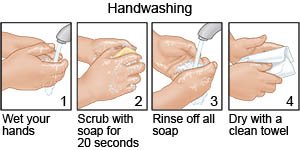
- Wash your hands using soap, or use a hand cleaner. Put on clean gloves.
- Gently remove the bandage. Do this by supporting the skin around the stoma with one hand. With the other hand, gently remove any adhesive tape by pulling in the direction of hair growth. Throw the bandage away in the trash can.
- Look for problems such as redness, separation of skin, red spots and swelling. Report any skin changes to your caregiver. Throw away your used gloves. Wash your hands, and put on clean gloves.
- Wash your hands using soap, or use a hand cleaner. Put on clean gloves.
- Clean the area with soap and warm water:
- Hold the end of the catheter tube in place to keep it from being pulled out while cleaning.
- Wash the catheter to remove blood or other material, moving away from the stoma.
- Rinse the stoma and the skin around it in a circular manner, moving away from the stoma.
- Pat the area gently with a clean towel to dry it.
- Throw away your used gloves. Wash your hands, and put on clean gloves. If you use a bandage, apply a new one.
- Loop the catheter tubing and secure it well. Avoid kinking or blocking the tubing. Throw away your used gloves. Wash your hands.
- Hold the end of the catheter tube in place to keep it from being pulled out while cleaning.
How do I change my suprapubic catheter? You, a carer, or a family member may be taught how to change the catheter. A suprapubic catheter usually needs to be changed every 4 to 10 weeks. In some cases the catheter may need to changed earlier or more often. Do the following to change a suprapubic catheter:
- Gather all the items you will need:
- Anesthesia (numbing) gel (if suggested by your caregiver).
- Syringe for removing the water in the catheter balloon.
- Bandage and surgical tape.
- New catheter pack.
- Sterile (clean) medical gloves.
- Anesthesia (numbing) gel (if suggested by your caregiver).
- Remove the bandage and prepare to remove the catheter:
- Clamp your catheter for a short time to allow urine to collect in the bladder.
- Wash your hands using germ-killing soap and warm water. Put on new gloves.
- Remove the dressing if you use one, and throw it away. Wash your hands, and put on new gloves.
- Prepare the new catheter as directed on the package, or as you have been shown.
- Clean around the insertion site. Wash your hands, and put on new gloves.
- Get into a position that is comfortable for you, such as lying down on your back.
- Clamp your catheter for a short time to allow urine to collect in the bladder.
- Remove the old catheter:
- Hold firmly and gently rotate the catheter to release any attachments on the catheter. Use the syringe to deflate the catheter balloon by removing all of the water inside it.
- Hold the catheter at a point close to the insertion site. Keep your fingers at this point on the tube, and then gently pull the catheter in an upward direction, away from you. If the catheter is hard to pull, you may need to stop and rotate the catheter more while pressing down gently.
- If caregivers have told you, you may use a topical anesthesia gel to help remove the catheter. Pull the catheter until it comes all of the way out. There may a small amount of bleeding after the catheter comes out. This is normal.
- Leave the site without a catheter inserted for less than two minutes. Compare the old and new catheters by looking on the position of your fingers on the old catheter. This will show how far to insert the new one.
- Clean the catheter insertion site again.
- Hold firmly and gently rotate the catheter to release any attachments on the catheter. Use the syringe to deflate the catheter balloon by removing all of the water inside it.
- Insert the new catheter:
- Be sure the new drainage bag is attached to the new catheter. Gently insert the new catheter to the same point where your finger held the old catheter after you removed it. If your caregiver agrees, topical anesthetic gel may be used.
- When urine begins to flow through the tubing, inflate the balloon with 10 milliliters (mL) of water, or as much as is stated on the catheter kit. If pain is felt or the balloon is hard to inflate, gently pull back on or advance the catheter a small amount and try again.
- Do not take longer than 1 or 2 minutes to insert the new catheter. If a longer period of time passes, the stoma may start to close. If this happens, try inserting a smaller-sized catheter if you have one. If you have trouble, cover the opening with a sterile bandage and call your caregiver right away.
- Apply a bandage if you use one. A piece of sterile gauze may be used. Cut the gauze to fit around the catheter and tape it tightly.
- Secure the catheter, and gather any extra catheter tubing, looping it loosely. Catheters should be secured to the thigh for women, and the abdomen or thigh for men. Tubing should be secured loosely to avoid pulling on the catheter. Throw away your used gloves, and wash your hands.
- Be sure the new drainage bag is attached to the new catheter. Gently insert the new catheter to the same point where your finger held the old catheter after you removed it. If your caregiver agrees, topical anesthetic gel may be used.
How do I empty the urine drainage bag? Empty a urine drainage bag when it is one-half to two-thirds full. Empty a full-sized drainage bag every eight hours. If you have a smaller leg bag, empty it every 3 to 4 hours. Do the following when emptying your urine drainage bag:
- Place a large container on the floor next to your chair. You may also hold the urine bag over the toilet.
- Remove the drain spout from its sleeve at the bottom of the urine bag without touching its tip. Open the slide valve on the spout.
- Let the urine flow out of the urine bag into the container or toilet. Do not let the drainage tube touch anything.
- Clean the end of the drain spout when the bag is empty. Ask your caregiver which cleaning solution is best to use.
- Close the slide valve and put the drain spout into its sleeve at the bottom of the urine bag. Write down how much urine was in your bag if your caregiver has asked you to keep a record.
How do I clean the urine drainage bag? Clean your reusable urine drainage bag at least once a week. After detaching the used drainage bag from the catheter tubing and replaced it with a new bag, do the following:
- Drain any urine out of the used drainage bag.
- Rinse the used drainage bag with warm water.
- Fill the bag with one part white vinegar to three parts tap water. Let the bag sit with the water and vinegar in it for 30 minutes. You may also use full-strength vinegar, or four ounces of bleach mixed in one gallon (128 ounces) of water. If you use bleach, avoid letting the solution touch your skin, eyes or clothing, and do not breathe it in.
- Empty, rinse, and air-dry the urine drainage bag.
- When the bag is dry, store it in a clean plastic bag until you are ready to use it again.
What are the risks of having a suprapubic catheter? Risks of having a suprapubic catheter include urinary tract infections, and bladder irritation. You may have an allergic reaction to the rubber that some catheters are made of. Long term use can also be lead to the formation of kidney stones, blood in the urine, and swelling of the bladder. Catheters used over a period of time can also develop problems which make them very hard to remove and replace. Talk to your caregiver if you are worried about these risks.
What can I do to prevent catheter-related infections and other problems?
- Check the catheter to be sure it is in place after changing clothes or other activity. Avoid wearing tight clothing over the tubing or catheter. Position the tubing over your thigh rather than under it when sitting.
- Keep the urine bag below the level of your bladder (below waist level). This will prevent urine from flowing back into your bladder from the tubing and urine bag. Backflow of urine can cause an infection. Never raise the drainage bag above your stomach. Keep the tubing below the level of the bladder, but above the level of the bag.
- Keep a closed drainage system. Avoid detaching the tubing from the drainage bag unless you are changing the drainage bag to clean it or throw it away. During the day, you may use a leg bag or smaller drainage bag. At night, attach extra tubing and a second, large drainage bag to the leg bag.
- Keep extra catheter supplies in your home. Ask caregivers where to buy catheter supplies.
- Secure the catheter well. Catheters that are not secured will pull at the insertion site. This causes the stoma to get bigger and urine may start leaking out of the stoma.
- Wash your hands before and after all catheter care. Use germ-killing soap and warm water to wash your hands. You may also use germ-killing hand-washing gel. Put on a new pair of clean medical gloves when doing catheter care.
- Do not place the drainage bag on the floor. When hanging a drainage bag, keep the tubing in a straight line rather than coiled to prevent it from getting blocked.
- Do not irrigate your bladder. Unless a caregiver has told you how and when to irrigate your bladder, do not irrigate it.
- Do not re-use single-use (disposable) catheter supplies. Throw single-use supplies away.
Should I make changes to my diet?
- Drinking liquids: Men 19 years old and older should drink about 3.0 Liters of liquid each day (close to 13 eight-ounce cups). Women 19 years old and older should drink about 2.2 Liters of liquid each day (close to 9 eight-ounce cups). Good choices for most people to drink include water, juice, and milk. Avoid drinks that contain alcohol or caffeine. Alcohol and caffeine can cause bladder irritation and spasms. Some food items such as soup and fruit also add liquid to your diet. Ask your caregiver how much liquid you should have each day.
- Include fiber in your diet: Include fruits, vegetables and other foods with fiber in your diet. Fiber helps decrease constipation, which is a condition where you have hard stools that are difficult to pass. This causes catheter blockage and bladder pressure leading to leaking urine.
How will I know if there are problems with my catheter? No urine drainage from the catheter for 6 to 8 hours is a sign that may mean your catheter is not draining urine from your bladder. Other signs include having a wet bed or clothing. Feeling restless or having pain or fullness in your lower abdomen can also be signs of problems. If you have any of these signs, do the following:
- Check to see if the urine tubing is twisted or bent, or you are lying on the catheter or tubing.
- Make sure the urine bag and tubing are located below the level of your bladder. This is below waist level.
- Move to a different position.
- Irrigate (flush) the catheter only if you have been taught how to do this by a caregiver.
- If there is still no urine draining or you continue to feel restlessness, pain or fullness, call your caregiver right away.
When should I call my caregiver?
- Call your caregiver right away if you have any signs of infection. These signs include fever, hip or stomach pain, or tremors. Changes in how your urine looks or smells, or unexplained mood or behavior changes may also be signs of infection.
- Call your caregiver for drainage bag color changes. Although color changes may be caused by medicine or foods, call your caregiver to report color changes to your drainage bag.
- If the catheter comes out, call a caregiver immediately. Cover the area with a sterile bandage while calling your caregiver.
CARE AGREEMENT:
You have the right to help plan your care. To help with this plan, you must learn about your health condition and how it may be treated. You can then discuss treatment options with your caregivers. Work with them to decide what care may be used to treat you. You always have the right to refuse treatment.
![]() |
Link to Page | ![]() |
Print Page | ![]() |
Email Page |