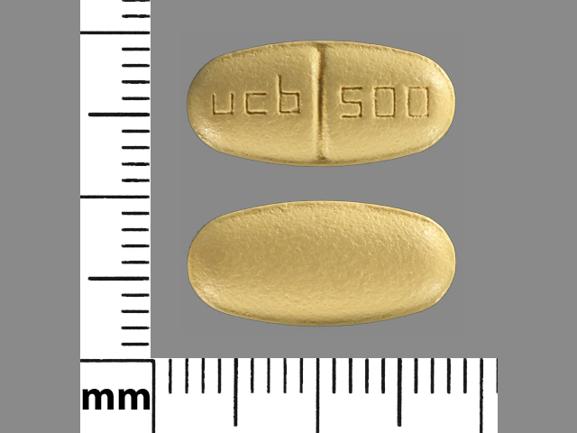
Keppra
Generic name: levetiracetam (oral/injection) [ LEE-ve-tye-RA-se-tam ]
Other brand names of levetiracetam (oral/injection) include: Keppra, Keppra XR
Drug class: Pyrrolidine anticonvulsants
What is Keppra?
Keppra is an anti-epileptic drug, also called an anticonvulsant.
Keppra is a prescription medicine used to treat certain types of seizures in people with epilepsy, including partial onset seizures, myoclonic seizures, and tonic-clonic seizures.
When used for partial onset seizures:
-
Keppra XR is for adults and children at least 12 years old.
-
Keppra (immediate release tablets or oral solution) may be used in children as young as 1 month old.
Keppra is also used with other seizure medications to treat tonic-clonic seizures in people who are at least 6 years old, and myoclonic seizures in people at least 12 years old.
Keppra injection is used only as an alternative for patients when oral use is temporarily not possible.
Warnings
Do not stop using Keppra without first talking to your doctor, even if you feel fine. You may have increased seizures if you stop using this medicine suddenly. You may need to use less and less before you stop the medication completely.
Some people have thoughts about suicide when first taking this medicine. Stay alert to changes in your mood or symptoms. Report any new or worsening symptoms to your doctor.
Wear a medical alert tag or carry an ID card stating that you take Keppra. Any medical care provider who treats you should know that you take seizure medication.
Keppra may impair your thinking or reactions. Be careful if you drive or do anything that requires you to be alert. Tell your doctor if you are pregnant or plan to become pregnant while using this medication. Do not start or stop taking levetiracetam during pregnancy without your doctor's advice. Having a seizure during pregnancy could harm both the mother and the baby. Seizure control is very important during pregnancy and the benefits of preventing seizures may outweigh any risks posed by using this medicine.
Before taking this medicine
You should not use Keppra if you are allergic to levetiracetam.
To make sure Keppra is safe for you, tell your doctor if you have ever had:
-
kidney disease (or if you are on dialysis);
-
depression or other mood problems;
-
mental illness or psychosis; or
-
suicidal thoughts or actions.
Do not give this medicine to a child without medical advice. Different brands of levetiracetam are for use only in children of certain ages.
Some people have thoughts about suicide while taking Keppra. Your doctor will need to check your progress at regular visits. Your family or other caregivers should also be alert to changes in your mood or symptoms.
Do not start or stop seizure medication during pregnancy without your doctor's advice. Having a seizure during pregnancy could harm both mother and baby. Tell your doctor if you become pregnant. Your dose needs may be different during pregnancy.
If you are pregnant, your name may be listed on a pregnancy registry to track the effects of levetiracetam on the baby.
Ask a doctor if it is safe to breastfeed while using this medicine.
How should I take Keppra?
Take Keppra exactly as prescribed by your doctor. Follow all directions on your prescription label and read all medication guides or instruction sheets. Your doctor may occasionally change your dose.
Keppra oral is taken by mouth at the same time each day, with or without food.
Keppra injection is given in a vein if you are unable to take the medicine by mouth.
Your dose needs may change if you switch to a different brand, strength, or form of levetiracetam. A child's dose needs may change if the child gains or loses weight. Avoid medication errors by using only the brand, form, and strength your doctor prescribes.
Read and carefully follow any Instructions for Use provided with your medicine. Ask your doctor or pharmacist if you do not understand these instructions.
Measure liquid medicine with the supplied syringe or a dose-measuring device (not a kitchen spoon).
Swallow the extended-release tablet whole and do not crush, chew, or break it.
Your kidney function may need to be tested.
Use all seizure medications as directed. Do not change your dose or stop using a medicine without your doctor's advice.
Seizures may increase if you stop using Keppra suddenly.. Ask your doctor before stopping the medicine.
Wear a medical alert tag or carry an ID card to let others know you have seizures.
Store at room temperature away from moisture, heat, and light.
What happens if I miss a dose?
Take the medicine as soon as you can, but skip the missed dose if it is almost time for your next dose. Do not take two doses at one time.
Get your prescription refilled before you run out of medicine completely.
What happens if I overdose?
Seek emergency medical attention or call the Poison Help line at 1-800-222-1222.
Overdose symptoms may include extreme drowsiness, agitation, aggression, shallow breathing, weakness, or fainting.
What should I avoid while taking Keppra?
Avoid driving or hazardous activity until you know how this medicine will affect you. Dizziness or drowsiness can cause falls, accidents, or severe injuries.
Keppra side effects
Get emergency medical help if you have signs of an allergic reaction to Keppra (hives, difficult breathing, swelling in your face or throat) or a severe skin reaction (fever, sore throat, burning in your eyes, skin pain, red or purple skin rash that spreads and causes blistering and peeling).
Report any new or worsening symptoms to your doctor, such as: mood or behavior changes, depression, anxiety, panic attacks, trouble sleeping, or if you feel agitated, hostile, irritable, hyperactive (mentally or physically), or have thoughts about suicide or hurting yourself.
Call your doctor at once if you have:
-
unusual changes in mood or behavior (unusual risk-taking behavior, being irritable or talkative);
-
confusion, hallucinations, extreme drowsiness, feeling very weak or tired;
-
loss of balance or coordination, problems with walking or movement;
-
a skin rash, no matter how mild;
-
easy bruising, unusual bleeding; or
-
fever, chills, weakness, or other signs of infection.
Common Keppra side effects may include:
-
dizziness, drowsiness, tiredness, weakness;
-
feeling aggressive or irritable;
-
loss of appetite;
-
stuffy nose; or
-
infection.
This is not a complete list of side effects and others may occur. Call your doctor for medical advice about side effects. You may report side effects to FDA at 1-800-FDA-1088.
Related/similar drugs
Lamictal
Lamictal is an anti-epileptic medication used treat seizures in adults and children over 2 years ...
Lyrica
Lyrica is used to control seizures, treat nerve pain and fibromyalgia. Learn about side effects ...
Xcopri
Xcopri (cenobamate) is an oral, once-daily, tablet that may be used to treat partial-onset seizures ...
Depakote
Depakote is used to treat various types of seizure disorders. Learn about side effects ...
Carbamazepine
Carbamazepine is used to treat epileptic seizures and nerve pain such as trigeminal neuralgia ...
Diazepam
Diazepam is used to treat anxiety disorders, alcohol withdrawal symptoms, or muscle spasms. Learn ...
Topiramate
Topiramate systemic is used for bipolar disorder, borderline personality disorder, bulimia ...
Pregabalin
Pregabalin may be used to treat certain types of pain and used in combination with other ...
Lorazepam
Lorazepam is in a group of drugs called benzodiazepines and is used to treat anxiety disorders ...
Clonazepam
Clonazepam is used to treat seizures and panic disorder. Learn about side effects, interactions and ...
What other drugs will affect Keppra?
Other drugs may interact with levetiracetam, including prescription and over-the-counter medicines, vitamins, and herbal products. Tell your doctor about all other medicines you use.
Popular FAQ
What is the difference between Briviact and Keppra?
Briviact (brivaracetam) and Keppra (levetiracetam) are anticonvulsant medicines that target the synaptic vesicle protein 2A (SV2A) in the brain. The newer agent Briviact is noted to be more selective and has a higher affinity for this receptor than Keppra. Continue reading
Aptiom vs Keppra, what is the difference?
Aptiom (eslicarbazepine) is a once-daily oral seizure medicine (anticonvulsant) used alone or with other medicines to treat focal seizures (formerly called partial seizures). Keppra (levetiracetam) is an oral seizure medicine used to treat focal seizures, but is additionally approved to treat myoclonic seizures and tonic-clonic seizures. It is usually given twice a day. Both prescription treatments are used to treat adults and children of various ages with epilepsy. Continue reading
More FAQ
More about Keppra (levetiracetam)
- Check interactions
- Compare alternatives
- Pricing & coupons
- Reviews (307)
- Drug images
- Latest FDA alerts (6)
- Side effects
- Dosage information
- Patient tips
- During pregnancy
- Generic availability
- Support group
- Drug class: pyrrolidine anticonvulsants
- Breastfeeding
- En español
Patient resources
- Keppra (Levetiracetam Intravenous) advanced reading
- Keppra (Levetiracetam Oral Solution)
- Keppra (Levetiracetam Tablets)
Other brands
Spritam, Elepsia XR, Roweepra, Roweepra XR
Professional resources
Other brands
Spritam, Elepsia XR, Roweepra, Roweepra XR
Other formulations
Related treatment guides
Further information
Remember, keep this and all other medicines out of the reach of children, never share your medicines with others, and use Keppra only for the indication prescribed.
Always consult your healthcare provider to ensure the information displayed on this page applies to your personal circumstances.
Copyright 1996-2025 Cerner Multum, Inc. Version: 14.01.