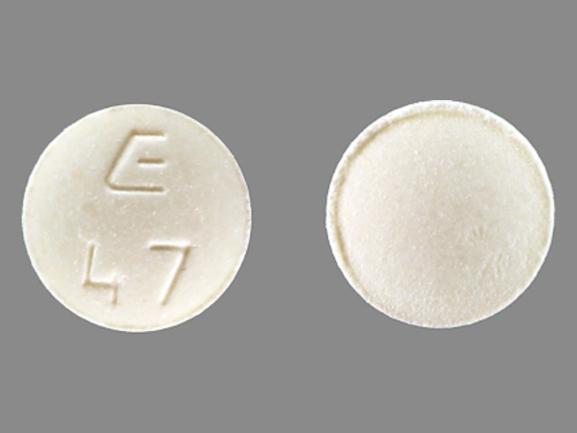
Fosinopril
Generic name: fosinopril [ foe-SIN-oh-pril ]
Brand name: Monopril
Dosage form: oral tablet (10 mg; 20 mg; 40 mg)
Drug class: Angiotensin Converting Enzyme Inhibitors
What is fosinopril?
Fosinopril is used alone or in combination with other medications to treat high blood pressure in adults and children at least 6 years old.
Fosinopril is also used in adults to treat congestive heart failure.
Fosinopril may also be used for purposes not listed in this medication guide.
Fosinopril side effects
Get emergency medical help if you have signs of an allergic reaction: hives, severe stomach pain, difficulty breathing, swelling of your face, lips, tongue, or throat.
Fosinopril may cause serious side effects. Call your doctor at once if you have:
-
a light-headed feeling, like you might pass out;
-
kidney problems--swelling, urinating less, feeling tired or short of breath;
-
low white blood cell counts--fever, mouth sores, skin sores, sore throat, cough;
-
high blood potassium--nausea, weakness, tingly feeling, chest pain, irregular heartbeats, loss of movement; or
-
liver problems--loss of appetite, stomach pain (upper right side), tiredness, itching, dark urine, clay-colored stools, jaundice (yellowing of the skin or eyes).
Common side effects of fosinopril may include:
-
chest pain, cough, runny or stuffy nose;
-
muscle or joint pain, weakness;
-
nausea, vomiting, diarrhea; or
-
dizziness, low blood pressure.
This is not a complete list of side effects and others may occur. Call your doctor for medical advice about side effects. You may report side effects to FDA at 1-800-FDA-1088.
Related/similar drugs
Warnings
Do not use if you are pregnant. Stop using fosinopril and tell your doctor right away if you become pregnant.
Tell your doctor about all your other medicines. Some drugs should not be used with fosinopril.
Before taking this medicine
You should not use fosinopril if you are allergic to it or to any other ACE (angiotensin converting enzyme) inhibitor such as captopril, benazepril, enalapril, lisinopril, moexipril, perindopril, quinapril, ramipril, or trandolapril.
If you have diabetes, do not take fosinopril together with any medication that contains aliskiren (a blood pressure medicine).
Do not take fosinopril within 36 hours before or after taking medicine that contains sacubitril (such as Entresto)
Tell your doctor if you have ever had:
-
severe allergic reaction such as angioedema;
-
heart disease, heart problems such as a recent heart attack;
-
stomach pain;
-
low blood pressure;
-
if you are on a low-salt diet;
-
liver disease; or
-
kidney disease (or if you are on dialysis).
You may also need to avoid taking fosinopril with aliskiren if you have kidney disease.
Stop using this medicine and tell your doctor right away if you become pregnant. Fosinopril can cause injury or death to the unborn baby if you use the medicine during your second or third trimester.
Do not breastfeed.
How should I take fosinopril?
Follow all directions on your prescription label and read all medication guides or instruction sheets. Your doctor may occasionally change your dose. Use the medicine exactly as directed.
You may take fosinopril with or without food.
Call your doctor if you have ongoing vomiting or diarrhea, or if you are sweating more than usual. You can easily become dehydrated while taking fosinopril. This can lead to very low blood pressure, an electrolyte imbalance, or kidney failure.
Your blood pressure will need to be checked often and you may need frequent blood tests.
fosinopril can affect the results of certain medical tests. Tell any doctor who treats you that you are using fosinopril.
If you have high blood pressure, keep using this medicine even if you feel well. High blood pressure often has no symptoms.
Tell your doctor if you have a planned surgery.
Store tightly closed at room temperature, away from moisture, heat, and light.
Fosinopril dosing information
Usual Adult Dose for Hypertension:
Initial dose: 10 mg orally once a day alone or in combination with a diuretic
Maintenance dose: 20 to 40 mg orally once a day; some patients may have further response at 80 mg once a day
Comments:
-Dosages should be adjusted according to blood pressure response at peak (2 to 6 hours post dose) and trough (about 24 hours after dosing) blood levels.
-Consider dividing the daily dose in patients where the trough response is inadequate.
-Stop the diuretic 2 to 3 days prior to beginning therapy with this drug; it may be resumed at a later time if clinically indicated.
-If stopping the diuretic is not possible, careful medical supervision is recommended for several hours until blood pressure has stabilized.
Uses: For the treatment of hypertension alone or in combination with other medications
Usual Adult Dose for Congestive Heart Failure:
Initial dose: 10 mg orally once a day
Target dose range: 20 to 40 mg orally once a day
Maximum dose: 40 mg orally once a day
Comments:
-Patients should be observed under medical supervision for at least 2 hours following the initial dose until blood pressure stabilizes.
-Dosages should be increased over a several week period based on tolerability.
-The presence of hypotension, orthostasis, or azotemia early in dose titration should not preclude further careful dose titration; consider dose reducing concomitant diuretic.
Use: For the management of heart failure as adjunctive therapy when added to conventional therapy including diuretics with or without digitalis
Usual Pediatric Dose for Hypertension:
6 to 16 years:
Greater than 50 kg: 5 to 10 mg orally once a day as monotherapy
Less than 50 kg: Appropriate dose not available
What happens if I miss a dose?
Take the medicine as soon as you can, but skip the missed dose if it is almost time for your next dose. Do not take two doses at one time.
What happens if I overdose?
Seek emergency medical attention or call the Poison Help line at 1-800-222-1222.
What should I avoid while taking fosinopril?
Avoid getting up too fast from a sitting or lying position, or you may feel dizzy.
Do not take potassium supplements or use salt substitutes, unless your doctor has told you to.
Avoid becoming overheated or dehydrated during exercise, in hot weather, or by not drinking enough fluids. Follow your doctor's instructions about the type and amount of liquids you should drink. In some cases, drinking too much liquid can be as unsafe as not drinking enough.
What other drugs will affect fosinopril?
Fosinopril can harm your kidneys, especially if you also use certain medicines for infections, cancer, or osteoporosis.
Avoid taking an antacid within 2 hours before or after you take fosinopril.
Tell your doctor about all your other medicines, especially:
-
a diuretic or "water pill" that may increase blood potassium such as spironolactone, triamterene, amiloride;
-
medicine to prevent organ transplant rejection such as temsirolimus, sirolimus, or everolimus;
-
NSAIDs (nonsteroidal anti-inflammatory drugs)--aspirin, ibuprofen (Advil, Motrin), naproxen (Aleve), celecoxib, diclofenac, indomethacin, meloxicam, and others; or
-
heart or blood pressure medication.
This list is not complete. Other drugs may affect fosinopril, including prescription and over-the-counter medicines, vitamins, and herbal products. Not all possible drug interactions are listed here.
Popular FAQ
Which blood pressure medications cause coughing?
Angiotensin-converting enzyme (ACE) inhibitors are a class of prescription blood pressure medications that commonly cause coughing as a side effect. Available medications in this class include...
Continue readingMore FAQ
More about fosinopril
- Check interactions
- Compare alternatives
- Pricing & coupons
- Reviews (5)
- Drug images
- Side effects
- Dosage information
- During pregnancy
- Drug class: Angiotensin Converting Enzyme Inhibitors
- Breastfeeding
- En español
Patient resources
Other brands
Professional resources
Related treatment guides
Further information
Remember, keep this and all other medicines out of the reach of children, never share your medicines with others, and use this medication only for the indication prescribed.
Always consult your healthcare provider to ensure the information displayed on this page applies to your personal circumstances.
Copyright 1996-2025 Cerner Multum, Inc. Version: 12.01.