
Osteoporosis
Medically reviewed by Drugs.com. Last updated on Sep 1, 2024.
What is osteoporosis?
Osteoporosis is a long-term medical condition that causes your bones to become weak, brittle, and more likely to fracture. Osteoporosis occurs when your body absorbs more bone than it makes. It is also caused by a lack of calcium and estrogen (female hormone).
What increases my risk for osteoporosis?
- Age older than 60
- Low estrogen level
- Female gender
- Alcohol, tobacco, or caffeine use
- Lack of calcium and vitamin D in your foods
- Lack of exercise
- Conditions such as thyroid diseases, bone cancer, and long-term lung diseases
- Certain medicines, such as steroids, anticonvulsants, and blood-thinners
What are the signs and symptoms of osteoporosis?
You may not have any signs or symptoms. You may break a bone after a muscle strain, bump, or fall. A break usually occurs in the hip, spine, or wrist. A collapsed vertebra (bone in your spine) may cause severe back pain or loss of height from bent posture.
How is osteoporosis diagnosed?
- Blood and urine tests measure your calcium, vitamin D, and estrogen levels.
- An x-ray or CT may show thinned bones or a fracture. You may be given contrast liquid to help the bones show up better in the pictures. Tell the healthcare provider if you have ever had an allergic reaction to contrast liquid. Do not enter the MRI room with anything metal. Metal can cause serious injury. Tell the healthcare provider if you have any metal in or on your body.
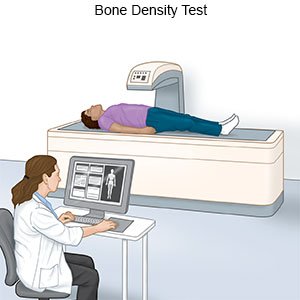
- A bone density test compares your bone thickness with what is expected for someone of your age, gender, and ethnicity.
How is osteoporosis treated?
Medicines may be given to prevent bone loss, build new bone, and increase estrogen. These medicines help prevent fractures and may be given as a pill or injection. Ask your healthcare provider for more information on these medicines.
Treatment options
The following list of medications are related to or used in the treatment of this condition.
How can I help prevent bone loss?
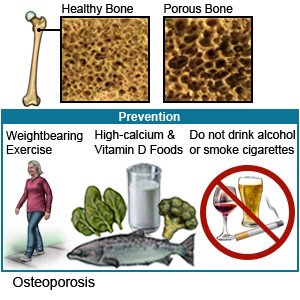 |
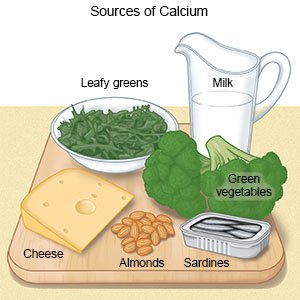
- Eat healthy foods that are high in calcium. This helps keep your bones strong. Good sources of calcium are milk, cheese, broccoli, tofu, almonds, and canned salmon and sardines.
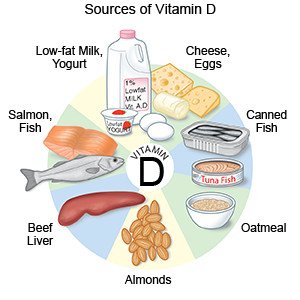
- Increase your vitamin D intake. Vitamin D is in fish oils, some vegetables, and fortified milk, cereal, and bread. Vitamin D is also formed in the skin when it is exposed to the sun. Ask your healthcare provider how much sunlight is safe for you.
- Drink liquids as directed. Ask your healthcare provider how much liquid to drink each day and which liquids are best for you. Do not have alcohol or caffeine. They decrease bone mineral density, which can weaken your bones.
- Exercise regularly. Ask your healthcare provider about the best exercise plan for you. Weight bearing exercise for 30 minutes, 3 times a week can help build and strengthen bone.
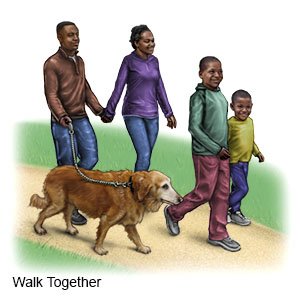
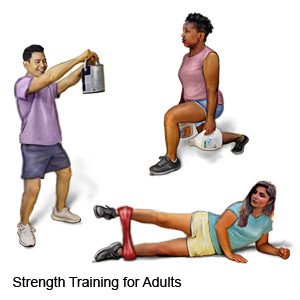
- Do not smoke. Nicotine and other chemicals in cigarettes and cigars can decrease bone mineral density. Ask your healthcare provider for information if you currently smoke and need help to quit. E-cigarettes or smokeless tobacco still contain nicotine. Talk to your healthcare provider before you use these products.
- Go to physical therapy as directed. A physical therapist teaches you exercises to help improve movement and muscle strength.
When should I seek immediate care?
- You have trouble moving an area of your body after a fall.
- You have severe or increasing pain after a fall.
When should I call my doctor?
- You have pain when you do your daily activities.
- You have questions or concerns about your condition or care.
Care Agreement
You have the right to help plan your care. Learn about your health condition and how it may be treated. Discuss treatment options with your healthcare providers to decide what care you want to receive. You always have the right to refuse treatment. The above information is an educational aid only. It is not intended as medical advice for individual conditions or treatments. Talk to your doctor, nurse or pharmacist before following any medical regimen to see if it is safe and effective for you.© Copyright Merative 2024 Information is for End User's use only and may not be sold, redistributed or otherwise used for commercial purposes.
Learn more about Osteoporosis
Treatment options
Care guides
Symptoms and treatments
Further information
Always consult your healthcare provider to ensure the information displayed on this page applies to your personal circumstances.