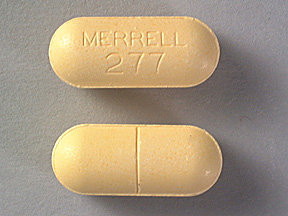
Hiprex
Generic name: methenamine [ meh-THEH-na-meen ]
Drug class: Urinary anti-infectives
What is Hiprex?
Hiprex is an antibacterial medicine used to treat or prevent bladder infections in adults and children at least 6 years old.
Hiprex may also be used for purposes not listed in this medication guide.
Hiprex side effects
Get emergency medical help if you have signs of an allergic reaction: hives; difficult breathing; swelling of your face, lips, tongue, or throat.
Hiprex may cause serious side effects. Call your doctor at once if you have:
-
increased urination;
-
painful urination;
-
blood in your urine; or
-
swelling, shortness of breath.
Common side effects of Hiprex may include:
This is not a complete list of side effects and others may occur. Call your doctor for medical advice about side effects. You may report side effects to FDA at 1-800-FDA-1088.
Related/similar drugs
Warnings
Use only as directed. Tell your doctor if you use other medicines or have other medical conditions or allergies.
Before taking this medicine
You should not use Hiprex if you are allergic to it, or if you have:
-
kidney disease;
-
severe liver disease; or
-
if you are dehydrated.
Ask a doctor or pharmacist if Hiprex is safe to use if you've ever had liver problems.
Ask a doctor before using this medicine if you are pregnant.
Do not breastfeed.
How should I take Hiprex?
Use exactly as directed on the label, or as prescribed by your doctor.
Hiprex works best when your urine has a low pH and is acidic. You can measure your pH levels at home using urine test strips purchased from a pharmacy. Your doctor may occasionally test your urine to make sure an infection has cleared.
Learn about the foods to eat or avoid to help keep your urine acidic. Your doctor may also prescribe other medicines. Drink plenty of liquids.
Follow your doctor's diet and medication instructions very closely.
Keep using this medicine even if your symptoms quickly improve. Skipping doses could make your infection resistant to medication. Hiprex will not treat a viral infection (flu or a common cold).
This medicine can affect the results of certain medical tests. Tell any doctor who treats you that you are using Hiprex.
Do not use Hiprex to treat any condition that has not been checked by your doctor.
Do not share this medicine with another person, even if they have the same symptoms you have.
Store at room temperature away from moisture, heat, and light. Keep the bottle tightly closed when not in use.
What happens if I miss a dose?
Take the medicine as soon as you can, but skip the missed dose if it is almost time for your next dose. Do not take two doses at one time.
What happens if I overdose?
Seek emergency medical attention or call the Poison Help line at 1-800-222-1222.
What should I avoid while taking Hiprex?
Avoid taking extra Hiprex, or you could have side effects such as bladder irritation, pain, increased urination, and blood in the urine.
What other drugs will affect Hiprex?
Other drugs may affect Hiprex, especially a sulfa drug. Tell your doctor about all other medicines you use. This includes prescription and over-the-counter medicines, vitamins, and herbal products.
More about Hiprex (methenamine)
- Check interactions
- Compare alternatives
- Reviews (82)
- Drug images
- Side effects
- Dosage information
- During pregnancy
- Generic availability
- Drug class: urinary anti-infectives
- Breastfeeding
- En español
Patient resources
Other brands
Professional resources
Related treatment guides
Further information
Remember, keep this and all other medicines out of the reach of children, never share your medicines with others, and use this medication only for the indication prescribed.
Always consult your healthcare provider to ensure the information displayed on this page applies to your personal circumstances.
Copyright 1996-2025 Cerner Multum, Inc. Version: 5.01.