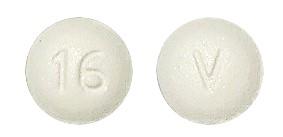
Zafirlukast Side Effects
Medically reviewed by Drugs.com. Last updated on Oct 26, 2024.
Applies to zafirlukast: oral tablet.
Precautions
It is very important that your doctor check the progress of you or your child at regular visits to make sure that this medicine is working properly. Blood tests may be needed to check for unwanted effects.
You or your child may be taking other medicines for asthma along with zafirlukast. Do not stop taking or reduce the dose of the other medicines, even if your asthma seems better, unless you are told to do so by your doctor.
Check with your doctor if your or your child's symptoms do not improve or if your asthma gets worse.
Stop using this medicine and check with your doctor right away if you or your child have pain or tenderness in the upper stomach; pale stools; dark urine; loss of appetite; nausea; unusual tiredness or weakness; or yellow eyes or skin. These could be symptoms of a serious liver problem.
This medicine may cause a rare blood condition called Churg-Strauss syndrome. This usually occurs in patients who have asthma or are taking oral steroid medicines that is being stopped or the dose is being reduced or lowered. Tell your doctor right away if you or your child have the following symptoms: a feeling of pins and needles, flu-like symptoms, numbness of the arms or legs, rash, or pain and swelling of the sinuses.
This medicine may cause some people to be agitated, disoriented, irritable, or display other abnormal behaviors. It may also cause some people to have suicidal thoughts and tendencies or to become more depressed and have problems with sleep. If you, your child, or your caregiver notice any of these side effects, tell your doctor or your child's doctor right away.
Do not take other medicines unless they have been discussed with your doctor. This includes prescription or nonprescription (over-the-counter [OTC]) medicines and herbal or vitamin supplements.
Serious side effects of zafirlukast
Along with its needed effects, zafirlukast may cause some unwanted effects. Although not all of these side effects may occur, if they do occur they may need medical attention.
Check with your doctor immediately if any of the following side effects occur while taking zafirlukast:
Less common side effects
- cough or hoarseness
- fever or chills
- lower back or side pain
- pain
- painful or difficult urination
Rare side effects
- abdominal or stomach pain
- clay-colored stools
- dark urine
- diarrhea
- dizziness
- headache
- itching
- loss of appetite
- nausea
- rash
- unpleasant breath odor
- unusual tiredness or weakness
- vomiting of blood
- yellow eyes or skin
Incidence not known
- attack, assault, or force
- attempts at killing oneself
- discouragement
- dry mouth
- fear or nervousness
- feeling sad or empty
- fever with or without chills
- general feeling of tiredness or weakness
- hyperventilation
- irregular heartbeats
- irritability
- lack of appetite
- large, hive-like swelling on the face, eyelids, lips, tongue, throat, hands, legs, feet, or sex organs
- loss of interest or pleasure
- restlessness
- seeing, hearing, or feeling things that are not there
- shakiness in the legs, arms, hands, or feet
- shortness of breath
- sleeplessness
- sore throat
- sores, ulcers, or white spots on the lips or in the mouth
- tiredness
- trembling or shaking of the hands or feet
- trouble with concentrating
- trouble with sleeping
- unable to sleep
- unusual bleeding or bruising
Other side effects of zafirlukast
Some side effects of zafirlukast may occur that usually do not need medical attention. These side effects may go away during treatment as your body adjusts to the medicine. Also, your health care professional may be able to tell you about ways to prevent or reduce some of these side effects.
Check with your health care professional if any of the following side effects continue or are bothersome or if you have any questions about them:
Less common side effects
- acid or sour stomach
- back pain
- belching
- difficulty with moving
- heartburn
- indigestion
- joint pain
- lack or loss of strength
- muscle aching or cramping
- muscle pains or stiffness
- stomach discomfort or upset
- swollen joints
- vomiting
Incidence not known
- hives or welts
- redness of the skin
See also:
Xolair
Xolair injection (omalizumab) is used to help improve allergic asthma, nasal polyps, and chronic ...
Symbicort
Symbicort (budesonide and formoterol) is used to prevent bronchospasm in people with asthma or ...
Dupixent
Dupixent is used to treat eczema, eosinophilic or oral-corticosteroid-dependent asthma, chronic ...
Ventolin
Ventolin is used for asthma, acute, asthma, maintenance, bronchiectasis, bronchospasm prophylaxis ...
Ventolin HFA
Ventolin HFA (albuterol) is used to treat or prevent breathing problems in patients who have asthma ...
Breo Ellipta
Breo Ellipta (fluticasone and vilanterol) is used to prevent airflow obstruction or bronchospasm in ...
Spiriva
Spiriva (tiotropium) is used to prevent bronchospasm in people with bronchitis, emphysema, or COPD ...
Xopenex
Xopenex is a short-acting bronchodilator used to treat or prevent bronchospasm in asthma and other ...
Dulera
Dulera Inhalers (formoterol and mometasone) are used to treat asthma. Includes Dulera side effects ...
Spiriva Respimat
Spiriva Respimat is used for asthma, maintenance, COPD, Maintenance
For healthcare professionals
Applies to zafirlukast: oral tablet.
General adverse events
The most commons adverse effects may be associated with headache or gastrointestinal disturbances. These symptoms are usually mild.[Ref]
Nervous system
- Very common (10% or more): Headache (up to 12.9%)
- Common (1% to 10%): Dizziness (1.6%)
- Frequency not reported: Neuropathy, neuropsychiatric events[Ref]
Gastrointestinal
- Common (1% to 10%): Nausea (up to 3.1%), diarrhea (up to 2.8%), abdominal pain (up to 2.8%), vomiting (up to 1.5%), dyspepsia (1.3%)[Ref]
Hepatic
- Common (1% to 10%): SGPT elevation (1.5%), AST (1.4%)
- Rare (less than 0.1%): Hyperbilirubinemia without other elevated liver function tests; fulminant hepatitis or progressed to hepatic failure, liver transplantation and death
- Postmarketing reports: Symptomatic hepatitis (with or without hyperbilirubinemia) without other attributable cause; hepatic dysfunction[Ref]
In most of the postmarketing reports, the patient's symptoms abated and the liver enzymes returned to normal or near normal after stopping this drug.[Ref]
Musculoskeletal
- Common (1% to 10%): Myalgia (1.6%), back pain (1.5%)
- Frequency not reported: Arthralgia[Ref]
Other
- Common (1% to 10%): Generalized pain (1.9%), asthenia (up to 1.8%), accidental injury (1.6%), fever (1.4%)
- Rare (less than 0.1%): Increased theophylline levels with or without clinical signs or symptoms of theophylline toxicity when this drug was added to an existing theophylline regime.
- Frequency not reported: Edema, malaise[Ref]
Respiratory
- Common (1% to 10%): Respiratory tract infection (3.5%)[Ref]
Infections were usually mild or moderate, predominantly affecting the respiratory tract and not necessitating withdrawal from the therapy.
In clinical trials, an increased proportion of patients over the age of 55 years reported these infections. Infections occurred equally in both sexes and were associated with coadministration of inhaled corticosteroids.[Ref]
Cardiovascular
- Rare (less than 0.1%): Bleeding disorders including menorrhagia, thrombocytopenia[Ref]
Dermatologic
Hematologic
- Rare (0.01% to 0.1%): Granulomatosis
- Very rare (less than 0.01%): Agranulocytosis[Ref]
Immunologic
- Rare (less than 0.1%): Systemic eosinophilia, eosinophilic pneumonia, or clinical features of vasculitis consistent with Churg-Strauss syndrome[Ref]
Systemic eosinophilia may also involve various body systems including vasculitic rash, worsening pulmonary symptoms, cardiac complications or neuropathy.[Ref]
Hypersensitivity
- Frequency not reported: Urticaria, angioedema, rashes (with or without blistering)[Ref]
Psychiatric
- Frequency not reported: Insomnia, depression[Ref]
References
1. (2001) "Product Information. Accolate (zafirlukast)." Astra-Zeneca Pharmaceuticals
2. Cerner Multum, Inc. "UK Summary of Product Characteristics."
3. Cerner Multum, Inc. "Australian Product Information."
4. Spector SL, Smith LJ, Glass M (1994) "Effects of 6 weeks of therapy with oral doses of ICI 204,219, a leukotriene D4 receptor antagonist, in subjects with bronchial asthma. ACCOLATE Asthma Trialists Group." Am J Respir Crit Care Med, 150, p. 618-23
5. Smith LJ, Geller S, Ebright L, Glass M, Thyrum PT (1990) "Inhibition of leukotriene D4-induced bronchoconstriction in normal subjects by the oral LTD4 receptor antagonist ICI 204,219." Am Rev Respir Dis, 141, p. 988-92
6. Findlay SR, Barden JM, Easley CB, Glass M (1992) "Effect of the oral leukotriene antagonist, ICI 204,219, on antigen- induced bronchoconstriction in subjects with asthma." J Allergy Clin Immunol, 89, p. 1040-5
7. Spector SL (1995) "Leukotriene inhibitors and antagonists in asthma." Ann Allergy Asthma Immunol, 75, 463-70,473-4
8. Kelloway JS (1997) "Zafirlukast: the first leukotriente-receptor antagonist approved for the treatment of asthma." Ann Pharmacother, 31, p. 1012-21
9. Torres M, Reddy KR (2001) "Severe liver injury." Ann Intern Med, 135, p. 550
10. Danese S, De Vitis I, Gasbarrini A (2001) "Severe Liver Injury Associated with Zafirlukast." Ann Intern Med, 135, p. 930
11. Katz RS, Papernik M (1998) "Zafirlukast and Churg-Strauss syndrome." JAMA, 279, p. 1949
12. Honsinger RW (1998) "Zafirlukast and Churg-Strauss syndrome." JAMA, 279, p. 1949
13. Churg J, Churg A (1998) "Zafirlukast and Churg-Strauss syndrome." JAMA, 279, p. 1949-50
14. Wechsler ME, Drazen JM (1998) "Zafirlukast and Churg-Strauss syndrome - Reply." JAMA, 279, p. 1950
15. Knoell DL, Lucas J, Allen JN (1998) "Churg-Strauss syndrome associated with zafirlukast." Chest, 114, p. 332-4
16. Wechsler ME, Garpestad E, Rlier SR, et al. (1998) "Pulmonary infiltrates, eosinophilia, and cardiomyopathy following corticosteroid withdrawal in patients with asthma receiving zafirlukast." JAMA, 279, p. 455-7
17. Green RL, Vayonis AG (1999) "Churg-Strauss syndrome after zafirlukast in two patients not receiving systemic steroid treatment." Lancet, 353, p. 725-6
18. Finkel TH, Hunter DJ, Paisley JE, Finkel RS, Larsen GL (1999) "Drug-induced lupus in a child after treatment with zafirlukast (Accolate)." J Allerg Clin Immunol, 103, p. 533-4
19. Wechsler M, Drazen JM (1999) "Churg-Strauss syndome." Lancet, 353, p. 1999
20. Wechsler ME, Drazen JM (1999) "Zafirlukast and Churg-Strauss syndrome." Chest, 116, p. 266-7
More about zafirlukast
- Check interactions
- Compare alternatives
- Pricing & coupons
- Reviews (6)
- Drug images
- Dosage information
- During pregnancy
- Drug class: leukotriene modifiers
- Breastfeeding
- En español
Patient resources
Other brands
Professional resources
Other brands
Related treatment guides
Further information
Zafirlukast side effects can vary depending on the individual. Always consult your healthcare provider to ensure the information displayed on this page applies to your personal circumstances.
Note: Medication side effects may be underreported. If you are experiencing side effects that are not listed, submit a report to the FDA by following this guide.