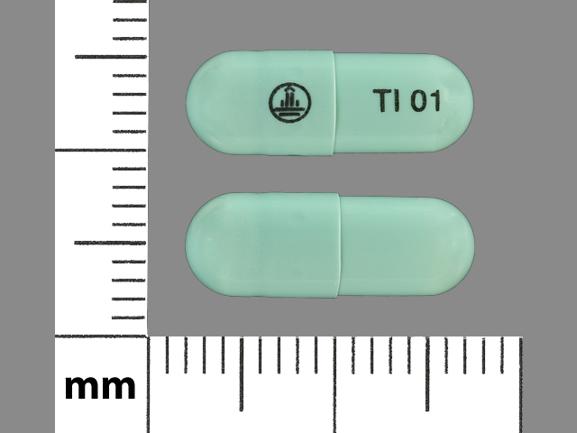
Spiriva
Generic name: tiotropium inhalation [ TYE-oh-TROE-pee-um ]
Other brand names of tiotropium inhalation include: Spiriva HandiHaler, Spiriva Respimat
Drug class: Anticholinergic bronchodilators
What is Spiriva?
Spiriva is a bronchodilator that relaxes muscles in the airways and increases air flow to the lungs.
Spiriva is used to prevent bronchospasm (narrowing of the airways in the lungs) in adults with COPD (chronic obstructive pulmonary disease), including bronchitis and emphysema.
Spiriva Respimat is also used to prevent asthma attacks in adults and children who are at least 6 years old.
Spiriva HandiHaler is not for use in children.
Warnings
A Spiriva capsule is for use only in the HandiHaler device. Do not take the capsule by mouth. Use only one capsule at a time.
Spiriva Respimat Inhalation Spray is supplied in a carton containing one aluminum cartridge and one Respimat inhaler device. The Spiriva Respimat cartridge is only intended for use with the Respimat inhaler device and should not be interchanged with any other Respimat device delivered product. The Respimat inhaler device is a cylindrical shaped plastic inhalation device with a gray colored body and a clear base. The clear base is removed to insert the cartridge. The inhaler contains a dose indicator.
Before using this medicine, tell your doctor if you have narrow-angle glaucoma, or an enlarged prostate or bladder obstruction.
Spiriva is used to prevent bronchospasm attacks. Do not use this medication to treat a bronchospasm attack that has already begun. It will not work fast enough to reverse your symptoms. Use only a fast-acting inhalation medication to treat an attack.
Before taking this medicine
You should not use Spiriva if you are allergic to tiotropium or ipratropium (Atrovent, Combivent, DuoNeb).
To make sure this medicine is safe for you, tell your doctor if you have ever had:
-
narrow-angle glaucoma;
-
kidney disease;
-
a milk allergy; or
-
an enlarged prostate or urination problems.
Tell your doctor if you are pregnant. It is not known whether tiotropium will harm an unborn baby. However, having uncontrolled asthma during pregnancy may cause premature birth, a low birth weight baby, or complications such as eclampsia (dangerously high blood pressure that can lead to medical problems in both mother and baby). The benefit of treating asthma may outweigh any risks to the baby.
It may not be safe to breast-feed while using this medicine. Ask your doctor about any risk.
Spiriva Respimat is not approved for use by anyone younger than 6 years old.
How should I use Spiriva?
Use Spiriva exactly as prescribed by your doctor. The usual dose of this medicine is 2 inhalations through the mouth once daily. Follow all directions on your prescription label. Do not use this medicine in larger or smaller amounts or for longer than recommended.
Spiriva is not a rescue medicine. It will not work fast enough to treat a COPD flare-up. Your doctor may prescribe a fast-acting inhalation medicine to treat a bronchospasm attack. Tell your doctor if it seems like your medications don't work as well.
Read all patient information, medication guides, and instruction sheets provided to you. Ask your doctor or pharmacist if you have any questions.
Any child using Spiriva Respimat should be supervised by an adult while using this medicine.
Spiriva HandiHaler is packaged in capsules that come with a special inhaler device. Each time you use the medicine, load a capsule into the device and click the mouthpiece closed. Push the button on the side of the device to pierce the capsule and release the medicine into the inhalation chamber. You will need 2 inhalations to get the full dose from 1 capsule.
Do not take the capsule by mouth. Spiriva capsules are for use only in the HandiHaler device. Use only 1 capsule at a time. Do not use the HandiHaler device to take any other medicine.
Keep each capsule in its blister pack until you are ready to place the capsule into the HandiHaler and use the device. Throw away any capsule that is not used right after you have taken it out of the blister pack. Exposure to air can ruin the capsule.
Spiriva Respimat comes in a cartridge that is inserted into a special inhaler device provided with this medicine. Turning the base of the Respimat device until it clicks will release the medicine into the inhaler chamber. You will need 2 puffs to get a full dose.
The Spiriva Respimat inhaler will lock and cannot be turned after 30 doses (or 60 puffs) have been used. An indicator on the side of the inhaler will show when there are 14 puffs (or 7 days) of medicine left in the cartridge.
To be sure this medicine is helping your condition, your lung function will need to be tested on a regular basis.
Use this medicine regularly to get the most benefit. Get your prescription refilled before you run out of medicine completely.
Store both the capsules and the Respimat inhaler at room temperature away from moisture and heat. Do not freeze. Do not store capsules in the HandiHaler device.
Dosing information
Usual Adult Dose for Chronic Obstructive Pulmonary Disease -- Maintenance:
Tiotropium inhalation powder, hard capsule:
-18 mcg (2 inhalations) orally once a day using the HandiHaler device
Tiotropium, solution for inhalation:
-5 mcg (2 inhalations) orally once a day
Uses: Long-term maintenance treatment of bronchospasm associated with chronic obstructive pulmonary disease (COPD), including chronic bronchitis and emphysema; to reduce exacerbations in COPD patients
Usual Adult Dose for Asthma -- Maintenance:
-2.5 mcg (2 inhalations of 1.25 mcg) orally once a day
Comments:
-The maximum benefits in lung function may take up to 4 to 8 weeks of dosing.
Use: Long-term maintenance treatment of asthma
Usual Pediatric Dose for Asthma -- Maintenance:
6 years or older:
-2.5 mcg (2 inhalations of 1.25 mcg) orally once a day
Comments:
-The maximum benefits in lung function may take up to 4 to 8 weeks of dosing.
Use: Long-term maintenance treatment of asthma
What happens if I miss a dose?
Use the medicine as soon as you can, but skip the missed dose if it is almost time for your next dose. Do not use two doses at one time.
Do not use more than two times in a 24-hour period.
Get your prescription refilled before you run out of medicine completely.
What happens if I overdose?
Seek emergency medical attention or call the Poison Help line at 1-800-222-1222.
Overdose symptoms may include dry mouth, eye redness, constipation, stomach pain, and confusion or drowsiness.
What should I avoid while using Spiriva?
Avoid getting the powder from a Spiriva capsule in your eyes. If this does happen, call your doctor.
Avoid driving or hazardous activity until you know how this medicine will affect you. Your reactions could be impaired.
Spiriva side effects
Get emergency medical help if you have signs of an allergic reaction to Spiriva: hives, itching; difficult breathing; swelling of your face, lips, tongue, or throat.
Call your doctor at once if you have:
-
wheezing, choking, or other breathing problems after using this medicine;
-
blurred vision, eye pain or redness, seeing halos around lights;
-
sores or white patches on your mouth, lips, or tongue;
-
pain or burning when you urinate; or
-
little or no urinating.
Common Spiriva side effects may include:
-
dry mouth;
-
blurred vision;
-
constipation, painful urination;
-
chest pain, fast heart rate; or
-
cold symptoms such as stuffy or runny nose, sinus pain, sore throat.
This is not a complete list of side effects and others may occur. Call your doctor for medical advice about side effects. You may report side effects to FDA at 1-800-FDA-1088.
Related/similar drugs
What other drugs will affect Spiriva?
Tell your doctor about all your other medicines, especially:
-
medicine to treat depression, anxiety, mood disorders, or mental illness;
-
cold or allergy medicine (Benadryl and others);
-
medicine to treat Parkinson's disease;
-
medicine to treat stomach problems, motion sickness, or irritable bowel syndrome;
-
medicine to treat overactive bladder; or
-
bronchodilator asthma medication.
This list is not complete. Other drugs may interact with tiotropium, including prescription and over-the-counter medicines, vitamins, and herbal products. Not all possible drug interactions are listed here.
Popular FAQ
Can asthma inhalers cause a sore throat?
Yes, some asthma inhalers can cause a sore throat, irritation and hoarseness due to the active ingredient, like a corticosteroid, depositing on the back of your throat. Using a spacer device, rinsing your mouth with water after your dose and improving your inhaler technique can help reduce the chance for a sore throat. Continue reading
More about Spiriva (tiotropium)
- Check interactions
- Compare alternatives
- Pricing & coupons
- Reviews (122)
- Drug images
- Side effects
- Dosage information
- During pregnancy
- Generic availability
- Support group
- FDA approval history
- Drug class: anticholinergic bronchodilators
- Breastfeeding
- En español
Patient resources
Other brands
Professional resources
Other brands
Related treatment guides
Further information
Remember, keep this and all other medicines out of the reach of children, never share your medicines with others, and use Spiriva only for the indication prescribed.
Always consult your healthcare provider to ensure the information displayed on this page applies to your personal circumstances.
Copyright 1996-2025 Cerner Multum, Inc. Version: 13.01.