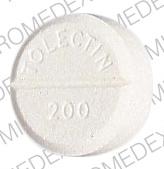
Tolectin Side Effects
Generic name: tolmetin
Medically reviewed by Drugs.com. Last updated on Aug 4, 2025.
Note: This document provides detailed information about Tolectin Side Effects associated with tolmetin. Some dosage forms listed on this page may not apply specifically to the brand name Tolectin.
Applies to tolmetin: oral capsule, oral tablet.
Important warnings
This medicine can cause some serious health issues
Oral route (tablet; capsule)
NSAIDs may cause an increased risk of serious cardiovascular thrombotic events, myocardial infarction, and stroke, which can be fatal.
This risk may be increased with duration of use and in patients with cardiovascular disease or risk factors for cardiovascular disease.
Tolmetin is contraindicated for the treatment of perioperative pain in the setting of CABG surgery.
NSAIDs can also cause an increased risk of serious, sometimes fatal, gastrointestinal adverse events (eg, bleeding, ulceration, and perforation of the stomach or intestines), especially in the elderly.
These events can occur at any time during use and without warning.
Precautions
It is very important that your doctor check your progress at regular visits. This will allow your doctor to see if the medicine is working properly and to decide if you should continue to take it. Blood and urine tests may be needed to check for unwanted effects.
This medicine may raise your risk of having a heart attack or stroke. This is more likely in people who already have heart disease. People who use this medicine for a long time might also have a higher risk.
This medicine may cause bleeding in your stomach or intestines. This problem can happen without warning signs. This is more likely if you have had a stomach ulcer in the past, if you smoke or drink alcohol regularly, if you are over 60 years of age, are in poor health, or are using certain other medicines (such as steroids or a blood thinner).
Serious skin reactions can occur during treatment with this medicine. Check with your doctor right away if you have any of the following symptoms while taking this medicine: blistering, peeling, loosening of the skin, chills, cough, diarrhea, fever, itching, joint or muscle pain, red skin lesions, sore throat, sores, ulcers, white spots in the mouth or on the lips, or unusual tiredness or weakness.
Possible warning signs of some serious side effects that can occur during treatment with this medicine may include swelling of the face, fingers, feet, or lower legs; severe stomach pain; black, tarry stools; vomiting of blood or material that looks like coffee grounds; unusual weight gain; yellow skin or eyes; decreased urination; unusual bleeding or bruising; or skin rash. Also, signs of serious heart problems could occur such as chest pain, tightness in the chest, fast or irregular heartbeat, unusual flushing or warmth of the skin, weakness, or slurring of speech. Stop taking tolmetin (the active ingredient contained in Tolectin) and check with your doctor immediately if you notice any of these warning signs.
This medicine may also cause a serious type of allergic reaction called anaphylaxis. Although this is rare, it may occur more often in patients who are allergic to aspirin or to any of the nonsteroidal anti-inflammatory drugs. Anaphylaxis can be life-threatening and requires immediate medical attention. The most serious signs of this reaction are very fast or irregular breathing, gasping for breath, wheezing, or fainting. Other signs may include changes in color of the skin of the face; very fast but irregular heartbeat or pulse; hive-like swellings on the skin; and puffiness or swellings of the eyelids or around the eyes. If these effects occur, get emergency help at once.
Using this medicine while you are pregnant can harm your unborn baby. If you think you have become pregnant while using the medicine, tell your doctor right away.
Check with your doctor immediately if blurred vision, difficulty in reading, or any other change in vision occurs during or after your treatment. Your doctor may want you to have your eyes checked by an ophthalmologist (eye doctor).
Before having any kind of surgery or medical tests, tell your doctor that you are taking this medicine. It may be necessary for you to stop treatment for a while, or to change to a different nonsteroidal anti-inflammatory drug before your procedure.
Tell your doctor if you have unexplained weight gain or edema (fluid retention or body swelling) with this medicine.
Do not take other medicines unless they have been discussed with your doctor. This includes prescription or nonprescription (over-the-counter [OTC]) medicines and herbal or vitamin supplements.
Serious side effects of Tolectin
Along with its needed effects, tolmetin may cause some unwanted effects. Although not all of these side effects may occur, if they do occur they may need medical attention.
Check with your doctor immediately if any of the following side effects occur while taking tolmetin:
More common side effects
- abdominal or stomach pain
- diarrhea
- dizziness
- headache
- nausea
- numbness or tingling in the arms or legs
- swelling
- trouble thinking, speaking, or walking
- vomiting
- weakness
- weight gain
Less common side effects
- black, tarry stools
- bladder pain
- blood in the vomit
- bloody or cloudy urine
- blurred or loss of vision
- burning feeling in the chest or stomach
- burning, itching, redness, or stinging of the skin
- chest pain
- difficult, burning, or painful urination
- disturbed color perception
- double vision
- frequent urge to urinate
- halos around lights
- indigestion
- lower back or side pain
- night blindness
- overbright appearance of lights
- severe or continuing stomach pain
- stomach upset
- tenderness in the stomach area
- tunnel vision
Rare side effects
- back or leg pains
- bleeding gums
- blistering, peeling, or loosening of the skin
- chills
- constipation
- cough or hoarseness
- dark urine
- decreased urine output
- difficulty with breathing
- difficulty with swallowing
- dilated neck veins
- extreme fatigue
- fast, irregular heartbeat
- feeling of discomfort
- fever
- general body swelling
- heartburn
- hives or welts
- increased thirst
- inflammation of the joints
- irregular breathing
- joint or muscle pain
- light-colored stools
- loss of appetite
- muscle aches
- nosebleeds
- pale skin
- pinpoint red spots on the skin
- puffiness or swelling of the eyelids or around the eyes, face, lips, or tongue
- red skin lesions, often with a purple center
- red, irritated eyes
- severe and continuing nausea
- shortness of breath
- skin rash
- sore throat
- sores, ulcers, or white spots on the lips or in the mouth
- swelling of the face, fingers, feet, or lower legs
- swollen, painful, or tender lymph glands in the neck, armpit, or groin
- tightness in the chest
- trouble with breathing
- unusual bleeding or bruising
- unusual tiredness or weakness
- upper right abdominal pain
- wheezing
- yellow eyes and skin
Other side effects of Tolectin
Some side effects of tolmetin may occur that usually do not need medical attention. These side effects may go away during treatment as your body adjusts to the medicine. Also, your health care professional may be able to tell you about ways to prevent or reduce some of these side effects.
Check with your health care professional if any of the following side effects continue or are bothersome or if you have any questions about them:
More common side effects
- acid or sour stomach
- belching
- bloated full feeling
- excess air or gas in the stomach or intestines
- lack or loss of strength
- passing gas
- stomach discomfort
- weight loss
Less common side effects
- continuing ringing or buzzing or other unexplained noise in the ears
- discouragement
- feeling sad or empty
- hearing loss
- irritability
- loss of interest or pleasure
- sleepiness
- tiredness
- trouble with concentrating
- trouble with sleeping
Rare side effects
- redness, swelling, or soreness of the tongue
- swelling or inflammation of the mouth
See also:
For healthcare professionals
Applies to tolmetin: oral capsule, oral tablet.
General adverse events
The most frequently reported side effect was nausea.[Ref]
Hepatic
- Frequency not reported: Hepatitis, liver function abnormalities[Ref]
Nervous system
- Common (1% to 10%): Headache, dizziness, drowsiness[Ref]
Hematologic
- Common (1% to 10%): Hemoglobin decreased, hematocrit decreased
- Frequency not reported: Lymphadenopathy, hemolytic anemia, thrombocytopenia, granulocytopenia, agranulocytosis[Ref]
Renal
- Common (1% to 10%): BUN increased
- Frequency not reported: Renal failure[Ref]
Hypersensitivity
- Frequency not reported: Anaphylactoid reactions[Ref]
Dermatologic
- Common (1% to 10%): Skin irritation
- Frequency not reported: Urticaria, purpura, erythema multiforme, toxic epidermal necrolysis[Ref]
Cardiovascular
- Common (1% to 10%): Blood pressure increased
- Frequency not reported: Congestive heart failure[Ref]
Gastrointestinal
- Very common (10% or more): Nausea (11%)
- Common (1% to 10%): Dyspepsia, gastrointestinal (GI) distress, abdominal pain, diarrhea, flatulence, vomiting, constipation, gastritis, peptic ulcer
- Frequency not reported: GI bleeding, GI perforation, glossitis, stomatitis[Ref]
Genitourinary
- Common (1% to 10%): Urinary tract infection
- Frequency not reported: Hematuria, proteinuria, dysuria[Ref]
Immunologic
- Frequency not reported: Serum sickness
Ocular
- Common (1% to 10%): Visual disturbance
- Frequency not reported: Optic neuropathy, retinal/macular changes[Ref]
Other
- Common (1% to 10%): Asthenia, chest pain, edema, weight gain, weight loss, tinnitus
- Frequency not reported: Fever[Ref]
Psychiatric
- Common (1% to 10%): Depression[Ref]
Respiratory
- Frequency not reported: Epistaxis[Ref]
References
1. (2001) "Product Information. Tolectin (tolmetin)." McNeil Pharmaceutical
More about Tolectin (tolmetin)
- Check interactions
- Compare alternatives
- Pricing & coupons
- Drug images
- Latest FDA alerts (4)
- Dosage information
- During pregnancy
- Drug class: Nonsteroidal anti-inflammatory drugs
- Breastfeeding
Patient resources
Other brands
Professional resources
Other formulations
Related treatment guides
Further information
Tolectin side effects can vary depending on the individual. Always consult your healthcare provider to ensure the information displayed on this page applies to your personal circumstances.
Note: Medication side effects may be underreported. If you are experiencing side effects that are not listed, submit a report to the FDA by following this guide.