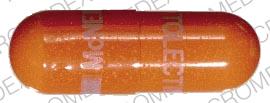
Tolectin DS (Oral)
Generic name: tolmetin [ TOLE-met-in ]
Brand names: Tolectin 600, Tolectin DS
Drug class: Nonsteroidal anti-inflammatory drugs
Medically reviewed by Drugs.com. Last updated on Jun 4, 2024.
The Tolectin DS brand name has been discontinued in the U.S. If generic versions of this product have been approved by the FDA, there may be generic equivalents available.
NSAIDs may cause an increased risk of serious cardiovascular thrombotic events, myocardial infarction, and stroke, which can be fatal. This risk may be increased with duration of use and in patients with cardiovascular disease or risk factors for cardiovascular disease. Tolmetin is contraindicated for the treatment of perioperative pain in the setting of CABG surgery. NSAIDs can also cause an increased risk of serious, sometimes fatal, gastrointestinal adverse events (eg, bleeding, ulceration, and perforation of the stomach or intestines), especially in the elderly. These events can occur at any time during use and without warning .
Uses for Tolectin DS
Tolmetin is a nonsteroidal anti-inflammatory drug (NSAID) used to treat mild to moderate pain and help relieve symptoms of arthritis (osteoarthritis, rheumatoid arthritis, or juvenile arthritis) such as inflammation, swelling, stiffness, and joint pain. This medicine does not cure arthritis and will help you only as long as you continue to take it.
This medicine is available only with your doctor's prescription.
Before using Tolectin DS
In deciding to use a medicine, the risks of taking the medicine must be weighed against the good it will do. This is a decision you and your doctor will make. For this medicine, the following should be considered:
Allergies
Tell your doctor if you have ever had any unusual or allergic reaction to this medicine or any other medicines. Also tell your health care professional if you have any other types of allergies, such as to foods, dyes, preservatives, or animals. For non-prescription products, read the label or package ingredients carefully.
Pediatric
Appropriate studies have not been performed on the relationship of age to the effects of tolmetin in children below 2 years of age. Safety and efficacy have not been established.
Geriatric
No information is available on the relationship of age to the effects of tolmetin in geriatric patients. However, elderly patients may be more sensitive to the effects of tolmetin than younger adults, and are more likely to have age-related kidney problems, which may require caution and an adjustment in the dose for patients receiving tolmetin.
Breast Feeding
Studies in women suggest that this medication poses minimal risk to the infant when used during breastfeeding.
Interactions with Medicines
Although certain medicines should not be used together at all, in other cases two different medicines may be used together even if an interaction might occur. In these cases, your doctor may want to change the dose, or other precautions may be necessary. When you are taking this medicine, it is especially important that your healthcare professional know if you are taking any of the medicines listed below. The following interactions have been selected on the basis of their potential significance and are not necessarily all-inclusive.
Using this medicine with any of the following medicines is not recommended. Your doctor may decide not to treat you with this medication or change some of the other medicines you take.
- Ketorolac
Using this medicine with any of the following medicines is usually not recommended, but may be required in some cases. If both medicines are prescribed together, your doctor may change the dose or how often you use one or both of the medicines.
- Abciximab
- Aceclofenac
- Acemetacin
- Acenocoumarol
- Amiloride
- Amineptine
- Amitriptyline
- Amitriptylinoxide
- Amoxapine
- Amtolmetin Guacil
- Anagrelide
- Apixaban
- Ardeparin
- Argatroban
- Aspirin
- Balsalazide
- Bemetizide
- Bemiparin
- Bendroflumethiazide
- Benzthiazide
- Betamethasone
- Betrixaban
- Bismuth Subsalicylate
- Bivalirudin
- Bromfenac
- Budesonide
- Bufexamac
- Bumetanide
- Cangrelor
- Celecoxib
- Certoparin
- Chlorothiazide
- Chlorthalidone
- Choline Magnesium Trisalicylate
- Choline Salicylate
- Cilostazol
- Citalopram
- Clomipramine
- Clonixin
- Clopamide
- Clopidogrel
- Cortisone
- Cyclopenthiazide
- Cyclosporine
- Cyclothiazide
- Dabigatran Etexilate
- Dalteparin
- Danaparoid
- Deflazacort
- Desipramine
- Desirudin
- Desmopressin
- Desvenlafaxine
- Dexamethasone
- Dexibuprofen
- Dexketoprofen
- Diazoxide
- Dibenzepin
- Diclofenac
- Diflunisal
- Digoxin
- Dipyridamole
- Dipyrone
- Dothiepin
- Doxepin
- Droxicam
- Duloxetine
- Edoxaban
- Emtricitabine
- Enoxaparin
- Eplerenone
- Epoprostenol
- Eptifibatide
- Escitalopram
- Ethacrynic Acid
- Etodolac
- Etofenamate
- Etoricoxib
- Etozolin
- Felbinac
- Fenoprofen
- Fepradinol
- Feprazone
- Feverfew
- Floctafenine
- Flufenamic Acid
- Fluocortolone
- Fluoxetine
- Flurbiprofen
- Fluvoxamine
- Fondaparinux
- Furosemide
- Ginkgo
- Gossypol
- Heparin
- Hydrochlorothiazide
- Hydrocortisone
- Hydroflumethiazide
- Ibuprofen
- Iloprost
- Imipramine
- Indapamide
- Indomethacin
- Inotersen
- Ketoprofen
- Lepirudin
- Levomilnacipran
- Lithium
- Lofepramine
- Lornoxicam
- Loxoprofen
- Lumiracoxib
- Magnesium Salicylate
- Meadowsweet
- Meclofenamate
- Mefenamic Acid
- Melitracen
- Meloxicam
- Melphalan
- Mesalamine
- Methotrexate
- Methyclothiazide
- Methylprednisolone
- Metolazone
- Milnacipran
- Morniflumate
- Nabumetone
- Nadroparin
- Naproxen
- Nefazodone
- Nepafenac
- Niflumic Acid
- Nimesulide
- Nimesulide Beta Cyclodextrin
- Nortriptyline
- Olsalazine
- Opipramol
- Oxaprozin
- Oxyphenbutazone
- Paramethasone
- Parecoxib
- Parnaparin
- Paroxetine
- Pemetrexed
- Pentosan Polysulfate Sodium
- Pentoxifylline
- Phenindione
- Phenprocoumon
- Phenylbutazone
- Phenyl Salicylate
- Piketoprofen
- Piretanide
- Piroxicam
- Polythiazide
- Potassium Citrate
- Prasugrel
- Prednisolone
- Prednisone
- Proglumetacin
- Propyphenazone
- Proquazone
- Protein C
- Protriptyline
- Quinethazone
- Reviparin
- Rivaroxaban
- Rofecoxib
- Salicylamide
- Salicylic Acid
- Salsalate
- Selexipag
- Sertraline
- Sibutramine
- Sodium Salicylate
- Spironolactone
- Sulfasalazine
- Sulfinpyrazone
- Sulindac
- Sulodexide
- Tacrolimus
- Tenofovir Alafenamide
- Tenofovir Disoproxil Fumarate
- Tenoxicam
- Tianeptine
- Tiaprofenic Acid
- Ticagrelor
- Ticlopidine
- Tinzaparin
- Tirofiban
- Tolfenamic Acid
- Torsemide
- Trazodone
- Treprostinil
- Triamterene
- Trichlormethiazide
- Trimipramine
- Trolamine Salicylate
- Valdecoxib
- Venlafaxine
- Vilazodone
- Vorapaxar
- Vortioxetine
- Warfarin
- Xipamide
Using this medicine with any of the following medicines may cause an increased risk of certain side effects, but using both drugs may be the best treatment for you. If both medicines are prescribed together, your doctor may change the dose or how often you use one or both of the medicines.
- Acebutolol
- Atenolol
- Azilsartan
- Azilsartan Medoxomil
- Benazepril
- Betaxolol
- Bisoprolol
- Candesartan
- Captopril
- Carteolol
- Carvedilol
- Celiprolol
- Enalapril
- Enalaprilat
- Eprosartan
- Esmolol
- Fosinopril
- Irbesartan
- Labetalol
- Levobunolol
- Lisinopril
- Losartan
- Metipranolol
- Metoprolol
- Moexipril
- Nadolol
- Nebivolol
- Olmesartan
- Oxprenolol
- Penbutolol
- Perindopril
- Pindolol
- Propranolol
- Quinapril
- Ramipril
- Sotalol
- Spirapril
- Telmisartan
- Timolol
- Trandolapril
- Valsartan
Interactions with Food/Tobacco/Alcohol
Certain medicines should not be used at or around the time of eating food or eating certain types of food since interactions may occur. Using alcohol or tobacco with certain medicines may also cause interactions to occur. The following interactions have been selected on the basis of their potential significance and are not necessarily all-inclusive.
Other Medical Problems
The presence of other medical problems may affect the use of this medicine. Make sure you tell your doctor if you have any other medical problems, especially:
- Anemia or
- Bleeding problems or
- Blood clots or
- Edema (fluid retention or body swelling) or
- Heart attack, history of or
- Heart disease (e.g., congestive heart failure) or
- Hypertension (high blood pressure) or
- Kidney disease or
- Liver disease (e.g., hepatitis) or
- Stomach or intestinal ulcers or bleeding, history of or
- Stroke, history of—Use with caution. May make these conditions worse.
- Aspirin-sensitive asthma or
- Aspirin sensitivity, history of—This medicine should not be used in patients with these conditions.
- Heart surgery (e.g., coronary artery bypass graft [CABG])—This medicine should not be used to relieve pain right before or after the surgery.
Related/similar drugs
Cimzia, gabapentin, acetaminophen, aspirin, prednisone, ibuprofen, tramadol
Proper use of Tolectin DS
For safe and effective use of this medicine, do not take more of it, do not take it more often, and do not take it for a longer time than ordered by your doctor. Taking too much of this medicine may increase the chance of unwanted effects, especially in elderly patients.
This medicine should come with a medication guide. Read and follow these instructions carefully. Ask your doctor if you have any questions.
When used for severe or continuing arthritis, this medicine must be taken regularly as ordered by your doctor in order for it to help you. This medicine usually begins to work within one week, but in severe cases up to two weeks or even longer may pass before you begin to feel better. Also, several weeks may pass before you feel the full effects of this medicine.
It is best to take this medicine on an empty stomach. However, if it upsets your stomach, you may take this medicine with an antacid that does not contain sodium bicarbonate.
Dosing
The dose of this medicine will be different for different patients. Follow your doctor's orders or the directions on the label. The following information includes only the average doses of this medicine. If your dose is different, do not change it unless your doctor tells you to do so.
The amount of medicine that you take depends on the strength of the medicine. Also, the number of doses you take each day, the time allowed between doses, and the length of time you take the medicine depend on the medical problem for which you are using the medicine.
- For oral dosage forms (capsules or tablets):
- For osteoarthritis and rheumatoid arthritis:
- Adults—At first, 400 milligrams (mg) three times a day. Your doctor may increase your dose as needed up to a total dose of 1800 mg per day.
- Children 2 years of age and older—Dose is based on body weight and must be determined by your doctor. At first, 20 milligrams (mg) per kilogram (kg) of body weight per day, divided into smaller amounts that are taken three or four times a day. Your doctor may increase your dose as needed up to 30 mg per kg of body weight per day.
- Children younger than 2 years of age—Use and dose must be determined by your doctor.
- For osteoarthritis and rheumatoid arthritis:
Missed Dose
If you miss a dose of this medicine, take it as soon as possible. However, if it is almost time for your next dose, skip the missed dose and go back to your regular dosing schedule. Do not double doses.
Storage
Store the medicine in a closed container at room temperature, away from heat, moisture, and direct light. Keep from freezing.
Keep out of the reach of children.
Do not keep outdated medicine or medicine no longer needed.
Ask your healthcare professional how you should dispose of any medicine you do not use.
Precautions while using Tolectin DS
It is very important that your doctor check your progress at regular visits. This will allow your doctor to see if the medicine is working properly and to decide if you should continue to take it. Blood and urine tests may be needed to check for unwanted effects.
This medicine may raise your risk of having a heart attack or stroke. This is more likely in people who already have heart disease. People who use this medicine for a long time might also have a higher risk.
This medicine may cause bleeding in your stomach or intestines. This problem can happen without warning signs. This is more likely if you have had a stomach ulcer in the past, if you smoke or drink alcohol regularly, if you are over 60 years of age, are in poor health, or are using certain other medicines (such as steroids or a blood thinner).
Serious skin reactions can occur during treatment with this medicine. Check with your doctor right away if you have any of the following symptoms while taking this medicine: blistering, peeling, loosening of the skin, chills, cough, diarrhea, fever, itching, joint or muscle pain, red skin lesions, sore throat, sores, ulcers, white spots in the mouth or on the lips, or unusual tiredness or weakness.
Possible warning signs of some serious side effects that can occur during treatment with this medicine may include swelling of the face, fingers, feet, or lower legs; severe stomach pain; black, tarry stools; vomiting of blood or material that looks like coffee grounds; unusual weight gain; yellow skin or eyes; decreased urination; unusual bleeding or bruising; or skin rash. Also, signs of serious heart problems could occur such as chest pain, tightness in the chest, fast or irregular heartbeat, unusual flushing or warmth of the skin, weakness, or slurring of speech. Stop taking this medicine and check with your doctor immediately if you notice any of these warning signs.
This medicine may also cause a serious type of allergic reaction called anaphylaxis. Although this is rare, it may occur more often in patients who are allergic to aspirin or to any of the nonsteroidal anti-inflammatory drugs. Anaphylaxis can be life-threatening and requires immediate medical attention. The most serious signs of this reaction are very fast or irregular breathing, gasping for breath, wheezing, or fainting. Other signs may include changes in color of the skin of the face; very fast but irregular heartbeat or pulse; hive-like swellings on the skin; and puffiness or swellings of the eyelids or around the eyes. If these effects occur, get emergency help at once.
Using this medicine while you are pregnant can harm your unborn baby. If you think you have become pregnant while using the medicine, tell your doctor right away.
Check with your doctor immediately if blurred vision, difficulty in reading, or any other change in vision occurs during or after your treatment. Your doctor may want you to have your eyes checked by an ophthalmologist (eye doctor).
Before having any kind of surgery or medical tests, tell your doctor that you are taking this medicine. It may be necessary for you to stop treatment for a while, or to change to a different nonsteroidal anti-inflammatory drug before your procedure.
Tell your doctor if you have unexplained weight gain or edema (fluid retention or body swelling) with this medicine.
Do not take other medicines unless they have been discussed with your doctor. This includes prescription or nonprescription (over-the-counter [OTC]) medicines and herbal or vitamin supplements.
Side Effects of Tolectin DS
Along with its needed effects, a medicine may cause some unwanted effects. Although not all of these side effects may occur, if they do occur they may need medical attention.
Check with your doctor immediately if any of the following side effects occur:
More common
- Abdominal or stomach pain
- diarrhea
- dizziness
- headache
- nausea
- numbness or tingling in the arms or legs
- swelling
- trouble thinking, speaking, or walking
- vomiting
- weakness
- weight gain
Less common
- Black, tarry stools
- bladder pain
- blood in the vomit
- bloody or cloudy urine
- blurred or loss of vision
- burning feeling in the chest or stomach
- burning, itching, redness, or stinging of the skin
- chest pain
- difficult, burning, or painful urination
- disturbed color perception
- double vision
- frequent urge to urinate
- halos around lights
- indigestion
- lower back or side pain
- night blindness
- overbright appearance of lights
- severe or continuing stomach pain
- stomach upset
- tenderness in the stomach area
- tunnel vision
Rare
- Back or leg pains
- bleeding gums
- blistering, peeling, or loosening of the skin
- chills
- constipation
- cough or hoarseness
- dark urine
- decreased urine output
- difficulty with breathing
- difficulty with swallowing
- dilated neck veins
- extreme fatigue
- fast, irregular heartbeat
- feeling of discomfort
- fever
- general body swelling
- heartburn
- hives or welts
- increased thirst
- inflammation of the joints
- irregular breathing
- joint or muscle pain
- light-colored stools
- loss of appetite
- muscle aches
- nosebleeds
- pale skin
- pinpoint red spots on the skin
- puffiness or swelling of the eyelids or around the eyes, face, lips, or tongue
- red skin lesions, often with a purple center
- red, irritated eyes
- severe and continuing nausea
- shortness of breath
- skin rash
- sore throat
- sores, ulcers, or white spots on the lips or in the mouth
- swelling of the face, fingers, feet, or lower legs
- swollen, painful, or tender lymph glands in the neck, armpit, or groin
- tightness in the chest
- trouble with breathing
- unusual bleeding or bruising
- unusual tiredness or weakness
- upper right abdominal pain
- wheezing
- yellow eyes and skin
Some side effects may occur that usually do not need medical attention. These side effects may go away during treatment as your body adjusts to the medicine. Also, your health care professional may be able to tell you about ways to prevent or reduce some of these side effects. Check with your health care professional if any of the following side effects continue or are bothersome or if you have any questions about them:
More common
- Acid or sour stomach
- belching
- bloated full feeling
- excess air or gas in the stomach or intestines
- lack or loss of strength
- passing gas
- stomach discomfort
- weight loss
Less common
- Continuing ringing or buzzing or other unexplained noise in the ears
- discouragement
- feeling sad or empty
- hearing loss
- irritability
- loss of interest or pleasure
- sleepiness
- tiredness
- trouble with concentrating
- trouble with sleeping
Rare
- Redness, swelling, or soreness of the tongue
- swelling or inflammation of the mouth
Other side effects not listed may also occur in some patients. If you notice any other effects, check with your healthcare professional.
Call your doctor for medical advice about side effects. You may report side effects to the FDA at 1-800-FDA-1088.
Commonly used brand name(s)
In the U.S.
- Tolectin 600
- Tolectin DS
Available Dosage Forms:
- Capsule
- Tablet
Therapeutic Class: Analgesic
Pharmacologic Class: NSAID
Chemical Class: Acetic Acid (class)
More about Tolectin DS (tolmetin)
- Check interactions
- Compare alternatives
- Reviews (1)
- Drug images
- Latest FDA alerts (4)
- Side effects
- Dosage information
- During pregnancy
- Drug class: Nonsteroidal anti-inflammatory drugs
- Breastfeeding
Patient resources
Other brands
Professional resources
Related treatment guides
Further information
Always consult your healthcare provider to ensure the information displayed on this page applies to your personal circumstances.