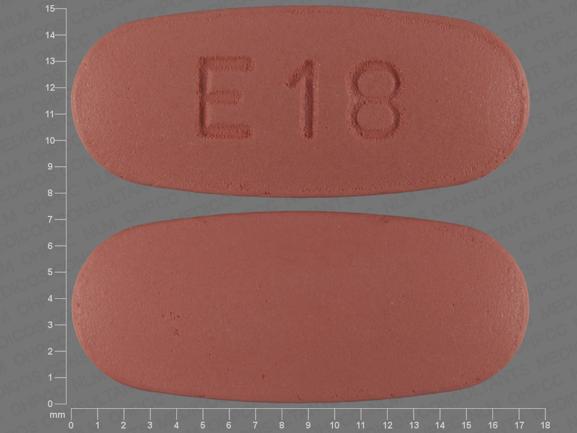
Moxifloxacin Side Effects
Medically reviewed by Drugs.com. Last updated on May 19, 2025.
Applies to moxifloxacin: oral tablet.
Other dosage forms:
Important warnings
This medicine can cause some serious health issues
Oral route (tablet)
Fluoroquinolones, including moxifloxacin, are associated with disabling and potentially irreversible serious adverse reactions that have occurred together, including tendinitis and tendon rupture, peripheral neuropathy, and CNS effects.
Discontinue moxifloxacin and avoid use of fluoroquinolones in patients with these serious adverse reactions.
Reserve use of moxifloxacin for patients with no alternative treatment options for acute bacterial sinusitis or acute bacterial exacerbation of chronic bronchitis.
Fluoroquinolones, including moxifloxacin, may exacerbate muscle weakness in persons with myasthenia gravis.
Avoid in patients with known history of myasthenia gravis.
Precautions
It is very important that your doctor check your progress at regular visits while you are using this medicine to make sure this medicine is working properly. Blood and urine tests are needed to check for any unwanted effects.
If you have low potassium levels in the blood, moxifloxacin may increase your risk of having a fast, slow or irregular heartbeat, loss of consciousness, or fainting spells. If these symptoms occur, tell your doctor right away.
This medicine may cause serious allergic reactions, including anaphylaxis, which can be life-threatening and require immediate medical attention. Call your doctor right away if you have itching, hives, hoarseness, trouble breathing, trouble swallowing, or any swelling of your hands, face, or mouth after you take this medicine.
Serious side effects can occur during treatment with this medicine and can sometimes occur without warning. Possible warning signs include black, tarry stools, blistering, peeling, or loosening of the skin, bloody or cloudy urine, chills, decreased urination, diarrhea, fever, joint or muscle pain, red skin lesions, often with a purple center, sores, ulcers, or white spots in the mouth or on the lips, severe stomach pain, skin rash, swelling of the face, fingers, feet, or lower legs, unusual bleeding or bruising, unusual weight gain, or yellow skin or eyes. Check with your doctor immediately if you notice any of these warning signs.
Moxifloxacin may lower the number of some types of blood cells in your body. Because of this, you may bleed or get infections more easily. To help with these problems, avoid being near people who are sick or have infections. Wash your hands often. Stay away from rough sports or other situations where you could be bruised, cut, or injured. Brush and floss your teeth gently. Be careful when using sharp objects, including razors and fingernail clippers.
Moxifloxacin may cause diarrhea, and in some cases it can be severe. It may occur 2 months or more after you Stop taking moxifloxacin. Do not take any medicine to treat diarrhea without checking first with your doctor. Diarrhea medicines may make the diarrhea worse or make it last longer. If you have any questions about this or if mild diarrhea continues or gets worse, check with your doctor.
Tell your doctor right away if you start having numbness, tingling, or burning pain in your hands, arms, legs, or feet. These may be symptoms of a condition called peripheral neuropathy.
Moxifloxacin may rarely cause inflammation (tendinitis) or tearing of a tendon (the cord that attaches muscles to bones). This can occur while you are taking the medicine or after you finish taking it. The risk of having tendon problems may be increased if you are over 60 years of age, are using steroid medicines (eg, dexamethasone, prednisolone, prednisone, or Medrol®), have severe kidney problems, have a history of tendon problems (eg, rheumatoid arthritis), or if you have received an organ transplant (eg, heart, kidney, or lung). Check with your doctor right away if you have sudden pain or swelling in a tendon after exercise (eg, ankle, back of the knee or leg, shoulder, elbow, or wrist), bruise more easily after an injury, or are unable to bear weight or move the affected area. Refrain from exercise until your doctor says otherwise.
Tell your doctor right away if you have any of the following symptoms while using this medicine: convulsions (seizures), feeling anxious, confused, or depressed, seeing, hearing, or feeling things that are not there, severe headache, trouble sleeping, or unusual thoughts or behaviors.
This medicine may increase your risk for aortic aneurysm (bulge in the wall of the largest artery). Check with your doctor right away if you have sudden chest, stomach, or back pain, trouble breathing, cough, or hoarseness.
Moxifloxacin may cause some people to become dizzy, lightheaded, drowsy, or less alert than they are normally. Do not drive or do anything else that could be dangerous until you know how this medicine affects you. If these reactions are especially bothersome, check with your doctor.
Some people who take moxifloxacin may become more sensitive to sunlight than normal. Exposure to sunlight, even for brief periods of time, may cause severe sunburn, or skin rash, redness, itching, or discoloration. When you begin using this medicine:
- Stay out of direct sunlight, especially between the hours of 10 AM and 3 PM, if possible.
- Wear protective clothing, including a hat and sunglasses.
- Apply a sun block product that has a sun protection factor (SPF) of at least 15. Some people may require a product with a higher SPF number, especially if they have a fair complexion. If you have any questions about this, check with your doctor.
- Do not use a sunlamp or tanning bed or booth.
If you have a severe reaction from the sun, check with your doctor right away.
For diabetic patients: This medicine may affect blood sugar levels. If you notice a change in the results of your blood or urine sugar tests or if you have any questions, check with your doctor.
Do not take other medicines unless they have been discussed with your doctor. This includes prescription or nonprescription (over-the-counter [OTC]) medicines and herbal or vitamin supplements.
Serious side effects of moxifloxacin
Along with its needed effects, moxifloxacin may cause some unwanted effects. Although not all of these side effects may occur, if they do occur they may need medical attention.
Check with your doctor immediately if any of the following side effects occur while taking moxifloxacin:
Rare side effects
- black, tarry stools
- bleeding gums
- blisters
- bloating or swelling of the face, arms, hands, lower legs, or feet
- blood in the urine or stools
- blurred vision
- bone pain
- burning, crawling, itching, numbness, prickling, "pins and needles", or tingling feelings
- chest pain or tightness
- chills
- clay-colored stools
- cough
- crying
- dark urine
- deep or fast breathing with dizziness
- diarrhea, watery and severe, which may also be bloody
- difficult or labored breathing
- difficulty with moving
- difficulty with swallowing
- discouragement
- dizziness, fainting, or lightheadedness when getting up suddenly from a lying or sitting position
- dry mouth
- excessive muscle tone
- fast, irregular, pounding, or racing heartbeat or pulse
- feeling of unreality
- feeling of warmth or heat
- feeling sad or empty
- fever
- fruit-like breath odor
- headache
- increased hunger
- increased sensitivity of the skin to sunlight
- increased thirst
- increased urination
- irregular heartbeat, recurrent
- irritability
- itching, skin rash
- joint pain, stiffness, or swelling
- lack of coordination
- loss of appetite
- loss of interest or pleasure
- lower back, side, or stomach pain
- mood or mental changes
- muscle cramps, pains, stiffness, tension, or tightness
- nausea
- nervousness
- noisy breathing
- numbness of the feet, hands, and around the mouth
- pain in the pelvis
- pain, warmth, or burning in the fingers, toes, and legs
- painful or difficult urination
- pale skin
- pinpoint red spots on the skin
- pounding in the ears
- problems with speech or speaking
- problems with vision or hearing
- quick to react or overreact emotionally
- rapid weight gain
- rapidly changing moods
- redness or other discoloration of the skin
- restlessness
- seeing, hearing, or feeling things that are not there
- seizures
- sensation of the skin burning
- sense of detachment from self or body
- severe sunburn
- shakiness in the legs, arms, hands, or feet
- sore throat
- sores, ulcers, or white spots on the lips or in the mouth
- stomach cramps or tenderness
- sweating
- swelling of the feet or lower legs
- swelling or puffiness of the face
- swollen glands
- thick, white vaginal discharge with no odor or with a mild odor
- tingling of the hands or feet
- trouble concentrating
- trouble sleeping
- unexplained weight loss
- unpleasant breath odor
- unusual bleeding or bruising
- unusual tiredness or weakness
- vomiting
- vomiting of blood
- white patches in the mouth or on the tongue
- yellow eyes or skin
Incidence not known
- blistering, peeling, or loosening of the skin
- burning, numbness, tingling, or painful sensations
- change in the ability to see colors, especially blue or yellow
- difficulty with chewing or talking
- double vision
- drooping eyelids
- eye pain
- general feeling of tiredness or weakness
- hives
- hoarseness
- irregular or slow heart rate
- large, hive-like swelling on the face, eyelids, lips, tongue, throat, hands, legs, feet, or genitals
- light-colored stools
- loss of consciousness
- muscle weakness
- puffiness or swelling of the eyelids or around the eyes, face, lips, or tongue
- red, irritated eyes
- red skin lesions, often with a purple center
- severe headache
- severe tiredness
- stomach pain, continuing
- unsteadiness or awkwardness
- unusual behavior, including disorientation to time or place, failure to recognize people, hyperactivity, or restlessness
Other side effects of moxifloxacin
Some side effects of moxifloxacin may occur that usually do not need medical attention. These side effects may go away during treatment as your body adjusts to the medicine. Also, your health care professional may be able to tell you about ways to prevent or reduce some of these side effects.
Check with your health care professional if any of the following side effects continue or are bothersome or if you have any questions about them:
Rare side effects
- bad, unusual, or unpleasant (after) taste
- belching
- burning feeling in the chest or stomach
- change in sense of smell
- change in taste
- changes in vision
- continuing ringing or buzzing or other unexplained noise in the ears
- difficulty having a bowel movement
- excess air or gas in the stomach or bowels
- fear or nervousness
- feeling of constant movement of self or surroundings
- full feeling
- general feeling of discomfort or illness
- hearing loss
- heartburn
- impaired vision
- indigestion
- itching of the vagina or genital area
- lack or loss of strength
- loss of memory
- pain during sexual intercourse
- passing of gas
- problems with memory
- redness, swelling, or soreness of the tongue
- sensation of spinning
- sleepiness or unusual drowsiness
- sore mouth or tongue
- stomach discomfort, upset, or pain
See also:
Augmentin
Augmentin is a prescription antibiotic combining amoxicillin and clavulanate to treat bacterial ...
Cefdinir
Cefdinir is used for bacterial infection, bronchitis, middle ear infections, pneumonia, sinusitis ...
Dupixent
Dupixent is used to treat eczema, eosinophilic or oral-corticosteroid-dependent asthma, chronic ...
Clindamycin
Clindamycin (Cleocin) is used to treat serious infections caused by bacteria. Includes clindamycin ...
Levofloxacin
Levofloxacin is a fluoroquinolone antibiotic used to treat serious bacterial infections and prevent ...
Metronidazole
Metronidazole is an antibiotic used to fight bacteria in your body. Learn about side effects ...
Ceftriaxone
Ceftriaxone is used for bacteremia, bacterial endocarditis prevention, bacterial infection, bone ...
Ciprofloxacin
Ciprofloxacin is an antibiotic belong to a group of drugs called fluoroquinolones. Learn about side ...
Cephalexin
Cephalexin is a cephalosporin antibiotic used to treat bacterial infections like respiratory, skin ...
Azithromycin
Azithromycin is an antibiotic used to treat many different types of infections caused by bacteria ...
For healthcare professionals
Applies to moxifloxacin: injectable solution, intravenous solution, oral tablet.
General adverse events
The most common side effects were nausea, diarrhea, headache, and dizziness. This drug was discontinued due to side effects in 5% of patients overall, 4% of patients using 400 mg orally, 4% using 400 mg IV, and 8% using 400 mg IV/oral sequential therapy. The most common side effects leading to discontinuation with the oral dose were nausea, diarrhea, dizziness, and vomiting. The most common side effect leading to discontinuation with the IV dose was rash. The most common side effects leading to discontinuation with the IV/oral sequential dose were diarrhea and pyrexia.[Ref]
Gastrointestinal
- Common (1% to 10%): Nausea, diarrhea, vomiting, constipation, gastrointestinal pain, abdominal pain, dyspepsia, decreased amylase
- Uncommon (0.1% to 1%): Dry mouth, abdominal discomfort, abdominal distention, gastritis, gastroesophageal reflux disease, gastroenteritis, flatulence, increased blood amylase, increased lipase, antibiotic-associated colitis (including pseudomembranous colitis, life-threatening complications)
- Rare (0.01% to 0.1%): Dysphagia, stomatitis
- Frequency not reported: Clostridium difficile-associated diarrhea, gastrointestinal disorder, pseudomembranous colitis, glossitis, tongue discoloration, upper abdominal pain, oral candidiasis, oral fungal infection[Ref]
Decreased amylase has been reported in at least 2% of patients; however, it has not been determined if this laboratory abnormality was due to the drug or the underlying condition being treated.
Antibiotic-associated colitis (including pseudomembranous colitis; associated with life-threatening complications in very rare cases) was reported more often with IV therapy (with or without subsequent oral therapy).
The onset of pseudomembranous colitis symptoms has been reported during or after antimicrobial treatment.[Ref]
Nervous system
- Common (1% to 10%): Headache, dizziness
- Uncommon (0.1% to 1%): Somnolence, tremor, dysgeusia, lethargy, paresthesia, dysesthesia, hypoesthesia, syncope (i.e., acute and short-lasting loss of consciousness), tinnitus, vertigo, convulsions/seizures of various clinical manifestations (including grand mal convulsions), taste disorder, sleep disorders
- Rare (0.01% to 0.1%): Smell disorders (including anosmia), disturbed coordination (including gait disturbances, especially due to dizziness or vertigo), disturbed attention, speech disorders, amnesia, peripheral neuropathy, polyneuropathy, hearing impairment (including deafness; usually reversible)
- Very rare (less than 0.01%): Ageusia, hyperesthesia, exacerbation of myasthenia gravis
- Frequency not reported: Aphasia, incoordination, parosmia, abnormal thinking, sensory axonal polyneuropathy, sensorimotor axonal polyneuropathy, orofacial dyskinesia, taste loss, taste perversion, tension headache
- Postmarketing reports: Altered coordination, disturbed coordination (leading to fall with injuries), abnormal gait
Other fluoroquinolones:
- Very rare (less than 0.01%): Increased intracranial pressure (including pseudotumor cerebri)[Ref]
Seizures (including grand mal convulsions) were reported more often with IV therapy (with or without subsequent oral therapy).
Cases of sensory or sensorimotor axonal polyneuropathy (affecting small and/or large axons) resulting in paresthesias, hypoesthesias, dysesthesias, and weakness have been reported.
Disturbed coordination leading to fall with injuries was reported, particularly in elderly patients.
Peripheral neuropathy (may be irreversible), polyneuropathy, hearing impairment (including deafness; reversible in most cases), and exacerbation of myasthenia gravis have also been reported during postmarketing experience.[Ref]
Cardiovascular
- Common (1% to 10%): QT prolongation
- Uncommon (0.1% to 1%): Atrial fibrillation, palpitations, tachycardia, angina pectoris, cardiac failure, cardiac arrest, bradycardia, hypertension, hypotension, phlebitis, increased blood pressure, prolonged ECG QT interval, ventricular tachyarrhythmias, vasodilation
- Very rare (less than 0.01%): Unspecified arrhythmias, torsade de pointes, cardiac arrest, vasculitis
- Frequency not reported: Abnormal ECG, arrhythmias, atrial flutter, ST-T wave changes, supraventricular tachycardia, ventricular extrasystoles, ventricular tachycardia, congestive cardiac failure[Ref]
QT prolongation was commonly reported in patients with hypokalemia, otherwise, it was uncommon.
Ventricular tachyarrhythmias and hypotension were reported more often with IV therapy (with or without subsequent oral therapy).
The mean QTc interval prolongation in a study of 787 patients using oral moxifloxacin was 6 msec versus 1 msec for a comparator group of patients using another antibiotic. There were 38 outliers in the moxifloxacin group (QTc interval greater than 450 msec for men or 470 msec for women) versus 28 outliers in the comparator group.
In another study (n=48), there were greater increases in the QT and QTc interval with 800 mg moxifloxacin than with 1000 mg levofloxacin or 1500 mg ciprofloxacin.
Elderly patients experienced more ECG abnormalities than younger patients.
Ventricular tachyarrhythmias (including very rare cases of cardiac arrest and torsade de pointes) have also been reported during postmarketing experience, usually in patients with concurrent severe underlying proarrhythmic conditions (e.g., clinically significant bradycardia, acute myocardial ischemia).[Ref]
Hematologic
- Common (1% to 10%): Anemia, increased mean corpuscular hemoglobin (MCH), increased neutrophils, increased WBCs, increased albumin, increased prothrombin time (PT) ratio, decreased hemoglobin, decreased RBCs, decreased neutrophils, decreased eosinophils, decreased basophils
- Uncommon (0.1% to 1%): Prolonged PT/INR increased, thrombocythemia, eosinophilia, neutropenia, thrombocytopenia, leukocytosis, leukopenia, decreased hematocrit, increased eosinophil count, prolonged activated partial thromboplastin time
- Rare (0.01% to 0.1%): Abnormal thromboplastin level
- Very rare (less than 0.01%): Increased prothrombin level/decreased INR, abnormal prothrombin level/INR, agranulocytosis
- Frequency not reported: Decreased thromboplastin, decreased prothrombin/increased INR, increased platelet count, decreased hemoglobin, increased white blood cell count, decreased PT ratio
- Postmarketing reports: Pancytopenia
Other fluoroquinolones:
- Very rare (less than 0.01%): Hemolytic anemia[Ref]
Increased MCH, neutrophils, WBCs, albumin, and PT ratio, and decreased hemoglobin, RBCs, neutrophils, eosinophils, basophils, and PT ratio have been reported in at least 2% of patients; however, it has not been determined if these laboratory abnormalities were due to the drug or the underlying condition being treated.
Agranulocytosis has also been reported during postmarketing experience.[Ref]
Hepatic
- Common (1% to 10%): Increased ALT, increased bilirubin, decreased bilirubin, increased GGT, increased transaminases
- Uncommon (0.1% to 1%): Abnormal hepatic function, increased aspartate aminotransferase, hepatic impairment (including increased lactate dehydrogenase)
- Rare (0.01% to 0.1%): Jaundice, hepatitis (primarily cholestatic)
- Very rare (less than 0.01%): Fulminant hepatitis (potentially leading to life-threatening liver failure [including fatal cases])
- Frequency not reported: Acute fulminant hepatic failure, acute liver injury, abnormal liver function test, increased hepatic enzyme
- Postmarketing reports: Hepatic failure (including fatal cases), acute hepatic necrosis[Ref]
Increased and decreased bilirubin levels have been reported in at least 2% of patients; however, it has not been determined if these laboratory abnormalities were due to the drug or the underlying condition being treated.
Increased GGT was reported more often with IV therapy (with or without subsequent oral therapy).
A 69-year-old male developed jaundice, pruritus, weight loss, dark urine, elevated lever function tests (total bilirubin: 28.45 mg/dL; conjugated bilirubin: 20.6 mg/dL; alkaline phosphatase: 249 units/L; ALT: 58 units/L) 3 weeks after a 5-day course of oral moxifloxacin. A liver biopsy showed portal inflammatory infiltrates with lymphocytes and eosinophils and predominantly casts in canaliculi. Liver function tests normalized over 2 months.
A 23-year-old female developed acute fulminant hepatitis (transaminases up to 8500 units/L) with hepatocellular necrosis, toxic epidermal necrolysis, and encephalopathy after 3 days of therapy. The condition culminated in multiple organ failure, acute respiratory distress syndrome, and death, despite a liver transplant.
Hepatitis (primarily cholestatic) and jaundice have also been reported during postmarketing experience.[Ref]
Metabolic
- Common (1% to 10%): Hypokalemia, decreased glucose, decreased oxygen partial pressure (pO2)
- Uncommon (0.1% to 1%): Hyperglycemia, anorexia, hyperlipidemia, decreased appetite, dehydration, increased blood uric acid, decreased food intake
- Rare (0.01% to 0.1%): Hyperuricemia
- Very rare (less than 0.01%): Hypoglycemia
- Frequency not reported: Increased blood glucose
- Postmarketing reports: Dehydration (secondary to diarrhea or reduced fluid intake)
Other fluoroquinolones:
- Very rare (less than 0.01%): Hypernatremia, hypercalcemia[Ref]
Increased ionized calcium, chloride, and globulin, and decreased glucose, and pO2 have been reported in at least 2% of patients; however, it has not been determined if these laboratory abnormalities were due to the drug or the underlying condition being treated.
Hypoglycemia has also been reported during postmarketing experience.[Ref]
Other
- Common (1% to 10%): Pyrexia, increased ionized calcium, increased chloride, increased globulin, superinfections (due to resistant bacteria or fungi [e.g., oral and vaginal candidiasis])
- Uncommon (0.1% to 1%): Fatigue, chest pain, asthenia, unspecific pain, malaise, edema, chills, chest discomfort, increased blood alkaline phosphatase, increased blood LDH, increased blood triglycerides, candidiasis, fungal infection, facial pain, feeling unwell (primarily asthenia or fatigue), painful conditions (including pain in back, chest, pelvic, extremities)
- Frequency not reported: Abnormal laboratory test (not specified), face edema, peripheral edema, weakness[Ref]
Edema was reported more often with IV therapy (with or without subsequent oral therapy).[Ref]
Psychiatric
- Common (1% to 10%): Insomnia
- Uncommon (0.1% to 1%): Nervousness, confusional state, psychomotor hyperactivity/agitation, depression, restlessness, disorientation, anxiety, hallucinations
- Rare (0.01% to 0.1%): Abnormal dreams, emotional lability
- Very rare (less than 0.01%): Depersonalization, psychotic reactions
- Frequency not reported: Self-endangering behavior
- Postmarketing reports: Self-injurious behavior (e.g., suicidal ideation/thoughts, suicide attempts)[Ref]
Hallucination was reported more often with IV therapy (with or without subsequent oral therapy).
Psychotic reactions and/or depression, very rarely culminating in self-injurious behavior (such as suicidal ideation/thoughts or suicide attempts), have been reported during postmarketing experience.[Ref]
Local
- Common (1% to 10%): Injection site reactions, infusion site reactions
- Uncommon (0.1% to 1%): Infusion site extravasation, infusion site thrombophlebitis/phlebitis[Ref]
Musculoskeletal
- Uncommon (0.1% to 1%): Arthralgia, myalgia, muscle spasms, musculoskeletal pain
- Rare (0.01% to 0.1%): Tendinitis, increased muscle tone and cramping, muscle weakness, muscle cramp, muscle twitching
- Very rare (less than 0.01%): Arthritis, tendon rupture, muscle rigidity
- Frequency not reported: Hypertonia, tendon disorder, musculoskeletal chest pain
- Postmarketing reports: Gait disturbance (due to muscular, tendon, or joint symptoms)
Other fluoroquinolones:
- Very rare (less than 0.01%): Rhabdomyolysis[Ref]
Tendon rupture has also been reported during postmarketing experience.[Ref]
Hypersensitivity
- Uncommon (0.1% to 1%): Allergic reaction
- Rare (0.01% to 0.1%): Anaphylactic/anaphylactoid reaction, allergic edema/angioedema (including laryngeal edema; potentially life-threatening)
- Very rare (less than 0.01%): Anaphylactic/anaphylactoid shock (potentially life-threatening)[Ref]
Anaphylactic reaction, anaphylactic shock, and angioedema (including laryngeal edema) have also been reported during postmarketing experience.[Ref]
Dermatologic
- Uncommon (0.1% to 1%): Rash, pruritus, hyperhidrosis, erythema, allergic dermatitis, night sweats, urticaria, dry skin
- Very rare (less than 0.01%): Bullous skin reactions (like Stevens-Johnson syndrome or toxic epidermal necrolysis; potentially life-threatening)
- Frequency not reported: Maculopapular rash, purpuric rash, pustular rash
- Postmarketing reports: Toxic epidermal necrolysis, photosensitivity/phototoxicity reactions, Stevens-Johnson syndrome[Ref]
Genitourinary
- Uncommon (0.1% to 1%): Dysuria, vaginal infection, vulvovaginal pruritus
- Frequency not reported: Vaginitis, vulvovaginal candidiasis, vulvovaginal mycotic infection[Ref]
Ocular
- Uncommon (0.1% to 1%): Visual disturbances (including blurred vision, diplopia; especially during central nervous system [CNS] reactions)
- Rare (0.01% to 0.1%): Photophobia
- Very rare (less than 0.01%): Transient vision loss (especially during CNS reactions), uveitis, bilateral acute iris transillumination
- Frequency not reported: Amblyopia, abnormal vision (visual disturbances temporally associated with CNS symptoms)[Ref]
Vision loss (especially during CNS reactions) has also been reported during postmarketing experience; most cases were transient.[Ref]
Renal
- Uncommon (0.1% to 1%): Increased blood creatinine, increased blood urea, renal failure, renal impairment (including increased BUN, increased creatinine)
- Frequency not reported: Abnormal kidney function, acute renal failure
- Postmarketing reports: Interstitial nephritis[Ref]
Renal impairment (including increased BUN and creatinine) and renal failure (due to dehydration, particularly in elderly patients with preexisting renal disorders) were reported more often with IV therapy (with or without subsequent oral therapy).[Ref]
Respiratory
- Uncommon (0.1% to 1%): Dyspnea (including asthmatic conditions), wheezing, bronchospasm, asthma
- Postmarketing reports: Allergic pneumonitis, laryngeal edema[Ref]
References
1. (2001) "Product Information. Avelox (moxifloxacin)." Bayer
2. Mandell LA, Ball P, Tillotson G (2001) "Antimicrobial safety and tolerability: Differences and dilemmas." Clin Infect Dis, 32, s72-9
3. Iannini PB, Kubin R, Reiter C, Tillotson G (2001) "Reassuring safety profile of moxifloxacin." Clin Infect Dis, 32, p. 1112-4
4. Cerner Multum, Inc. "UK Summary of Product Characteristics."
5. Carroll DN (2003) "Moxifloxacin-induced Clostridium difficile-associated diarrhea." Pharmacotherapy, 23, p. 1517-9
6. Ott SR, Allewelt M, Lorenz J, Reimnitz P, Lode H (2008) "Moxifloxacin vs ampicillin/sulbactam in aspiration pneumonia and primary lung abscess." Infection, 36, p. 23-30
7. Chang CM, Lee NY, Lee HC, et al. (2008) "Moxifloxacin-associated neutropenia in a cirrhotic elderly woman with lower extremity cellulitis (April)." Ann Pharmacother, 42, p. 580-3
8. Gallagher JC, Du JK, Rose C (2008) "Severe pseudomembranous colitis after moxifloxacin use: a case series (January)." Ann Pharmacother, 43
9. Mittal SO, Machado DG, Jabbari B (2012) "Orofacial dyskinesia after moxifloxacin treatment-a case with normal hepatorenal function and review of literature." Clin Neuropharmacol, 35, p. 292-4
10. Siepmann M, Kirch W (2001) "Drug points - Tachycardia associated with moxifloxacin." Br Med J, 322, p. 23
11. Noel GJ, Natarajan J, Chien S, Hunt TL, Goodman DB, Abels R (2003) "Effects of three fluoroquinolones on QT interval in healthy adults after single doses." Clin Pharmacol Ther, 73, p. 292-303
12. Owens RC Jr, Nolin TD (2006) "Antimicrobial-Associated QT Interval Prolongation: Pointes of Interest." Clin Infect Dis, 43, p. 1603-1611
13. Badshah A, Janjua M, Younas F, Halabi AR, Cotant JF (2009) "Moxifloxacin-Induced QT Prolongation and Torsades: An Uncommon Effect of a Common Drug." Am J Med Sci, 338, p. 164-6
14. Briasoulis A, Agarwal V, Pierce WJ (2011) "QT Prolongation and Torsade de Pointes Induced by Fluoroquinolones: Infrequent Side Effects from Commonly Used Medications." Cardiology, 120, p. 103-110
15. Lapi F, Wilchesky M, Kezouh A, Benisty JI, Ernst P, Suissa S (2012) "Fluoroquinolones and the risk of serious arrhythmia: a population-based study." Clin Infect Dis, 55, p. 1457-65
16. Soto S, Lopez-Roses L, Avila S, et al. (2002) "Moxifloxacin-induced acute liver injury." Am J Gastroenterol, 97, p. 1853-4
17. Deenadayalu V, Orinion E, Veeneman E, Yoo HY (2003) "Acute fulminant hepatic failure and toxic epidermal necrolysis associated with the use of moxifloxacin." Am J Gastroenterol, 98(9S), S211-S212
18. Nori S, Nebesio C, Brashear R, Travers JB (2004) "Moxifloxacin-associated drug hypersensitivity syndrome with toxic epidermal necrolysis and fulminant hepatic failure." Arch Dermatol, 140, p. 1537-8
19. Paterson JM, Mamdani MM, Manno M, Juurlink DN (2012) "Fluoroquinolone therapy and idiosyncratic acute liver injury: a population-based study." CMAJ, 184, p. 1565-70
20. Donck JB, Segaert MF, Vanrenterghem YF (1994) "Fluoroquinolones and achilles tendinopathy in renal transplant recipients." Transplantation, 58, p. 736-7
21. Cerner Multum, Inc. "Australian Product Information."
22. Adverse Drug Reactions Advisory Committee (ADRAC) and the Adverse Drug Reactions Unit of the TGA (2008) Australian Adverse Drug Reactions Bulletin. http://www.tga.gov.au/adr/aadrb/aadr0810.htm
23. Man I, Murphy J, Ferguson J (1999) "Fluoroquinolone phototoxicity: a comparison of moxifloxacin and lomefloxacin in normal volunteers." J Antimicrob Chemother, 43(suppl b), p. 77-82
More about moxifloxacin
- Check interactions
- Compare alternatives
- Pricing & coupons
- Reviews (213)
- Drug images
- Latest FDA alerts (7)
- Dosage information
- During pregnancy
- Drug class: quinolones and fluoroquinolones
- Breastfeeding
- En español
Patient resources
- Moxifloxacin oral/injection drug information
- Moxifloxacin (Intravenous) (Advanced Reading)
- Moxifloxacin (Oral) (Advanced Reading)
- Moxifloxacin Tablets
- Moxifloxacin Injection
Other brands
Professional resources
Other brands
Related treatment guides
Further information
Moxifloxacin side effects can vary depending on the individual. Always consult your healthcare provider to ensure the information displayed on this page applies to your personal circumstances.
Note: Medication side effects may be underreported. If you are experiencing side effects that are not listed, submit a report to the FDA by following this guide.