
Chronic Bronchitis
Medically reviewed by Drugs.com. Last updated on Aug 4, 2025.
What is chronic bronchitis?
Chronic bronchitis is a long-term swelling and irritation of the airways in your lungs. The irritation may damage your lungs. The lung damage often gets worse over time, and is usually permanent. Chronic bronchitis is part of a group of lung diseases called chronic obstructive pulmonary disease (COPD).
 |
What causes or increases my risk for chronic bronchitis?
A family history of lung disease can increase your risk. The following may cause lung damage that can increase your risk:
- Smoking or exposure to secondhand smoke
- Exposure to lung irritants such as dust, chemicals, or pollution
- Lung infections that happen often
- Lung conditions such as asthma or cystic fibrosis
What are the signs and symptoms of chronic bronchitis?
- A cough with sputum (mucus) that lasts 3 months or longer
- Chest pain
- Tiredness
- Shortness of breath or wheezing
- Grey or blue skin, nail beds, or lips
What is an exacerbation of chronic bronchitis?
An exacerbation is when your symptoms get much worse very quickly. Exacerbations of chronic bronchitis can be triggered by infections such as a cold or the flu. Lung irritants such as air pollution, dust, fumes, or smoke can also trigger an exacerbation. Exacerbations of chronic bronchitis can be life-threatening.
How is chronic bronchitis diagnosed?
Your healthcare provider will ask about your signs and symptoms. Tell your provider about other medical conditions you have. Your provider will examine you and listen to your heart and lungs. You may also need any of the following:
- Blood tests will show if you have an infection. Blood tests are also used to measure the amount of oxygen in your blood.
- X-ray or CT pictures may show an infection or lung damage. You may be given contrast liquid to help the lungs show up better in the pictures. Tell the healthcare provider if you have ever had an allergic reaction to contrast liquid.
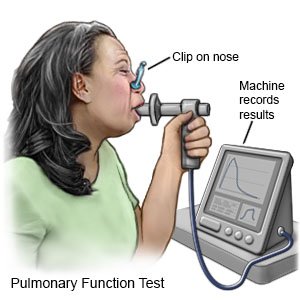
- Lung function tests are used to find how well your lungs work. Spirometry measures the airflow into and out of your lungs. A lung volume test measures the amount of air your lungs can hold. The amount of oxygen that gets into your blood when you breathe may also be measured.
Related medications
How is chronic bronchitis treated?
- Medicines may open your airways, decrease swelling and inflammation in your lungs, or treat an infection. A short-acting medicine relieves symptoms quickly. Long-acting medicines will control or prevent symptoms. Ask your provider how to use your medicines safely.
- Pulmonary rehabilitation (rehab) is a program to help you improve your lung function. You will learn exercises to help clear mucus from your airways and strengthen your lungs.
- Extra oxygen may be needed if your blood oxygen level is lower than it should be.
Treatment options
The following list of medications are related to or used in the treatment of this condition.
What can I do to manage chronic bronchitis?
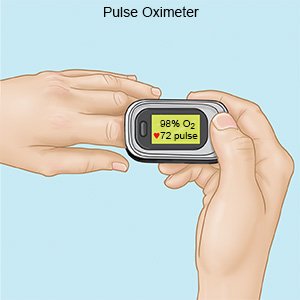
- Check your oxygen level, if directed. Your healthcare provider may recommend you use a pulse oximeter (pulse ox). A pulse ox is a device that measures the percentage of oxygen in your blood. You may be given a percentage target for when you are at rest and another target for activity. Your provider may want you to keep a record of your oxygen levels. Bring the record to follow-up visits as directed.
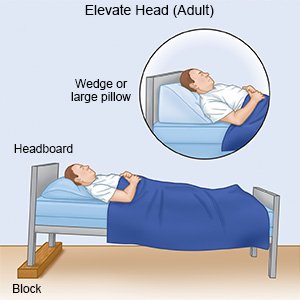
- Sleep with your upper body raised. This will help you breathe easier. You can use foam wedges or elevate the head of your bed. Many devices are available to help raise your upper body while in bed. Use a device that will tilt your whole body, or bend your body at the waist. The device should not bend your body at the upper back or neck.
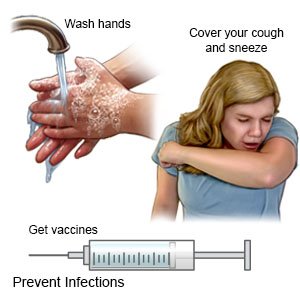
- Prevent the spread of germs:
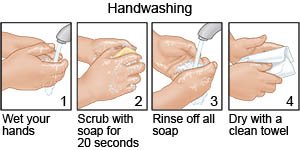
- Wash your hands often with soap and water. Carry germ-killing gel with you. You can use the gel to clean your hands when soap and water are not available.
- Do not touch your eyes, nose, or mouth unless you have washed your hands first.
- Always cover your mouth when you cough. Cough into a tissue or your shirtsleeve so you do not spread germs from your hands.
- Try to avoid people who have a cold or the flu. If you are sick, stay away from others as much as possible.
- Ask about vaccines. Get a flu vaccine every year as soon as recommended, usually in September or October. Get recommended COVID-19 vaccine doses and boosters. Ask about other vaccines you may need, and when to get them.
- Wash your hands often with soap and water. Carry germ-killing gel with you. You can use the gel to clean your hands when soap and water are not available.
- Do not smoke. Nicotine and other substances can cause lung damage. Do not use e-cigarettes or smokeless tobacco without first talking to your healthcare provider. They still contain nicotine. Ask your healthcare provider for information if you currently smoke and need help to quit.
- Avoid lung irritants. Stay out of high altitudes and places with high humidity. Stay inside, or cover your mouth and nose with a scarf when you are outside during cold weather. Stay inside on days when air pollution or pollen counts are high. Do not use aerosol sprays such as deodorant, bug spray, and hair spray.
- Drink more liquids. This will help to keep your air passages moist and help you cough up mucus. Ask how much liquid to drink each day and which liquids are best for you.
Call your local emergency number (911 in the US) if:
- You have new or worsening chest pain or tightness.
- You become confused, dizzy, or feel like you may faint.
When should I seek immediate care?
- You have a new or increased gray or blue tint to your nail beds, fingers, or lips.
- You cough up blood.
- You have new or increased swelling in your legs, ankles, or abdomen.
- The amount or color of your sputum changes, or your sputum becomes too hard to cough up.
When should I call my doctor?
- You have a fever.
- You use your inhalers more often than usual.
- You run out of breath easily when you talk or do your usual exercise or activities.
- You have questions or concerns about your condition or care.
Care Agreement
You have the right to help plan your care. Learn about your health condition and how it may be treated. Discuss treatment options with your healthcare providers to decide what care you want to receive. You always have the right to refuse treatment. The above information is an educational aid only. It is not intended as medical advice for individual conditions or treatments. Talk to your doctor, nurse or pharmacist before following any medical regimen to see if it is safe and effective for you.© Copyright Merative 2025 Information is for End User's use only and may not be sold, redistributed or otherwise used for commercial purposes.
Learn more about Chronic Bronchitis
Treatment options
Care guides
Symptoms and treatments
Medicine.com guides (external)
Further information
Always consult your healthcare provider to ensure the information displayed on this page applies to your personal circumstances.