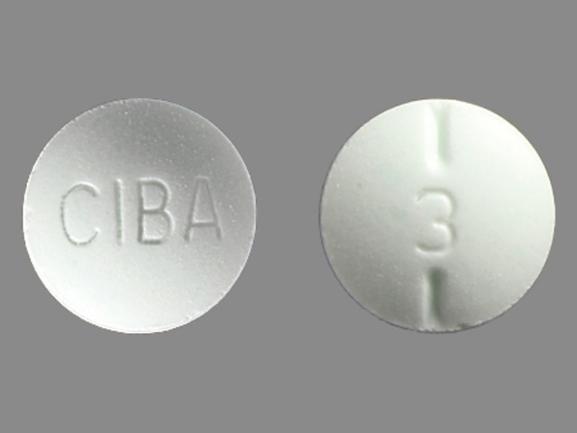
Ritalin
Generic name: methylphenidate (oral) [ METH-il-FEN-i-date ]
Other brand names of methylphenidate (oral) include: Ritalin tablets, Ritalin LA capsules
Drug class: CNS stimulants
What is Ritalin?
Ritalin is a central nervous system stimulant. Methylphenidate affects chemicals in the brain and nerves that contribute to hyperactivity and impulse control.
Ritalin is used to treat attention deficit disorder (ADD), attention deficit hyperactivity disorder (ADHD), and narcolepsy.
Ritalin should be used as a part of a total treatment program for ADHD that may include counseling or other therapies.
Warnings
Ritalin may be habit-forming. Tell your doctor if you have a history of drug or alcohol addiction. Keep the medication where others cannot get to it.
Misuse of Ritalin can cause addiction, overdose, or death. Tell your doctor if you have had problems with drug or alcohol abuse.
Stimulants have caused stroke, heart attack, and sudden death in people with high blood pressure, heart disease, or a heart defect.
Do not use Ritalin if you have used an MAO inhibitor in the past 14 days, such as isocarboxazid, linezolid, methylene blue injection, phenelzine, rasagiline, selegiline, or tranylcypromine.
Ritalin may cause new or worsening psychosis (unusual thoughts or behavior), especially if you have a history of depression, mental illness, or bipolar disorder.
You may have blood circulation problems that can cause numbness, pain, or discoloration in your fingers or toes.
Call your doctor right away if you have: signs of heart problems - chest pain, feeling light-headed or short of breath; signs of psychosis - paranoia, aggression, new behavior problems, seeing or hearing things that are not real; signs of circulation problems - unexplained wounds on your fingers or toes.
Before taking this medicine
You should not use Ritalin if you are allergic to methylphenidate, or if you have.
-
glaucoma;
-
severe high blood pressure or a heart problem;
-
overactive thyroid;
-
a personal or family history of tics (muscle twitches) or Tourette's syndrome; or
-
severe anxiety, tension, or agitation (stimulant medicine can make these symptoms worse).
Stimulants have caused stroke, heart attack, and sudden death in certain people. Tell your doctor if you have:
-
heart problems or a congenital heart defect;
-
high blood pressure; or
-
a family history of heart disease or sudden death.
Do not use Ritalin if you have used an MAO inhibitor in the past 14 days. A dangerous drug interaction could occur. MAO inhibitors include isocarboxazid, linezolid, methylene blue injection, phenelzine, and tranylcypromine.
Tell your doctor if you also use opioid medicine, herbal products, or medicine for depression, mental illness, Parkinson's disease, migraine headaches, serious infections, or prevention of nausea and vomiting. An interaction with methylphenidate could cause a serious condition called serotonin syndrome.
Tell your doctor if you or anyone in your family has ever had:
-
depression, mental illness, bipolar disorder, psychosis, or suicidal thoughts or actions;
-
blood circulation problems in the hands or feet; or
To make sure Ritalin is safe for you, tell your doctor if you have:
-
problems with the esophagus, stomach, or intestines; or
Becoming dependent on this medicine during pregnancy can cause premature birth or low birth weight. Tell your doctor if you are pregnant or plan to become pregnant. If you are pregnant, your name may be listed on a pregnancy registry to track the effects of methylphenidate on the baby.
Ask a doctor if it is safe to breastfeed while using Ritalin. If you are breastfeeding, tell your doctor if you notice symptoms in the baby such as agitation, sleep problems, feeding problems, or reduced weight gain.
Ritalin is not approved for use by anyone younger than 6 years old.
How should I take Ritalin?
Take Ritalin exactly as prescribed by your doctor. Follow all directions on your prescription label and read all medication guides or instruction sheets. Your doctor may occasionally change your dose.
Methylphenidate may be habit-forming. Misuse can cause addiction, overdose, or death. Keep the medication where others cannot get to it. Selling or giving away Ritalin is against the law.
Your dose needs may change if you switch to a different brand, strength, or form of this medicine. Avoid medication errors by using only the medicine your doctor prescribes.
Ritalin immediate release (IR) tablets are usually taken 2 to 3 times a day. Take Ritalin IR tablets 30 to 45 minutes before a meal.
Ritalin LA extended-release capsule are taken once daily in the morning.
You may take Ritalin LA capsules with or without food, but take them the same way each time.
Swallow the Ritalin LA extended-release capsule whole. If you cannot swallow the capsule whole, open it and mix the medicine with soft food such as applesauce, pudding or yogurt. Swallow the mixture right away without chewing.
Tell your doctor if you have a planned surgery.
Your treatment may also include counseling or other treatments.
Your doctor will need to check your progress on a regular basis. From time-to-time, your doctor may stop Ritalin treatment for a while to check ADHD symptoms. Your heart and blood pressure may also need to be checked often.
Store tightly closed at room temperature, away from moisture, heat, and light. Keep your medicine in a place where no one can use it improperly.
Do not keep leftover medicine. Ask your pharmacist about a drug take-back program. You may also mix the leftover medicine with cat litter or coffee grounds in a sealed plastic bag and throw the bag in the trash.
Dosing information
Usual Adult Dose for Attention Deficit Disorder:
- IMMEDIATE-RELEASE (IR): Average dose: 20 to 30 mg orally in 2 or 3 divided doses, preferably 30 to 45 minutes before meals; Maximum dose: 60 mg/day.
- EXTENDED-RELEASE (ER): 8-hour ER oral tablet (e.g., Ritalin SR) - May be used when titrated 8-hour IR dose corresponds to available 8-hour ER tablet; available as 20 mg tablets; Maximum dose: 60 mg/day
Usual Adult Dose for Narcolepsy:
- IMMEDIATE-RELEASE (IR): Average dose: 20 to 30 mg orally in 2 or 3 divided doses, preferably 30 to 45 minutes before meals; Maximum dose: 60 mg/day.
- EXTENDED-RELEASE (ER): 8-hour ER oral tablet (e.g., Ritalin SR) - May be used when titrated 8-hour IR dose corresponds to available 8-hour ER tablet; available as 20 mg tablets; Maximum dose: 60 mg/day.
Usual Pediatric Dose for Attention Deficit Disorder:
6 years or older
IMMEDIATE-RELEASE (IR): Initial dose: 2.5 to 5 mg orally twice (before breakfast and lunch). Increase dose gradually in increments of 5 to 10 mg per week; individualize dose according to needs and response of patient; Maximum dose: 60 mg/day
EXTENDED-RELEASE (ER):
- 8-hour ER oral tablet (e.g., Ritalin SR): - May be used when titrated 8-hour IR dose corresponds to available 8-hour ER tablet; available as 20 mg tablets; Maximum dose: 60 mg/day
- Once daily (50% IR/50% ER) oral capsule (e.g., Ritalin LA):
- Age: 6 to 12 years of age (methylphenidate-naive): Initial Dose: 20 mg orally once a day in the morning; may initiate at 10 mg orally once a day when a lower dose is appropriate
- Patients Currently Using Immediate-release (IR) or Sustained-release (SR) Methylphenidate:
- Age: 6 to 12 years of age (methylphenidate-naive): Initial Dose: 20 mg orally once a day in the morning; may initiate at 10 mg orally once a day when a lower dose is appropriate
-
-
- Initial dose: 10 mg orally once a day if current IR dose is 5 mg twice a day
- Initial dose: 20 mg orally once a day if current IR dose is 10 mg 2 times a day or SR dose is 20 mg once a day
- Initial dose: 30 mg orally once a day if current IR dose is 15 mg 2 times a day
- Initial dose: 40 mg orally once a day if current IR dose is 20 mg 2 times a day or SR dose 40 mg once a day
- Initial dose: 60 mg orally once a day if current IR dose is 30 mg 2 times a day or SR dose 60 mg once a day
- TITRATE gradually in 10 mg increments weekly to optimal response
- Maximum dose: 60 mg/day.
- Comments: - All methylphenidate products are FDA approved for pediatric patients 6 years or older with 1 exception; The once daily 50% IR/50% ER oral capsules (Ritalin LA) are approved for patients 6 to 12 years of age only.
-
Usual Pediatric Dose for Narcolepsy:
6 years or older:
- IMMEDIATE-RELEASE (IR): Initial dose: 5 mg orally twice a day (before breakfast and lunch) - Increase dose gradually in increments of 5 to 10 mg per week; individualize dose according to needs and response of patient; Maximum dose: 60 mg/day.
- EXTENDED-RELEASE (ER): 8-hour ER oral tablet (e.g., Ritalin SR): - May be used when titrated 8-hour IR dose corresponds to available 8-hour ER tablet; available as 20 mg tablets; Maximum dose: 60 mg/day.
What happens if I miss a dose?
Take the medicine as soon as you can, but skip the missed dose if it is almost time for your next dose. Do not take two doses at one time.
What happens if I overdose?
Seek emergency medical attention or call the Poison Help line at 1-800-222-1222. An overdose of methylphenidate could be fatal.
Overdose symptoms may include nausea, dry mouth, vomiting, diarrhea, anxiety, agitation, restlessness, tremor, muscle twitches, rapid breathing, confusion, hallucinations, dilated pupils, muscle pain or weakness, fever, sweating, headache, pounding in your neck or ears, fast or pounding heartbeats, feeling light-headed, fainting, seizure (convulsions), or coma.
What should I avoid while taking Ritalin?
Avoid drinking alcohol.
Avoid driving or hazardous activity until you know how this medicine will affect you. Your reactions could be impaired.
Ritalin side effects
Get emergency medical help if you have signs of an allergic reaction to Ritalin: hives; difficulty breathing; swelling of your face, lips, tongue, or throat.
Call your doctor at once if you have:
-
signs of heart problems - chest pain, trouble breathing, feeling like you might pass out;
-
signs of psychosis - hallucinations (seeing or hearing things that are not real), new behavior problems, aggression, hostility, paranoia;
-
signs of circulation problems - numbness, pain, cold feeling, unexplained wounds, or skin color changes (pale, red, or blue appearance) in your fingers or toes; or
-
penis erection that is painful or lasts 4 hours or longer.
Seek medical attention right away if you have symptoms of serotonin syndrome, such as: agitation, hallucinations, fever, sweating, shivering, fast heart rate, muscle stiffness, twitching, loss of coordination, nausea, vomiting, or diarrhea.
Methylphenidate can affect growth in children. Your child's height and weight may need to be checked often. Tell your doctor if your child is not growing at a normal rate.
Common Ritalin side effects may include:
-
sweating, increased blood pressure;
-
mood changes, anxiety, feeling nervous or irritable, trouble sleeping;
-
fast heart rate, pounding heartbeats or fluttering in your chest;
-
loss of appetite, weight loss;
-
dry mouth, nausea, vomiting, stomach pain, indigestion; or
-
headache, dizziness.
This is not a complete list of side effects and others may occur. Call your doctor for medical advice about side effects. You may report side effects to FDA at 1-800-FDA-1088.
Related/similar drugs
What other drugs will affect Ritalin?
Tell your doctor about all your other medicines, especially:
-
a blood thinner - warfarin, Coumadin, Jantoven;
-
blood pressure medication;
-
an antidepressant;
-
seizure medication; or
-
cold or allergy medications that contain decongestants.
This list is not complete. Other drugs may interact with methylphenidate, including prescription and over-the-counter medicines, vitamins, and herbal products. Not all possible drug interactions are listed here.
Popular FAQ
What is metilfenidato used for?
Metilfenidato is the Spanish, Italian, and Portuguese translation for methylphenidate which may be used to treat children or adults with attention deficit hyperactivity disorder (ADHD) to help with hyperactivity and impulsive behavior, and allow them to concentrate better. Metilfenidato may also be used to treat adults with narcolepsy. Metilfenidato translates to methylphenidate. Continue reading
More FAQ
- Ritalin vs Vyvanse - What's the difference between them?
- What are the brands of methylphenidate?
- Ritalin vs Adderall: What is the difference?
- Concerta vs Adderall - What's the difference between them?
- Jornay PM vs other methylphenidate formulations - how do they compare?
- How is Cotempla XR-ODT different to other brands of methylphenidate?
More about Ritalin (methylphenidate)
- Check interactions
- Compare alternatives
- Pricing & coupons
- Reviews (223)
- Drug images
- Latest FDA alerts (5)
- Side effects
- Dosage information
- During pregnancy
- Generic availability
- Support group
- Drug class: CNS stimulants
- Breastfeeding
- En español
Patient resources
Other brands
Concerta, Jornay PM, Quillivant XR, QuilliChew ER, ... +6 more
Professional resources
Other brands
Concerta, Jornay PM, Quillivant XR, QuilliChew ER, ... +8 more
Other formulations
Related treatment guides
Further information
Remember, keep this and all other medicines out of the reach of children, never share your medicines with others, and use Ritalin medication only for the indication prescribed.
Always consult your healthcare provider to ensure the information displayed on this page applies to your personal circumstances.
Copyright 1996-2025 Cerner Multum, Inc. Version: 23.02.