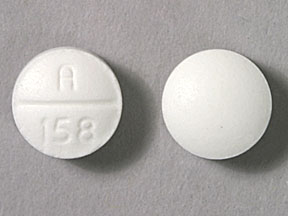
Meperidine (Monograph)
Brand name: Demerol
Drug class: Opioid Agonists
VA class: CN101
CAS number: 50-13-5
Warning
Risk Evaluation and Mitigation Strategy (REMS):
FDA approved a REMS for meperidine to ensure that the benefits outweigh the risk. The REMS may apply to one or more preparations of meperidine and consists of the following: medication guide and elements to assure safe use. See https://www.accessdata.fda.gov/scripts/cder/rems/.
-
FDA drug safety communication (4/13/2023): As part of its ongoing efforts to address the nation’s opioid crisis, FDA is requiring several updates to the prescribing information of opioid pain medicines. The changes are being made to provide additional guidance for safe use of these drugs while also recognizing the important benefits when used appropriately. The changes apply to both immediate-release (IR) and extended-release/long-acting preparations (ER/LA).
-
Updates to the IR opioids state that these drugs should not be used for an extended period unless the pain remains severe enough to require an opioid pain medicine and alternative treatment options are insufficient, and that many acute pain conditions treated in the outpatient setting require no more than a few days of an opioid pain medicine.
-
Updates to the ER/LA opioids recommend that these drugs be reserved for severe and persistent pain requiring an extended period of treatment with a daily opioid pain medicine and for which alternative treatment options are inadequate.
-
A new warning is being added about opioid-induced hyperalgesia (OIH) for both IR and ER/LA opioid pain medicines. This includes information describing the symptoms that differentiate OIH from opioid tolerance and withdrawal.
-
Information in the boxed warning for all IR and ER/LA opioid pain medicines will be updated and reordered to elevate the importance of warnings concerning life-threatening respiratory depression, and risks associated with using opioid pain medicines in conjunction with benzodiazepines or other medicines that depress the central nervous system (CNS).
-
Other changes will also be required in various other sections of the prescribing information to educate clinicians, patients, and caregivers about the risks of these drugs.
Warning
- Concomitant Use with Benzodiazepines or Other CNS Depressants
-
Concomitant use of opiate agonists with benzodiazepines or other CNS depressants, including alcohol, may result in profound sedation, respiratory depression, coma, and death.
-
Reserve concomitant use of opiate analgesics and benzodiazepines or other CNS depressants for patients in whom alternative treatment options are inadequate; use lowest effective dosages and shortest possible duration of concomitant therapy and monitor closely for respiratory depression and sedation. (See Specific Drugs under Interactions.)
Introduction
Opiate agonist; a synthetic phenylpiperidine derivative.
Uses for Meperidine
Acute Pain
A strong analgesic used in the relief of moderate to severe pain.
Usually, temporary relief of moderate to severe pain such as that associated with acute and some chronic medical disorders including renal or biliary colic, acute trauma, postoperative pain, and cancer.
Used to provide analgesia during diagnostic and orthopedic procedures and during labor.
For preoperative sedation and as a supplement to anesthesia.
Use as first-line opiate therapy is discouraged because of central excitatory toxicity of metabolite (normeperidine).
Because of extensive first-pass metabolism in the liver to normeperidine, the risk of excitatory toxicity is increased with oral administration of meperidine; therefore, oral therapy is discouraged.
Has been used to relieve the pain of MI, although probably not as effective as morphine sulfate.
In symptomatic treatment of acute pain, reserve opiate analgesics for pain resulting from severe injuries, severe medical conditions, or surgical procedures, or when nonopiate alternatives for relieving pain and restoring function are expected to be ineffective or are contraindicated. Use smallest effective dosage for shortest possible duration since long-term opiate use often begins with treatment of acute pain. Optimize concomitant use of other appropriate therapies. (See Managing Opiate Therapy for Acute Pain under Dosage and Administration.)
Chronic Pain
Use for chronic pain is discouraged because of short duration of effect and risk of accumulation of normeperidine metabolite and resultant central excitatory toxicity with repeated or large doses.
Surgery
Used parenterally for preoperative sedation and as a supplement to anesthesia.
Pulmonary Edema
Used in patients with acute pulmonary edema† [off-label] for its cardiovascular effects and to allay anxiety.
Do not use in the treatment of pulmonary edema resulting from a chemical respiratory irritant.
Meperidine Dosage and Administration
General
-
Generally limit to short-term use (a few days) because of risk of accumulation of toxic normeperidine metabolite with repeated or large doses.
Managing Opiate Therapy for Acute Pain
-
Optimize concomitant use of other appropriate therapies.
-
When opiate analgesia required, use conventional (immediate-release) opiates in smallest effective dosage and for shortest possible duration, since long-term opiate use often begins with treatment of acute pain.
-
When sufficient for pain management, use lower-potency opiate analgesics given in conjunction with acetaminophen or an NSAIA on as-needed (“prn”) basis.
-
For acute pain not related to trauma or surgery, limit prescribed quantity to amount needed for expected duration of pain severe enough to require opiate analgesia (generally ≤3 days and rarely >7 days). Do not prescribe larger quantities for use in case pain continues longer than expected; instead, reevaluate patient if severe acute pain does not remit.
-
For moderate to severe postoperative pain, provide opiate analgesic as part of a multimodal regimen that also includes acetaminophen and/or NSAIAs and other pharmacologic (e.g., certain anticonvulsants, regional local anesthetic techniques) and nonpharmacologic therapy as appropriate.
-
Oral administration of conventional opiate analgesics generally preferred over IV administration in postoperative patients who can tolerate oral therapy.
-
Scheduled (around-the-clock) dosing frequently is required during immediate postoperative period or following major surgery. When repeated parenteral administration is required, IV patient-controlled analgesia (PCA) generally is recommended.
-
Consider prescribing naloxone concomitantly for patients who are at increased risk of opiate overdosage or who have household members, including children, or other close contacts who are at risk for accidental ingestion or overdosage. (See Respiratory Depression under Cautions.)
Administration
Administer orally; by sub-Q, IM, or slow IV injection; or by slow, continuous IV infusion.
Oral Administration
Least effective when given orally. Higher dosages may be necessary for pain relief, but the risk of toxicity from metabolite normeperidine is increased.
Oral therapy is discouraged because of extensive first-pass metabolism in the liver and resultant increased formation of the toxic metabolite (normeperidine).
Dilution
Dilute each dose of oral solution in ½ glassful of water, since undiluted solution may produce slight topical anesthesia on mucous membranes.
IV Administration
For solution and drug compatibility information, see Compatibility under Stability.
Administer by direct IV injection, IV infusion, or IV via a controlled-delivery device for patient-controlled analgesia (PCA).
If IV administration is required, decrease dosage and administer injections very slowly, preferably as a 10-mg/mL injection.
Alternatively, may use the commercially available injection containing 10 mg/mL intended for use with a compatible infusion device (does not require further dilution); this 10-mg/mL injection is for single use only, and unused portions should be discarded appropriately.
When given parenterally, especially by the IV route, the patient should be lying down.
During and immediately following IV administration, an opiate antagonist and facilities for administration of oxygen and control of respiration should be available.
Dilution
May dilute in a compatible IV solution for infusion, usually to a concentration of 1 mg/mL. (See Solution Compatibility under Compatibility.)
Rate of Administration
Direct IV injection: Usually, very slowly, preferably as a 10-mg/mL injection.
IV injection for PCA: Self-administered intermittently as needed (“prn”) via controlled-delivery device, with usual lockout intervals (minimum time between self-administered doses programmed into device) of 6–12 minutes.
IV infusion, adults: Usually, 15–35 mg/hour.
IM Administration
Inject into a large muscle mass, taking care to avoid nerve trunks. (See IM Injection under Cautions.)
IM administration of opiate analgesics is discouraged; IM injections can cause pain and are associated with unreliable absorption, resulting in inconsistent analgesia.
When repeat parenteral doses are necessary and IV therapy is not used, IM is preferred over sub-Q administration because of occurrence of local tissue irritation and induration following sub-Q injection.
Epidural Administration
Preservative-free injections have been injected or infused epidurally† [off-label]; specialized techniques are required for administration of the drug by this route, and such administration should be performed only by qualified individuals familiar with the techniques of administration, dosages, and special patient management problems associated with epidural meperidine hydrochloride administration.
Dosage
Orally, 300 mg is approximately equianalgesic with 30 mg morphine sulfate. Parenterally, 75–100 mg is approximately equianalgesic with 10 mg morphine sulfate. (For specific patient dosages, see dosage recommendations in Dosage and also see Prescribing Limits under Dosage and Administration.)
Use lowest effective dosage and shortest duration of therapy consistent with treatment goals of the patient.
Reduced dosage is indicated initially in poor-risk patients, geriatric and very young patients, and patients with renal (particularly) or hepatic impairment.
When used concomitantly with other CNS depressants, use lowest effective dosages and shortest possible duration of concomitant therapy. (See Specific Drugs under Interactions.) Reduce meperidine dose by 25–50% when used in conjunction with phenothiazines or other tranquilizers.
Pediatric Patients
Some experts discourage use in children.
Usual Dosage
Oral, IM, or Sub-Q
May receive 1.1–1.8 mg/kg (up to adult dose) orally, IM, or sub-Q every 3–4 hours as needed.
Alternatively, 175 mg/m2 daily in 6 divided doses orally, IM, or sub-Q.
Single pediatric doses should not exceed 100 mg.
IV
Do not use for PCA when analgesic consumption is expected to be high; risk of CNS excitatory toxicity from normeperidine.
PCA (usually IV) via controlled-delivery device: Loading doses of 0.5–1.5 mg/kg, preferably titrated by clinician or nurse at bedside.
PCA (usually IV) via controlled-delivery device: Maintenance doses (administered intermittently) of 0.1–0.2 mg/kg, self-administered usually no more frequently than every 6–12 minutes as a device-programmed lockout period.
Preoperative Dosage
IM or Sub-Q
May receive 1–2.2 mg/kg (maximum up to the adult dose) IM or sub-Q 30–90 minutes before the beginning of anesthesia.
Adjunct to Anesthesia
IV Injection or IV InfusionMay be given by repeated slow IV injections of a dilute solution (e.g., containing 10 mg/mL) or by continuous IV infusion of a more dilute solution (e.g., containing 1 mg/mL).
Adults
Usual Dosage
Oral, IM, or Sub-Q
Usually, 50–150 mg every 3–4 hours as needed.
IV infusion
Usually, 15–35 mg/hour.
IV
Do not use for PCA when analgesic consumption is expected to be high; risk of CNS excitatory toxicity from normeperidine.
PCA (usually IV) via controlled-delivery device: Loading doses of 12.5–25 mg every 10 minutes, preferably titrated by clinician or nurse at bedside, up to 50–125 mg total.
PCA (usually IV) via controlled-delivery device: Maintenance doses (self-administered intermittently) of 5–10 mg, self-administered usually no more frequently than every 6–12 minutes as a device-programmed lockout period.
Preoperative Dosage
IM or Sub-Q
Usually, 50–100 mg IM or sub-Q 30–90 minutes before the beginning of anesthesia.
Adjunct to Anesthesia
IV Injection or IV InfusionMay be given by repeated slow IV injections of a dilute solution (e.g., containing 10 mg/mL) or by continuous IV infusion of a more dilute solution (e.g., containing 1 mg/mL).
Analgesia during Labor
IM or Sub-Q
50–100 mg when labor pains become regular; repeat at 1- to 3-hour intervals as needed.
Prescribing Limits
Pediatric Patients
Oral, IM, or Sub-Q
Single pediatric doses should not exceed 100 mg.
Adults
Oral, IV, IM, or Sub-Q
Increased risk of toxicity from the active metabolite, normeperidine, when given for >48 hours or in total dosages exceeding 600 mg/24 hours. (See Elimination under Pharmacokinetics.)
Special Populations
Hepatic Impairment
Adjustment in the dose, frequency, and/or duration of therapy may be necessary because accumulation of the drug and/or its toxic metabolite, normeperidine, can occur.
Certain adverse effects secondary to CNS stimulation (e.g., seizures, agitation, irritability, nervousness, tremors, twitches, myoclonus) have been attributed to accumulation of normeperidine.
Oral bioavailability may be increased substantially in these patients. (See Pharmacokinetics.)
Renal Impairment
Generally avoid in renal impairment, particularly repeated or high doses.
If used, adjustment in the dose, frequency, and/or duration of meperidine therapy is likely to be necessary because accumulation of the drug and/or its toxic metabolite, normeperidine, can occur.
Certain adverse effects secondary to CNS stimulation (e.g., seizures, agitation, irritability, nervousness, tremors, twitches, myoclonus) have been attributed to accumulation of normeperidine.
End-stage Renal Failure
Avoid because of the risk of accumulation of the toxic metabolite, normeperidine.
Cautions for Meperidine
Contraindications
-
Current or recent (within 14 days) use of MAO inhibitor.
-
Known hypersensitivity to meperidine or any ingredient in the respective formulation.
Warnings/Precautions
Warnings
Shares the toxic potentials of the opiate agonists; observe the usual precautions of opiate agonist therapy.
Respiratory Depression
Causes dose-related respiratory depression.
Respiratory depression is most common in geriatric or debilitated patients, or in conditions accompanied by hypoxia or hypercapnia; even moderate therapeutic opiate dosages may dangerously decrease pulmonary ventilation.
Use with extreme caution, if at all, in anoxia, hypercapnia, respiratory depression, or in those who are especially prone to respiratory depression such as comatose patients or those with head injury, brain tumor, or elevated CSF pressure.
Also use with extreme caution, if at all, in cor pulmonale, acute asthma exacerbation, or COPD and in others with substantially decreased respiratory reserve as in emphysema, hypoxia, hypercapnia, kyphoscoliosis, or severe obesity.
Routinely discuss the availability of the opiate antagonist naloxone with all patients receiving new or reauthorized prescriptions for opiate analgesics, including meperidine.
Consider prescribing naloxone for patients receiving opiate analgesics who are at increased risk of opiate overdosage (e.g., those receiving concomitant therapy with benzodiazepines or other CNS depressants, those with history of opiate or substance use disorder, those with medical conditions that could increase sensitivity to opiate effects, those who have experienced a prior opiate overdose) or who have household members, including children, or other close contacts who are at risk for accidental ingestion or overdosage. Even if patients are not receiving an opiate analgesic, consider prescribing naloxone if the patient is at increased risk of opiate overdosage (e.g., those with current or past diagnosis of opiate use disorder [OUD], those who have experienced a prior opiate overdose).
Concomitant Use with Benzodiazepines or Other CNS Depressants
Concomitant use of opiates, including meperidine, and benzodiazepines or other CNS depressants (e.g., anxiolytics, sedatives, hypnotics, tranquilizers, muscle relaxants, general anesthetics, antipsychotics, other opiate agonists, alcohol) may result in profound sedation, respiratory depression, coma, and death. Substantial proportion of fatal opiate overdoses involve concurrent benzodiazepine use.
Reserve concomitant use of meperidine and other CNS depressants for patients in whom alternative treatment options are inadequate. (See Specific Drugs under Interactions.)
Serotonin Syndrome
Serotonin syndrome may occur in patients receiving meperidine in conjunction with other serotonergic drugs or drugs that impair serotonin metabolism (e.g., MAO inhibitors). (See Interactions.)
Serotonin syndrome may occur at usual dosages. Manifestations may include mental status changes (e.g., agitation, hallucinations, coma), autonomic instability (e.g., tachycardia, labile BP, hyperthermia), neuromuscular aberrations (e.g., hyperreflexia, incoordination, rigidity), and/or GI symptoms (e.g., nausea, vomiting, diarrhea).
Concomitant use with an MAO inhibitor has resulted in excitatory effects (e.g., agitation, bizarre behavior, headache, hypertension, hypotension, rigidity, seizures, hyperpyrexia, coma) associated with serotonin syndrome.
Adrenal Insufficiency
Adrenal insufficiency reported in patients receiving opiate agonists or opiate partial agonists. Manifestations are nonspecific and may include nausea, vomiting, anorexia, fatigue, weakness, dizziness, and hypotension.
If adrenal insufficiency is suspected, perform appropriate laboratory testing promptly and provide physiologic (replacement) dosages of corticosteroids; taper and discontinue the opiate agonist or partial agonist to allow recovery of adrenal function. If the opiate agonist or partial agonist can be discontinued, perform follow-up assessment of adrenal function to determine if corticosteroid replacement therapy can be discontinued. In some patients, switching to a different opiate improved symptoms.
Head Injury and Increased Intracranial Pressure
Respiratory depression effects and ability of opiates to increase CSF pressure may be markedly exaggerated in patients with head injury, other intracranial lesions, or preexisting elevation in intracranial pressure; opiate effects may produce cerebral hypoxia and obscure clinical course of patients with head injuries. Use with extreme caution, if at all.
May interfere with evaluation of CNS function, and respiratory depression produced by the drug may produce cerebral hypoxia and elevated CSF pressure not caused by the injury itself.
Ambulatory Patients
Performance of activities requiring mental alertness and physical coordination may be impaired (e.g., operating a motor vehicle or machinery).
Hypotension
May cause severe hypotension postoperatively or when ability to maintain blood pressure is compromised (e.g., depleted blood volume, concurrent phenothiazine or general anesthetic use).
May produce orthostatic hypotension in ambulatory patients.
IM Injection
Inadvertent IM injection into or near nerve trunks can result in sensory-motor paralysis, which may or may not be transient.
Dependence
Physical and psychic dependence and tolerance may develop with repeated administration, and abuse potential exists; use with caution.
Sensitivity Reactions
Sulfite Sensitivity
Some commercially available formulations contain sodium metabisulfite, a sulfite that may cause allergic-type reactions, including anaphylaxis and life-threatening or less severe asthmatic episodes, in certain susceptible individuals.
Overall prevalence of sulfite sensitivity in the general population is unknown but probably low; such sensitivity appears to occur more frequently in asthmatic than in nonasthmatic individuals.
General Precautions
Toxic Psychosis and Special Populations
Care should be exercised and the initial dosage of the opiate agonist should be reduced in patients with toxic psychosis and in geriatric or debilitated patients.
Cardiac Arrhythmias
May increase ventricular response rate through a vagolytic action, therefore use with caution in patients with atrial flutter and other supraventricular tachycardias.
Acute Abdominal Conditions
May obscure diagnosis or clinical course of patients with acute abdominal conditions.
Seizure Risk
May aggravate preexisting seizure disorders.
Accumulation of toxic normeperidine metabolite can stimulate the CNS and precipitate seizures in patients without a preexisting seizure disorder.
Normeperidine Accumulation
Use with caution in patients at risk for accumulation of normeperidine (e.g., those with renal or hepatic impairment) and during prolonged therapy and/or with high dosages in other patients (e.g., those with sickle cell anemia or CNS disease, burn patients, cancer patients) at risk for neurotoxic effects of the metabolite.
Observe these patients closely for potential manifestations of CNS stimulation (e.g., seizures, agitation, irritability, nervousness, tremors, twitches, myoclonus) associated with accumulation of the metabolite.
Hypogonadism
Hypogonadism or androgen deficiency reported in patients receiving long-term opiate agonist or opiate partial agonist therapy; causality not established. Manifestations may include decreased libido, impotence, erectile dysfunction, amenorrhea, or infertility. Perform appropriate laboratory testing in patients with manifestations of hypogonadism.
Specific Populations
Pregnancy
Category C.
Lactation
Distributed into milk. Discontinue nursing or the drug.
Pediatric Use
Should not be given to infants <6 months of age; neonatal elimination is greatly reduced.
Some experts discourage use in children of any age.
Geriatric Use
Elimination is slower in geriatric patients than in younger patients.
Geriatric patients, especially those with decreased renal and hepatic function, may be at greater risk for adverse CNS effects secondary to accumulation of the toxic metabolite normeperidine.
Use with caution in geriatric patients, taking into account the potential risks and benefits to the patient, and dosage adjustment should be considered.
Hepatic Impairment
Adjustment in the dose, frequency, and/or duration of therapy may be necessary because accumulation of the drug and/or its toxic metabolite, normeperidine, can occur. (See Hepatic Impairment under Dosage and Administration.)
Renal Impairment
Generally avoid in renal impairment, particularly repeated or high doses. (See Renal Impairment under Dosage and Administration.)
Common Adverse Effects
Adverse CNS effects include dizziness, visual disturbances, mental clouding or depression, sedation, coma, euphoria, dysphoria, weakness, faintness, agitation, restlessness, nervousness, seizures, and, rarely, delirium and insomnia.
Adverse GI effects of opiate agonists include nausea, vomiting, and constipation.
Opiate agonists may interfere with evaluation of CNS function, especially relative to consciousness levels, pupillary changes, and respiratory depression, thereby masking the patient’s clinical course.
May increase the risk of water intoxication in postoperative patients because of stimulation of the release of vasopressin.
Drug Interactions
Drugs Associated with Serotonin Syndrome
Risk of serotonin syndrome when used with other serotonergic drugs. May occur at usual dosages. Symptom onset generally occurs within several hours to a few days of concomitant use, but may occur later, particularly after dosage increases. (See Advice to Patients.)
Do not use meperidine concomitantly with other serotonergic drugs.
If serotonin syndrome is suspected, discontinue meperidine, other opiate therapy, and/or any concurrently administered serotonergic agents.
Specific Drugs
|
Drug |
Interaction |
Comments |
|---|---|---|
|
Amphetamines |
Dextroamphetamine may enhance opiate agonist analgesia |
|
|
Anticoagulants |
Opiate agonists have been reported to potentiate the anticoagulant activity of coumarin anticoagulants |
|
|
Antidepressants, SSRIs (e.g., citalopram, escitalopram, fluoxetine, fluvoxamine, paroxetine, sertraline), SNRIs (e.g., desvenlafaxine, duloxetine, milnacipran, venlafaxine), tricyclic antidepressants (TCAs), mirtazapine, nefazodone, trazodone, vilazodone |
Risk of serotonin syndrome TCAs: Opiates may potentiate the effects of TCAs |
Do not use concomitantly with meperidine If serotonin syndrome suspected, discontinue meperidine, the antidepressant, and/or any concurrently administered opiates or serotonergic agents |
|
Antiemetics, 5-HT3 receptor antagonists (e.g., dolasetron, granisetron, ondansetron, palonosetron) |
Risk of serotonin syndrome |
Do not use concomitantly with meperidine If serotonin syndrome suspected, discontinue meperidine, the 5-HT3 receptor antagonist, and/or any concurrently administered opiates or serotonergic agents |
|
Antipsychotics (e.g., aripiprazole, asenapine, cariprazine, chlorpromazine, clozapine, fluphenazine, haloperidol, iloperidone, loxapine, lurasidone, molindone, olanzapine, paliperidone, perphenazine, pimavanserin, quetiapine, risperidone, thioridazine, thiothixene, trifluoperazine, ziprasidone) |
Risk of profound sedation, respiratory depression, hypotension, coma, or death |
Use concomitantly only if alternative treatment options are inadequate; use lowest effective dosages and shortest possible duration of concomitant therapy In patients receiving meperidine, initiate antipsychotic, if required, at lower dosage than indicated in the absence of opiate therapy and titrate based on clinical response In patients receiving an antipsychotic, initiate meperidine, if required, at reduced dosage and titrate based on clinical response Monitor closely for respiratory depression and sedation |
|
Benzodiazepines (e.g., alprazolam, chlordiazepoxide, clobazam, clonazepam, clorazepate, diazepam, estazolam, flurazepam, lorazepam, midazolam, oxazepam, quazepam, temazepam, triazolam) |
Risk of profound sedation, respiratory depression, hypotension, coma, or death |
Whenever possible, avoid concomitant use Use concomitantly only if alternative treatment options are inadequate; use lowest effective dosages and shortest possible duration of concomitant therapy In patients receiving meperidine, initiate benzodiazepine, if required for any indication other than epilepsy, at lower dosage than indicated in the absence of opiate therapy and titrate based on clinical response In patients receiving a benzodiazepine, initiate meperidine, if required, at reduced dosage and titrate based on clinical response Monitor closely for respiratory depression and sedation Consider prescribing naloxone for patients receiving opiates and benzodiazepines concomitantly |
|
Buspirone |
Risk of serotonin syndrome |
Do not use concomitantly with meperidine If serotonin syndrome suspected, discontinue meperidine, buspirone, and/or any concurrently administered opiates or serotonergic agents |
|
CNS depressants (e.g., other opiates, anxiolytics, general anesthetics, phenothiazines, tranquilizers, alcohol) |
May potentiate the effects of other CNS depressants; increased risk of profound sedation, respiratory depression, hypotension, coma, or death |
Use concomitantly only if alternative treatment options are inadequate; use lowest effective dosages and shortest possible duration of concomitant therapy; avoid alcohol use In patients receiving meperidine, initiate CNS depressant, if required for any indication other than epilepsy, at lower dosage than indicated in the absence of opiate therapy and titrate based on clinical response In patients receiving a CNS depressant, initiate meperidine, if required, at reduced dosage and titrate based on clinical response Monitor closely for respiratory depression and sedation Consider prescribing naloxone for patients receiving opiates and other CNS depressants concomitantly Phenothiazines or tranquilizers: Reduce meperidine dose by 25–50% |
|
Dextromethorphan |
Risk of serotonin syndrome |
Do not use concomitantly with meperidine If serotonin syndrome suspected, discontinue meperidine, dextromethorphan, and/or any concurrently administered opiates or serotonergic agents |
|
Diuretics |
Opiate agonists may decrease the effects of diuretics in patients with congestive heart failure |
|
|
Estrogens or estrogen-progestin combinations (oral contraceptives) |
Oral contraceptives or estrogens may inhibit meperidine metabolism; clinical importance of this inhibition on analgesic effectiveness of meperidine has not been determined |
|
|
5-HT1 receptor agonists (triptans; e.g., almotriptan, frovatriptan, naratriptan, rizatriptan, sumatriptan, zolmitriptan) |
Risk of serotonin syndrome |
Do not use concomitantly with meperidine If serotonin syndrome suspected, discontinue meperidine, the triptan, and/or any concurrently administered opiates or serotonergic agents |
|
Isoniazid |
Concomitant use may aggravate the adverse effects of isoniazid |
|
|
Lithium |
Risk of serotonin syndrome |
Do not use concomitantly with meperidine If serotonin syndrome suspected, discontinue meperidine, lithium, and/or any concurrently administered opiates or serotonergic agents |
|
MAO inhibitors (e.g., isocarboxazid, linezolid, methylene blue, phenelzine, selegiline, tranylcypromine) |
Risk of serotonin syndrome Therapeutic doses of meperidine concomitantly with an MAO inhibitor have produced coma, severe respiratory depression, cyanosis, and hypotension resembling typical syndrome of acute opiate overdosage; may be associated with preexisting hyperphenylalaninemia Hyperexcitability, seizures, tachycardia, pyrexia, and hypertension also reported |
Meperidine contraindicated in patients currently receiving or having recently (within past 14 days) received an MAO inhibitor |
|
Neuromuscular blocking agents |
Opiates may enhance neuromuscular blocking action |
|
|
Sedative/hypnotic agents (e.g., butabarbital, eszopiclone, pentobarbital, ramelteon, secobarbital, suvorexant, zaleplon, zolpidem) |
Risk of profound sedation, respiratory depression, hypotension, coma, or death |
Use concomitantly only if alternative treatment options are inadequate; use lowest effective dosages and shortest possible duration of concomitant therapy In patients receiving meperidine, initiate sedative/hypnotic, if required, at lower dosage than indicated in the absence of opiate therapy and titrate based on clinical response In patients receiving a sedative/hypnotic, initiate meperidine, if required, at reduced dosage and titrate based on clinical response Monitor closely for respiratory depression and sedation |
|
Skeletal muscle relaxants (e.g., baclofen, carisoprodol, chlorzoxazone, cyclobenzaprine, dantrolene, metaxalone, methocarbamol, orphenadrine, tizanidine) |
Risk of profound sedation, respiratory depression, hypotension, coma, or death Cyclobenzaprine: Risk of serotonin syndrome |
Use concomitantly only if alternative treatment options are inadequate; use lowest effective dosages and shortest possible duration of concomitant therapy In patients receiving meperidine, initiate skeletal muscle relaxant, if required, at lower dosage than indicated in the absence of opiate therapy and titrate based on clinical response In patients receiving a skeletal muscle relaxant, initiate meperidine, if required, at reduced dosage and titrate based on clinical response Monitor closely for respiratory depression and sedation Cyclobenzaprine: Do not use concomitantly with meperidine If serotonin syndrome suspected, discontinue meperidine, cyclobenzaprine, and/or any concurrently administered opiates or serotonergic agents |
|
St. John’s wort (Hypericum perforatum) |
Risk of serotonin syndrome |
Do not use concomitantly with meperidine If serotonin syndrome suspected, discontinue meperidine, St. John’s wort, and/or any concurrently administered opiates or serotonergic agents |
|
Tryptophan |
Risk of serotonin syndrome |
Do not use concomitantly with meperidine If serotonin syndrome suspected, discontinue meperidine, tryptophan, and/or any concurrently administered opiates or serotonergic agents |
Meperidine Pharmacokinetics
Absorption
Bioavailability
Oral: Undergoes extensive first-pass metabolism in the liver, with approximately 50–60% of a dose reaching systemic circulation unchanged.
Oral: Bioavailability increases to approximately 80–90% in patients with hepatic impairment.
Less than half as effective when given orally as when given parenterally.
IM: Approximately 80–85% of a dose of the drug is absorbed within 6 hours after intragluteal injection.
Onset
Oral, peak analgesia: Within 1 hour and declines gradually over 2–4 hours.
Sub-Q, peak analgesia: In about 40–60.
IM, peak analgesia: In about 30–50 minutes.
Duration
Sub-Q or IM: Analgesia is maintained for 2–4 hours.
Plasma Concentrations
Oral, peak: About 1 hour.
IM, peak: Within 5–15 minutes..
Distribution
Extent
Crosses the placenta; may accumulate in fetus.
Distributes into breast milk.
Plasma Protein Binding
Approximately 60–80%; principally albumin and α1-acid glycoprotein.
Elimination
Metabolism
Principally in the liver.
Normeperidine is the active metabolite and exhibits about half the analgesic potency of meperidine but twice the CNS stimulant (e.g., seizure-inducing) potency.
Various toxic effects secondary to CNS stimulation (e.g., seizures, agitation, irritability, nervousness, tremors, twitches, myoclonus) have been attributed to accumulation of normeperidine.
Elimination Route
Excreted in urine as metabolites and unchanged drug.
Acidifying the urine enhances excretion of the unchanged drug and normeperidine.
Half-life
Distribution phase half-life, meperidine: 2–11 minutes
Terminal elimination half-life, meperidine: 3–5 hours.
Terminal elimination half-life, normeperidine: Approximately 8–21 hours.
Special Populations
Elimination half-life in hepatic dysfunction, meperidine: Prolonged.
Cirrhosis or active viral hepatitis: Averages about 7–11 hours.
Terminal elimination half-life in renal impairment, normeperidine: May be prolonged (e.g., 30–40 hours).
Renal or hepatic impairment: Accumulation of normeperidine may occur with repeated, high doses of the drug.
Stability
Storage
Protect from light and store at a temperature <40°C.
Oral
Tablets
Well-closed containers at 25°C (may be exposed to 15–30°C).
Oral Solution
Tight containers at 25°C (may be exposed to 15–30°C).
Avoid freezing.
Parenteral
Injection
15–25°C.
Avoid freezing.
Compatibility
Parenteral
Solution CompatibilityHID
|
Compatible |
|---|
|
Dextrose–Ringer’s injection combinations |
|
Dextrose–Ringer’s injection, lactated, combinations |
|
Dextrose–saline combinations |
|
Dextrose 2.5, 5, or 10% in water |
|
Ionosol products |
|
Ringer’s injection |
|
Ringer’s injection, lactated |
|
Sodium chloride 0.18, 0.45, or 0.9% |
|
Sodium lactate (1/6) M |
Drug Compatibility
|
Compatible |
|---|
|
Cefazolin sodium |
|
Clonidine HCl |
|
Dobutamine HCl |
|
Metoclopramide HCl |
|
Ondansetron HCl |
|
Scopolamine HBr |
|
Sodium bicarbonate |
|
Succinylcholine chloride |
|
Verapamil HCl |
|
Incompatible |
|
Furosemide |
|
Compatible |
|---|
|
Amifostine |
|
Amikacin sulfate |
|
Ampicillin sodium |
|
Ampicillin sodium–sulbactam sodium |
|
Anidulafungin |
|
Aztreonam |
|
Bivalirudin |
|
Bumetanide |
|
Caspofungin acetate |
|
Cefazolin sodium |
|
Cefotaxime sodium |
|
Cefotetan disodium |
|
Cefoxitin sodium |
|
Ceftaroline fosamil |
|
Ceftazidime |
|
Ceftriaxone sodium |
|
Cefuroxime sodium |
|
Chloramphenicol sodium succinate |
|
Cisatracurium besylate |
|
Cladribine |
|
Clindamycin phosphate |
|
Co-trimoxazole |
|
Dexamethasone sodium phosphate |
|
Dexmedetomidine HCl |
|
Digoxin |
|
Diltiazem HCl |
|
Diphenhydramine HCl |
|
Dobutamine HCl |
|
Docetaxel |
|
Dopamine HCl |
|
Doripenem |
|
Doxycycline hyclate |
|
Droperidol |
|
Erythromycin lactobionate |
|
Etoposide phosphate |
|
Famotidine |
|
Fenoldopam mesylate |
|
Filgrastim |
|
Fluconazole |
|
Fludarabine phosphate |
|
Gallium nitrate |
|
Gemcitabine HCl |
|
Gentamicin sulfate |
|
Granisetron HCl |
|
Heparin sodium |
|
Hetastarch in lactated electrolyte injection (Hextend) |
|
Hydrocortisone sodium succinate |
|
Hydroxyethyl starch 130/0.4 in sodium chloride 0.9% |
|
Insulin, regular |
|
Labetalol HCl |
|
Lidocaine HCl |
|
Linezolid |
|
Magnesium sulfate |
|
Melphalan HCl |
|
Methyldopate HCl |
|
Methylprednisolone sodium succinate |
|
Metoclopramide HCl |
|
Metoprolol tartrate |
|
Metronidazole |
|
Ondansetron HCl |
|
Oxacillin sodium |
|
Oxaliplatin |
|
Oxytocin |
|
Paclitaxel |
|
Palonosetron HCl |
|
Pemetrexed disodium |
|
Penicillin G potassium |
|
Piperacillin sodium–tazobactam sodium |
|
Potassium chloride |
|
Propofol |
|
Propranolol HCl |
|
Ranitidine HCl |
|
Remifentanil HCl |
|
Sargramostim |
|
Teniposide |
|
Thiotepa |
|
Ticarcillin disodium–clavulanate potassium |
|
Tobramycin sulfate |
|
Vancomycin HCl |
|
Verapamil HCl |
|
Vinorelbine tartrate |
|
Incompatible |
|
Allopurinol sodium |
|
Amphotericin B cholesteryl sulfate complex |
|
Doxorubicin HCl liposome injection |
|
Idarubicin HCl |
|
Imipenem–cilastatin sodium |
|
Micafungin sodium |
|
Variable |
|
Acyclovir sodium |
|
Furosemide |
|
Nafcillin sodium |
Actions
-
Opiate agonists alter perception of and emotional response to pain.
-
Precise mechanism of action has not been fully elucidated; opiate agonists act at several CNS sites, involving several neurotransmitter systems to produce analgesia.
-
Pain perception is altered in the spinal cord and higher CNS levels (e.g., substantia gelatinosa, spinal trigeminal nucleus, periaqueductal gray, periventricular gray, medullary raphe nuclei, hypothalamus).
-
Opiate agonists do not alter the threshold or responsiveness of afferent nerve endings to noxious stimuli, nor peripheral nerve impulse conduction.
-
Opiate agonists act at specific receptor binding sites in the CNS and other tissues; opiate receptors are concentrated in the limbic system, thalamus, striatum, hypothalamus, midbrain, and spinal cord.
-
Agonist activity at the opiate μ- or κ-receptor can result in analgesia, miosis, and/or decreased body temperature.
-
Agonist activity at the μ-receptor can also result in suppression of opiate withdrawal (and antagonist activity can result in precipitation of withdrawal).
-
Respiratory depression may be mediated by μ-receptors, possibly μ2-receptors (which may be distinct from μ1-receptors involved in analgesia); κ- and δ-receptors may also be involved in respiratory depression.
-
Equianalgesic doses of meperidine hydrochloride and morphine sulfate produce the same degree of respiratory depression.
-
Sedative and euphoric effects of equianalgesic doses of meperidine may be greater than those of morphine but reports are conflicting.
-
Causes little or no constipation and has antitussive activity only in analgesic doses.
-
Exhibits some anticholinergic properties.
-
Systemic administration: May cause corneal anesthesia which can abolish the corneal reflex.
-
Topical application: Produces considerable local anesthesia, but meperidine is not utilized for local anesthesia because it also produces local irritation.
-
Overdosage may produce mydriasis rather than miosis.
-
Toxic effects may be excitatory.
Advice to Patients
-
Potential for drug to impair mental alertness or physical coordination; avoid driving or operating machinery until effects on individual are known.
-
Risk of respiratory depression following overdosage. Advise patients of the benefits of naloxone following opiate overdose and of their options for obtaining the drug.
-
Risk of potentially fatal additive effects (e.g., profound sedation, respiratory depression, coma) if used concomitantly with benzodiazepines or other CNS depressants, including alcohol and other opiates, either therapeutically or illicitly; avoid concomitant use unless such use is supervised by clinician. Importance of informing patients that meperidine should not be combined with alcohol.
-
Advise patients of risk of postural hypotension during ambulation.
-
Potential risk of serotonin syndrome with concurrent use of meperidine and other serotonergic agents. Importance of immediately contacting clinician if manifestations of serotonin syndrome (e.g., agitation, hallucinations, tachycardia, labile BP, fever, excessive sweating, shivering, shaking, muscle stiffness, twitching, loss of coordination, nausea, vomiting, diarrhea) develop.
-
Potential risk of adrenal insufficiency. Importance of contacting clinician if manifestations of adrenal insufficiency (e.g., nausea, vomiting, loss of appetite, fatigue, weakness, dizziness, hypotension) develop.
-
Possible risk (although causality not established) of hypogonadism or androgen deficiency with long-term opiate agonist or partial agonist use. Importance of informing clinician if decreased libido, impotence, erectile dysfunction, amenorrhea, or infertility occurs.
-
Importance of informing clinicians of existing or contemplated concomitant therapy, including prescription and OTC drugs as well as any concomitant illnesses.
-
Importance of women informing clinicians if they are or plan to become pregnant or plan to breast-feed.
-
Importance of informing patients of other important precautionary information. (See Cautions.)
Preparations
Excipients in commercially available drug preparations may have clinically important effects in some individuals; consult specific product labeling for details.
Please refer to the ASHP Drug Shortages Resource Center for information on shortages of one or more of these preparations.
Meperidine hydrochloride preparations are subject to control under the Federal Controlled Substances Act of 1970 as schedule II (C-II) drugs.
* available from one or more manufacturer, distributor, and/or repackager by generic (nonproprietary) name
|
Routes |
Dosage Forms |
Strengths |
Brand Names |
Manufacturer |
|---|---|---|---|---|
|
Oral |
Solution |
50 mg/5 mL* |
Demerol Hydrochloride Syrup (C-II) |
Sanofi-Aventis |
|
Meperidine HCl Syrup (C-II) |
||||
|
Tablets |
50 mg* |
Demerol Hydrochloride (C-II) |
Sanofi-Aventis |
|
|
100 mg* |
Demerol Hydrochloride (C-II) |
Sanofi-Aventis |
||
|
Parenteral |
Injection |
25 mg/mL* |
Demerol Hydrochloride (C-II) |
Hospira |
|
Meperidine HCl Injection (C-II) |
||||
|
50 mg/mL* |
Demerol Hydrochloride (C-II) |
Hospira |
||
|
Meperidine HCl Injection (C-II) |
||||
|
75 mg/mL* |
Demerol Hydrochloride (C-II) |
Hospira |
||
|
Meperidine HCl Injection (C-II) |
||||
|
100 mg/mL* |
Demerol Hydrochloride (C-II) |
Hospira |
||
|
Meperidine HCl Injection (C-II) |
||||
|
Injection, for IV infusion via compatible infusion devices only |
10 mg/mL (300 mg)* |
Meperidine HCl Injection (C-II) |
AHFS DI Essentials™. © Copyright 2025, Selected Revisions April 19, 2023. American Society of Health-System Pharmacists, Inc., 4500 East-West Highway, Suite 900, Bethesda, Maryland 20814.
† Off-label: Use is not currently included in the labeling approved by the US Food and Drug Administration.
Reload page with references included
Related/similar drugs
Frequently asked questions
More about meperidine
- Check interactions
- Compare alternatives
- Pricing & coupons
- Reviews (101)
- Drug images
- Side effects
- Dosage information
- During pregnancy
- Drug class: Opioids (narcotic analgesics)
- Breastfeeding
- En español