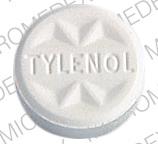
Tylenol
Generic name: acetaminophen (oral) [ a-SEET-a-MIN-oh-fen ]
Drug class: Miscellaneous analgesics
What is Tylenol?
Tylenol is a pain reliever and a fever reducer.
Tylenol is used to reduce fever and relieve minor pain caused by conditions such as colds or flu, headache, muscle aches, arthritis, menstrual cramps and fevers.
Tylenol side effects
Get emergency medical help if you have signs of an allergic reaction to Tylenol: hives; difficulty breathing; swelling of your face, lips, tongue, or throat.
In rare cases, acetaminophen may cause a severe skin reaction that can be fatal, even if you took Tylenol in the past and had no reaction. Stop taking this medicine and call your doctor right away if you have skin redness or a rash that spreads and causes blistering and peeling.
Stop taking this medicine and call your doctor at once if you have signs of liver problems:
-
stomach pain (upper right side);
-
loss of appetite;
-
tiredness, itching;
-
dark urine, clay-colored stools; or
-
jaundice (yellowing of the skin or eyes).
Less serious Tylenol side effects may be more likely, and you may have none at all.
This is not a complete list of side effects and others may occur. Call your doctor for medical advice about side effects. You may report side effects to FDA at 1-800-FDA-1088.
Related/similar drugs
Aspirin
Aspirin is used to treat mild to moderate pain and to reduce fever or inflammation. Learn about ...
Paracetamol
Paracetamol (Panadol, Calpol, Alvedon) is a widely used over-the-counter painkiller and fever ...
Breztri Aerosphere
Breztri (budesonide/glycopyrrolate/formoterol fumarate) is a combination inhaler that may be used ...
Celecoxib
Celecoxib is a nonsteroidal anti-inflammatory drug (NSAID) used to treat pain or inflammation ...
Flexeril
Flexeril (cyclobenzaprine) is a muscle relaxant used to treat skeletal muscle conditions such as ...
Naproxen
Naproxen is a nonsteroidal anti-inflammatory drug used to treat pain or inflammation caused by ...
Botox
Botox is used to treat chronic migraines, excessive sweating, bladder conditions, eye muscle ...
Tramadol
Tramadol is an opioid medication that may be used to treat moderate to moderately severe chronic ...
Amitriptyline
Amitriptyline is a tricyclic antidepressant used to treat depression and, off-label, conditions ...
Hydroxyzine
Hydroxyzine is an antihistamine used to treat itching, hives, and anxiety. It also acts as a ...
Before taking this medicine
You should not take Tylenol if you are allergic to acetaminophen, or if you have severe liver disease.
Do not take this medicine without a doctor's advice if you have ever had alcoholic liver disease (cirrhosis) or if you drink more than 3 alcoholic beverages per day. You may not be able to take Tylenol.
Your doctor will determine whether Tylenol is safe for you to use during pregnancy. Do not use this medicine without the advice of your doctor if you are pregnant.
Acetaminophen can pass into breast milk and may harm a nursing baby. Ask a doctor before using this medicine if you are breastfeeding.
Do not give this medicine to a child younger than 2 years old without the advice of a doctor.
How should I take Tylenol?
Take Tylenol exactly as directed on the label, or as prescribed by your doctor. An acetaminophen overdose can damage your liver or cause death.
-
Adults and teenagers who weigh at least 110 pounds (50 kilograms): Do not take more than 1000 milligrams (mg) at one time. Do not take more than 4000 mg in 24 hours.
-
Children younger than 12 years old: Do not take more than 5 doses of acetaminophen in 24 hours. Use only the number of milligrams per dose that is recommended for the child's weight and age. Use exactly as directed on the label.
-
Avoid also using other medicines that contain acetaminophen, or you could have a fatal overdose.
Do not give extra-strength Tylenol to a child younger than 12 years old without medical advice.
A child's dose is based on age and weight. Carefully follow the dosing instructions provided with this medicine. Ask a doctor before giving this medicine to a child younger than 2 years.
Tylenol made for infants comes with its own medicine dropper or oral syringe. Measuring with the wrong device may cause an overdose. Use only the provided dosing device provided to measure an infant's dose.
Tylenol comes in many different forms such as tablets, caplets, capsules, liquid, chewable tablets, and dissolving powders or granules. Read and carefully follow any Instructions for Use provided with your medicine. Ask your doctor or pharmacist if you need help.
Stop taking this medicine and call your doctor if:
-
you still have a sore throat after 2 days of use;
-
you still have a fever after 3 days of use;
-
you still have pain after 7 days of use (or 5 days if treating a child);
-
you have a skin rash, ongoing headache, nausea, vomiting, redness or swelling; or
-
your symptoms get worse, or if you have any new symptoms.
Taking acetaminophen may cause false results with certain blood glucose monitors. If you have diabetes, ask your doctor about the best way to monitor your blood sugar levels while using Tylenol.
Store at room temperature away from heat and moisture.
What happens if I miss a dose?
Since Tylenol is taken as needed, you may not be on a dosing schedule. If you are taking the medication regularly, take the missed dose as soon as you remember. Skip the missed dose if it is almost time for your next scheduled dose. Do not take extra medicine to make up the missed dose.
What happens if I overdose?
Seek emergency medical attention or call the Poison Help line at 1-800-222-1222. An overdose of acetaminophen can be fatal.
The first signs of an acetaminophen overdose include loss of appetite, nausea, vomiting, stomach pain, sweating, and confusion or weakness. Later symptoms may include pain in your upper stomach, dark urine, and yellowing of your skin or the whites of your eyes.
What should I avoid while taking Tylenol?
Ask a doctor or pharmacist before using any other cold, allergy, pain, or sleep medication. Acetaminophen (sometimes abbreviated as APAP) is contained in many combination medicines. Taking certain products together can cause you to get too much acetaminophen which can lead to a fatal overdose. Check the label to see if a medicine contains acetaminophen or APAP.
Avoid drinking alcohol. It may increase your risk of liver damage while taking Tylenol.
Warnings
You should not use Tylenol if you have severe liver disease.
An overdose of acetaminophen can damage your liver or cause death.
-
Adults and teenagers who weigh at least 110 pounds should not take more than 1000 milligrams (mg) at one time, or more than 4000 mg in 24 hours.
-
Children younger than 12 years old should not take more than 5 doses in 24 hours, using only the number of milligrams per dose that is recommended for the child's weight and age. Use exactly as directed on the label.
Avoid also using other medicines that contain acetaminophen (sometimes abbreviated as APAP), or you could have a fatal overdose.
Call your doctor at once if you have nausea, pain in your upper stomach, itching, loss of appetite, dark urine, clay-colored stools, or jaundice (yellowing of your skin or eyes).
Stop taking Tylenol and call your doctor right away if you have skin redness or a rash that spreads and causes blistering and peeling.
What other drugs will affect Tylenol?
Other drugs may interact with acetaminophen, including prescription and over-the-counter medicines, vitamins, and herbal products. Tell each of your health care providers about all medicines you use now and any medicine you start or stop using.
Popular FAQ
Acetaminophen vs paracetamol: What do you need to know?
Acetaminophen (Tylenol) found in the U.S is the same medicine as paracetamol (Panadol) used throughout many regions of the world, including Europe, Australia, India and New Zealand. Acetaminophen and paracetamol are the generic names of medicines used to treat mild pain, headache and fever. Continue reading
What is paracetamol / Panadol called in the US?
Paracetamol is known as acetaminophen in the U.S. Acetaminophen relieves mild-to-moderate pain, headache and fever. It's available over-the-counter as brand names such as Tylenol, Mapap or Panadol, and also as generics and store-specific brands. There are no differences in the chemical or therapeutics uses of acetaminophen and paracetamol, although recommended doses or available products may differ between countries. Continue reading
Advil (ibuprofen) & Tylenol (acetaminophen) together, safe?
Yes, it is safe to take ibuprofen (Advil) and acetaminophen (Tylenol) together if you need to for extra pain relief, such as for a dental extraction. Taking ibuprofen and acetaminophen together works better to relieve pain than taking ibuprofen and acetaminophen separately. This is because they work in different ways with few side effects. Continue reading
Tylenol vs Advil: What's the difference?
Tylenol (acetaminophen) is only effective at relieving pain and fever, but Advil (ibuprofen) relieves inflammation in addition to pain and fever. Other differences... Continue reading
How much Tylenol can you take in a day?
Tylenol (acetaminophen) doesn't generally cause side effects at recommended doses. If too much is taken, it can cause liver damage. For most adults, the maximum daily dose of Tylenol is 4,000 mg. This amount might be lower depending on your past medical history. Continue reading
Is Tylenol (acetaminophen) a blood thinner?
No, Tylenol (acetaminophen) is not classified as a blood thinner-type of drug, but Aspirin (acetylsalicylic acid) is a blood thinner. Continue reading
Is acetaminophen (Tylenol) an NSAID Drug?
No, acetaminophen (Tylenol) is not classified as an NSAID (nonsteroidal anti-inflammatory drug). Acetaminophen is classified as a miscellaneous analgesic for mild to moderate pain and fever. Continue reading
More FAQ
More about Tylenol (acetaminophen)
- Check interactions
- Compare alternatives
- Pricing & coupons
- Reviews (30)
- Drug images
- Latest FDA alerts (16)
- Side effects
- Dosage information
- Patient tips
- During pregnancy
- Support group
- Drug class: miscellaneous analgesics
- Breastfeeding
- En español
Patient resources
Other brands
Paracetamol, Ofirmev, Altenol, Arthritis Pain Relief, ... +20 more
Professional resources
Other brands
Ofirmev, 7T Gummy ES Chewable Tablets
Other formulations
Related treatment guides
Further information
Remember, keep this and all other medicines out of the reach of children, never share your medicines with others, and use Tylenol only for the indication prescribed.
Always consult your healthcare provider to ensure the information displayed on this page applies to your personal circumstances.
Copyright 1996-2025 Cerner Multum, Inc. Version: 25.01.