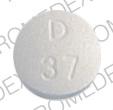
Demerol
Generic name: meperidine [ me-PER-i-deen ]
Drug class: Opioids (narcotic analgesics)
What is Demerol?
Demerol is an opioid pain medication. An opioid is sometimes called a narcotic.
Demerol is a strong prescription pain medicine that is used to manage the relief short-term pain, when other pain treatments such as non-opioid pain medicines do not treat your pain well enough or you cannot tolerate them.
Careless use of Demerol can put you at risk of overdose and death. Even if you take your dose correctly as prescribed you are at risk for opioid addiction, abuse, and misuse that can lead to death.
Warnings
You should not use Demerol if you have severe asthma or breathing problems.
Do not use Demerol if you have used an MAO inhibitor in the past 14 days, such as isocarboxazid, linezolid, methylene blue injection, phenelzine, rasagiline, selegiline, or tranylcypromine.
Demerol can slow or stop your breathing, and may be habit-forming. MISUSE OF THIS MEDICINE CAN CAUSE ADDICTION, OVERDOSE, OR DEATH, especially in a child or other person using the medicine without a prescription.
Using this medicine during pregnancy may cause life-threatening withdrawal symptoms in the newborn.
Fatal side effects can occur if you use Demerol with alcohol, or with other drugs that cause drowsiness or slow your breathing.
Before using this medicine
You should not use Demerol if you are allergic to meperidine, or if you have:
-
severe asthma or breathing problems; or
-
a blockage in your stomach or intestines.
Do not use Demerol if you have used an MAO inhibitor in the past 14 days. A dangerous drug interaction could occur. MAO inhibitors include isocarboxazid, linezolid, methylene blue injection, phenelzine, rasagiline, selegiline, tranylcypromine, and others.
To make sure Demerol is safe for you, tell your doctor if you have ever had:
-
a head injury, brain tumor, or seizures;
-
breathing problems, sleep apnea;
-
drug or alcohol addiction, or mental illness;
-
a blockage in your stomach or intestines;
-
urination problems;
-
liver or kidney disease;
-
problems with your gallbladder, adrenal gland, or thyroid;
-
abnormal curvature of the spine that affects breathing.
If you use Demerol while you are pregnant, your baby could become dependent on the drug. This can cause life-threatening withdrawal symptoms in the baby after it is born. Babies born dependent on opioids may need medical treatment for several weeks.
Do not breastfeed while using Demerol. Meperidine can pass into breast milk and cause drowsiness, breathing problems, or death in a nursing baby.
How should I use Demerol?
Take Demerol exactly as prescribed by your doctor. Follow the directions on your prescription label and read all medication guides. Never use meperidine in larger amounts, or for longer than prescribed. Tell your doctor if you feel an increased urge to take more of this medicine.
Demerol may be habit-forming, even at regular doses. Never share this medicine with another person, especially someone with a history of drug abuse or addiction. MISUSE OF DEMEROL CAN CAUSE ADDICTION, OVERDOSE, OR DEATH, especially in a child or other person using the medicine without a prescription. Selling or giving away this medicine is against the law.
Demerol tablets are taken by mouth.
Demerol injection is given as an infusion into a vein, or injected into a muscle or under the skin. A healthcare provider will give you this injection.
Do not stop using this medicine suddenly after long-term use, or you could have unpleasant withdrawal symptoms. Ask your doctor how to avoid withdrawal symptoms when you stop using this medicine.
Never crush or break a Demerol tablet to inhale the powder or mix it into a liquid to inject the drug into your vein. This practice has resulted in death with the misuse of prescription drugs.
Store at room temperature away from moisture and heat.
Keep track of the amount of medicine used from each new bottle. Meperidine is a drug of abuse and you should be aware if anyone is using your medicine improperly or without a prescription.
Do not keep leftover Demerol tablets. Just one dose can cause death in someone using this medicine accidentally or improperly. Ask your pharmacist where to locate a drug take-back disposal program. If there is no take-back program, flush any unused tablets down the toilet. Disposal of medicines by flushing is recommended to reduce the danger of accidental overdose causing death. This advice applies to a very small number of medicines only. The FDA, working with the manufacturer, has determined this method to be the most appropriate route of disposal and presents the least risk to human safety.
Dosing information
Usual Adult Dose for Pain:
Oral:
50 to 150 mg orally every 3 to 4 hours as needed
Maximum dose: 600 mg per day
Parenteral:
50 to 150 mg IM or subcutaneously every 3 to 4 hours as needed; IM administration is preferred when repeated dose are required
-May be administered IV, however, lower doses are advised and administration should be very slow, preferably using a diluted solution
Patient Controlled Analgesia (PCA):
-Initial dose: 10 mg with a range of 1 to 5 mg per incremental dose; Lockout interval: 6 to 10 minutes; adjust dose based on patient response
For continuous IV infusion, the usual adult dose is 15 to 35 mg per hour
Use: For the management of pain severe enough to require an opioid analgesic and for which alternative treatments are inadequate.
Usual Pediatric Dose for Pain:
Oral:
Initial dose: 1.1 to 1.8 mg/kg orally every 3 to 4 hours as needed
Maximum single dose: 50 to 150 mg
Maximum daily dose: 600 mg
Parenteral:
Initial dose: 1.1 to 1.8 mg/kg IM or subcutaneously every 3 to 4 hours as needed; IM administration is preferred when repeated doses are required
Maximum single dose: 50 to 150 mg
-May be administered IV, however, lower doses are advised and administration should be very slow, preferably using a diluted solution
Comments:
-The American Pain Society (APS) does not recommend this drug be used as an analgesic in infants, children, and those with acute vaso-occlusive crisis pain associated with sickle-cell disease.
-Due to the risks of addiction, abuse, and misuse, this drug should be reserved for use in patients for whom alternative treatment options have not been tolerated or are not expected to be tolerated or have not provided adequate analgesia, or are not expected to provide adequate analgesia.
-This drug should not be used for the treatment of chronic pain.
Use: For the management of pain severe enough to require an opioid analgesic and for which alternative treatments are inadequate.
What happens if I miss a dose?
Since Demerol is used for pain, you are not likely to miss a dose. Skip any missed dose if it is almost time for your next dose. Do not use two doses at one time.
What happens if I overdose?
Seek emergency medical attention or call the Poison Help line at 1-800-222-1222. A meperidine overdose can be fatal, especially in a child or other person using the medicine without a prescription. Overdose symptoms may include slow breathing and heart rate, severe drowsiness, muscle weakness, cold and clammy skin, blue-colored skin or lips, fainting, or coma.
What should I avoid while using Demerol?
Do not drink alcohol. Dangerous side effects or death can occur when alcohol is combined with meperidine.
Avoid driving or hazardous activity until you know how this medicine will affect you. Dizziness or drowsiness can cause falls, accidents, or severe injuries.
Demerol side effects
Get emergency medical help if you have signs of an allergic reaction to Demerol: hives; difficult breathing; swelling of your face, lips, tongue, or throat.
Opioid medicine can slow or stop your breathing, and death may occur. A person caring for you should seek emergency medical attention if you have slow breathing with long pauses, blue colored lips, or if you are hard to wake up.
Stop using this medicine and call your doctor at once if you have:
-
slow heartbeats, weak or shallow breathing, breathing that stops during sleep;
-
severe drowsiness, feeling like you might pass out;
-
confusion, mood changes;
-
severe constipation;
-
tremors, muscle movements you cannot control, or a seizure (convulsions); or
-
low cortisol levels - nausea, vomiting, loss of appetite, dizziness, worsening tiredness or weakness.
Seek medical attention right away if you have symptoms of serotonin syndrome, such as: agitation, hallucinations, fever, sweating, shivering, fast heart rate, muscle stiffness, twitching, loss of coordination, nausea, vomiting, or diarrhea.
Serious side effects may be more likely in older adults and those who are malnourished or debilitated.
Long-term use of opioid medication may affect fertility (ability to have children) in men or women. It is not known whether opioid effects on fertility are permanent.
Common Demerol side effects may include:
-
dizziness, drowsiness;
-
nausea, vomiting; or
-
sweating.
This is not a complete list of side effects and others may occur. Call your doctor for medical advice about side effects. You may report side effects to FDA at 1-800-FDA-1088.
Related/similar drugs
Paracetamol
Paracetamol (Panadol, Calpol, Alvedon) is a widely used over-the-counter painkiller and fever ...
Hydroxyzine
Hydroxyzine is an antihistamine used to treat itching, hives, and anxiety. It also acts as a ...
Ozempic
Learn about Ozempic (semaglutide) for type 2 diabetes treatment, weight management, cardiovascular ...
Tramadol
Tramadol is an opioid medication that may be used to treat moderate to moderately severe chronic ...
Cyclobenzaprine
Cyclobenzaprine is a muscle relaxant and works by blocking pain sensations. Includes ...
Meloxicam
Meloxicam is a nonsteroidal anti-inflammatory drug used to treat pain or inflammation caused by ...
Aspirin
Aspirin is used to treat mild to moderate pain and to reduce fever or inflammation. Learn about ...
Naproxen
Naproxen is a nonsteroidal anti-inflammatory drug used to treat pain or inflammation caused by ...
Oxycodone
Oxycodone is an opioid analgesic used to treat moderate to severe pain; it has a high potential for ...
What other drugs will affect Demerol?
You may have breathing problems or withdrawal symptoms if you start or stop taking certain other medicines. Tell your doctor if you also use an antibiotic, antifungal medication, heart or blood pressure medication, seizure medication, or medicine to treat HIV or hepatitis C.
Opioid medication can interact with many other drugs and cause dangerous side effects or death. Be sure your doctor knows if you also use:
-
other narcotic medications - opioid pain medicine or prescription cough medicine;
-
a sedative like Valium - diazepam, alprazolam, Xanax, lorazepam, Ativan, Klonopin, Versed, and others;
-
drugs that make you sleepy or slow your breathing - a sleeping pill, muscle relaxer, medicine to treat mood disorders or mental illness; or
-
drugs that affect serotonin levels in your body - a stimulant, or medicine for depression, Parkinson's disease, migraine headaches, serious infections, or nausea and vomiting.
This list is not complete. Other drugs may interact with meperidine, including prescription and over-the-counter medicines, vitamins, and herbal products. Not all possible interactions are listed here.
Popular FAQ
What is pethidine used for?
Pethidine, also known in the US as meperidine (brand name: Demerol), is classified as a prescription opioid pain medication (opioid analgesic), also called a narcotic. Pethidine is used for the relief of moderate to severe pain. It has fallen out of use in the US and some other countries because it is considered a high-alert drug due to a significant risk of dangerous side effects when used in error. Continue reading
References
More about Demerol (meperidine)
- Check interactions
- Compare alternatives
- Pricing & coupons
- Reviews (76)
- Drug images
- Latest FDA alerts (1)
- Side effects
- Dosage information
- During pregnancy
- Generic availability
- Drug class: Opioids (narcotic analgesics)
- Breastfeeding
- En español
Patient resources
Other brands
Professional resources
Related treatment guides
Further information
Remember, keep this and all other medicines out of the reach of children, never share your medicines with others, and use Demerol only for the indication prescribed.
Always consult your healthcare provider to ensure the information displayed on this page applies to your personal circumstances.
Copyright 1996-2025 Cerner Multum, Inc. Version: 17.01.