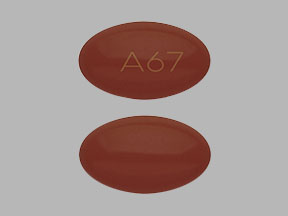
Isotretinoin (Monograph)
Brand names: Amnesteem, Claravis, Sotret
Drug class: Keratolytic Agents
Warning
Risk Evaluation and Mitigation Strategy (REMS):
FDA approved a REMS for isotretinoin to ensure that the benefits outweigh the risks. (See Restricted Distribution under Dosage and Administration.) The REMS may apply to one or more preparations of isotretinoin and consists of the following: medication guide, elements to assure safe use, and implementation system. See https://www.accessdata.fda.gov/scripts/cder/rems/.
Warning
-
Known human teratogen; extremely high risk of severe birth defects if administered during pregnancy; may be life-threatening. (See Fetal/Neonatal Morbidity and Mortality under Cautions.)
-
iPLEDGE restricted distribution program is in effect to help ensure that fetal exposure does not occur. The iPLEDGE program specifies monthly requirements for the prescribing clinician, patient, and pharmacist. (See Restricted Distribution under Dosage and Administration.)
-
Contraindicated in female patients who are or may become pregnant and in female patients of childbearing potential, unless they comply with all the special conditions required by the iPLEDGE restricted distribution program.
-
Pregnancy must be excluded by monthly negative serum or urine pregnancy test results and prevented by simultaneous use of 2 forms of reliable contraception. (See Advice to Patients.)
-
If pregnancy occurs, immediately discontinue drug and refer patient to an obstetrician/gynecologist experienced in reproductive toxicity for further evaluation and counseling. (See Pregnancy under Cautions.)
Introduction
Synthetic retinoid; anti-acne drug.
Uses for Isotretinoin
Severe Nodular Acne
Treatment of severe recalcitrant nodular (cystic) acne unresponsive to conventional acne therapies, including oral and/or topical anti-infectives.
Safety and efficacy not established for less severe forms of acne.
Disorders of Keratinization† [off-label]
Has been used for the treatment of cutaneous disorders of keratinization† [off-label] unresponsive to conventional therapies (e.g., corticosteroids, topical tretinoin).
Psoriasis† [off-label]
Has been used alone and in combination with a psoralen and UVA light (PUVA therapy) in the treatment of psoriasis† [off-label].
Neoplasms† [off-label]
Has been used in the prevention, treatment, and adjunctive treatment of various cutaneous and extracutaneous malignant neoplasms† (of epithelial origin); however, the specific role of isotretinoin, if any, not established.
Isotretinoin Dosage and Administration
General
Severe Nodular Acne
-
Individualize dosage according to severity of the disease, the patient’s weight, and/or appearance of adverse effects (e.g., dose-related cheilitis or hypertriglyceridemia).
-
Prior to increasing isotretinoin dosage, ascertain whether patient has been compliant with instructions on taking the drug with food since failing to do so will substantially decrease absorption of the drug.
-
Transient exacerbation (or flare) of acne may occur during the first weeks of therapy, but this initial exacerbation usually subsides by 4–6 weeks.
-
If a patient misses a dose, the next dose should not be doubled.
-
Do not exceed recommended dosage and duration of treatment.
Administration
Restricted Distribution
Distribution of isotretinoin is restricted because of known, severe teratogenic effects. (See Boxed Warning and also see Fetal/Neonatal Morbidity and Mortality under Cautions.)
A centralized risk management program, called iPLEDGE, for all isotretinoin preparations was approved by FDA; this program replaced previous restricted distribution programs sponsored by various manufacturers. The program requires registration of wholesalers, prescribers, pharmacies, and patients; all must agree to accept specific responsibilities designed to minimize pregnancy exposures in order to distribute, prescribe, dispense, or use isotretinoin.
The iPLEDGE program strengthened processes to ensure appropriately timed and properly documented pregnancy testing and counseling of patients before, during, and following isotretinoin therapy; the program is computer based and uses verifiable, trackable links between prescriber, patient, pharmacy, and wholesaler in a single registry to control prescribing, distribution, dispensing, and patient use of isotretinoin.
To obtain detailed information on all requirements for patients (e.g., contraception, pregnancy testing), prescribing clinicians (e.g., program enrollment, patient registration, patient education), and dispensing pharmacists (e.g., obtaining dispensing authorization, providing patient medication guides), see the iPLEDGE program website at [Web].
To facilitate pregnancy testing and counseling in accordance with the iPLEDGE program, clinicians must not prescribe more than a 30-day supply of drug. Telephone, fax, and electronic transmission (e.g., e-mail) of prescriptions are permitted. Refills require a new prescription and another authorization from the iPLEDGE program; automatic refills are not allowed.
Pharmacists must dispense prescriptions prior to the date specified by the iPLEDGE system (7 days from the office visit date) and record this date on the prescription bag sticker. Patients must pick up prescriptions no later than this date; if not picked up by that date, pharmacists must return the drug to stock.
Oral Administration
Administer orally twice daily with meals; once-daily dosing not recommended.
To decrease the risk of esophageal irritation, swallow capsules whole with a full glass of liquid; do not suck or chew the capsules.
Dosage
Pediatric Patients
Severe Nodular Acne
Oral
Adolescents ≥12 years of age: usual initial dosage is 0.5–1 mg/kg daily given in 2 divided doses with food. Adjust subsequent dosage after ≥2 weeks of treatment according to individual tolerance and response, using the lowest possible effective dosage.
Usual duration of therapy: 15–20 weeks; discontinue therapy sooner if the total number of cysts has been reduced by more than 70%.
A second course of therapy may be initiated if severe nodular acne persists and it is thought that the patient could benefit from further treatment; optimum interval between initial and subsequent courses of isotretinoin therapy has not been defined for adolescents who have not completed skeletal growth.
Adults
Severe Nodular Acne
Oral
Usual initial dosage: 0.5–1 mg/kg daily given in 2 divided doses with food. Adjust subsequent dosage after ≥2 weeks of treatment according to individual tolerance and response, using the lowest possible effective dosage. If disease is severe or is mainly evident on the chest and back, instead of the face, dosages up to 2 mg/kg daily may be required.
Usual duration of therapy: 15–20 weeks; discontinue therapy sooner if the total number of cysts has been reduced by more than 70%.
A second course of therapy may be initiated if severe nodular acne persists and it is thought that the patient could benefit from further treatment; however, at least 2 months should elapse between courses in adults to assess the degree of improvement and the need for further therapy.
Prescribing Limits
Pediatric Patients
Severe Nodular Acne
Oral
Maximum 2 mg/kg daily.
Adults
Severe Nodular Acne
Oral
Maximum 2 mg/kg daily.
Cautions for Isotretinoin
Contraindications
-
Female patients who are or may become pregnant. (See Fetal/Neonatal Morbidity and Mortality under Cautions and also see Boxed Warning.)
-
Nursing women.
-
Female patients of childbearing potential, unless they comply with all the special conditions required by the manufacturer and the iPLEDGE restricted distribution program. (See Boxed Warning and also see Restricted Distribution under Dosage and Administration.)
-
Known hypersensitivity to isotretinoin or any ingredient in the formulation. Some formulations contain parabens; contraindicated in sensitive patients.
Warnings/Precautions
Warnings
Fetal/Neonatal Morbidity and Mortality
Extremely high risk of severe birth defects (possibly life-threatening) if pregnancy occurs while receiving isotretinoin in any amount even for short periods of time; teratogenicity generally characterized by malformations involving craniofacial, cardiovascular, thymus and parathyroid gland, and CNS structures. Cases of IQ scores <85 with or without obvious CNS abnormalities also have been reported. Spontaneous abortions and premature births also reported. Contraindicated in female patients who are or who may become pregnant. (See Boxed Warning and also see Advice to Patients.) Distribution is restricted. (See Restricted Distribution under Dosage and Administration.)
Blood Donations
Potential risk to the developing fetus from exposure to transfused blood containing isotretinoin; blood donation not recommended for both male and female patients during isotretinoin therapy and for at least 1 month following discontinuance of the drug.
Psychiatric Disorders
May cause depression, psychosis, and, rarely, suicidal ideation, suicide attempts, suicide, and aggressive and/or violent behaviors; etiology not known. Prescribing clinicians should be familiar with manifestations of psychiatric disorders in adolescents and young adults and alert to the warning signs of psychiatric disorders in order to guide patients to receive the help they need.
Prior to initiating therapy, ask patients and family members about any history of psychiatric disorder. At each visit during therapy, assess patients for symptoms of depression, mood disturbance, psychosis, or aggression to determine whether further evaluation is necessary.
Patients who experience symptoms of depression, mood disturbance, psychosis, or aggression after initiating isotretinoin therapy should discontinue the drug and the patient or family member should promptly contact their prescribing clinician without waiting for the next scheduled visit. Discontinuance of the drug may be insufficient and further evaluation of the patient may be needed.
Such monitoring may not detect all patients at risk. If a patient reports mental health problems or a family history of psychiatric disorders, discuss with the patient and/or the patient’s family; may need to refer patient to a mental health professional in some cases. Consider whether isotretinoin therapy is appropriate; for some patients, potential risks may outweigh potential benefits.
Pseudotumor Cerebri
Pseudotumor cerebri (benign intracranial hypertension), usually associated with headache, visual disturbances, and papilledema, reported; some patients with pseudotumor cerebri were receiving concomitant tetracycline therapy.
Screen patients who develop manifestations of pseudotumor cerebri (e.g., headache, nausea and vomiting, visual disturbances) for the presence of papilledema and, if present, discontinue the drug immediately and refer to a neurologist for further evaluation and care.
Pancreatitis
Possible acute, life-threatening pancreatitis (e.g., hemorrhagic pancreatitis) with either elevated or normal serum triglyceride concentrations; use with caution in patients with preexisting elevated fasting serum triglyceride concentrations and in patients with increased tendency to develop hypertriglyceridemia (e.g., patients with diabetes mellitus, obesity, increased alcohol intake).
If serum triglyceride concentrations cannot be controlled at an acceptable level or if symptoms of pancreatitis occur, discontinue therapy.
Hepatitis
Clinical hepatitis reported; mild to moderate elevations of hepatic enzymes reported, which resolved despite continued therapy in some patients. Perform pretreatment and follow-up liver function tests at weekly or biweekly intervals until response to isotretinoin is established.
If hepatitis is suspected or abnormal liver function test results develop and persist during isotretinoin therapy, discontinue the drug and investigate the cause of the abnormality.
Effects on Lipoproteins
Possible lipid abnormalities (e.g., hyperlipidemia, elevated fasting triglycerides and cholesterol, decreased HDL-cholesterol); usually reversible with cessation of therapy.
Monitor fasting blood lipid levels prior to initiating therapy and at weekly or biweekly intervals until lipid response is established. If alcohol is consumed prior to testing, at least 36 hours should elapse before these determinations are made.
Use with caution in patients with diabetes mellitus, obesity, increased alcohol intake, lipid metabolism disorder or familial history of lipid metabolism disorder. More frequent serum lipid and/or glucose monitoring recommended in such patients.
Inflammatory Bowel Disease
Inflammatory bowel syndrome (including regional ileitis) has been reported in patients without a history of intestinal disorders.
If abdominal pain, rectal bleeding, or severe diarrhea occurs, immediately discontinue therapy. Symptoms may persist even after discontinuance of isotretinoin therapy.
Musculoskeletal Effects
Possible arthralgias, hyperostosis, premature epiphyseal closure, osteoporosis, osteopenia, bone loss or fractures, and delayed healing of bone fractures; do not exceed recommended dosage and/or duration of treatment.
Participation in sports with repetitive impact, where the risks of spondylolisthesis with and without pars fractures and hip growth plate injuries in early and late adolescence are known, may increase the risk of developing such adverse effects.
Use with caution in patients with a genetic predisposition for age-related osteoporosis; a history of childhood osteoporosis conditions, osteomalacia, or other disorders of bone metabolism; in patients diagnosed with anorexia nervosa; and in those receiving chronic drug therapy with agents that induce osteoporosis/osteomalacia and/or affect vitamin D metabolism (e.g., systemic corticosteroids, anticonvulsants).
Otic Effects
Hearing impairment or tinnitus reported, sometimes persisting even after discontinuance of isotretinoin. If such otic effects occur during therapy, discontinue the drug and consult an appropriate specialist for further evaluation.
Ocular Effects
Possible corneal opacities, cataracts, and decreased night vision. If visual difficulties occur during therapy, discontinue the drug and perform an ophthalmologic examination.
Sensitivity Reactions
Hypersensitivity Reactions
Possible anaphylactic or allergic reactions; cutaneous allergic reactions and serious allergic vasculitis, often with purpura of extremities and extracutaneous involvement (e.g., renal).
If such reactions occur, discontinue therapy and institute appropriate treatment.
Paraben Sensitivity
Some formulations contain parabens; contraindicated in sensitive patients.
Photosensitivity
Photosensitivity reactions reported; minimize exposure of treated areas to natural or artificial (e.g., sunlamps) sunlight.
General Precautions
Hematologic Effects
Possible anemia, thrombocytopenia, neutropenia, and (rarely) agranulocytosis; discontinue the drug if clinically important decreases in leukocyte counts occur.
Dermatologic Effects
Possible scarring; avoid wax epilation and skin resurfacing procedures (such as dermabrasion, laser) during therapy and for at least 6 months thereafter.
Specific Populations
Pregnancy
Category X.
Report all pregnancies during or up to 1 month following therapy to FDA Medwatch Program at 1-800-FDA-1088 and also to the iPLEDGE pregnancy registry at 1-866-495-0654 or through the program’s website ([Web]). (See Fetal/Neonatal Morbidity and Mortality under Cautions and also see Boxed Warning.)
Lactation
Not known whether isotretinoin is distributed into milk; contraindicated in nursing women.
Pediatric Use
Safety and efficacy not established in children <12 years of age. No substantial differences in efficacy of the drug in adolescents ≥12 years of age relative to adults.
Possible increased risk for adverse musculoskeletal effects (e.g., arthralgias, back pain, premature closure of the epiphyses); use with caution in adolescents 12–17 years of age, particularly those with known metabolic or structural bone disease. (See Musculoskeletal Effects under Cautions.)
Perform appropriate evaluations of the musculoskeletal system if symptoms of such effects occur during or after a course of isotretinoin therapy. If any substantial abnormality is found, consider discontinuing therapy.
Titrate dosage carefully; do not exceed recommended dosage and duration of treatment. Effects of long-term or multiple courses of isotretinoin therapy on the developing musculoskeletal system remain to be established.
Geriatric Use
Insufficient experience in patients ≥65 years of age to determine whether geriatric patients respond differently than younger adults.
Common Adverse Effects
Cheilitis, conjunctivitis, hypertriglyceridemia, and adverse musculoskeletal effects (e.g., bone or joint pain, generalized muscle aches, arthralgia).
Drug Interactions
Metabolized principally by CYP2C8, 2C9, 3A4, and 2B6. Does not inhibit CYP2C9.
Specific Drugs
|
Drug |
Interaction |
Comment |
|---|---|---|
|
Corticosteroids |
Possible additive effects on bone loss |
Use with caution |
|
Hormonal contraceptives |
Possible risk of contraceptive failure, particularly in female patients using a single contraceptive method or when used concomitantly with St. John’s wort |
Use 2 effective forms of contraception simultaneously, at least 1 of which must be a primary form |
|
Phenytoin |
Possible additive effects on bone loss |
Use with caution |
|
St. John’s wort (Hypericum perforatum) |
Possible risk of hormonal contraceptive failure during concomitant use |
Avoid concomitant use |
|
Tetracyclines |
Possible increased risk for pseudotumor cerebri (benign intracranial hypertension) |
Avoid concomitant use |
|
Vitamin A |
Possible additive adverse effects |
Avoid concomitant use |
Isotretinoin Pharmacokinetics
Absorption
Bioavailability
Rapidly absorbed from the GI tract following an initial lag time of about 0.5–2 hours.
Actual oral bioavailability not yet determined in humans; in animals, oral bioavailability is about 25%, possibly because of biodegradation of the drug in the GI lumen and/or metabolism of the drug during absorption (in the GI mucosa) and first pass through the liver.
Food
Food appears to increase the bioavailability of isotretinoin without altering its disposition.
Distribution
Extent
Following oral administration in animals, the drug is distributed into many tissues including liver, ureters, adrenals, ovaries, and lacrimal glands. Distributed into bile in humans. Unlike vitamin A, isotretinoin is not stored in the liver.
Crosses the placenta in animals.
It is not known if isotretinoin is distributed into milk.
Distributes into semen of male patients taking the drug; however, the amount delivered to a female partner in semen would be about 1 million times lower than an oral dose of 40 mg.
Plasma Protein Binding
>99%, principally albumin.
Elimination
Metabolism
Metabolized in the liver by CYP microsomal enzyme system, principally by CYP2C8, CYP2C9, CYP3A4, and CYP2B6 isoenzymes, to several active metabolites (e.g., 4-oxo-isotretinoin, retinoic acid [tretinoin], and 4-oxo-retinoic acid [4-oxo-tretinoin]).
Elimination Route
Excreted in urine and feces in relatively equal amounts as conjugates of isotretinoin and its metabolites.
Half-life
Biphasic; initial phase half-life (t½α) averages 0.5 hours and the half-life in the terminal phase (t½β) averages 10–20 hours (range: 7–39 hours).
Stability
Storage
Oral
Capsules
15–30°C in tight, light-resistant containers.
Actions
-
Has pharmacologic actions similar to those of other retinoids (e.g., vitamin A, tretinoin); principal pharmacologic effect appears to be regulation of cell (e.g., epithelial) proliferation and differentiation.
-
Exact mechanism(s) of action in the treatment of nodulocystic acne is not fully understood but appears to include inhibition of sebaceous gland function and follicular keratinization.
-
Exact mechanism(s) of action in treatment of neoplasms has not been conclusively determined but may involve effects mediated via cytosol-binding proteins, inhibition of ornithine decarboxylase activity, and effects on the immune system.
-
Has teratogenic and abortifacient effects. (See Boxed Warning.)
Advice to Patients
-
Describe risk of birth defects. (See Fetal/Neonatal Morbidity and Mortality under Cautions.)
-
Importance of women informing clinicians if they are or plan to become pregnant or plan to breast-feed. Necessity of advising women of child-bearing potential to avoid pregnancy by using 2 methods of contraception simultaneously for ≥1 month prior to, throughout, and for ≥1 month after isotretinoin therapy. At least one method of contraception must be a primary form: tubal sterilization, vasectomized partner, intrauterine device, or oral, injectable, inserted, transdermal, or implanted hormonal contraceptive. (See Boxed Warning.)
-
Provide patients with a copy of the medication guide and explain procedures necessary for obtaining the drug.
-
Importance of warning both male and female patients not to share isotretinoin with anyone else (even if the other individual has similar symptoms) and not to donate blood while receiving isotretinoin and for at least 1 month afterward.
-
Importance of promptly reporting symptoms of depression, mood disturbance, psychosis, or aggression to clinician; importance of discussing any personal or family history of psychiatric illness with clinician before beginning treatment.
-
Risk of sudden, decreased night vision; importance of being cautious when driving or operating any vehicle at night.
-
Importance of advising patients who wear contact lenses that they may experience decreased tolerance to the lenses during or after therapy with the drug.
-
Importance of informing clinicians of existing or contemplated concomitant therapy, including prescription or OTC drugs and herbal supplements (e.g., St. John’s wort), as well as concomitant illnesses.
-
Importance of informing patients of other important precautionary information. (See Cautions.)
Additional Information
The American Society of Health-System Pharmacists, Inc. represents that the information provided in the accompanying monograph was formulated with a reasonable standard of care, and in conformity with professional standards in the field. Readers are advised that decisions regarding use of drugs are complex medical decisions requiring the independent, informed decision of an appropriate health care professional, and that the information contained in the monograph is provided for informational purposes only. The manufacturer’s labeling should be consulted for more detailed information. The American Society of Health-System Pharmacists, Inc. does not endorse or recommend the use of any drug. The information contained in the monograph is not a substitute for medical care.
Preparations
Excipients in commercially available drug preparations may have clinically important effects in some individuals; consult specific product labeling for details.
Please refer to the ASHP Drug Shortages Resource Center for information on shortages of one or more of these preparations.
Isotretinoin is available only through a restricted distribution program. (See Restricted Distribution under Dosage and Administration.)
|
Routes |
Dosage Forms |
Strengths |
Brand Names |
Manufacturer |
|---|---|---|---|---|
|
Oral |
Capsules, liquid-filled |
10 mg |
Amnesteem |
Mylan |
|
Claravis |
Barr |
|||
|
Sotret (with parabens) |
Ranbaxy |
|||
|
20 mg |
Amnesteem |
Mylan |
||
|
Claravis |
Barr |
|||
|
Sotret (with parabens) |
Ranbaxy |
|||
|
30 mg |
Sotret (with parabens) |
Ranbaxy |
||
|
40 mg |
Amnesteem |
Mylan |
||
|
Claravis |
Barr |
|||
|
Sotret (with parabens) |
Ranbaxy |
AHFS DI Essentials™. © Copyright 2025, Selected Revisions May 10, 2024. American Society of Health-System Pharmacists, Inc., 4500 East-West Highway, Suite 900, Bethesda, Maryland 20814.
† Off-label: Use is not currently included in the labeling approved by the US Food and Drug Administration.
Reload page with references included
Related/similar drugs
Frequently asked questions
- What are the most common skin conditions? (with photos)
- What medications are known to cause hair loss?
- Can Accutane cause permanent liver damage?
- Is Absorica the same as Accutane?
- How long does Absorica take to work?
- Isotretinoin - Does accutane help to remove scars from old pimples?
More about isotretinoin
- Check interactions
- Compare alternatives
- Pricing & coupons
- Reviews (1,060)
- Drug images
- Side effects
- Dosage information
- During pregnancy
- Support group
- Drug class: miscellaneous antineoplastics
- Breastfeeding
Patient resources
Professional resources
Other brands
Accutane, Claravis, Amnesteem, Absorica, ... +2 more