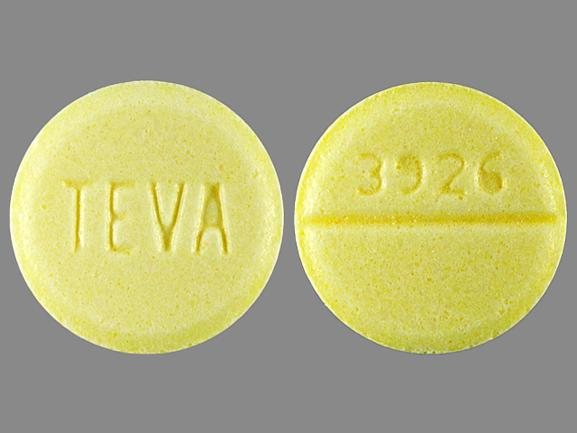
Diazepam (Monograph)
Brand names: Diastat, Valium
Drug class: Benzodiazepines
VA class: CN302
CAS number: 439-14-5
Warning
- Concomitant Use with Opiates
-
Concomitant use of benzodiazepines and opiates may result in profound sedation, respiratory depression, coma, and death.
-
Reserve concomitant use for patients in whom alternative treatment options are inadequate; use lowest effective dosages and shortest possible duration of concomitant therapy and monitor closely for respiratory depression and sedation. (See Specific Drugs and Laboratory Tests under Interactions.)
- Potential for Abuse, Addiction, and Other Serious Risks
-
A boxed warning has been included in the prescribing information for all benzodiazepines describing risks of abuse, misuse, addiction, physical dependence, and withdrawal reactions.
-
Abuse and misuse can result in overdose or death, especially when benzodiazepines are combined with other medicines, such as opioid pain relievers, alcohol, or illicit drugs.
-
Assess a patient’s risk of abuse, misuse, and addiction. Standardized screening tools are available ([Web]).
-
To reduce risk of acute withdrawal reactions, use a gradual dose taper when reducing dosage or discontinuing benzodiazepines. Take precautions when benzodiazepines are used in combination with opioid medications.
Introduction
Benzodiazepine; anticonvulsant, anxiolytic, sedative, and skeletal muscle relaxant.
Uses for Diazepam
Anxiety Disorders
Management of anxiety disorders and short-term relief of symptoms of anxiety.
Preoperative or Preprocedural Sedation, Anxiolysis, and Amnesia
Used prior to surgery or other procedures (e.g., endoscopy, cardioversion) to produce sedation, anxiolysis, and anterograde amnesia.
Seizure Disorders
Treatment of status epilepticus and severe recurrent convulsive seizures.
Benzodiazepines are considered initial drugs of choice for management of status epilepticus because of their rapid onset of action, demonstrated efficacy, safety, and tolerability. Evidence supports use of IV lorazepam, IV diazepam, or IM midazolam. Individualize choice of therapy based on local availability, route of administration, pharmacokinetics, cost, and other factors (e.g., treatment setting).
Rectal administration of diazepam may be useful for out-of-hospital management (e.g., at home or school, during transport to an emergency room) of status attacks and acute repetitive seizures (i.e., serial, cyclic, cluster, breakthrough, or crescendo seizures).
Oral diazepam has been used for adjunctive therapy of seizure disorders; however, loss of response to anticonvulsant effects may develop with prolonged use. (See Seizure Disorders under Cautions.)
Alcohol Withdrawal
Relief of agitation, tremor, impending or acute delirium tremens, and hallucinations associated with acute alcohol withdrawal.
Skeletal Muscle Spasticity
Adjunct to rest, physical activity, analgesics, and other measures for relief of discomfort associated with acute, painful musculoskeletal conditions.
Short- and long-term management of skeletal muscle spasticity such as reflex spasm secondary to local pathology (e.g., trauma, inflammation), spasticity caused by upper motor neuron disorders (e.g., cerebral palsy, paraplegia), athetosis, stiff-man syndrome, strychnine poisoning, and tetanus.
Sedation in Critical Care Settings
Has been used for sedation of intubated and mechanically ventilated patients in critical care settings† [off-label] (e.g., ICU).
Nonbenzodiazepine sedatives (dexmedetomidine and propofol) are generally preferred to benzodiazepines in mechanically ventilated, critically ill adults because of some modest clinical benefits that have been demonstrated (e.g., reduced duration of mechanical ventilation, shorter time to extubation, reduced risk of delirium). If a benzodiazepine is required, midazolam or lorazepam is preferred; diazepam is rarely used for this indication.
Night Terrors
Has been used effectively to prevent night terrors† [off-label].
Drug-induced Cardiovascular Emergencies
Adjunct in the management of certain drug-induced cardiovascular emergencies† [off-label]. May be beneficial adjunctively in patients with cocaine-induced acute coronary syndrome† [off-label].
Neonatal Opiate Withdrawal
Relief of agitation in the management of neonatal opiate withdrawal† [off-label].
Diazepam Dosage and Administration
General
-
Use smallest effective dosage to avoid oversedation.
-
Consider long half-life of diazepam and its metabolites when making dosage adjustments (see Half-life under Pharmacokinetics).
-
In patients who have received prolonged (e.g., for several months) therapy, avoid abrupt discontinuance, since manifestations of withdrawal can be precipitated; gradually taper dosage. Do notdiscontinue abruptly in patients with a history of seizure disorder since seizures may be precipitated.
-
Periodically reassess usefulness for treatment of anxiety. Administer for shortest possible duration.
Administration
Administer orally, by IM or IV injection, or rectally.
Oral Administration
Administer orally as tablets or oral solution.
Dilute oral concentrate solution (e.g., with water, juice, carbonated or soda-like beverages) or mix with semi-solid foods (e.g., applesauce, pudding) using the calibrated dropper provided by manufacturer. Stir the liquid or food mixture gently for a few seconds and then consume immediately; do not store mixture for future use.
IV Administration
For solution and drug compatibility information, see Compatibility under Stability.
Administer by slow IV injection. Although the injection has been diluted prior to IV administration, this is not recommended since precipitation may occur. (See Compatibility under Stability.)
Equipment for resuscitation should be readily available whenever diazepam is administered IV. (See Respiratory and Cardiovascular Effects under Cautions.)
For IV injection, administer directly into a large vein; if this is not possible, inject the drug into the tubing of a flowing IV solution as close as possible to the vein insertion site.
Take care to avoid intra-arterial administration or extravasation.
Switch patient to oral therapy as soon as possible.
Do not mix or dilute with other solutions or drugs. Administer premedications (e.g., atropine, scopolamine) in a separate syringe.
Rate of Administration
Adults: Administer IV injection slowly at rate not exceeding 5 mg/minute.
Children and infants ≥30 days of age: Administer IV injection slowly over 3 minutes.
IM Administration
May be administered as deep IM injection; however, absorption may be slow and erratic. IM route is rarely justified.
Rectal Administration
Administer rectally as the commercially available gel via delivery device (plastic applicator with a flexible molded tip) provided by manufacturer. Consult manufacturer’s labeling for specific instructions for administration of the rectal gel.
Also has been administered rectally as the parenteral solution† via a syringe and rectally inserted tubing or via lubricated tuberculin syringe (without a needle) inserted 4–5 cm into the rectum.
Commercially available gel is provided in prefilled syringe applicators containing 2.5, 10, or 20 mg of diazepam.
|
Applicator |
Dose Delivered |
Plastic Applicator Tip |
|---|---|---|
|
Diastat 2.5 mg |
2.5 mg |
4.4 cm in length |
|
Diastat AcuDial 10 mg |
5, 7.5, or 10 mg |
4.4 cm in length |
|
Diastat AcuDial 20 mg |
12.5, 15, 17.5, or 20 mg |
6 cm in length |
Dose to be delivered by the AcuDial applicator is locked into the device prior to dispensing. If necessary, use 2 applicators to administer the prescribed dose.
The 2.5-mg unit-dose applicator also may be used as a partial replacement dose (supplemental dose) for patients who partially expel the recommended dose within 5 minutes after administration.
Dispensing
Pharmacist must dial in and lock the correct dose to be administered prior to dispensing Diastat AcuDial.
While holding the barrel of the applicator in one hand, turn the cap of the applicator to select the dose. After confirming that the dose visible in the display window is correct, lock the dose by grasping the locking ring and pushing upward to lock both sides of the ring. A green “ready” band becomes visible at the base of the applicator once the dose-locking ring is engaged.
Repeat the process for each applicator to be dispensed.
Administration
Prior to administering the dose, check the diazepam gel expiration date, verify that the green “ready” band on the Diastat AcuDial applicator is visible, and verify the dose displayed in the AcuDial display window.
Remove the protective cap from the syringe and ensure that the seal pin is removed with the cap.
Lubricate the rectal applicator tip with the water-soluble lubricant (jelly) provided by the manufacturer.
Turn the patient so that they are resting on their side facing the caregiver; the patient’s upper leg should be bent forward and the buttocks separated to expose the rectum. Insert the lubricated applicator tip into the rectum until the rim of the syringe is snug against the rectal opening; slowly push the plunger (counting aloud slowly to 3) until it stops (i.e., until the entire dose of the applicator has been expelled into the rectum). Count slowly to 3 before removing the syringe from the rectum; to prevent leakage of the administered dose, hold the buttocks together while again counting slowly to 3.
Leave the patient on their side facing the caregiver, note the time the dose was given, and observe the patient.
Disposal
Discard Diastat and Diastat AcuDial rectal delivery systems and all unused materials in the garbage in a safe place away from children; do not reuse.
Prior to discarding AcuDial applicator in the garbage, dispose of any gel remaining in the applicator. With the applicator tip pointed over the sink or toilet, pull back and remove the plunger from the barrel; then, replace the plunger in the barrel and gently depress the plunger until it stops, forcing gel from the applicator. Flush toilet or rinse sink with water until gel is no longer visible.
Dosage
Pediatric Patients
Anxiety Disorders
Oral
Children ≥6 months of age: Manufacturer recommends initial dosage of 1–2.5 mg 3 or 4 times daily. Increase dosage gradually as needed and tolerated.
IV
Some clinicians recommend 0.04–0.2 mg/kg; may repeat in 3–4 hours. Total dose should not exceed 0.6 mg/kg in an 8-hour period.
Preoperative Sedation, Anxiolysis, and Amnesia
IM
Children >2 years of age: 0.4 mg/kg has been administered 1–2 hours before surgery.
Seizure Disorders
Oral
6–15 mg daily (occasionally up to 30 mg daily) in divided doses has been used for adjunctive management of epilepsy.
IV or IM
IV administration is preferred; may use IM route if IV administration not possible.
Children 30 days to <5 years of age: Usual initial dose for status epilepticus or severe recurrent convulsant seizures is 0.2–0.5 mg; may repeat every 2–5 minutes up to a maximum total dose of 5 mg. May repeat therapy with diazepam in 2–4 hours if necessary.
Children ≥5 years of age: Usual initial dose for status epilepticus or severe recurrent convulsant seizures is 1 mg; may repeat every 2–5 minutes up to a maximum total dose of 10 mg. May repeat therapy with diazepam in 2–4 hours if necessary.
Rectal
Children 2–5 years of age: Initially, 0.5 mg/kg as rectal gel, rounded up to the next available dose (i.e., the next multiple of 2.5 mg). If necessary, repeat initial dose in 4–12 hours. Administration of a third dose is not recommended by the manufacturer.
|
Weight (kg) |
Rounded Dose (mg) |
|---|---|
|
6–10 |
5 |
|
11–15 |
7.5 |
|
16–20 |
10 |
|
21–25 |
12.5 |
|
26–30 |
15 |
|
31–35 |
17.5 |
|
36–44 |
20 |
Children 6–11 years of age: Initially, 0.3 mg/kg as rectal gel, rounded up to the next available dose (i.e., the next multiple of 2.5 mg). If necessary, repeat initial dose in 4–12 hours. Administration of a third dose is not recommended by the manufacturer.
|
Weight (kg) |
Rounded Dose (mg) |
|---|---|
|
10–16 |
5 |
|
17–25 |
7.5 |
|
26–33 |
10 |
|
34–41 |
12.5 |
|
42–50 |
15 |
|
51–58 |
17.5 |
|
59–74 |
20 |
Children ≥12 years of age: Initially, 0.2 mg/kg as rectal gel, rounded up to the next available dose (i.e., the next multiple of 2.5 mg). If necessary, repeat initial dose in 4–12 hours. Administration of a third dose is not recommended by the manufacturer.
|
Weight (kg) |
Rounded Dose (mg) |
|---|---|
|
14–25 |
5 |
|
26–37 |
7.5 |
|
38–50 |
10 |
|
51–62 |
12.5 |
|
63–75 |
15 |
|
76–87 |
17.5 |
|
88–111 |
20 |
For rectal administration of parenteral solutions†, 0.5 mg/kg (up to 20 mg) has been used. Some clinicians state a second dose of 0.25 mg/kg may be administered in 10 minutes if needed.
Skeletal Muscle Spasticity
Oral
When used as a sedative or muscle relaxant in children, some clinicians recommend 0.12–0.8 mg/kg daily in 3 or 4 divided doses.
IV
Some clinicians recommend 0.04–0.3 mg/kg every 2–4 hours, not to exceed 0.6 mg/kg in an 8-hour period.
Tetanus
IM or IVChildren >30 days to 5 years of age: 1–2 mg. May repeat dose every 3–4 hours as needed.
Children >5 years of age: 5–10 mg. May repeat dose every 3–4 hours as needed.
Neonatal Opiate Withdrawal†
IM
0.5–2 mg has been administered every 8 hours, followed by gradual dosage reduction.
Adults
Anxiety Disorders
Oral
2–10 mg 2–4 times daily, depending on severity of symptoms.
IV or IM
Initially, 2–5 mg for moderate anxiety or 5–10 mg for severe anxiety; may repeat in 3–4 hours if necessary.
Preoperative or Preprocedural Sedation, Anxiolysis, and Amnesia
Preoperative Sedation
IM or IV10 mg 1–2 hours before surgery (IM administration preferred); some clinicians recommend doses up to 20 mg.
Cardioversion
IV5–15 mg 5–10 minutes before the procedure.
Endoscopy
IVTitrate dosage to obtain desired sedative response (e.g., slurring of speech). Generally 10 mg or less is adequate, but up to 20 mg may be required, especially if opiates are not given concomitantly.
IMIf IV administration not possible, may give IM dose of 5–10 mg approximately 30 minutes prior to endoscopy.
Alcohol Withdrawal
Oral
10 mg 3 or 4 times during the first 24 hours, followed by 5 mg 3 or 4 times daily as needed.
IM or IV
Initially, 10 mg, then 5–10 mg in 3–4 hours if necessary.
Alternatively, some clinicians recommend 10 mg initially, followed by 10 mg at 20- to 30-minute intervals until patient is calm.
Seizure Disorders
Oral
2–10 mg 2–4 times daily for adjunctive management of seizure disorders.
IV or IM
IV administration is preferred; may use IM route if IV administration not possible.
Initially, 5–10 mg. May repeat at 10- to 15-minute intervals, if necessary, up to a maximum total dose of 30 mg. May repeat therapy with diazepam in 2–4 hours, if necessary.
Rectal
Initially, 0.2 mg/kg as rectal gel, rounded up to next available dose (i.e., the next multiple of 2.5 mg). If necessary, repeat initial dose in 4–12 hours. Administration of a third dose is not recommended by the manufacturer.
For rectal administration of parenteral solutions†, 0.5 mg/kg (up to 20 mg) has been used. Some clinicians state a second dose of 0.25 mg/kg may be administered after 10 minutes if needed.
Skeletal Muscle Spasticity
Oral
2–10 mg 2–4 times daily.
IM or IV
Initially, 5–10 mg; may repeat in 3–4 hours if necessary.
Higher doses (e.g., up to 20 mg) have been given every 2–8 hours for tetanus.
Sedation in Critical Care Settings†
IV
Loading dose of 5–10 mg, followed by intermittent injections of 0.03–0.1 mg/kg every 0.5–6 hours as needed. Titrate dosage to desired level of sedation.
Night Terrors†
Oral
Doses of 5–20 mg at bedtime have been used.
Labor and Delivery†
IV
10–20 mg.
Prescribing Limits
Pediatric Patients
IV
Maximum initial dose of 0.25 mg/kg.
Seizure Disorders
Rectal
Maximum recommended frequency for administration by caregivers outside hospital is 1 treatment course every 5 days and 5 treatment courses per month.
Adults
Anxiety Disorders
IV
Some clinicians recommend maximum dosage of 30 mg in an 8-hour period.
Seizure Disorders
Rectal
Maximum recommended frequency for administration by caregivers outside hospital is 1 treatment course every 5 days and 5 treatment courses per month.
Special Populations
Hepatic Impairment
Reduce dosage; use smallest effective dose to avoid oversedation.
Renal Impairment
Use smallest effective dose to avoid oversedation.
Geriatric or Debilitated Patients
Oral:
Initially, 2–2.5 mg once or twice daily. Increase dosage gradually as needed and tolerated.
IV or IM:
Lower doses (e.g., 2–5 mg) usually recommended. Increase dosage gradually.
Rectal:
Dosage to be administered should be adjusted downward for the commercially available rectal gel.
Other Populations
Use smallest effective dosage in debilitated patients and patients with low serum albumin concentrations. In debilitated patients, observe maximum geriatric dosages. (See Geriatric Patients under Dosage and Administration.)
Cautions for Diazepam
Contraindications
-
Known hypersensitivity to diazepam or any ingredient in the formulation.
-
Manufacturers state that diazepam is contraindicated in patients with acute angle-closure glaucoma, but may be administered to patients with open-angle glaucoma who are receiving appropriate therapy; however, clinical rationale for this contraindication has been questioned.
Warnings/Precautions
Warnings
Concomitant Use with Opiates
Concomitant use of benzodiazepines, including diazepam, and opiates may result in profound sedation, respiratory depression, coma, and death. Substantial proportion of fatal opiate overdoses involve concurrent benzodiazepine use. (See Boxed Warning.)
Reserve concomitant use of diazepam and opiates for patients in whom alternative treatment options are inadequate. (See Specific Drugs and Laboratory Tests under Interactions.)
CNS Effects
Performance of activities requiring mental alertness and physical coordination may be impaired.
Concurrent use of other CNS depressants may cause additive or potentiated CNS depression. (See Concomitant Use with Opiates under Cautions and also see Specific Drugs and Laboratory Tests under Interactions.)
Psychiatric Indications
Do not use in patients with depressive neuroses or psychotic reactions in which anxiety is not prominent.
Respiratory and Cardiovascular Effects
Possibility of apnea and/or cardiac arrest. Use parenterally (particularly by IV route) with caution in elderly and debilitated patients and in patients with compromised respiratory function. Do not administer diazepam injection to patients in shock or coma or to those with acute alcohol intoxication with depression of vital signs.
Consider possibility of respiratory depression with rectal administration. Out-of-hospital caregivers should avoid repeated administration at relatively short intervals (see Prescribing Limits under Dosage and Administration).
Equipment for resuscitation should be readily available whenever diazepam injection is administered.
Concomitant use of other CNS depressants may increase the risk of apnea.
Abuse Potential
Psychologic and physical dependence may occur following prolonged use.
Patients with a history of drug or alcohol dependence or abuse are at risk of habituation or dependence; use only with careful surveillance in such patients.
Withdrawal Syndrome
Abrupt discontinuance following chronic use may result in symptoms of withdrawal (similar to those observed with barbiturates and alcohol). More severe symptoms generally observed in patients receiving excessive doses over an extended period of time.
After prolonged therapy, avoid abrupt discontinuance and follow a gradual dosage tapering schedule.
Seizure Disorders
Abrupt withdrawal may be associated with a temporary increase in seizure frequency or severity.
Effect on seizure activity after IV administration is short-lived; repeated administration may be necessary. Consider need for a longer-acting agent for continued seizure control.
Chronic daily use as an anticonvulsant may increase the frequency and/or severity of tonic-clonic seizures; may necessitate increase in dosage of other anticonvulsants. (See Prescribing Limits under Dosage and Administration.)
Tonic status epilepticus has been precipitated following IV administration to control absence status or Lennox-Gastaut syndrome status epilepticus.
Local Reactions Following Parenteral Administration
Potential for local reactions (e.g., pain, thrombophlebitis) following parenteral administration; possible tissue necrosis following intra-arterial administration. (See IV Administration under Dosage and Administration.)
Precautions Associated with Use of Rectal Gel
Only caregivers who are deemed competent to recognize seizure episodes suitable for treatment, make the decision to initiate treatment, administer the drug, monitor the patient, and assess adequacy of response should administer diazepam rectal gel.
General Precautions
Suicide
Use with caution in depressed patients; potential for suicidal tendencies. Prescribe and dispense drug in the smallest feasible quantity.
Laboratory Testing
Perform blood counts and liver function tests periodically during long-term therapy.
Specific Populations
Pregnancy
Category D.
Lactation
Diazepam and its metabolites are distributed into milk; discontinue nursing or the drug.
Pediatric Use
Safety and efficacy of oral formulations not established in infants <6 months of age.
Safety and efficacy of parenteral formulations not established in infants ≤30 days of age.
Safety and efficacy of rectal diazepam not established via clinical studies in children <2 years of age; manufacturer states that gel is not recommended in infants <6 months of age.
CNS depression in neonates may be prolonged because of apparent inability to convert drug to inactive metabolites.
Geriatric Use
Increased risk of adverse CNS effects. Clearance may be decreased. Use with caution. (See Geriatric Patients under Dosage and Administration.)
Hepatic Impairment
Clearance may be decreased. Use with caution. (See Hepatic Impairment under Dosage and Administration.)
Renal Impairment
Clearance of metabolites may be decreased. Use with caution.
Common Adverse Effects
Drowsiness, ataxia, muscle weakness, fatigue.
With parenteral therapy, local reactions (venous thrombosis, phlebitis) at injection site.
Drug Interactions
Metabolized by CYP2C19 and CYP3A4.
Drugs Affecting Hepatic Microsomal Enzymes
CYP2C19 and CYP3A4 inducers or inhibitors: Potential pharmacokinetic interaction (altered diazepam elimination).
Specific Drugs and Laboratory Tests
|
Drug or Test |
Interaction |
Comments |
|---|---|---|
|
Amitriptyline |
Possible increased plasma amitriptyline concentrations |
Clinical importance not determined |
|
Antacids (e.g., aluminum- and magnesium-containing) |
Possible decreased rate of diazepam absorption |
|
|
Carbamazepine |
Possible decreased plasma diazepam concentrations |
|
|
Cigarette smoking |
Possible decreased sedative effect |
|
|
Cimetidine |
Increased plasma diazepam concentrations |
Use with caution; consider reduction of diazepam dosage |
|
Clotrimazole |
Possible increased plasma diazepam concentrations |
|
|
CNS depressants (e.g., barbiturates, sedatives, anticonvulsants, alcohol) |
Possible additive CNS effect |
Use caution to avoid overdosage Avoid alcohol use |
|
Dexamethasone |
Possible decreased plasma diazepam concentrations |
|
|
Digoxin |
Possible decreased renal excretion and increased plasma concentrations of digoxin |
Monitor serum digoxin concentrations; reduction of digoxin dosage may be necessary |
|
Disulfiram |
Potential for increased plasma diazepam concentrations |
Reduce diazepam dosage as necessary |
|
Fluvoxamine |
Decreased clearance of diazepam |
Generally avoid concomitant use |
|
HIV protease inhibitors (e.g., fosamprenavir, ritonavir, saquinavir) |
Possible increased plasma diazepam concentrations |
Clinical importance not determined; consider possible need for diazepam dosage reduction |
|
Ketoconazole |
Possible increased plasma diazepam concentrations |
|
|
Levodopa |
Potential for decreased control of parkinsonian symptoms |
Use with caution |
|
Lithium |
One case of hypothermia reported |
|
|
Opiate agonists and partial agonists |
Risk of profound sedation, respiratory depression, coma, or death |
Whenever possible, avoid concomitant use Opiate analgesics: Use concomitantly only if alternative treatment options are inadequate; use lowest effective dosages and shortest possible duration of concomitant therapy; monitor closely for respiratory depression and sedation In patients receiving diazepam, initiate opiate analgesic, if required, at reduced dosage and titrate based on clinical response Reduce opiate dosage by at least one-third and administer in small increments when diazepam is administered IV concurrently with an opiate analgesic In patients receiving an opiate analgesic, initiate diazepam, if required for any indication other than epilepsy, at lower dosage than indicated in the absence of opiate therapy and titrate based on clinical response Opiate antitussives: Avoid concomitant use Consider offering naloxone to patients receiving benzodiazepines and opiates concomitantly |
|
Mineral oil |
Possible decreased GI absorption of diazepam |
|
|
Phenobarbital |
Possible decreased plasma diazepam concentrations |
|
|
Phenytoin |
Possible decreased plasma diazepam concentrations |
|
|
Quinidine |
Possible increased plasma diazepam concentrations |
|
|
Rifampin |
Possible decreased plasma diazepam concentrations |
|
|
Tests for urinary glucose |
Possible false positive reactions for glucose with Clinistix and Diastix |
Reaction does not occur with Tes-Tape |
|
Tranylcypromine |
Possible increased plasma diazepam concentrations |
Diazepam Pharmacokinetics
Absorption
Bioavailability
Apparently well absorbed following oral administration.
Absorption is slow and erratic following IM administration.
Rapidly and well absorbed following rectal administration as gel or solution; bioavailability averages 80–102%. Peak plasma concentrations attained within 1.5 hours following rectal administration of the gel in adults; absorption from gel may be more rapid in children.
Onset
Onset of anticonvulsant, anxiolytic, or sedative action occurs in 1–5 minutes following IV administration.
Duration
Duration of anticonvulsant, anxiolytic, or sedative action is 15–60 minutes following IV administration.
Distribution
Extent
Apparently widely distributed into body tissues; crosses the blood-brain barrier.
Diazepam and its metabolites cross the placenta and are distributed into milk.
Plasma Protein Binding
Diazepam and desmethyldiazepam: 95–98%.
Elimination
Metabolism
Metabolized in the liver by CYP2C19 and CYP3A4 to active metabolites.
Elimination Route
Excreted principally in urine as inactive conjugates.
Half-life
Diazepam: 20–50 hours.
Metabolites: Desmethyldiazepam: 30–200 hours. Temazepam: 5–20 hours. Oxazepam: 3–21 hours.
Special Populations
In neonates and infants, half-life may be prolonged; half-life may be shorter in children ≥2 years of age and adolescents.
Geriatric patients and patients with hepatic impairment may have prolonged elimination half-lives of diazepam and its metabolites.
Stability
Storage
Oral
Tablets
Tight, light-resistant containers at 15–30°C.
Solution and Solution Concentrate
20–25°C. Protect from light.
Parenteral
Injection
15–30°C. Protect from light; avoid freezing.
Rectal
Gel
25°C (may be exposed to 15–30°C).
Compatibility
Parenteral
Addition of diazepam injection to an IV infusion solution or plastic syringes may result in adsorption of diazepam to the plastic container and tubing.
Solution CompatibilityHID
|
Variable |
|---|
|
Dextrose 5% in water |
|
Ringer’s injection |
|
Ringer’s injection, lactated |
|
Sodium chloride 0.9% |
Drug Compatibility
|
Compatible |
|---|
|
Levetiracetam |
|
Verapamil HCl |
|
Incompatible |
|
Bleomycin sulfate |
|
Dobutamine HCl |
|
Doxorubicin HCl |
|
Fluorouracil |
|
Furosemide |
|
Compatible |
|---|
|
Dobutamine HCl |
|
Fentanyl citrate |
|
Methadone HCl |
|
Morphine sulfate |
|
Nafcillin sodium |
|
Quinidine gluconate |
|
Incompatible |
|
Acetaminophen |
|
Atracurium besylate |
|
Bivalirudin |
|
Cangrelor tetrasodium |
|
Ceftaroline fosamil |
|
Dexmedetomidine HCl |
|
Diltiazem HCl |
|
Doripenem |
|
Fenoldopam mesylate |
|
Fluconazole |
|
Foscarnet sodium |
|
Heparin sodium with hydrocortisone sodium succinate |
|
Hetastarch in lactated electrolyte injection (Hextend) |
|
Linezolid |
|
Meropenem |
|
Oxaliplatin |
|
Pancuronium bromide |
|
Potassium chloride |
|
Propofol |
|
Tigecycline |
|
Tirofiban HCl |
|
Vecuronium bromide |
|
Variable |
|
Cisatracurium besylate |
|
Hydromorphone HCl |
|
Remifentanil HCl |
Actions
-
Effects appear to be mediated through the inhibitory neurotransmitter GABA; the site and mechanism of action within the CNS appear to involve a macromolecular complex (GABAA-receptor-chloride ionophore complex) that includes GABAA receptors, high-affinity benzodiazepine receptors, and chloride channels.
Advice to Patients
-
Provide manufacturer's patient information (e.g., medication guide) to the patient each time diazepam tablets are dispensed.
-
Importance of taking only as prescribed; do not increase dosage or duration of therapy or abruptly discontinue drug unless otherwise instructed by a clinician.
-
Risk of potentially fatal additive effects (e.g., profound sedation, respiratory depression, coma) if used concomitantly with opiates either therapeutically or illicitly. Avoid concomitant use of opiate antitussives; also avoid concomitant use of opiate analgesics unless use is supervised by clinician.
-
Potential for drug to impair mental alertness or physical coordination; use caution when operating machinery or performing hazardous tasks until effects on individual are known.
-
Importance of caregivers understanding their role and obligations for administration of diazepam gel to individuals in their care; prescribers should routinely discuss all steps detailed in the manufacturer’s patient/caregiver information.
-
Upon receiving Diastat AcuDial from the pharmacy and again prior to administering a dose, importance of verifying accuracy of prescription (e.g., prescribed dose is visible in the applicator display window; green “ready” band is visible on each applicator).
-
Importance of properly disposing of diazepam gel applicators.
-
Importance of informing clinicians of existing or contemplated concomitant therapy, including prescription and OTC drugs, and alcohol consumption. Importance of avoiding alcohol-containing beverages or products.
-
Importance of informing clinicians about any concomitant illnesses, particularly depression.
-
Importance of women informing their clinician if they are or plan to become pregnant or plan to breast-feed.
-
Importance of informing patients of other important precautionary information. (See Cautions.)
Preparations
Excipients in commercially available drug preparations may have clinically important effects in some individuals; consult specific product labeling for details.
Please refer to the ASHP Drug Shortages Resource Center for information on shortages of one or more of these preparations.
Subject to control under the Federal Controlled Substances Act of 1970 as a schedule IV (C-IV) drug.
* available from one or more manufacturer, distributor, and/or repackager by generic (nonproprietary) name
|
Routes |
Dosage Forms |
Strengths |
Brand Names |
Manufacturer |
|---|---|---|---|---|
|
Oral |
Solution |
5 mg/5 mL* |
diazePAM Solution (C-IV) |
|
|
Solution, concentrate |
5 mg/mL* |
diazePAM Intensol (C-IV) |
West-ward |
|
|
diazePAM Solution Concentrate (C-IV) |
||||
|
Tablets |
2 mg* |
diazePAM Tablets (C-IV) |
||
|
Valium (C-IV; scored) |
Genentech |
|||
|
5 mg* |
diazePAM Tablets (C-IV) |
|||
|
Valium (C-IV; scored) |
Genentech |
|||
|
10 mg* |
diazePAM Tablets (C-IV) |
|||
|
Valium (C-IV; scored) |
Genentech |
|||
|
Parenteral |
Injection |
5 mg/mL* |
diazePAM Injection (C-IV) |
|
|
Rectal |
Gel |
5 mg/mL (2.5, 10, and 20 mg)* |
Diastat Rectal Delivery System (C-IV; in prefilled applicators with pediatric universal or adult applicator tips) |
Valeant |
|
diazePAM Gel Rectal Delivery System (C-IV; in prefilled applicators with pediatric universal or adult applicator tips) |
AHFS DI Essentials™. © Copyright 2025, Selected Revisions September 28, 2022. American Society of Health-System Pharmacists, Inc., 4500 East-West Highway, Suite 900, Bethesda, Maryland 20814.
† Off-label: Use is not currently included in the labeling approved by the US Food and Drug Administration.
Reload page with references included
Related/similar drugs
More about diazepam
- Check interactions
- Compare alternatives
- Pricing & coupons
- Reviews (897)
- Drug images
- Latest FDA alerts (2)
- Side effects
- Dosage information
- Patient tips
- During pregnancy
- Support group
- Drug class: benzodiazepine anticonvulsants
- Breastfeeding
Patient resources
Professional resources
- Diazepam prescribing information
- Diazepam Autoinjector (FDA)
- Diazepam Injection (FDA)
- Diazepam Oral Solution Concentrate (FDA)
- Diazepam Rectal Gel (FDA)
Other brands
Valium, Valtoco, Diastat, Libervant