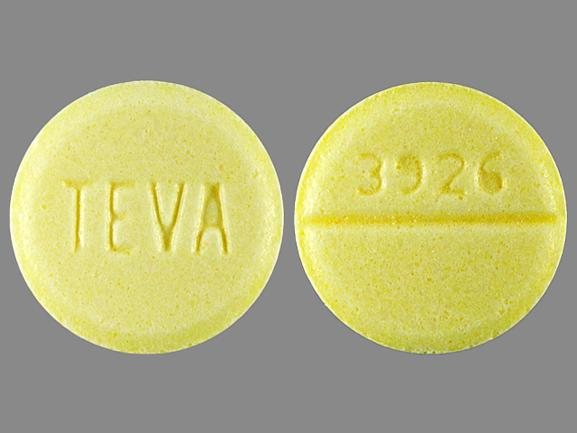
Diazepam Side Effects
Applies to diazepam: oral solution, oral tablet.
Other dosage forms:
Important warnings
This medicine can cause some serious health issues
Oral route (tablet; solution)
Risks From Concomitant use with Opioids; Abuse, Misuse, and Addiction; and Dependence and Withdrawal Reactions Concomitant use of benzodiazepines and opioids may result in profound sedation, respiratory depression, coma, and death.
Reserve concomitant prescribing of these drugs for patients for whom alternative treatment options are inadequate.
Limit dosages and durations to the minimum required.
Follow patients for signs and symptoms of respiratory depression.The use of benzodiazepines, including diazepam, exposes users to risks of abuse, misuse, and addiction, which can lead to overdose or death.
Abuse and misuse of benzodiazepines commonly involve concomitant use of other medications, alcohol, and/or illicit substances, which is associated with increased frequency of serious adverse outcomes.
Before prescribing diazepam and throughout treatment, assess each patient's risk for abuse, misuse, and addiction.
The continued use of benzodiazepines, including diazepam, may lead to clinically significant physical dependence.
The risks of dependence and withdrawal increase with longer treatment duration and higher daily dose.
Abrupt discontinuation or rapid dosage reduction of diazepam may precipitate acute withdrawal reactions, which can be life-threatening.
To reduce the risk of withdrawal reactions, use a gradual taper to discontinue diazepam or reduce the dosage.
Serious side effects of diazepam
Along with its needed effects, diazepam may cause some unwanted effects. Although not all of these side effects may occur, if they do occur they may need medical attention.
Check with your doctor immediately if any of the following side effects occur while taking diazepam:
More common
- shakiness and unsteady walk
- unsteadiness, trembling, or other problems with muscle control or coordination
Incidence not known
- agitation
- black, tarry stools
- blistering, flaking, or peeling of the skin
- blurred vision
- changes in patterns and rhythms of speech
- chills
- confusion
- cough
- dark urine
- decrease in the frequency of urination
- decrease in urine volume
- difficulty in passing urine (dribbling)
- discouragement
- dizziness, faintness, or lightheadedness when getting up suddenly from a lying or sitting position
- false beliefs that cannot be changed by facts
- fast heartbeat
- fast or irregular breathing
- feeling sad or empty
- feeling that others are watching you or controlling your behavior
- feeling that others can hear your thoughts
- feeling, seeing, or hearing things that are not there
- fever
- headache
- hyperexcitability
- increased muscle spasms or tone
- irritability
- itching or rash
- lack of memory of what takes place after a certain event
- loss of appetite
- loss of bladder control
- loss of interest or pleasure
- lower back or side pain
- nausea
- nightmares
- outbursts of anger
- painful or difficult urination
- pale skin
- restlessness
- seizures
- slurred speech
- sore throat
- stomach pain
- sweating
- trouble concentrating
- trouble sleeping
- trouble speaking
- ulcers, sores, or white spots in the mouth
- unpleasant breath odor
- unusual behavior
- unusual bleeding or bruising
- unusual feeling of excitement
- unusual tiredness or weakness
- vomiting of blood
- yellow eyes or skin
Get emergency help immediately if any of the following symptoms of overdose occur while taking diazepam:
Symptoms of overdose
- agitation
- change in consciousness
- changes in patterns and rhythms of speech
- confusion
- difficult or trouble breathing
- excitement
- irregular, fast or slow, or shallow breathing
- irritability
- lack of coordination
- loss of consciousness
- loss of strength or energy
- muscle pain or weakness
- pale or blue lips, fingernails, or skin
- restlessness
- shakiness and unsteady walk
- sleepiness
- unsteadiness, trembling, or other problems with muscle control or coordination
- unusual drowsiness, dullness, tiredness, weakness, or feeling of sluggishness
Other side effects of diazepam
Some side effects of diazepam may occur that usually do not need medical attention. These side effects may go away during treatment as your body adjusts to the medicine. Also, your health care professional may be able to tell you about ways to prevent or reduce some of these side effects.
Check with your health care professional if any of the following side effects continue or are bothersome or if you have any questions about them:
Incidence not known
- constipation
- decreased interest in sexual intercourse
- diarrhea
- difficulty with swallowing
- double vision
- dry mouth
- feeling of constant movement of self or surroundings
- inability to have or keep an erection
- increase in sexual ability, desire, drive, or performance
- increased interest in sexual intercourse
- increased watering of the mouth
- indigestion
- loss of sexual ability, desire, drive, or performance
- passing of gas
- seeing double
- sensation of spinning
For healthcare professionals
Applies to diazepam: buccal film, compounding powder, injectable solution, intravenous suspension, nasal spray, oral capsule extended release, oral concentrate, oral solution, oral tablet, rectal kit.
General
ORAL: The most commonly reported side effects included ataxia, drowsiness, fatigue, and muscle weakness.
PARENTERAL: The most commonly reported side effects included fatigue, drowsiness, ataxia, injection-site venous thrombosis, and injection-site phlebitis.
RECTAL: The most commonly reported side effects included somnolence, headache, and diarrhea.[Ref]
Nervous system
ORAL:
- Common (1% to 10%): Ataxia, disrupted sensory perception, drowsiness, epileptic attacks, impaired motor ability, tremor
- Uncommon (0.1% to 1%): Amnesia/anterograde amnesia, balance disorders, concentration difficulties, dizziness, dysarthria, headache, slurred speech, vertigo
- Rare (0.01% to 0.1%): Decreased alertness, memory loss, syncope, unconsciousness
- Frequency not reported: Abnormal taste, amnestic effects, hangover effect, hypersensitivity to physical/visual/auditory stimuli, oversedation, perceptual disturbances
PARENTERAL:
- Common (1% to 10%): Ataxia, disrupted sensory perception, dizziness, drowsiness, epileptic attacks, impaired motor ability, tremor
- Uncommon (0.1% to 1%): Amnesia/anterograde amnesia, balance disorders, concentration difficulties, headache, increased seizure incidence/severity, lightheadedness, minor electroencephalogram (EEG) changes, slurred speech, vertigo
- Rare (0.01% to 0.1%): Convulsions, decreased alertness, dysarthria, extrapyramidal effects, memory loss, syncope, unconsciousness
- Frequency not reported: Abnormal taste, amnestic effects, hangover effect, hypersensitivity to physical/visual/auditory stimuli, oversedation
RECTAL:
- Very common (10% or more): Somnolence (up to 23%)
- Common (1% to 10%): Ataxia, anterograde amnesia, convulsion, disrupted sensory perception, dizziness, drowsiness, dysarthria, epileptic attacks, hangover effect, headache, impaired motor ability, incoordination, reduced alertness, sedation, slurred speech, speech disorder, tremor, vertigo
- Uncommon (0.1% to 1%): Balance disorders, concentration difficulties
- Rare (0.01% to 0.1%): Dystonic effects, lightheadedness, memory loss, syncope, unconsciousness
- Frequency not reported: Grand mal convulsion, hyperkinesia, lethargy, minor changes in EEG patterns, nystagmus[Ref]
Drowsiness, headache, dizziness, ataxia, and reduced alertness occurred at the start of treatment, but usually disappeared with continued use.
Anterograde amnesia is a dose-related side effect that may occur at therapeutic doses.
Tremor, disrupted sensory perception, and epileptic attacks occurred in patients with withdrawal symptoms.
Drowsiness, sedation, unsteadiness, and ataxia are dose-related and may persist into the following day, even with single doses.
Prolonged use of treatment in elderly patients may result in dementia.[Ref]
Psychiatric
ORAL:
- Common (1% to 10%): Aggression/aggressiveness, anxiety, confusion, delirium, irritability, panic, paranoid psychosis, withdrawal symptoms
- Uncommon (0.1% to 1%): Depression, changed/increased/reduced libido
- Rare (0.01% to 0.1%): Agitation, delusion, emotional poverty, excitation, hallucinations, inappropriate behavior, insomnia, nightmares, other adverse behavioral effects, psychiatric reactions, psychoses, rages, restlessness
- Frequency not reported: Acute hyperexcittion/acute hyperexcited states, broken sleep with vivid dreams, confusional psychosis, delirium tremens, increased REM sleep, numbed emotions, physical dependence, sleep disturbances, stimulation, unmasked depression
PARENTERAL:
- Common (1% to 10%): Aggression/aggressiveness, anxiety, confusion, delirium, dependence, irritability, panic, paranoid psychosis, withdrawal symptoms
- Uncommon (0.1% to 1%): Acute hyperexcittion/acute hyperexcited states, auditory/visual hallucinations, numbed emotion, sleep disturbances, stimulation, suicidal ideation
- Rare (0.01% to 0.1%): Agitation, delusion, depression/mental depression, emotional poverty, excitation, hallucinations, inappropriate behavior, increased/changed/reduced libido, insomnia, nightmares, other adverse behavioral effects, psychiatric reactions, psychoses, rages, restlessness
- Frequency not reported: Broken sleep with vivid dreams, confusional psychoses, delirium tremens, disinhibition, dysphoria, euphoria, habituation, hypoactivity, increased REM sleep, inhibition of female orgasm, unmasked depression
RECTAL:
- Common (1% to 10%): Aggression/aggressiveness, agitation, anxiety, confusion, delirium, emotional lability, euphoria, irritability, nervousness, numbed emotions, panic, paranoid psychosis, thinking abnormal, uneasiness, unmasked depression, withdrawal symptoms
- Rare (0.01% to 0.1%): Delusion, emotional poverty, excitation, hallucination, inappropriate behavior, increased/reduced libido, insomnia, libido fluctuations, nightmares, other adverse behavioral effects, psychiatric reactions, psychoses, rage, restlessness
- Frequency not reported: Abuse, acute hyperexcited states, changes in libido, depression, drug dependence, dysphoria, instability, sleep disturbances, stimulation, uncovering of depression with suicidal tendencies[Ref]
Confusion and numbed emotions occurred at the start of treatment, but usually disappeared with continued use. Confusion has occurred in elderly patients who received high doses.
Inappropriate behavior may occur with anterograde amnesia.
Psychic and physical dependence occurred with chronic use at therapeutic doses; withdrawal symptoms may occur in patients with dependence when treatment is discontinued.
Anxiety, panic, irritability, aggressiveness/aggression, paranoid psychosis, and delirium occurred in patients with withdrawal symptoms.
Restlessness, agitation, irritability, aggressiveness/aggression, rage, delusions, nightmares, psychoses, hallucinations, and inappropriate behavior occurred in patients with paradoxical reactions, especially in elderly and pediatric patients.
Increased REM sleep and broken sleep with vivid dreams may persist for weeks after treatment is discontinued.[Ref]
Respiratory
ORAL:
- Uncommon (0.1% to 1%): Respiratory depression
- Rare (0.01% to 0.1%): Increased bronchial secretion, respiratory arrest
- Frequency not reported: Apnea
PARENTERAL:
- Uncommon (0.1% to 1%): Coughing, dyspnea, hyperventilation, laryngospasm, respiratory depression, throat pain
- Rare (0.01% to 0.1%): Increased bronchial secretion, respiratory arrest
- Frequency not reported: Apnea, hiccups
RECTAL:
- Common (1% to 10%): Asthma, hiccup, rhinitis
- Uncommon (0.1% to 1%): Respiratory depression
- Rare (0.01% to 0.1%): Apnea, increased bronchial secretion, laryngeal spasm, respiratory arrest
- Frequency not reported: Cough increased, hypoventilation[Ref]
Increased bronchial secretions were reported, especially in pediatric patients.
Respiratory depression and apnea occurred, especially with high doses.
Coughing, respiratory depression, dyspnea, hyperventilation, laryngospasm, and throat/chest pain have been reported in patients undergoing peroral endoscopic procedures.[Ref]
Other
ORAL:
- Common (1% to 10%): Fatigue, general malaise
- Rare (0.01% to 0.1%): Paradoxical reactions
- Frequency not reported: Accidents, falls, rebound effect, tinnitus
PARENTERAL:
- Common (1% to 10%): Fatigue, general malaise
- Uncommon (0.1% to 1%): Body pain, hyperpyrexia, hypothermia
- Rare (0.01% to 0.1%): Paradoxical reactions
- Frequency not reported: Pain
RECTAL:
- Common (1% to 10%): Falls, fatigue, general malaise, pain, paradoxical reactions
- Frequency not reported: Asthenia, lack of effect, rebound effect[Ref]
Fatigue occurred at the start of treatment, but usually disappeared with continued use.
Elderly patients have an increased risk of falling.
Patients with physical/psychic dependence may experience rebound effects during discontinuation.
General malaise occurred in patients with withdrawal symptoms.
Pain occurred with injection formulations.[Ref]
Cardiovascular
ORAL:
- Common (1% to 10%): Hypotension, palpitations
- Rare (0.01% to 0.1%): Bradycardia, heart failure (including cardiac arrest)
- Frequency not reported: Cardiovascular depression, chest pain, mild systolic hypertension, orthostatic hypotension, tachycardia
PARENTERAL:
- Common (1% to 10%): Palpitations
- Uncommon (0.1% to 1%): Bradycardia, cardiac arrest, chest pain, hypotension, other arrhythmias, tachycardia, ventricular premature contractions
- Frequency not reported: Mild systolic hypertension, orthostatic hypotension
RECTAL:
- Common (1% to 10%): Hypotension, palpitations, vasodilation
- Rare (0.01% to 0.1%): Bradycardia, chest pain, heart failure (including cardiac arrest)
- Frequency not reported: Cardiovascular collapse[Ref]
Palpitations occurred in patients with withdrawal symptoms.
Thrombophlebitis and venous thrombosis have occurred with injection formulations.
Ischemia occurred with inadvertent intra-arterial administration.[Ref]
Local
PARENTERAL:
- Common (1% to 10%): Local irritation, pain, phlebitis, swelling, venous thrombosis
- Uncommon (0.1% to 1%): Erythema, local pain, tenderness, vascular changes
- Frequency not reported: Ischemia, tissue necrosis[Ref]
Musculoskeletal
ORAL:
- Common (1% to 10%): Muscle spasms, muscle weakness
- Uncommon (0.1% to 1%): Myasthenia
- Frequency not reported: Muscle twitching
- Postmarketing reports: Fractures
PARENTERAL:
- Common (1% to 10%): Muscle spasms/increased muscle spasticity, muscle weakness
- Uncommon (0.1% to 1%): Increased phosphokinase activity, joint pain, muscle cramps, myasthenia
- Frequency not reported: Muscle aches, muscle twitching
- Postmarketing reports: Fractures
RECTAL:
- Common (1% to 10%): Muscle spasms, muscle weakness
- Uncommon (0.1% to 1%): Myasthenia
- Frequency not reported: Increased muscle spasticity, muscle cramps[Ref]
Muscle weakness occurred at the start of treatment, but usually disappeared with continued use.
Elderly patients and/or those taking sedatives/alcohol concomitantly have an increased risk of fractures associated with falls.
Muscle spasms occurred in patients with withdrawal symptoms.
Tissue necrosis occurred with inadvertent intra-arterial administration.[Ref]
Gastrointestinal
ORAL:
- Common (1% to 10%): Gastrointestinal disorders
- Uncommon (0.1% to 1%): Constipation, diarrhea, dry mouth, hypersalivation, increased salivary secretion, nausea, vomiting
- Frequency not reported: Abdominal cramps
PARENTERAL:
- Common (1% to 10%): Gastrointestinal disorders
- Uncommon (0.1% to 1%): Constipation, decreased gag reflex, diarrhea, hypersalivation, increased salivary secretion, nausea, vomiting
- Rare (0.01% to 0.1%): Dry mouth
- Frequency not reported: Abdominal cramps, changes in salivation
RECTAL:
- Common (1% to 10%): Abdominal pain, diarrhea, gastrointestinal disorders
- Uncommon (0.1% to 1%): Changes in salivation, constipation, increased salivary secretion, nausea, vomiting
- Rare (0.01% to 0.1%): Dry mouth, epigastric pain, obstipation
- Frequency not reported: Abdominal cramps[Ref]
Increased salivation has been reported, especially in pediatric patients.
Gastrointestinal disorders occurred in patients with withdrawal symptoms.[Ref]
Metabolic
ORAL:
- Common (1% to 10%): Loss of appetite
- Uncommon (0.1% to 1%): Increased appetite
- Rare (0.01% to 0.1%): Alkaline phosphatase elevations
PARENTERAL:
- Common (1% to 10%): Loss of appetite
- Rare (0.01% to 0.1%): Alkaline phosphatase elevations, increased appetite
RECTAL:
- Common (1% to 10%): Loss of appetite
- Rare (0.01% to 0.1%): Alkaline phosphatase elevations, increased appetite
- Frequency not reported: Anorexia[Ref]
Appetite loss occurred in patients with withdrawal symptoms.[Ref]
Dermatologic
ORAL:
- Common (1% to 10%): Sweating
- Uncommon (0.1% to 1%): Allergic skin reactions, erythema, itching, rash/skin rash
- Frequency not reported: Perspiration
PARENTERAL:
- Uncommon (0.1% to 1%): Allergic skin reactions, erythema, itching, photosensitivity, pruritus, rash/skin rash, urticaria
- Frequency not reported: Perspiration, Steven-Johnson syndrome, sweating
RECTAL:
- Common (1% to 10%): Rash, sweating
- Uncommon (0.1% to 1%): Allergic skin reactions, erythema, itching
- Very rare (less than 0.01%): Urticaria
- Frequency not reported: Pruritus[Ref]
Sweating occurred in patients with withdrawal symptoms.[Ref]
Ocular
ORAL:
- Uncommon (0.1% to 1%): Blurred vision, diplopia
- Frequency not reported: Nystagmus, reversible visual disorders, visual disturbances
PARENTERAL:
- Uncommon (0.1% to 1%): Blurred vision, conjunctivitis, diplopia, nystagmus
- Frequency not reported: Reversible visual disorders, visual disturbances
RECTAL:
- Common (1% to 10%): Double vision/diplopia
- Rare (0.01% to 0.1%): Other visual disturbances
- Frequency not reported: Blurred vision, mydriasis, nystagmus, reversible visual disorders[Ref]
Double vision occurred at the start of treatment, but usually disappeared with continued use.[Ref]
Hematologic
ORAL:
- Rare (0.01% to 0.1%): Blood dyscrasias
- Very rare (less than 0.01%): Leukopenia, neutropenia
PARENTERAL:
- Uncommon (0.1% to 1%): Agranulocytosis, anemia, blood dyscrasias, leukopenia, neutropenia, thrombocytopenia
RECTAL:
- Rare (0.01% to 0.1%): Blood dyscrasias, thrombocytopenia
- Very rare (less than 0.01%): Leukopenia
- Frequency not reported: Anemia, neutropenia, lymphadenopathy[Ref]
Genitourinary
ORAL:
- Uncommon (0.1% to 1%): Incontinence, urinary retention
- Rare (0.01% to 0.1%): Impotence
PARENTERAL:
- Uncommon (0.1% to 1%): Difficulty in micturition
- Rare (0.01% to 0.1%): Impotence, incontinence, urinary retention
- Frequency not reported: Galactorrhea
RECTAL:
- Rare (0.01% to 0.1%): Impotence, incontinence, menstrual disturbances, urinary retention
- Frequency not reported: Urinary tract infection[Ref]
Hepatic
ORAL:
- Rare (0.01% to 0.1%): Changes of hepatic parameters, elevation of ALT or AST, jaundice
PARENTERAL:
- Uncommon (0.1% to 1%): Hepatic dysfunction, jaundice
- Rare (0.01% to 0.1%): Changes of hepatic parameters, elevation of ALT or AST
- Frequency not reported: Cholestasis
RECTAL:
- Rare (0.01% to 0.1%): Changes of hepatic parameters, cholestatic jaundice, elevation of ALT or AST, hepatocellular jaundice, jaundice[Ref]
Hypersensitivity
ORAL:
- Rare (0.01% to 0.1%): Anaphylaxis, hypersensitivity reactions
PARENTERAL:
- Uncommon (0.1% to 1%): Immediate hypersensitivity reactions
- Rare (0.01% to 0.1%): Anaphylaxis
RECTAL:
- Very rare (less than 0.01%): Anaphylaxis, angioedema[Ref]
Renal
PARENTERAL:
- Uncommon (0.1% to 1%): Increased serum creatinine[Ref]
Endocrine
ORAL:
- Rare (0.01% to 0.1%): Gynecomastia
PARENTERAL:
- Rare (0.01% to 0.1%): Gynecomastia
- Frequency not reported: Increased plasma testosterone levels, increased prolactin levels
RECTAL:
- Rare (0.01% to 0.1%): Gynecomastia[Ref]
References
1. (2002) "Product Information. Valium (diazepam)." Roche Laboratories
2. (2001) "Product Information. Dizac (diazepam)." OHMEDA
3. (2001) "Product Information. Diastat (diazepam)." Athena Neurosciences Inc
4. Cerner Multum, Inc. "UK Summary of Product Characteristics."
5. Cerner Multum, Inc. "Australian Product Information."
More about diazepam
- Check interactions
- Compare alternatives
- Pricing & coupons
- Reviews (860)
- Drug images
- Latest FDA alerts (2)
- Dosage information
- Patient tips
- During pregnancy
- Support group
- Drug class: benzodiazepine anticonvulsants
- Breastfeeding
Patient resources
Other brands
Valium, Valtoco, Diastat, Diazepam Intensol, ... +4 more
Professional resources
- Diazepam monograph
- Diazepam (FDA)
- Diazepam Autoinjector (FDA)
- Diazepam Injection (FDA)
- Diazepam Oral Solution Concentrate (FDA)
Other brands
Valium, Valtoco, Diastat, Libervant
Related treatment guides
Further information
Diazepam side effects can vary depending on the individual. Always consult your healthcare provider to ensure the information displayed on this page applies to your personal circumstances.
Some side effects may not be reported. You may report them to the FDA.