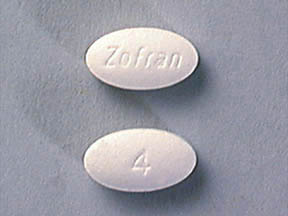
Zofran
Generic name: ondansetron (oral) [ on-DAN-se-tron ]
Other brand names of ondansetron (oral) include: Zofran, Zofran ODT, Zuplenz
Drug class: 5HT3 receptor antagonists
Medically reviewed by Drugs.com. Last updated on Aug 1, 2023.
The Zofran brand name has been discontinued in the U.S. If generic versions of this product have been approved by the FDA, there may be generic equivalents available.
What is Zofran?
Zofran blocks the actions of chemicals in the body that can trigger nausea and vomiting.
Zofran is used to prevent nausea and vomiting that may be caused by surgery, cancer chemotherapy, or radiation treatment.
Zofran may be used for purposes not listed in this medication guide.
Warnings
You should not use Zofran if you are also using apomorphine (Apokyn).
You should not use Zofran if you are allergic to ondansetron or to similar medicines such as dolasetron (Anzemet), granisetron (Kytril), or palonosetron (Aloxi).
Zofran orally disintegrating tablets may contain phenylalanine. Tell your doctor if you have phenylketonuria (PKU).
Serious side effects include blurred vision or temporary vision loss (lasting from only a few minutes to several hours), slow heart rate, trouble breathing, anxiety, agitation, shivering, feeling like you might pass out, and urinating less than usual or not at all. Stop taking Zofran and call your doctor at once if you have any of these side effects. Ondansetron may impair your thinking or reactions. Be careful if you drive or do anything that requires you to be alert.
Before taking this medicine
You should not use Zofran if:
-
you are also using apomorphine (Apokyn); or
-
you are allergic to ondansetron or similar medicines (dolasetron, granisetron, palonosetron).
To make sure Zofran is safe for you, tell your doctor if you have:
-
liver disease;
-
an electrolyte imbalance (such as low levels of potassium or magnesium in your blood);
-
congestive heart failure, slow heartbeats;
-
a personal or family history of long QT syndrome; or
-
a blockage in your digestive tract (stomach or intestines).
Zofran is not expected to harm an unborn baby. Tell your doctor if you are pregnant.
It is not known whether ondansetron passes into breast milk or if it could harm a nursing baby. Tell your doctor if you are breast-feeding a baby.
Ondansetron is not approved for use by anyone younger than 4 years old.
Zofran orally disintegrating tablets may contain phenylalanine. Tell your doctor if you have phenylketonuria (PKU).
How should I take Zofran?
Take Zofran exactly as prescribed by your doctor. Follow all directions on your prescription label. Do not take this medicine in larger or smaller amounts or for longer than recommended.
Zofran can be taken with or without food.
The first dose is usually taken before the start of your surgery, chemotherapy, or radiation treatment. Follow your doctor's dosing instructions very carefully.
Take the regular tablet with a full glass of water.
To take the orally disintegrating tablet (Zofran ODT):
-
Keep the tablet in its blister pack until you are ready to take it. Open the package and peel back the foil. Do not push a tablet through the foil or you may damage the tablet.
-
Use dry hands to remove the tablet and place it in your mouth.
-
Do not swallow the tablet whole. Allow it to dissolve in your mouth without chewing.
-
Swallow several times as the tablet dissolves.
Measure liquid medicine with the dosing syringe provided, or with a special dose-measuring spoon or medicine cup. If you do not have a dose-measuring device, ask your pharmacist for one.
Store at room temperature away from moisture, heat, and light. Store liquid medicine in an upright position.
What happens if I miss a dose?
Take the missed dose as soon as you remember. Skip the missed dose if it is almost time for your next scheduled dose. Do not take extra medicine to make up the missed dose.
What happens if I overdose?
Seek emergency medical attention or call the Poison Help line at 1-800-222-1222.
Overdose symptoms may include sudden loss of vision, severe constipation, feeling light-headed, or fainting.
What to avoid
Zofran may impair your thinking or reactions. Be careful if you drive or do anything that requires you to be alert.
Zofran side effects
Get emergency medical help if you have signs of an allergic reaction to Zofran: rash, hives; fever, chills, difficult breathing; swelling of your face, lips, tongue, or throat.
Call your doctor at once if you have:
-
severe constipation, stomach pain, or bloating;
-
headache with chest pain and severe dizziness, fainting, fast or pounding heartbeats;
-
fast or pounding heartbeats;
-
jaundice (yellowing of the skin or eyes);
-
blurred vision or temporary vision loss (lasting from only a few minutes to several hours);
-
high levels of serotonin in the body--agitation, hallucinations, fever, fast heart rate, overactive reflexes, nausea, vomiting, diarrhea, loss of coordination, fainting.
Common Zofran side effects may include:
-
diarrhea or constipation;
-
headache;
-
drowsiness; or
-
tired feeling.
This is not a complete list of side effects and others may occur. Call your doctor for medical advice about side effects. You may report side effects to FDA at 1-800-FDA-1088.
Related/similar drugs
What other drugs will affect Zofran?
Zofran can cause a serious heart problem, especially if you use certain medicines at the same time, including antibiotics, antidepressants, heart rhythm medicine, antipsychotic medicines, and medicines to treat cancer, malaria, HIV or AIDS. Tell your doctor about all medicines you use, and those you start or stop using during your treatment.
Taking ondansetron while you are using certain other medicines can cause high levels of serotonin to build up in your body, a condition called "serotonin syndrome," which can be fatal. Tell your doctor if you also use:
-
medicine to treat depression;
-
medicine to treat a psychiatric disorder;
-
a narcotic (opioid) medication; or
-
medicine to prevent nausea and vomiting.
This list is not complete and many other drugs can interact with ondansetron. This includes prescription and over-the-counter medicines, vitamins, and herbal products. Give a list of all your medicines to any healthcare provider who treats you.
Popular FAQ
Can you take ondansetron while pregnant?
Although ondansetron is not specifically approved by the FDA to treat nausea and vomiting during pregnancy (NVP), its use is common, and approximately 25% of pregnant women are prescribed ondansetron to treat NVP. Overall, studies show the use of ondansetron appears to be associated with an additional 3 instances of oral cleft defects (such as cleft lip or cleft palate) for every 10,000 women exposed to ondansetron during their first trimester. There may also be a very slight increased risk of a type of heart defect called a ventricular septal defect, but no apparent increased risk of other birth defects, miscarriage, or fetal death. Continue reading
How long before a meal should you take ondansetron?
If you are taking ondansetron for nausea that occurs with meals, then the standard tablet should be taken half an hour to 1 hour before meals, and the orally disintegrating tablet or oral soluble film can be taken 15 minutes before meals. However, if you are taking ondansetron for constant, all day nausea then it should be taken at regular intervals during the day as prescribed, with or without food.
How often can you take ondansetron?
You can take ondansetron more frequently initially, for example, if you are taking it to prevent or treat nausea of vomiting from chemotherapy you can take 4mg then follow up with another 4mg dose at 4 and 8 hours after the first dose. The following day you should only take it every 8 hours (3 times a day). If you continue taking ondansetron more frequently than this you are at higher risk of side effects such as constipation, headache, or heart effects.
Does ondansetron make you sleepy?
Yes, ondansetron (Zofran) might make you feel sleepy or tired. Ondansetron injection for the treatment of post-operative nausea and vomiting has been reported to cause drowsiness or sedation in 8% of patients vs. 7% of those using a placebo (an inactive treatment). Malaise (generally feeling unwell) and fatigue (tiredness or lack of energy) have also been reported in 13% of patients (vs. 2% placebo) when it is used orally for the prevention of chemotherapy-induced nausea and vomiting.
How long does ondansetron take to work?
Oral ondansetron works quickly, usually within 30 minutes, but it can take up to two hours for the full effect. It’s taken before you receive medicines or procedures that might make you feel nauseous or cause vomiting. Oral doses are usually taken 30 minutes before chemotherapy, 1 hour before surgery, or 1 to 2 hours before radiation treatments. You may need extra doses. Your doctor will tell you exactly when to take your medication.
Chemo side effects: What should I expect and how to cope?
Chemotherapy is a drug treatment used to kill fast-growing cancer cells in your body. While chemotherapy is an effective treatment for many types of cancer, it can also damage healthy cells that divide quickly, such as those in your hair follicles, digestive tract, and bone marrow. This widespread effect on healthy tissue is what causes the various side effects associated with chemotherapy treatment.
Continue readingMore about Zofran (ondansetron)
- Check interactions
- Compare alternatives
- Reviews (273)
- Drug images
- Side effects
- Dosage information
- Patient tips
- During pregnancy
- Generic availability
- Support group
- Drug class: 5HT3 receptor antagonists
- Breastfeeding
Patient resources
Other brands
Professional resources
Other brands
Related treatment guides
Further information
Remember, keep this and all other medicines out of the reach of children, never share your medicines with others, and use this medicine only for the indication prescribed.
Always consult your healthcare provider to ensure the information displayed on this page applies to your personal circumstances.
Copyright 1996-2025 Cerner Multum, Inc. Version: 15.01.