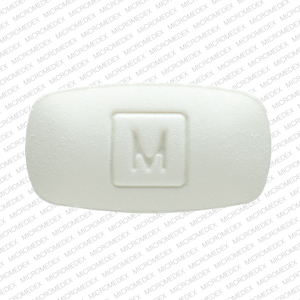
Methadone
Generic name: methadone (oral/injection) [ METH-a-done ]
Brand names: Dolophine, Methadose, Methadose Sugar-Free, Diskets
Dosage forms: injectable solution, intravenous solution, oral concentrate, oral solution, oral tablet, oral tablet, dispersible.
Drug class: Opioids (narcotic analgesics)
What is methadone?
Methadone is a long-acting opioid medication that is used to reduce withdrawal symptoms in people addicted to heroin or other narcotic drugs, and it can also used as a pain reliever. When methadone is used for Opioid Use Disorder (OUD) it reduces withdrawal symptoms and drug cravings, but does not cause the "high" associated with the drug addiction. Methadone is highly regulated medication (Schedule 2 Controlled Substances Act) and when used for OUD is only available through approved opioid treatment programs (OTP) that involves regular monitoring, counseling, and drug testing to make sure that patients are making progress in their recovery.
When methadone is used for pain it should only be used for pain that is severe enough to require daily, around-the-clock, long-term opioid treatment when no other treatment options have helped adequately. This medicine is not for use on an as-needed basis for pain.
Methadone works by activating the opioid receptors in the brain and nervous system, it is usually taken orally as a liquid or tablet.
Warnings
You should not use this medicine if you have severe asthma or breathing problems, or a blockage in your stomach or intestines.
MISUSE OF METHADONE CAN CAUSE ADDICTION, OVERDOSE, OR DEATH, especially in a child or other person using the medicine without a prescription. Keep the medication in a place where others cannot get to it.
Taking opioid medicine during pregnancy may cause life-threatening withdrawal symptoms in the newborn. See below for more information on using this medicine in pregnancy.
Fatal side effects can occur if you use opioid medicine with alcohol, or with other drugs that cause drowsiness or slow your breathing.
Methadone may cause a life-threatening heart rhythm disorder. Call your doctor at once if you have a headache with chest pain and severe dizziness, and fast or pounding heartbeats. Your heart function may need to be checked during treatment.
Before taking this medicine
You should not use this medicine if you are allergic to it, or if you have:
-
severe asthma or breathing problems; or
-
a blockage in your stomach or intestines.
This medicine may cause a life-threatening heart rhythm disorder. Your heart function may need to be checked during treatment.
To make sure methadone is safe for you, tell your doctor if you have ever had:
-
heart problems, long QT syndrome (in you or a family member);
-
breathing problems, sleep apnea;
-
a head injury, brain tumor, or seizures;
-
drug or alcohol addiction, or mental illness;
-
liver or kidney disease;
-
urination problems; or
-
problems with your gallbladder, pancreas, or thyroid.
Pregnancy
Talk to your doctor before using opioid medicine if you are pregnant or planning a pregnancy. If you use opioid medicine during pregnancy, your baby could be born with life-threatening withdrawal symptoms, called neonatal opioid withdrawal syndrome (NOWS) which is treatable and your baby may need medical treatment for several weeks.
Breastfeeding
Ask a doctor before using opioid medicine if you are breastfeeding. This medicine passes into breast milk and may harm your baby. Tell your doctor immediately if you notice increased sleepiness (more than usual), difficulty breastfeeding, breathing difficulties, or limpness in the nursing baby. Talk to your baby's doctor when you decide to wean your baby. It is important to wean your baby gradually so that your baby does not develop withdrawal symptoms when he or she stops receiving methadone in breastmilk.
How should I use methadone?
Use this medicine exactly as prescribed by your doctor. Follow the directions on your prescription label and read all medication guides or instruction sheets. Never use this medicine in larger amounts, or for longer than prescribed. Tell your doctor if you feel an increased urge to use more of this medicine.
Never share opioid medicine with another person, especially someone with a history of drug addiction. MISUSE CAN CAUSE ADDICTION, OVERDOSE, OR DEATH. Keep the medicine where others cannot get to it. Selling or giving away this medicine is against the law.
Methadone instructions:
- Methadone oral is taken by mouth. The injection is given as an intravenous, intramuscular or subcutaneous injection.
- Measure liquid medicine with the supplied measuring device (not a kitchen spoon).
- Dissolve the dispersible tablet in water, orange juice, or other citrus-flavored non-alcoholic beverage. Stir and drink this mixture right away.
- Take this medicine regularly with or without food
- Never crush a pill to inhale the powder or inject it into your vein. This could result in death.
- You should not stop using this medicine suddenly. Ask your doctor before stopping the medicine.
Do not keep leftover medicine. Just one dose can cause death in someone using it accidentally or improperly. Ask your pharmacist about a drug take-back program, or flush the unused medicine down the toilet.
What happens if I miss a dose?
If you take methadone for pain: Take the missed dose as soon as you remember, then take your next dose 8 to 12 hours later.
If you take methadone for drug addiction: Take your missed dose the next day at the regular time. If you miss your doses for longer than 3 days in a row, call your doctor for instructions. You may need to restart your dosing schedule at a lower dose.
Do not take two doses at one time.
What happens if I overdose?
Seek emergency medical attention or call the Poison Help line at 1-800-222-1222. An overdose can be fatal, especially in a child or person using opioid medicine without a prescription. Overdose symptoms may include severe drowsiness, pinpoint pupils, slow breathing, or no breathing.
Your doctor may recommend you get naloxone (a medicine to reverse an opioid overdose) and keep it with you at all times. A person caring for you can give the naloxone if you stop breathing or don't wake up. Your caregiver must still get emergency medical help and may need to perform CPR (cardiopulmonary resuscitation) on you while waiting for help to arrive.
Anyone can buy naloxone from a pharmacy or local health department. Make sure any person caring for you knows where you keep naloxone and how to use it.
What should I avoid while using methadone?
Do not drink alcohol. Dangerous side effects or death could occur.
Avoid driving or hazardous activity until you know how this medicine will affect you. Dizziness or drowsiness can cause falls, accidents, or severe injuries.
Grapefruit may interact with this medicine and cause side effects. Avoid consuming grapefruit products.
There are many dangerous drug interactions with methadone. Tell your prescribing doctor about all medications that you take. See “What other drugs will affect methadone?” section below.
Methadone side effects
Get emergency medical help if you have signs of an allergic reaction to methadone: hives; difficult breathing; swelling of your face, lips, tongue, or throat.
Opioid medicine can slow or stop your breathing, and death may occur. A person caring for you should give naloxone and/or seek emergency medical attention if you have slow breathing with long pauses, blue colored lips, or if you are hard to wake up.
Serious methadone side effects.
Call your doctor at once if you have:
-
weak or shallow breathing, breathing that stops during sleep;
-
severe constipation;
-
a light-headed feeling, like you might pass out;
-
fast or pounding heartbeats, fluttering in your chest, shortness of breath;
-
low cortisol levels - nausea, vomiting, loss of appetite, dizziness, worsening tiredness or weakness; or
-
serotonin syndrome - agitation, hallucinations, fever, fast heart rate, muscle stiffness, twitching, loss of coordination, nausea, diarrhea.
Serious breathing problems may be more likely in older adults and people who are debilitated or have wasting syndrome or chronic breathing disorders.
Common methadone side effects may include:
-
dizziness, drowsiness;
-
nausea, vomiting;
-
increased sweating; or
-
pain, redness, or swelling where the medicine was injected.
This is not a complete list of side effects and others may occur. Call your doctor for medical advice about side effects. You may report side effects to FDA at 1-800-FDA-1088.
Related/similar drugs
What other drugs will affect methadone?
You may have a fatal methadone overdose if you start or stop using certain other medicines. Tell your doctor about all your medications.
Many other drugs can be dangerous when used with opioid medicine. Tell your doctor if you also use:
-
medicine for allergies, asthma, blood pressure, motion sickness, irritable bowel, or overactive bladder;
-
other opioid medicines;
-
sleep medicine, muscle relaxers, or other drugs that make you drowsy; or
-
drugs that affect serotonin, such as antidepressants, stimulants, or medicine for migraines or Parkinson's disease.
This list is not complete. Many drugs may affect methadone, including prescription and over-the-counter medicines, vitamins, and herbal products. Not all possible interactions are listed here.
Storage
Store at room temperature, away from moisture, heat, and light. Keep your medicine in a place where no one can use it improperly.
Popular FAQ
Which drugs cause opioid-induced constipation?
Any drug that is classified as an "opioid" can cause constipation. Examples of commonly prescribed opioids that may cause this side effect include morphine, tramadol, fentanyl, methadone, hydrocodone, codeine and oxycodone.
Continue readingWhat drugs cause pinpoint pupils?
Pinpoint pupils, medically termed miosis, refer to abnormally small, constricted pupils that do not dilate appropriately in low light. This symptom can be caused by opioids, clonidine, buspirone, metoclopramide, and other medications.
Continue readingHow long does opioid withdrawal last?
How long opioid withdrawal lasts depends on the opioid you have been taking and whether it is a short-acting or long acting opioid.
If you have been using a short-acting opioid, acute opioid withdrawal lasts 4 to 10 days, with withdrawal symptoms starting 8 to 24 hours after last use.
If you have been using a long-acting opioid, acute opioid withdrawal lasts 10 to 20 days, with withdrawal symptoms starting 12 to 48 hours after last use. Continue reading
How can I get emergency methadone?
If you are experiencing a medical emergency due to opioid withdrawal, you should call 911 right away. You may need to be transported to a hospital for treatment. If appropriate, emergency methadone or other treatment can be administered as determined by a healthcare provider for acute withdrawal. Continue reading
Suboxone vs methadone: What’s the difference?
Suboxone (buprenorphine and naloxone) and methadone are different medicines but are both used to help people fight opioid addiction (also called opioid use disorder, or OUD). Your first treatment after a medically-supervised opioid withdrawal (detox) is often started with either buprenorphine and naloxone or methadone. Continue reading
More FAQ
- How long does methadone withdrawal last?
- Does methadone show up on a drug test?
- Is methadone an opiate blocker?
- What is a methadone clinic / are they free?
More about methadone
- Check interactions
- Compare alternatives
- Pricing & coupons
- Reviews (608)
- Drug images
- Latest FDA alerts (6)
- Side effects
- Dosage information
- Patient tips
- During pregnancy
- Support group
- Drug class: Opioids (narcotic analgesics)
- Breastfeeding
- En español
Patient resources
Other brands
Dolophine, Methadose, Methadone Diskets
Professional resources
- Methadone monograph
- Methadone (FDA)
- Methadone Injection (FDA)
- Methadone Oral Concentrate (FDA)
- Methadone Powder (FDA)
- Methadone Solution (FDA)
Other brands
Related treatment guides
Further information
Remember, keep this and all other medicines out of the reach of children, never share your medicines with others, and use methadone only for the indication prescribed.
Always consult your healthcare provider to ensure the information displayed on this page applies to your personal circumstances.
Copyright 1996-2025 Cerner Multum, Inc. Version: 108.01.