
Allergies
Medically reviewed by Drugs.com. Last updated on Jun 30, 2025.
What are allergies?
Allergies are an immune system reaction to a substance called an allergen. Your immune system sees the allergen as harmful and attacks it.
What causes allergies?
You may have allergies at certain times of the year or all year. The following are common allergies:
- Seasonal airborne allergies happen during certain times of the year. This is also called hay fever. Tree, weed, or grass pollen are examples of allergens that you breathe in.
- Environmental airborne allergy triggers you may breathe in year-round include dust, mold, and pet hair.
- Contact allergies include latex, found in items such as condoms and medical gloves. Latex allergies can be very serious.
- Insect sting allergies may be caused by bees, hornets, fire ants, or other insects that sting or bite you. Insect allergies can be very serious.
- Food allergies commonly include shellfish, wheat, and eggs. Some foods must be eaten to produce an allergic reaction. Other foods can trigger a reaction if they touch your skin or are breathed in.
What increases my risk for allergies?
Allergic reactions can happen at any time, even if you have not had allergies before. You may develop an allergy after you have been exposed to an allergen more than once. Allergies are most common in children and elderly people, but anyone can have an allergic reaction. Your risk is also increased if you have a family history of allergies or a medical condition such as asthma.
What are the signs and symptoms of allergies?
- Mild symptoms include sneezing and a runny, itchy, or stuffy nose. You may also have swollen, watery, or itchy eyes, or skin itching. You may have swelling or pain where an insect bit or stung you.
- Anaphylaxis symptoms include trouble breathing or swallowing, a rash or hives, or severe swelling. You may also have a cough, wheezing, or feel lightheaded or dizzy. Anaphylaxis is a sudden, life-threatening reaction that needs immediate treatment.
How are allergies diagnosed?
Your healthcare provider will ask about your signs and symptoms. The provider will ask which allergens you have been exposed to and if you have ever had other allergic reactions. The provider may look in your nose, ears, or throat. You may need additional testing if you developed anaphylaxis after you were exposed to a trigger and then exercised. This is called exercise-induced anaphylaxis. You may also need the following tests:
- Blood tests are used to check for signs of a reaction to allergens.
- Nasal tests are used to see how your nasal passages react to allergens. A sample of your nasal fluid may also be tested.
- Skin tests can help your healthcare provider find what you are allergic to. A small amount of allergen will be placed on your arm or back. Your skin will then be pricked with a needle. Your provider will watch how your skin reacts to the allergen.
How are allergies treated?
- Antihistamines help decrease itching, sneezing, and swelling. You may take them as a pill or use drops in your nose or eyes.
- Decongestants help your nose feel less stuffy.
- Steroids decrease swelling and redness.
- Topical treatments help decrease itching or swelling. You also may be given nasal sprays or eyedrops.
- Epinephrine is medicine used to treat severe allergic reactions such as anaphylaxis.
- Desensitization gets your body used to allergens you cannot avoid. Your healthcare provider will give you a shot that contains a small amount of an allergen. Any allergic reaction you have will be treated. Your provider will give you more of the allergen a little at a time until your body gets used to it. Your reaction to the allergen may be less serious after this treatment. Your provider will tell you how long to get the shots.
Treatment options
The following list of medications are related to or used in the treatment of this condition.
What steps do I need to take for signs or symptoms of anaphylaxis?
- Immediately give 1 shot of epinephrine only into the outer thigh muscle.
- Leave the shot in place as directed. Your healthcare provider may recommend you leave it in place for up to 10 seconds before you remove it. This helps make sure all of the epinephrine is delivered.
- Call 911 and go to the emergency department, even if the shot improved symptoms. Do not drive yourself. Bring the used epinephrine shot with you.
What safety precautions do I need to take if I am at risk for anaphylaxis?
- Keep 2 shots of epinephrine with you at all times. You may need a second shot, because epinephrine only works for about 20 minutes and symptoms may return. Your healthcare provider can show you and family members how to give the shot. Check the expiration date every month and replace it before it expires.
- Create an action plan. Your healthcare provider can help you create a written plan that explains the allergy and an emergency plan to treat a reaction. The plan explains when to give a second epinephrine shot if symptoms return or do not improve after the first. Give copies of the action plan and emergency instructions to family members and work staff. Show them how to give a shot of epinephrine.
- Be careful when you exercise. If you have had exercise-induced anaphylaxis, do not exercise right after you eat. Stop exercising right away if you start to develop any signs or symptoms of anaphylaxis. You may first feel tired, warm, or have itchy skin. Hives, swelling, and severe breathing problems may develop if you continue to exercise.
- Carry medical alert identification. Wear medical alert jewelry or carry a card that explains the allergy. Ask your healthcare provider where to get these items.
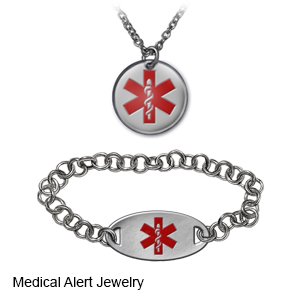
- Inform all healthcare providers of the allergy. This includes dentists, nurses, doctors, and surgeons.
How can I manage allergies?
- Use nasal rinses as directed. Rinse with a saline solution daily. This will help clear allergens out of your nose. Use distilled water if possible. You can also boil tap water and let it cool before you use it. Do not use tap water that has not been boiled.
- Do not smoke. Allergy symptoms may decrease if you are not around smoke. Nicotine and other chemicals in cigarettes and cigars can cause lung damage. Ask your healthcare provider for information if you currently smoke and need help to quit. E-cigarettes or smokeless tobacco still contain nicotine. Talk to your healthcare provider before you use these products.
How can I prevent an allergic reaction?
- Do not go outside when pollen counts are high if you have seasonal allergies. Your symptoms may be better if you go outside only in the morning or evening. Use your air conditioner, and change air filters often.
- Avoid dust, fur, and mold. Dust and vacuum your home often. You may want to wear a mask when you vacuum. Keep pets in certain rooms, and bathe them often. Use a dehumidifier (machine that decreases moisture) to help prevent mold.
- Do not use products that contain latex if you have a latex allergy. Use nonlatex gloves if you work in healthcare or in food preparation. Always tell healthcare providers about a latex allergy.
- Avoid areas that attract insects if you have an insect bite or sting allergy. Areas include trash cans, gardens, and picnics. Do not wear bright clothing or strong scents when you will be outside.
- Prevent an allergic reaction caused by food. You may have a reaction if your food is not prepared safely. For example, you could be served food that touched your trigger food during preparation. This is called cross-contamination. Kitchen tools can also cause cross-contamination. You may also eat baked foods that contain a trigger food you do not know about. Ask if the food contains your trigger food before you handle or eat it.
Related medications
Xyzal
Xyzal (levocetirizine) is used to treat cold or allergy symptoms such as sneezing and runny nose ...
Elidel
Elidel cream is used on the skin to treat mild to moderate eczema (atopic dermatitis). Learn about ...
Dupixent
Dupixent is used to treat eczema, eosinophilic or oral-corticosteroid-dependent asthma, chronic ...
Mometasone topical
Mometasone topical is used for allergies, atopic dermatitis, dermatitis, eczema, psoriasis
Clobetasol topical
Clobetasol is available as a cream, gel, ointment, lotion, solution, foam or spray and is used to ...
Famotidine
Famotidine is used to treat and prevent ulcers in the stomach and intestines. Learn about side ...
Levocetirizine
Levocetirizine is an antihistamine that may be used to reduce allergy symptoms such as red, itchy ...
Loratadine
Loratadine is a non-drowsy antihistamine used to relieve allergy symptoms like sneezing, runny ...
Zyrtec
Zyrtec (cetirizine) is used to treat allergy symptoms such as sneezing, itching, watery eyes, or ...
Hydrocortisone topical
Hydrocortisone cream is used to treat eczema, dermatitis, psoriasis, hemorrhoids, insect bites or ...
Call 911 for signs or symptoms of anaphylaxis,
such as trouble breathing, swelling in your mouth or throat, or wheezing. You may also have itching, a rash, hives, or feel like you are going to faint.
When should I seek immediate care?
- You have tingling in your hands or feet.
- Your skin is red or flushed.
When should I contact my healthcare provider?
- You have questions or concerns about your condition or care.
Care Agreement
You have the right to help plan your care. Learn about your health condition and how it may be treated. Discuss treatment options with your healthcare providers to decide what care you want to receive. You always have the right to refuse treatment. The above information is an educational aid only. It is not intended as medical advice for individual conditions or treatments. Talk to your doctor, nurse or pharmacist before following any medical regimen to see if it is safe and effective for you.© Copyright Merative 2025 Information is for End User's use only and may not be sold, redistributed or otherwise used for commercial purposes.
Learn more about Allergies
- Allergies, Cough/Cold Medications and Alcohol Interactions
- Benadryl Dosage Charts for Infants and Children
- Claritin Dosage Charts for Infants and Children
- EpiPen Costs and Alternatives: What Are Your Best Options?
- Low Salicylate Diet
- Zyrtec Dosage Charts for Infants and Children
Treatment options
- Medications for Allergic Urticaria
- Medications for Allergies
- Medications for Eczema
- Medications for Malabsorption Syndrome
Care guides
Symptoms and treatments
Medicine.com guides (external)
Further information
Always consult your healthcare provider to ensure the information displayed on this page applies to your personal circumstances.