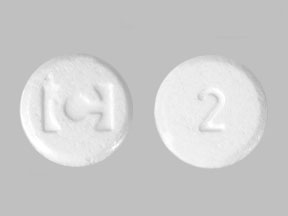
Fentanyl
Generic name: fentanyl
Brand names: Actiq, Lazanda, Fentora, Subsys
Dosage form: injection, nasal spray, transdermal patch, sublingual tablet, sublingual spray, transmucosal lozenge (lollipop)
Drug class: Opioids (narcotic analgesics)
What is fentanyl?
Fentanyl is a prescription opioid used to treat moderate to severe pain, but it can be misused, abused, and cause overdose deaths when obtained illegally. Fentanyl is a synthetic opioid medicine that is up to 100 times stronger than other opioids like morphine, heroin, or oxycodone. Fentanyl is from the class of medicines called narcotic analgesics.
Fentanyl patches are used for long-lasting pain relief, and for fast-acting pain relief, fentanyl nasal sprays, lollipops, injections, sublingual tablets, and sprays are used.
Fentanyl is a prescription medicine that is classified as Schedule 2 under the Controlled Substances Act (CSA).
Fentanyl overdose and abuse
Although fentanyl is a legal prescription drug used for pain control during surgery and for chronic or breakthrough pain, it is also being manufactured illegally, or legal prescriptions are diverted, and fentanyl is misused and abused as it is sold for its euphoric effects.
- Street drugs like heroin, cocaine, and methamphetamine can also be laced with fentanyl, as well as counterfeit drugs, including hydrocodone tablets or Xanax.
- Users may not realize the street drug they are buying from a dealer contains this potentially lethal compound.
- Fentanyl test strips can be used to test if drugs have been laced with fentanyl.
- Fentanyl is extremely potent, which means just 2 to 3 milligrams of this drug can lead to death due to respiratory depression (decreased breathing), which can quickly lead to coma and death.
- In 2021 there were 71,238 fentanyl overdose deaths in the United States.
Fentanyl overdose symptoms
Fentanyl overdose symptoms may include extreme drowsiness, weak pulse, fainting, and slow breathing (breathing may stop). Seek emergency medical attention immediately or call the Poison Help line at 1-800-222-1222. A fentanyl overdose can be fatal, especially in a child or other person using the medicine without a prescription.
Naloxone (Narcan) for fentanyl overdose
Naloxone (Narcan nasal spray, Kloxxado nasal spray, Zimhi injection, Naloxone injection) is a safe and easily accessible medication used to reverse an opioid overdose and help restore breathing by blocking or reversing the opioid effects.
If an overdose is due to fentanyl, then multiple bolus injections of naloxone or even continuous infusions may be needed to reverse the opioid action. Learn how to use naloxone before it is needed.
- If you believe someone has overdosed, administer naloxone and then immediately call emergency personnel, such as 911.
- Naloxone can be life-saving for patients who overdose on narcotics, although in patients dependent upon opioids, it can also cause a severe withdrawal effect.
- If symptoms return, give another dose of naloxone in 2 to 3 minutes. Larger or repeat naloxone doses may be required until emergency responders arrive.
Fentanyl side effects
Common fentanyl side effects
When used as a prescribed medicine, common fentanyl side effects may include:
- headache, dizziness, drowsiness, pale skin, feeling weak or tired
- constipation, nausea, vomiting, stomach pain or
- sleep problems (insomnia)
- swelling in your hands or feet
- increased sweating or cold feeling
- for patches itching, redness, or rash where a patch was worn.
Serious fentanyl side effects
Get emergency medical help if you have signs of an allergic reaction to fentanyl: hives, difficulty breathing, swelling of your face, lips, tongue, or throat.
Like other narcotic medicines, fentanyl can slow your breathing. Death may occur if breathing becomes too weak. A person caring for you should seek emergency medical attention if you have slow breathing with long pauses, blue-colored lips, or if you are hard to wake up.
Fentanyl may cause other serious side effects. Call your doctor at once if you have:
- slow heart rate, sighing, shallow breathing, breathing that stops during sleep;
- severe drowsiness, feeling like you might pass out;
- confusion, extreme fear, unusual thoughts or behavior; or
- low cortisol levels - nausea, vomiting, loss of appetite, dizziness, worsening tiredness or weakness.
Seek medical attention immediately if you have symptoms of serotonin syndrome, such as agitation, hallucinations, fever, sweating, shivering, fast heart rate, muscle stiffness, twitching, loss of coordination, nausea, vomiting, or diarrhea.
Serious side effects may be more likely in older adults and those who are malnourished or debilitated.
Long-term use of opioid medication may affect fertility (ability to have children) in men or women. It is not known whether opioid effects on fertility are permanent.
This is not a complete list of side effects, and others may occur. Call your doctor for medical advice about side effects. You may report side effects to the FDA at 1-800-FDA-1088.
Related/similar drugs
Warnings
Fentanyl can slow or stop your breathing and may be habit-forming. MISUSE OF NARCOTIC MEDICINE CAN CAUSE ADDICTION, OVERDOSE, OR DEATH, especially in a child or other person using the medicine without a prescription.
Using this medicine during pregnancy may cause life-threatening withdrawal symptoms in the newborn.
Fatal side effects can occur if you use this medicine with alcohol, or with other drugs that cause drowsiness or slow your breathing.
Before taking this medicine
You should not use fentanyl unless you are already being treated with a similar opioid pain medicine and your body is tolerant to it. Talk with your doctor if you are not sure you are opioid-tolerant.
You should only use or take fentanyl if you have your own personal prescription for this medicine. You should not use fentanyl if you are allergic to it or if you have:
- severe asthma or other breathing problems; or
- a stomach or bowel obstruction (including paralytic ileus).
To make sure fentanyl is safe for you, tell your doctor if you have ever had:
- breathing problems, sleep apnea;
- a head injury, brain tumor, or mental illness;
- alcoholism or drug addiction;
- urination problems;
- a seizure disorder;
- liver or kidney disease; or
- problems with your gallbladder, pancreas, or thyroid.
If you are using fentanyl patches, tell your doctor if you have been sick with a fever. Having a high temperature can increase the amount of drug you absorb through your skin.
Do not change to another form of fentanyl eg injection, skin patch, dissolving film, or "lollipop" device. If you switch from another form of fentanyl, you will not use the same dose.
Pregnancy
If you use opioid medicine while you are pregnant, your baby could become dependent on the drug. This can cause life-threatening withdrawal symptoms in the baby after it is born. Babies born dependent on opioids may need medical treatment for several weeks.
Breastfeeding
Do not breastfeed while you are using fentanyl.
Fentanyl products
Long acting fentanyl:
Immediate acting fentanyl:
- fentanyl lozenge on a plastic handle - lollipop (Actiq)
- fentanyl nasal spray (Lazanda)
- fentanyl sublingual tablet (Fentora)
- fentanyl sublingual spray (Subsys)
- fentanyl injection
What is a fentanyl patch?
Fentanyl patches are applied to the skin to treat moderate to severe chronic pain around the clock. Fentanyl patches are used when other pain treatments, such as non-opioid pain medicines or immediate-release opioid medicines, do not treat your pain well enough or you cannot tolerate them.
Fentanyl patches are not for treating mild or occasional pain or pain from surgery. The patches are only used to treat constant around-the-clock pain.
One patch is applied to the skin and left on for 72 hours, then you remove the patch and apply a new patch straight away.
Discontinue all other extended-release opioids when beginning therapy.
Due to the risk of respiratory depression, the transdermal patch is for use in opioid-tolerant patients only; opioid-tolerant patients have been taking at least: morphine 60 mg daily, oral oxycodone 30 mg daily, oral hydromorphone 8 mg daily, or an equianalgesic dose of another opioid for one week or longer.
Comments
- Do not begin a patient on a fentanyl transdermal patch as their first opioid.
- A small number of patients may require a 48-hour dosing interval; an increase in dose should be evaluated before changing dosing intervals.
What is a fentanyl sublingual spray?
Fentanyl sublingual spray (brand name: Subsys) is used to treat breakthrough cancer pain that is not controlled by other medicines. Fentanyl sublingual spray is sprayed under the tongue when required for pain. Hold the liquid under the tongue for 30 to 60 seconds. Do not spit, swallow, or rinse your mouth during this time.
Fentanyl sublingual spray should be used together with other non-fentanyl narcotic pain medicines that are used around the clock.
What are fentanyl buccal tablets?
Fentanyl buccal tablets (brand name: Fentora) are used to treat short episodes of "breakthrough" cancer pain that is not controlled by other medicines. The sublingual tablets are used in the mouth but not swallowed whole, instead the tablet is placed inside the mouth between the cheek and gum (buccal) or on the floor of your mouth under your tongue (sublingual) then allowed to dissolve.
Wait 30 minutes after using this medicine. If there is any of the tablet left in your mouth, you may drink a glass of water to help you swallow the leftover medicine.
Do not crush, split, suck, or chew fentanyl tablets, or swallow the tablets whole. You will get less relief for your breakthrough cancer pain.
It is important for you to keep taking your around-the-clock opioid pain medicine while using Fentora.
What are fentanyl ‘lollipops’ or lozenges?
Fentanyl lozenges (brand name: Actiq) are a lozenge containing fentanyl citrate that is attached to a plastic handle (lollipop), they are used to treat breakthrough cancer pain. They can be used by cancer patients 16 years of age and older who are already receiving and who are tolerant to around-the-clock opioid pain medicine for their background cancer pain.
Place the medicine in your mouth between your cheek and gum, and hold the handle with your fingers. Twirl the handle to move the medicine around in your mouth while sucking on it.
If you switch from using lozenge to using other forms of fentanyl, you will need to use a different dose. Many forms of fentanyl are given at lower doses than the lozenges. If you use the same dose of each medication, you may have life-threatening overdose symptoms.
What is fentanyl nasal spray?
Fentanyl nasal spray (brand name: Lazanda) is a nasal spray that contains fentanyl and is used to treat "breakthrough" pain for cancer patients.
The usual starting dose of fentanyl nasal spray (brand name: Lazanda) is 1 single spray into 1 nostril. Your doctor may change your dose. Follow all directions on your prescription label. Fentanyl can slow or stop your breathing. Never use fentanyl nasal spray in larger amounts, or for longer than prescribed. Tell your doctor if the medicine seems to stop working as well in relieving your pain.
Patients should also be using around the clock non-fentanyl narcotic pain medicine.
If you switch to fentanyl nasal spray from another form of fentanyl, you will not use the same dose. You must start with the lowest dose (100 micrograms).
What are fentanyl injections used for?
Fentanyl injections are used in a hospital setting as an analgesic or anesthetic premedication for surgery.
General fentanyl dosing information
- Do not use fentanyl unless you are already being treated with a similar opioid pain medicine and your body is tolerant to it. Talk with your doctor if you are not sure you are opioid-tolerant.
- Take fentanyl exactly as prescribed by your healthcare provider. Follow the directions on your prescription label and read all medication guides. Never use fentanyl in larger amounts, or for longer than prescribed. Tell your doctor if you feel an increased urge to use more fentanyl.
- Never share opioid medicine with another person, especially someone with a history of drug abuse or addiction. MISUSE CAN CAUSE ADDICTION, OVERDOSE, OR DEATH. Keep the medication in a place where others cannot get to it. Selling or giving away opioid medicine is against the law.
- Do not replace one form of fentanyl with any other form of fentanyl, such as injection, skin patch, nasal spray, under-the-tongue spray, sublingual tablet, or "lollipop" device).
- Store fentanyl in its original packaging at room temperature.
- Keep fentanyl out of the reach of children or pets. A small amount of fentanyl can be fatal to a child or pet who accidentally ingests or absorbs it. Seek emergency medical attention if this happens.
- Do not keep leftover opioid medication. Just one dose can cause death if someone uses this medicine accidentally or improperly. Ask your pharmacist where to locate a drug take-back disposal program. If there is no take-back program, dispose of any unused skin patches in the same folded manner. Do not flush the fentanyl patch foil pouch or patch liners; place them in a trash container out of the reach of children and pets. For sublingual tablets, sublingual sprays, nasal sprays, and lozenges, carefully follow disposal instructions when this medicine is no longer needed.
What happens if I miss a dose?
For fentanyl patches if you are using the skin patches on a schedule, apply the missed patch as soon as you remember. Continue wearing the patch for up to 72 hours and then apply a new one if needed for pain. Do not wear extra patches to make up a missed dose.
For fentanyl lollipops, nasal spray, sublingual tablets or spray since they are used for acute pain, you are not likely to miss a dose of this medicine. Skip any missed dose if it is almost time for your next scheduled dose. Do not use extra medicine to make up the missed dose.
What happens if I overdose?
Seek emergency medical attention or call the Poison Help line at 1-800-222-1222. A fentanyl overdose can be fatal, especially in a child or other person using the medicine without a prescription. Overdose symptoms may include extreme drowsiness, weak pulse, fainting, and slow breathing (breathing may stop).
What should I avoid while using fentanyl?
Do not drink alcohol. Dangerous side effects or death could occur.
Fentanyl may impair your thinking or reactions. Avoid driving or operating machinery until you know how this medicine will affect you. Dizziness or severe drowsiness can cause falls or other accidents.
Grapefruit and grapefruit juice may interact with fentanyl and lead to unwanted side effects. Discuss the use of grapefruit products with your doctor.
What other drugs will affect fentanyl?
You may have breathing problems or withdrawal symptoms if you start or stop taking certain other medicines. Tell your doctor if you also use an antibiotic, antifungal medication, heart or blood pressure medication, seizure medication, or medicine to treat HIV or hepatitis C.
Fentanyl can interact with many other drugs and cause dangerous side effects or death. Be sure your doctor knows if you also use:
- other narcotic medications - opioid pain medicine or prescription cough medicine;
- a sedative like Valium - diazepam, alprazolam, lorazepam, Ativan, Klonopin, Restoril, Tranxene, Versed, Xanax, and others;
- drugs that make you sleepy or slow your breathing - a sleeping pill, muscle relaxer, tranquilizer, antidepressant, or antipsychotic medicine;
- cold or allergy medicines, bronchodilator asthma/COPD medication, or a diuretic ("water pill");
- medicines for motion sickness, irritable bowel syndrome, or overactive bladder;
- drugs that affect serotonin levels in your body - medicine for depression, Parkinson's disease, migraine headaches, serious infections, or prevention of nausea and vomiting.
This list is not complete. Other drugs may interact with fentanyl, including prescription and over-the-counter medicines, vitamins, and herbal products. Not all possible interactions are listed in this medication guide.
What are the ingredients in fentanyl?
Active ingredient: fentanyl citrate
Inactive ingredients:
Fentanyl Transdermal System (patch) Teva: isopropyl myristate, octyldodecanol, polybutene, and polyisobutene adhesive.
Fentora buccal tablets: mannitol, sodium starch glycolate type A potato, sodium bicarbonate, sodium carbonate, anhydrous citric acid, magnesium stearate.
Subsys sublingual spray: dehydrated alcohol 63.6% (V/V), purified water, propylene glycol, xylitol, and L-menthol
Lazanda nasal spray: mannitol, pectin, phenylethyl alcohol, propylparaben, sucrose, water. Sodium hydroxide and/or hydrochloric acid are added if required for pH adjustment.
Actiq lozenge: sugar, citric acid, dibasic sodium phosphate, artificial berry flavor, magnesium stearate, modified food starch and confectioner’s sugar.
Popular FAQ
Which drugs cause opioid-induced constipation?
Any drug that is classified as an "opioid" can cause constipation. Examples of commonly prescribed opioids that may cause this side effect include morphine, tramadol, fentanyl, methadone, hydrocodone, codeine and oxycodone.
Continue readingWhat drugs cause pinpoint pupils?
Pinpoint pupils, medically termed miosis, refer to abnormally small, constricted pupils that do not dilate appropriately in low light. This symptom is a significant clinical clue and can be caused by various drugs and toxins. Some examples include opioids, clonidine, buspirone, and metoclopramide.
Continue readingHow long does Fentanyl stay in your system?
Traces of fentanyl can stay in your system for a lot longer than it takes for the effects of fentanyl to wear off. Drug testing can detect fentanyl or its metabolites (breakdown products) in urine for 24 to 72 hours, in blood for 5 to 48 hours, and in hair for up to 3 months, but it cannot be consistently detected in saliva. Continue reading
Carfentanil vs Fentanyl: Which is more dangerous?
Both illicit fentanyl and carfentanil are extremely dangerous opioids that may lead to a quick overdose and death when abused, but carfentanil is more potent than fentanyl. Multiple doses of the anti-overdose drug naloxone (Narcan) may not be effective to reverse an overdose. Continue reading
Why is fentanyl so dangerous?
When illegally used fentanyl is abused or taken in an overdose, this opioid can quickly be fatal because it is so potent and people are not used to its effects. Fentanyl is often laced into street drugs and consumed unknowingly by users, leading to death. Also, when it's used in combination with other central nervous system depressants like opioids, alcohol or benzodiazepines, the risk of overdose and death multiplies. Continue reading
Fentanyl test strips: where to get & how to use?
Fentanyl test strips can be found at your local health department, at a community needle-exchange program, from reliable online sources, or even vending machines in some states. Once the strip is dipped into a sample of the drug (usually dissolved in a small amount of water), the results indicate if fentanyl is present. Follow the instructions for use on your specific test strips. Continue reading
What are the symptoms of a fentanyl overdose?
A fentanyl overdose may result in signs and symptoms such as:
- stupor (dazed or nearly unconscious)
- coma (cannot be awakened, unable to speak)
- pupil constriction
- slowed or absent breathing (respiratory depression or failure)
- cyanosis (bluish or purplish tint to the skin, lips or fingernails due to low oxygen levels)
- vomiting
- heartbeat slows or stops
- death
How does fentanyl compare to heroin or other opiates?
Fentanyl is an extremely potent, synthetic (man-made) opioid. It is about 50 times more potent than heroin and 100 times more potent than morphine. In contrast, heroin is 2 to 3 times more powerful than morphine. Fentanyl is a legally prescribed drug for pain in the US and is classified as Schedule II controlled substance when used for legitimate purposes. Heroin is illegal in the U.S. and is classified as a Schedule I controlled substance. Continue reading
More FAQ
References
- FDA Fentanyl Citrate Injection Product Label
- NIH National Institute on Drug Abuse. What is fentanyl?
- FDA Actiq Product Label
- FDA Fentora Product Label
- FDA Lazanda Product Label
- FDA Subsys Product Label
- FDA Fentanyl Patch Product label
- Centers for Disease Control and Prevention: U.S. Overdose Deaths In 2021 Increased Half as Much as in 2020 – But Are Still Up 15%
- CDC Centres for Disease Control and Prevention. Stop Overdose: Fentanyl Facts
- DEA United States Drug Enforcement Administration - Fentanyl
More about fentanyl
- Check interactions
- Compare alternatives
- Pricing & coupons
- Reviews (434)
- Drug images
- Latest FDA alerts (18)
- Side effects
- Dosage information
- Patient tips
- During pregnancy
- Support group
- Drug class: Opioids (narcotic analgesics)
- Breastfeeding
Patient resources
- Fentanyl (Buccal mucosa, Oromucosal, Sublingual) advanced reading
- Fentanyl (Injection) (Advanced Reading)
Other brands
Duragesic, Actiq, Sublimaze, Fentora, ... +5 more
Professional resources
- FentaNYL, fentaNYL Citrate monograph
- Fentanyl Buccal Tablets (FDA)
- Fentanyl Injection (FDA)
- Fentanyl Lozenge (FDA)
- Fentanyl Transdermal (FDA)
Other brands
Duragesic, Actiq, Sublimaze, Fentora, ... +3 more
Related treatment guides
Further information
Always consult your healthcare provider to ensure the information displayed on this page applies to your personal circumstances.