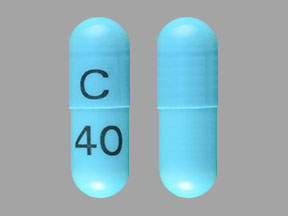
Clindamycin
Pronunciation: clin-dah-my-cin
Generic name: clindamycin
Brand names: Cleocin HCl, Cleocin Pediatric, Cleocin Phosphate, Cleocin Phosphate ADD-Vantage, Clindesse, ClindaMax Vaginal
Dosage form: oral capsule, oral solution, topical gel, topical foam, injectable solution, intravenous ready-to-use solution
Drug class: Lincomycin derivatives
What is clindamycin?
Clindamycin is an antibiotic that fights bacteria in the body.
Clindamycin is used to treat serious infections caused by bacteria.
Clindamycin is usually available as one of three salts: clindamycin phosphate, clindamycin hydrochloride, or clindamycin nicotinamide. These salt forms are all prodrugs of clindamycin but once inside the body or applied to the skin, they are rapidly converted to active clindamycin by hydrolysis. All three salt forms of clindamycin: clindamycin phosphate, clindamycin hydrochloride, and clindamycin nicotinamide have the same antimicrobial spectrum and effectiveness.
Clindamycin first gained FDA approval on February 22, 1970.
What is clindamycin phosphate?
Clindamycin phosphate is a salt of clindamycin that is usually used for injectable or topical formulations of clindamycin.
- Clindamycin phosphate is a prodrug of clindamycin that is rapidly converted to active clindamycin once inside the body or applied to the skin.
- Clindamycin phosphate has the same antimicrobial spectrum and effectiveness as clindamycin hydrochloride, clindamycin nicotinamide, and clindamycin.
- Clindamycin nicotinamide is another topical form of clindamycin.
What is clindamycin hydrochloride?
Clindamycin hydrochloride is a salt of clindamycin that is usually used for oral formulations of clindamycin.
- Clindamycin hydrochloride is a prodrug of clindamycin that is rapidly converted to active clindamycin once inside the body.
- Clindamycin hydrochloride has the same antimicrobial spectrum and effectiveness as clindamycin phosphate, clindamycin nicotinamide, and clindamycin.
What is clindamycin used to treat?
Clindamycin may be used to treat a wide range of infections, although it should be used only to treat or prevent infections that are proven or strongly suspected to be caused by susceptible bacteria to reduce the development of drug-resistant bacteria and to maintain its effectiveness.
Infections clindamycin treats in adults and children include serious:
- Infections caused by susceptible anaerobic bacteria
- Infections due to susceptible isolates of streptococci, pneumococci, and staphylococci, if a less toxic alternative (such as erythromycin) is not suitable
- Lower respiratory tract infections including pneumonia, empyema, and lung abscess caused by susceptible isolates of anaerobes, Streptococcus pneumoniae, other streptococci (except Enterococcus faecalis), and Staphylococcus aureus in adults and children
- Skin and skin structure infections caused by susceptible isolates of Streptococcus pyogenes, Staphylococcus aureus, and anaerobes in adults and children
-
- Topical clindamycin 1% may be used to help treat and control severe acne.
- Gynecological infections including endometritis, nongonococcal tubo-ovarian abscess, pelvic cellulitis, and postsurgical vaginal cuff infection caused by susceptible anaerobes in adults and children
- Intra-abdominal infections including peritonitis and intra-abdominal abscesses caused by susceptible anaerobic organisms in adults and children
- Septicemia caused by susceptible isolates of Staphylococcus aureus, streptococci (except E. faecalis), and susceptible anaerobes in adults and children
- Bone and joint infections including acute hematogenous osteomyelitis caused by susceptible isolates of S. aureus and as adjunctive therapy in the surgical treatment of chronic bone and joint infections due to susceptible organisms in adults and children.
Clindamycin does not adequately penetrate the cerebrospinal fluid and should NOT be used to treat meningitis.
Clindamycin side effects
The most common clindamycin side effects include:
-
nausea or vomiting
-
stomach (abdominal) pain
-
mild skin rash
-
vaginal itching or discharge.
Clindamycin may also cause a metallic taste in your mouth. Talk to your healthcare provider about ways you can manage this.
Serious side effects and warnings
Clindamycin carries a Boxed Warning for Clostridium difficile-associated diarrhea (CDAD).
Clindamycin can cause diarrhea, which may range in severity from mild to fatal colitis. Diarrhea associated with clindamycin use is sometimes caused by an overgrowth of dangerous Clostridium difficile bacteria in the large intestine. Seniors especially should be monitored for diarrhea. If you have diarrhea that is watery or bloody, stop using clindamycin and call your doctor. Do not use anti-diarrhea medicine unless your doctor tells you to. Seek urgent medical attention.
Get emergency medical help if you have any signs of an allergic reaction to clindamycin: (hives, difficulty breathing, swelling in your face or throat) or a severe skin reaction (fever, sore throat, burning in your eyes, skin pain, red or purple skin rash that spreads and causes blistering and peeling).
Serious skin and other reactions can occur with clindamycin. Seek medical treatment if you have symptoms of a drug reaction such as skin rash, fever, swollen glands, flu-like symptoms, muscle aches, severe weakness, unusual bruising, or yellowing of your skin or eyes. This reaction may occur several weeks after starting clindamycin.
Call your healthcare provider at once if you have:
-
any change in bowel habits (for example, you start going to the toilet very frequently or don't go at all)
-
severe stomach pain
-
diarrhea that is watery or bloody
-
little or no urination.
This is not a complete list of side effects and others may occur. Call your doctor for medical advice about side effects. You may report side effects to the FDA at 1-800-FDA-1088.
Related/similar drugs
Before taking this medicine
Do not take clindamycin if you are allergic to clindamycin, lincomycin, Cleocin, Clindesse, ClindaMax, or any of the inactive ingredients in the clindamycin preparation you are taking (refer to the clindamycin Package Insert).
To make sure clindamycin is safe for you, tell your doctor if you have ever had:
- kidney or liver disease
- an intestinal disorder such as ulcerative colitis or Crohn's disease
- eczema
- an allergic skin reaction
- asthma or a severe allergic reaction to aspirin
- an allergy to yellow food dye.
Also, tell your healthcare provider if you are pregnant or intend to become pregnant or are breastfeeding.
Pregnancy
Animal studies have not shown any harm during pregnancy, but it is not known whether clindamycin will harm an unborn baby in humans.
Breastfeeding
Clindamycin does pass into breast milk and may cause side effects in the nursing baby. If you are breastfeeding while taking this medicine, call your doctor if your baby has diaper rash, redness or white patches in the mouth or throat, stomach discomfort, or diarrhea that is watery or bloody. Let your doctor know if you are breastfeeding before taking clindamycin.
Young infants
Clindamycin injection may contain an ingredient that can cause serious side effects or death in very young or premature babies. Do not give this medicine to a child without medical advice.
How should I take clindamycin?
Take clindamycin exactly as prescribed by your doctor. Follow all directions on your prescription label and read all medication guides or instruction sheets. Use the medicine exactly as directed.
Oral clindamycin capsules are taken by mouth.
Clindamycin injection is injected into a muscle, or as an infusion into a vein. A healthcare provider will give your first dose and may teach you how to properly use the medication by yourself.
Take the capsule with a full glass of water to keep it from irritating your throat.
Measure liquid medicine carefully. Use the dosing syringe provided, or use a medicine dose-measuring device (not a kitchen spoon).
You may need frequent medical tests during treatment.
If you need surgery, let your surgeon know you use clindamycin as it may interact with certain drugs used for anesthesia.
Use this medicine for the full prescribed length of time, even if your symptoms quickly improve. Skipping doses can increase your risk of infection that is resistant to medication. Clindamycin will not treat a viral infection such as the flu or a common cold.
Store at room temperature away from moisture and heat. Protect the injectable medicine from high heat.
Do not store the oral liquid in the refrigerator. Throw away any unused oral liquid after 2 weeks.
Take clindamycin for the full prescribed length of time. Your symptoms may improve before the infection is completely cleared. Skipping doses may also increase your risk of further infection that is resistant to antibiotics. Clindamycin will not treat a viral infection such as the common cold or flu.
What happens if I miss a dose?
Use the missed dose as soon as you remember. Skip the missed dose if it is almost time for your next scheduled dose. Do not use extra medicine to make up the missed dose.
What happens if I overdose?
Seek emergency medical attention or call the Poison Help line at 1-800-222-1222.
What should I avoid while using clindamycin?
Do not use clindamycin at the same time as erythromycin, another antibiotic.
What other drugs will affect clindamycin?
Other drugs may interact with clindamycin, including prescription and over-the-counter medicines, vitamins, and herbal products. Tell each of your health care providers about all medicines you use now and any medicines you start or stop using.
Clindamycin has been shown to have neuromuscular blocking properties that may enhance the action of other neuromuscular blocking agents, such as succinylcholine, rocuronium, or vecuronium. Use with caution.
Clindamycin is metabolized predominantly by CYP3A4 hepatic enzymes, and to a lesser extent by CYP3A5, to the major metabolite clindamycin sulfoxide and minor metabolite N‑desmethylclindamycin. Caution should be used when using with strong or moderate inhibitors of CYP3A4 and CYP3A5, such as clarithromycin, nefazodone, itraconazole, ketoconazole, atazanavir, darunavir, indinavir, lopinavir, nelfinavir, ritonavir, saquinavir, or tipranavir. Caution should also be used when used together with inducers of these enzymes such as phenobarbital, phenytoin, rifampicin, St. John's Wort, and glucocorticoids because concentrations of clindamycin may be reduced and it may not be as effective.
This is not a complete list of interactions. See the clindamycin package insert for a complete list.
Clindamycin ingredients
Ingredients of clindamycin vary depending on the manufacturer. See the clindamycin package insert that corresponds to the clindamycin product you are using.
Who makes clindamycin?
Clindamycin is made by various manufacturers such as Baxter Healthcare, Northstar RX, Taro Pharmaceuticals, and Greenstone LLC.
Popular FAQ
What are the best antibiotics for a tooth infection?
There are several antibiotics that kill the common mouth bacteria that cause tooth infections. The best (first-line) antibiotics for tooth infection include: Amoxicillin, Penicillin, Cephalexin, Clindamycin, Azithromycin. Amoxicillin is often the first choice because it is widely effective and has the fewest gastrointestinal side effects. Continue reading
What is the Best Antibiotic for Strep Throat?
Penicillin and amoxicillin are the first-choice antibiotics for strep throat. According to the CDC, Group A Streptococcus (the bacteria that cause Strep throat) has never shown resistance to penicillin, making it the gold standard treatment.
Continue readingIs clindamycin a strong antibiotic?
Clindamycin is a strong broad-spectrum antibiotic, typically prescribed for serious infections, such as life-threatening methicillin-resistant Staphylococcus aureus (MRSA) skin infections. Continue reading
Can I take clindamycin if I am allergic to penicillin?
Yes, you can. It is recommended that the use of the antibiotic clindamycin be reserved for patients who are allergic to penicillin or for those patients a healthcare provider determines penicillin to be an inappropriate treatment. Continue reading
Is clindamycin a penicillin?
No, clindamycin is not a penicillin antibiotic. Instead, it belongs to a class of medications known as lincomycin antibiotics, or lincosamides. Clindamycin is a broad-spectrum antibiotic, with the ability to impact many types of bacteria in the body. Continue reading
More FAQ
- What are the best antibiotics for a boil?
- Why can't you lie down after taking clindamycin?
- Can clindamycin be used to treat chlamydia?
References
More about clindamycin
- Check interactions
- Compare alternatives
- Pricing & coupons
- Reviews (808)
- Drug images
- Side effects
- Dosage information
- Patient tips
- During pregnancy
- Support group
- Drug class: lincomycin derivatives
- Breastfeeding
- En español
Patient resources
- Clindamycin (Intramuscular, Intravenous) advanced reading
- Clindamycin and sodium chloride (Advanced Reading)
Other brands
Cleocin, Cleocin Pediatric, Cleocin Phosphate, Cleocin HCl
Professional resources
- Clindamycin monograph
- Clindamycin Capsules (FDA)
- Clindamycin Injection (FDA)
- Clindamycin Injection Concentrate (FDA)
- Clindamycin Palmitate Hydrochloride Granules (FDA)
- Clindamycin in Dextrose Injection (FDA)
Other brands
Cleocin, Cleocin Pediatric, Cleocin Phosphate
Related treatment guides
Further information
Always consult your healthcare provider to ensure the information displayed on this page applies to your personal circumstances.