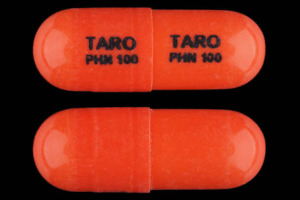
Phenytoin, Phenytoin Sodium (Monograph)
Brand names: Dilantin, Dilantin Infatabs, Phenytek
Drug class: Hydantoins
Warning
- Cardiovascular Risk Associated with Rapid IV Administration
-
Must be administered IV slowly. (See Cardiovascular Toxicity under Cautions.)
-
Do not exceed rate of 50 mg/minute in adults.
-
Do not exceed rate of 1–3 mg/kg per minute or 50 mg/minute, whichever is slower, in pediatric patients.
-
Carefully monitor cardiac function during and after IV administration; reduction in infusion rate or drug discontinuance may be needed.
Introduction
Hydantoin-derivative anticonvulsant.
Uses for Phenytoin, Phenytoin Sodium
Seizure Disorders
Management of generalized tonic-clonic (grand mal) seizures.
Management of partial seizures with complex symptomatology (psychomotor and temporal lobe seizures).
Not recommended for treatment of pure absence (petit mal) seizures since the drug may increase frequency of these seizures, but may be used in conjunction with other anticonvulsants when mixed seizure types are present.
Seizures Associated with Neurosurgery
Prevention and treatment of seizures occurring during and following neurosurgery.
Status Epilepticus
Used IV for treatment of status epilepticus; however, use may be limited by its slow onset of action and need for slow administration.
Benzodiazepines (e.g., diazepam, lorazepam, midazolam) are considered drugs of choice for initial treatment of status epilepticus; IV phenytoin (or fosphenytoin) may be used as a second-line agent if seizures continue.
Concurrent administration with an IV benzodiazepine or short-acting barbiturate will usually be necessary for rapid control of seizures.
Fosphenytoin appears to be better tolerated than phenytoin, and some experts state that fosphenytoin is preferred when both drugs are available.
Cardiac Arrhythmias
Has been used IV for treatment of cardiac arrhythmias† [off-label], particularly ventricular arrhythmias† [off-label], in patients who do not respond to conventional antiarrhythmic agents or cardioversion. However, current use as an antiarrhythmic agent is limited by the drug's narrow therapeutic window, multiple drug interactions, and adverse effect profile.
Cardiac Glycoside Intoxication
Has been used IV for treatment of arrhythmias caused by cardiac glycoside intoxication† [off-label], especially in the presence of AV block, because the drug improves conduction through the AV node.
Phenytoin, Phenytoin Sodium Dosage and Administration
General
Seizure Disorders
-
Carefully and slowly adjust dosage according to individual requirements and response. Generally initiate with a low dosage and gradually titrate over several weeks.
-
When a patient is transferred from phenytoin to another anticonvulsant, gradually reduce the phenytoin dosage over a period of about 1 week while at the same time therapy is instituted with a low dosage of the replacement drug.
-
Withdraw phenytoin therapy slowly to avoid precipitating seizures or status epilepticus. (See Discontinuance of Therapy under Cautions.)
-
Closely monitor for notable changes in behavior that could indicate emergence or worsening of suicidal thoughts or behavior or depression. (See Suicidality Risk under Cautions.)
Oral Loading-Dose Regimens
-
Therapeutic serum phenytoin concentrations can be achieved more rapidly (in 2–24 hours) by the use of an oral loading-dose regimen. Some clinicians have recommended use of oral loading doses to achieve rapid steady-state concentrations when IV administration is not desirable.
-
Various regimens have been suggested, and clinicians should consult published protocols for information on specific regimens. (See Pediatric Patients and also Adults under Dosage for suggested regimen.)
-
Reserve oral loading-dose regimens for patients in a clinic or hospital setting where serum phenytoin concentrations can be closely monitored.
-
Patients with a history of renal or liver disease should not receive an oral loading-dose regimen.
Therapeutic Drug Monitoring
-
Therapeutic drug monitoring of serum phenytoin concentrations usually recommended to guide dosing.
-
Trough concentrations (obtained just prior to next scheduled dose) can be used to assess therapeutic effect and patient compliance, while peak concentrations (obtained at the time of expected peak concentration) can be used to assess toxicity.
-
Usual therapeutic range is 10–20 mcg/mL (or 1–2 mcg/mL based on unbound [free] phenytoin concentrations); however, some patients may achieve adequate seizure control or experience toxicity with lower or higher concentrations.
-
Obtain serum concentrations at least 5–7 half-lives after treatment initiation, change in dosage, or addition or discontinuance of another drug to the regimen, so that steady-state drug levels may be achieved.
-
Patients with renal or hepatic impairment and those with hypoalbuminemia have an increased fraction of unbound (free) phenytoin; monitor free phenytoin concentrations rather than total serum concentrations in these patients.
Administration
Usually administered orally for management of seizure disorders; may be administered parenterally if oral administration temporarily not possible.
Administer by slow IV injection or IV infusion for treatment of status epilepticus.
IM administration generally not recommended because of risk of necrosis, abscess formation, and erratic absorption. (See IM Administration under Dosage and Administration.)
Because parenteral administration of phenytoin is associated with more frequent and severe complications, oral route generally preferred for maintaining therapeutic concentrations of the drug during nonemergency situations; routinely assess feasibility of oral therapy in patients receiving the drug parenterally.
Oral Administration
Administer orally as chewable tablets, oral suspension, or extended-release capsules.
Only extended-release phenytoin sodium capsules should be used for once-daily dosing regimens. Other oral formulations (e.g., oral suspension, chewable tablets) have different dissolution characteristics and absorption rates that do not permit once-daily dosing. Carefully monitor serum phenytoin concentrations whenever there is a change in dosage form or preparation.
Suspension
Administer using a calibrated measuring device; a household teaspoon or tablespoon is not adequate.
Minimize loss of phenytoin oral suspension during oral administration via a nasogastric tube (secondary to adherence to PVC tubing) by diluting (e.g., threefold) the suspension with a compatible diluent (e.g., sterile water, 5% dextrose, 0.9% sodium chloride) prior to administration, combined with flushing the tube with at least 20 mL of diluent after administration.
IV Administration
Administer by slow IV injection or IV infusion.
To prevent local tissue irritation, administer directly into a large peripheral or central vein through a large-gauge IV catheter. (See Local Toxicity under Cautions.) Use a 0.22–0.55-µm inline filter during infusion. Must administer slowly to minimize cardiac toxicity. (See Rate of Administration.)
Prior to administration, flush IV catheter with sterile saline to check patency. Following administration, flush IV catheter again with saline to reduce local venous irritation from the alkaline solution.
Monitor ECG, BP, and respiratory status during IV administration.
Dilution
To prepare solution for IV infusion, dilute commercially available phenytoin sodium injection with 0.9% sodium chloride injection to a final concentration of no less than 5 mg/mL. Start infusion immediately after preparation of the solution and complete administration within 1–4 hours. (See Storage under Stability.)
Crystallization generally occurs in more acidic solutions (e.g., dilutions in 5% dextrose), which should not be used. (See Solution Compatibility under Stability.)
Rate of Administration
Manufacturer states that rate of IV administration should not exceed 50 mg/minute in adults and 1–3 mg/kg per minute (or 50 mg/minute, whichever is slower) in pediatric patients. Some clinicians recommend not exceeding a rate of 0.5 mg/kg per minute in neonates and a rate of 1 mg/kg per minute in infants, children, and adults.
A slower rate of administration is recommended in nonemergent situations.
IM Administration
IM administration generally not recommended because of unreliable absorption and local adverse effects (e.g., pain, necrosis, abscess formation). Some experts state that phenytoin should not be administered IM under any circumstance; if IM administration is needed (e.g., when IV access not possible), IM fosphenytoin is preferred.
Do not administer IM for treatment of status epilepticus because of delay in reaching therapeutic drug concentrations.
Patients transitioning from oral to an equal dosage of IM phenytoin may experience a 50–60% decrease in peak plasma phenytoin concentrations as a result of slower IM absorption. If IM administration is necessary, must increase dosage by 50% over previously established oral dosage to maintain therapeutic serum phenytoin concentrations; reduce dosage once oral therapy is resumed. (See Dosage under Dosage and Administration.)
Experience with IM administration for >1 week is lacking; monitor serum phenytoin concentrations.
Dosage
Phenytoin formulations containing the free acid form of the drug (oral suspension and chewable tablets) have approximately 8% greater drug content than phenytoin sodium formulations (extended-release capsules and injection); consider the difference when switching from the free acid to sodium salt form or vice versa.
Pediatric Patients
Seizure Disorders
Oral
Recommended initial dosage is 5 mg/kg daily in 2 or 3 equally divided doses (as chewable tablets, extended-release capsules, or oral suspension). Adjust dosage based on individual requirements up to a maximum of 300 mg daily in divided doses.
A period of 7–10 days may be required to achieve steady-state concentrations; any change in dosage should not be made sooner than this interval.
Usual maintenance dosage in pediatric patients is 4–8 mg/kg daily (administered in 2 or 3 equally divided doses); however, usual dosages may vary depending on whether phenytoin is used alone or as adjunctive therapy. Children >6 years of age and adolescents may require minimum adult dosage of 300 mg daily.
Some clinicians state that usual daily maintenance dosage (administered in 2 or 3 divided doses) in pediatric patients is 8–10 mg/kg for those 6 months to 3 years of age, 7.5–9 mg/kg for those 4–6 years of age, 7–8 mg/kg for those 7–9 years of age, and 6–7 mg/kg for those 10–16 years of age.
Therapeutic serum concentrations may be achieved more rapidly with an oral loading dose (e.g., 500- to 600-mg oral loading dose, in divided doses, followed by usual maintenance dosage 24 hours after initiating loading dose).
IV
When oral therapy is not feasible, may temporarily administer IV at the same total daily dosage.
Serum phenytoin concentrations may increase slightly when IV phenytoin is substituted for extended-release capsules since bioavailability of the capsules is about 90%.
If IV phenytoin is used in a nonemergent situation (e.g., prevention of seizures during neurosurgery), manufacturer states IV loading dose of 15–20 mg/kg will usually produce serum concentrations within generally accepted therapeutic range of 10–20 mcg/mL. The rate of IV administration should not exceed 1–3 mg/kg per minute (or 50 mg/minute, whichever is slower); however, slower rates recommended to minimize risk of cardiovascular toxicity. Following loading dose, administer maintenance IV or oral doses every 6–8 hours.
IM
Generally should not be administered IM; if IM administration required, dosage adjustment is necessary to maintain therapeutic serum concentrations.
Increase IM dosage by 50% over previously established oral dosage. To avoid drug accumulation from eventual absorption from IM sites, reduce dosage to one-half the original oral dosage (one-third of the IM dosage) for the first week back on oral therapy.
Monitoring of serum concentrations is recommended. Experience with IM therapy for periods >1 week is lacking.
Status Epilepticus
IV followed by IV/OralManufacturer states IV loading dose of 15–20 mg/kg will usually produce serum concentrations of phenytoin within the generally accepted therapeutic range of 10–20 mcg/mL; administer slowly at a rate not exceeding 1–3 mg/kg per minute (or 50 mg/minute, whichever is slower).
Some clinicians recommend initial IV dose of 20 mg/kg (administered at a rate not exceeding 1 mg/kg per minute); an additional dose of 5–10 mg/kg may be given after 10 minutes if seizures continue. However, individual requirements may vary, and as much as 30 mg/kg may be required in some patients for adequate seizure control.
Some clinicians recommend maximum total dose of 1.5 g in 24 hours for the loading dose.
Following loading dose, administer IV or oral maintenance doses every 6–8 hours.
Because of required slow rate of IV phenytoin administration, concurrent use of an IV benzodiazepine usually is necessary for rapid control of seizures.
Monitor serum concentrations when IV phenytoin is used for status epilepticus; however, do not delay treatment to measure serum concentrations.
Cardiac Glycoside Intoxication
IV followed by IV/Oral
For arrhythmias secondary to cardiac glycoside intoxication, some clinicians recommend IV loading doses of 1.25 mg/kg every 5 minutes up to a total of 15 mg/kg, and IV or oral maintenance doses of 5–10 mg/kg daily in divided doses every 8–12 hours.
Adults
Seizure Disorders
Oral
Recommended initial dosage in patients who have not previously received the drug is 100 mg 3 times daily (as chewable tablets or extended-release capsules) or 125 mg (5 mL) 3 times daily (as the oral suspension). Adjust dosage based on individual requirements up to a maximum of 200 mg 3 times daily (for chewable tablets or extended-release capsules) or 625 mg (25 mL) daily (for oral suspension).
May gradually increase daily dosage in increments of 100 mg every 2–4 weeks until desired response is obtained. Some experts recommend that dosage adjustments above 300 mg daily be made in 25- or 30-mg increments.
A period of 7–10 days may be required to achieve steady-state concentrations; any change in dosage should not be made sooner than this interval.
For patients receiving extended-release phenytoin sodium capsules who are stabilized on a dosage of 100 mg 3 times daily, may consider once-daily dosing with 300 mg as extended-release phenytoin sodium capsules. Do not use oral suspension or chewable tablets for once-daily dosing.
Optimum daily dosage varies considerably, but usually in the range of 300–400 mg daily for most adults.
Therapeutic serum concentrations may be achieved more rapidly with a 1-g oral loading dose given as 400, 300, and 300 mg at 2-hour intervals, followed by usual maintenance dosage 24 hours after initiating loading dose. Reserve oral loading-dose regimens for patients in a clinic or hospital setting where serum phenytoin concentrations can be closely monitored.
IV
When oral therapy is not feasible, may temporarily administer IV at same total daily dosage.
Serum phenytoin concentrations may increase slightly when IV phenytoin is substituted for extended-release capsules since bioavailability of the capsules is about 90%.
If IV phenytoin is used in a nonemergent situation (e.g., prevention of seizures during neurosurgery), manufacturer states that a loading dose of 10–15 mg/kg should be administered slowly. The rate of IV administration should not exceed 50 mg/minute; however, slower rates recommended to minimize risk of cardiovascular toxicity. Following loading dose, administer IV or oral maintenance doses every 6–8 hours.
IM
Generally should not be administered IM; if IM administration required, dosage adjustment is necessary to maintain therapeutic serum concentrations.
Increase IM dosage by 50% over previously established oral dosage. To avoid drug accumulation from eventual absorption from IM sites, reduce dosage to one-half the original oral dosage (one-third of the IM dosage) for the first week back on oral therapy.
Monitoring of serum concentrations is recommended. Experience with IM therapy for periods >1 week is lacking.
Status Epilepticus
IV followed by IV/OralManufacturer recommends IV loading dose of 10–15 mg/kg, administered slowly at a rate not exceeding 50 mg/minute.
Some clinicians recommend initial IV dose of 20 mg/kg (administered at a rate not exceeding 50 mg/minute); an additional dose of 5–10 mg/kg may be given after 10 minutes if seizures continue. However, individual requirements may vary, and as much as 30 mg/kg may be required in some patients for adequate seizure control.
Some clinicians recommend maximum total dose of 1.5 g in 24 hours for the loading dose.
Following loading dose, administer IV or oral maintenance doses every 6–8 hours.
Because of required slow rate of IV phenytoin administration, concurrent use of an IV benzodiazepine usually is necessary for rapid control of seizures.
Monitor serum concentrations when IV phenytoin is used for status epilepticus; however, do not delay treatment to measure serum concentrations.
Cardiac Arrhythmias
Ventricular Tachycardia† [off-label]
Oral100 mg 2–4 times daily has been given.
IV100 mg has been administered by direct IV injection at 5-minute intervals until the arrhythmia was abolished or undesirable effects appeared or until a total of 1 g was given.
Cardiac Glycoside Intoxication† [off-label]
IV followed by POFor arrhythmias secondary to cardiac glycoside intoxication, some clinicians recommend IV loading doses of 1.25 mg/kg every 5 minutes up to a total of 15 mg/kg, and an oral maintenance regimen consisting of 250 mg 4 times daily for 1 day, then 250 mg every 12 hours for 2 days, then 300–400 mg daily (in divided or once-daily doses).
Prescribing Limits
Pediatric Patients
Seizure Disorders
Oral
Maximum 300 mg daily.
Adults
Seizure Disorders
Oral
Chewable tablets and extended-release capsules: Manufacturers state maximum of 200 mg 3 times daily.
Oral suspension: Manufacturers state maximum of 625 mg (25 mL) daily.
Special Populations
Hepatic Impairment
Consider reduced maintenance dosage in patients with hepatic cirrhosis.
Do not use oral loading-dose regimens.
Renal Impairment
Do not use oral loading-dose regimens.
End-stage renal impairment: Generally can receive usual loading and maintenance dosages initially, adjusting as necessary.
Geriatric Patients
Lower doses or less frequent dosing may be required in geriatric patients.
Obese Patients
Ideal or nonobese weight probably correlates best with maintenance dosages. Loading doses may require adjustment for increased volume of distribution.
Pregnancy
Monitor serum phenytoin concentrations closely (concentrations may decline and protein binding may change) and adjust dosage as necessary. (See Pregnancy under Cautions.) Restoration of original dosage will probably be necessary postpartum.
Cautions for Phenytoin, Phenytoin Sodium
Contraindications
-
IV use contraindicated in patients with sinus bradycardia, SA block, second- or third-degree AV block, or Adams-Stokes syndrome.
-
Concomitant use with delavirdine.
-
History of prior acute hepatotoxicity with phenytoin.
-
Known hypersensitivity to phenytoin, any ingredient in the formulation, or other hydantoins.
Warnings/Precautions
Warnings
Cardiovascular Toxicity
Rapid IV administration has caused severe hypotension and cardiac arrhythmias, including bradycardia, heart block, ventricular tachycardia, and ventricular fibrillation; sometimes resulted in asystole, cardiac arrest, and death.
Severe complications reported more commonly in critically ill patients, elderly patients, and those with hypotension and severe myocardial insufficiency.
Administer IV with extreme caution in patients with respiratory depression, MI, frank or impending CHF, or otherwise damaged myocardium, and in patients in whom a sudden change in BP may lead to serious complications.
Do not exceed recommended rates of administration. (See Boxed Warning.) Risk of toxicity increases with infusion rates above recommended rates; however, cardiac events also can occur at or below these rates.
Carefully monitor cardiac and respiratory function during and after IV administration; reduce rate of administration or discontinue drug if necessary.
IV use contraindicated in patients with cardiac conduction disorders because of the drug's effect on ventricular automaticity. (See Contraindications under Cautions.)
Sensitivity Reactions
Serious Dermatologic Reactions
Serious dermatologic reactions, including acute generalized exanthematous pustulosis, Stevens-Johnson syndrome (SJS), and toxic epidermal necrolysis (TEN), reported.
Discontinue phenytoin at the first sign of a rash unless it is clearly not drug related; do not resume if SJS/TEN is suspected.
Pharmacogenomic Considerations in the Development of Cutaneous Reactions
Limited data suggest an increased risk of SJS/TEN in individuals of Asian ancestry who carry the human leukocyte antigen (HLA)-B*1502 allele. A strong association has been found between presence of HLA-B*1502 and risk of SJS/TEN in patients with Chinese ancestry receiving carbamazepine; although evidence more limited, HLA-B*1502 also associated with SJS/TEN in such patients receiving structurally similar anticonvulsants such as phenytoin.
Phenytoin generally should not be used as an alternative to carbamazepine in HLA-B*1502-positive patients.
Multi-organ Hypersensitivity
Multi-organ hypersensitivity (also known as drug reaction with eosinophilia and systemic symptoms [DRESS]) reported; can be fatal or life-threatening. Clinical presentation is variable but typically includes fever, rash, lymphadenopathy, and/or facial swelling associated with other organ system involvement (e.g., eosinophilia, hepatitis, nephritis, hematologic abnormalities, myocarditis, myositis).
If manifestations of DRESS occur, evaluate patient immediately. If an alternative etiology cannot be identified, discontinue phenytoin.
Hypersensitivity Reactions
Hypersensitivity reactions, including anaphylaxis and angioedema, reported. If manifestations (e.g., facial, perioral, or upper airway swelling) occur, discontinue drug immediately. (See Contraindications under Cautions.)
Consider alternatives to structurally similar compounds such as carboxamides, barbiturates, succinimides, and oxazolidinediones in patients who have experienced phenytoin hypersensitivity. Also consider alternatives to phenytoin if there is a history of hypersensitivity reactions to these structurally similar drugs in the patient or immediate family member.
General Precautions
Suicidality Risk
Increased risk of suicidality (suicidal ideation or behavior) observed in an analysis of studies using various oral anticonvulsants in patients with epilepsy, psychiatric disorders (e.g., bipolar disorder, depression, anxiety), and other conditions (e.g., migraine, neuropathic pain); risk in patients receiving anticonvulsants (0.43%) was approximately twice that in patients receiving placebo (0.24%). Increased suicidality risk was observed as early as 1 week after initiation of anticonvulsant therapy and continued through 24 weeks. Risk was higher for patients with epilepsy compared with those receiving anticonvulsants for other conditions.
Closely monitor all patients currently receiving or beginning oral anticonvulsant therapy for changes in behavior that may indicate emergence or worsening of suicidal thoughts or behaviors or depression.
Balance risk of suicidality with the risk of untreated illness. Epilepsy and other illnesses treated with anticonvulsants are themselves associated with morbidity and mortality and an increased risk of suicidality. If suicidal thoughts or behaviors emerge during anticonvulsant therapy, consider whether these symptoms may be related to the illness itself. (See Advice to Patients.)
Discontinuance of Therapy
Abrupt withdrawal can increase seizure frequency, including status epilepticus; reduce dosage, discontinue therapy, or substitute with another anticonvulsant gradually. In the event of an allergic or hypersensitivity reaction, may consider more rapid substitution with an alternative non-hydantoin anticonvulsant.
Hepatotoxicity
Acute hepatotoxicity, including infrequent cases of acute hepatic failure, reported. May or may not occur in association with DRESS. (See Multi-organ Hypersensitivity under Cautions.)
If acute hepatotoxicity occurs, discontinue phenytoin immediately and do not resume.
Hematologic Effects
Adverse hematologic effects (e.g., thrombocytopenia, leukopenia, granulocytopenia, agranulocytosis, pancytopenia with or without bone marrow suppression), sometimes fatal, reported.
Local or generalized lymphadenopathy (e.g., benign lymph node hyperplasia, pseudolymphoma, lymphoma, Hodgkin's disease) also reported, although a causal relationship not established. Lymph node involvement may or may not occur in association with DRESS. (See Multi-organ Hypersensitivity under Cautions.) If lymphadenopathy develops, further evaluate to establish a differential diagnosis; switch to an alternative anticonvulsant if possible.
May exacerbate porphyria; use with caution in patients with this condition.
Local Toxicity
Local soft-tissue reactions (e.g., irritation, inflammation, pain, necrosis, sloughing) reported at site of injection following IV administration; amputation required rarely. May occur in presence or absence of extravasation.
Purple glove syndrome (PGS), characterized by progressive pain, discoloration, and edema of the distal limb, reported in patients receiving peripheral IV injections of phenytoin; may occur with or without extravasation. Generally mild and self-limiting; however, tissue necrosis and limb ischemia requiring surgical intervention (e.g., fasciotomies, skin grafting, amputation) have occurred. Possible risk factors include young or advanced age, female gender, use of small-bore IV catheters, preexisting cardiovascular disease, multiple or large doses, and rapid rates of IV infusion.
To minimize risk of PGS or other types of soft-tissue injury, follow appropriate IV administration procedures and precautions. (See Administration under Dosage and Administration.) Monitor injection sites frequently during and for 72 hours following administration. If PGS occurs, discontinue drug immediately, remove IV catheter, and institute appropriate supportive measures (e.g., elevate affected extremity, apply dry heat).
Effect on Vitamin D and Bone Metabolism
Long-term use in patients with epilepsy associated with decreased bone mineral density (BMD) and related bone effects (e.g., osteopenia, osteoporosis, osteomalacia, fractures). Thought to be caused by phenytoin’s interference with vitamin D metabolism.
Consider monitoring vitamin D concentrations and other measures of bone health in patients receiving long-term therapy with the drug.
Hyperglycemia
In large doses, may increase blood glucose concentrations resulting in hyperglycemia and glycosuria.
Average doses do not regularly elevate blood glucose or increase insulin requirements in diabetic patients, but a few patients have experienced fatal, hyperosmolar, nonketotic coma in which phenytoin may have played at least an accessory etiologic role.
Fetal/Neonatal Morbidity and Mortality
May cause fetal harm.
Evidence of substantial risk of congenital malformations, fetal hydantoin syndrome (e.g., craniofacial abnormalities, nail and digital hypoplasia, prenatal growth deficiency, microcephaly, cognitive deficiency), and other developmental toxicity.
Life-threatening bleeding disorders secondary to decreased concentrations of vitamin K-dependent clotting factors may occur in neonates exposed to phenytoin in utero; administration of vitamin K to the mother prior to delivery and to the neonate after birth may prevent these complications.
Slow Metabolizers
A small percentage of individuals have been shown to metabolize phenytoin slowly; this appears to be genetically determined and may be due to limited enzyme availability and lack of induction.
CNS Toxicity
Serum phenytoin concentrations sustained above the therapeutic range may produce confusional states such as delirium, psychosis, or encephalopathy; rarely, irreversible cerebellar dysfunction may develop.
Check serum phenytoin concentrations immediately at the first sign of toxicity. Reduce dosage if serum concentrations are excessive; if symptoms persist, discontinue therapy.
Specific Populations
Pregnancy
May cause fetal harm if used during pregnancy. (See Fetal/Neonatal Morbidity and Mortality under Cautions.) However, risk-to-benefit ratio generally favors continued use during pregnancy in women whose seizure control depends on the drug.
Malignancies, including neuroblastoma, reported rarely in children whose mothers received phenytoin during pregnancy.
Because of altered pharmacokinetics of phenytoin during pregnancy, increased frequency of seizures may occur. Monitor serum phenytoin concentrations and adjust dosage accordingly; restoration of the patient’s usual dosage will probably be necessary postpartum. Because of altered protein binding, monitor free phenytoin fraction in pregnant women.
North American Antiepileptic Drug (NAAED) pregnancy registry at 888-233-2334 or [Web].
Lactation
Distributed into milk. However, use generally considered compatible with breast-feeding. Consider known benefits of breast-feeding along with the woman's clinical need for phenytoin and any potential adverse effects on the breast-fed infant from the drug or underlying maternal condition.
Geriatric Use
Clearance may be reduced in geriatric patients.
Geriatric patients may show early signs of toxicity. Some adverse CNS effects (e.g., drowsiness, ataxia, diplopia) are more likely to occur at lower serum phenytoin concentrations in geriatric patients than in other patients. (See Geriatric Patients under Dosage and Administration.)
Hepatic Impairment
Principally metabolized by the liver; patients with impaired liver function may show early signs of toxicity.
Since fraction of free phenytoin may be increased in patients with hepatic impairment, monitor free phenytoin concentration rather than total serum concentration in such patients.
Renal Impairment
In large doses, may increase blood glucose concentrations resulting in hyperglycemia and glycosuria; patients with impaired renal function may be most susceptible to this effect.
Since fraction of free phenytoin may be increased in patients with renal impairment, monitor free phenytoin concentration rather than total serum concentration in such patients.
Patients with Hypoalbuminemia
Since fraction of free phenytoin may be increased in patients with hypoalbuminemia, monitor free phenytoin concentration rather than total serum concentration in such patients.
Common Adverse Effects
Adverse GI effects include nausea and vomiting, constipation, epigastric pain, dysphagia, loss of taste, anorexia, and weight loss. Adverse CNS effects include mental confusion, nystagmus, ataxia, blurred vision, diplopia, toxic amblyopia, dizziness, insomnia, transient nervousness, motor twitching, and headache.
Phenytoin frequently produces gingival hyperplasia, especially in children, which occasionally is so severe that it may require surgical removal.
Drug Interactions
Involved in multiple drug interactions because of extensive plasma protein binding, saturable metabolism, and potent hepatic enzyme-inducing properties.
Drugs Affecting or Metabolized by Hepatic Microsomal Enzymes
Metabolized by CYP2C9 and CYP2C19. Potent inducer of CYP isoenzymes.
Concomitant use with drugs that inhibit or induce CYP2C9 and CYP2C19 can alter serum phenytoin concentrations. Particularly susceptible to inhibitory interactions because of saturable metabolism. If a drug interaction is suspected, monitor serum phenytoin concentrations and adjust dosage of phenytoin as necessary.
Because of its potent CYP-inducing properties, phenytoin can decrease plasma concentrations and possibly reduce efficacy of many drugs. Dosage adjustment of the concomitant drug may be necessary when phenytoin is added to or withdrawn from concomitant therapy.
Protein-bound Drugs
Phenytoin is extensively bound to plasma proteins. Potential for phenytoin to displace or to be displaced by other protein-bound drugs.
Specific Drugs or Laboratory Tests
|
Drug or Test |
Interaction |
Comments |
|---|---|---|
|
Albendazole |
Possible decreased plasma concentrations of albendazole |
Dosage adjustment of albendazole may be necessary when phenytoin is added to or withdrawn from concomitant therapy |
|
Alcohol intake, acute |
Possible increased serum phenytoin concentrations |
Monitor serum phenytoin concentrations and adjust dosage of phenytoin accordingly |
|
Alcohol abuse, chronic |
Possible decreased serum phenytoin concentrations |
Monitor serum phenytoin concentrations and adjust dosage of phenytoin accordingly |
|
Amiodarone |
Concomitant administration has resulted in a twofold to threefold increase in serum concentrations of phenytoin and subsequent toxicity (e.g., nystagmus, ataxia, lethargy) |
Monitor serum phenytoin concentrations and adjust dosage of phenytoin accordingly |
|
Antacids (e.g., calcium carbonate, aluminum hydroxide, magnesium hydroxide) |
May interfere with GI absorption and decrease serum concentrations of phenytoin |
Do not take antacids and phenytoin at the same time of day |
|
Anticonvulsants |
Certain anticonvulsants may increase (e.g., ethosuximide, oxcarbazepine, methsuximide, felbamate, topiramate) or decrease (e.g., vigabatrin, carbamazepine) serum phenytoin concentrations Phenytoin may decrease plasma concentrations of lamotrigine, felbamate, carbamazepine, oxcarbazepine, and topiramate Phenobarbital and valproate may increase or decrease serum phenytoin concentrations; effect of phenytoin on phenobarbital and valproate concentrations is unpredictable |
Monitor serum phenytoin concentrations and adjust dosage of phenytoin accordingly Dosage adjustment of some anticonvulsants may be necessary when phenytoin is added to or withdrawn from concomitant therapy |
|
Antifungals, azoles |
Certain antifungal agents (e.g., fluconazole, itraconazole, ketoconazole, miconazole, voriconazole) may increase serum phenytoin concentrations Efficacy of certain antifungals (e.g., fluconazole, itraconazole, ketoconazole, posaconazole, voriconazole) may be impaired by phenytoin |
Monitor serum phenytoin concentrations and adjust dosage of phenytoin accordingly Dosage adjustment of some antifungal agents may be necessary when phenytoin is added to or withdrawn from concomitant therapy |
|
Antineoplastic agents |
Certain antineoplastic agents may increase (e.g., capecitabine, fluorouracil) or decrease (e.g., bleomycin, carboplatin, cisplatin, doxorubicin, methotrexate) serum phenytoin concentrations Efficacy of certain antineoplastic agents (e.g., irinotecan, paclitaxel, teniposide) may be impaired by phenytoin |
Monitor serum phenytoin concentrations and adjust dosage of phenytoin accordingly Dosage adjustment of some antineoplastic agents may be necessary when phenytoin is added to or withdrawn from concomitant therapy |
|
Calcium-channel blocking agents |
Phenytoin may decrease plasma concentrations of nifedipine, nimodipine, nisoldipine, and verapamil |
Dosage adjustment of the calcium-channel blocking agent may be necessary when phenytoin is added to or withdrawn from concomitant therapy |
|
Chloramphenicol |
Possible increased serum phenytoin concentrations |
Monitor serum phenytoin concentrations and adjust dosage of phenytoin accordingly |
|
Chlordiazepoxide |
Possible increased serum phenytoin concentrations |
Monitor serum phenytoin concentrations and adjust dosage of phenytoin accordingly |
|
Chlorpropamide |
Possible decreased plasma chlorpropamide concentrations |
Dosage adjustment of chlorpropamide may be necessary when phenytoin is added to or withdrawn from concomitant therapy |
|
Cimetidine |
Possible increased serum phenytoin concentrations |
Monitor serum phenytoin concentrations and adjust dosage of phenytoin accordingly |
|
Clozapine |
Possible decreased plasma clozapine concentrations |
Dosage adjustment of clozapine may be necessary when phenytoin is added to or withdrawn from concomitant therapy |
|
Corticosteroids |
Efficacy may be impaired by phenytoin |
Dosage adjustment of the corticosteroid may be necessary when phenytoin is added to or withdrawn from concomitant therapy |
|
Cyclosporine |
Possible decreased plasma cyclosporine concentrations |
Dosage adjustment of cyclosporine may be necessary when phenytoin is added to or withdrawn from concomitant therapy |
|
Delavirdine |
Phenytoin can substantially decrease serum concentrations of delavirdine, resulting in loss of virologic response and possible resistance |
Concomitant use contraindicated |
|
Diazepam |
Possible decreased serum phenytoin concentrations |
Monitor serum phenytoin concentrations and adjust dosage of phenytoin accordingly |
|
Diazoxide |
Possible decreased serum phenytoin concentrations |
Monitor serum phenytoin concentrations and adjust dosage of phenytoin accordingly |
|
Digoxin |
Possible decreased plasma digoxin concentrations |
Dosage adjustment of digoxin may be necessary when phenytoin is added to or withdrawn from concomitant therapy |
|
Disopyramide |
Possible decreased plasma disopyramide concentrations |
Dosage adjustment of disopyramide may be necessary when phenytoin is added to or withdrawn from concomitant therapy |
|
Disulfiram |
Possible increased serum phenytoin concentrations |
Monitor serum phenytoin concentrations and adjust dosage of phenytoin accordingly |
|
Doxycycline |
Efficacy may be impaired by phenytoin |
Dosage adjustment of doxycycline may be necessary when phenytoin is added to or withdrawn from concomitant therapy |
|
Efavirenz |
Possible decreased plasma efavirenz concentrations |
Dosage adjustment of efavirenz may be necessary when phenytoin is added to or withdrawn from concomitant therapy |
|
Estrogens |
Possible increased serum phenytoin concentrations Efficacy of estrogens may be impaired by phenytoin |
Monitor serum phenytoin concentrations and adjust dosage of phenytoin accordingly Dosage adjustment of estrogens may be necessary when phenytoin is added to or withdrawn from concomitant therapy |
|
Folic acid |
Possible decreased serum phenytoin concentrations Possible decreased plasma concentrations of folic acid |
Monitor serum phenytoin concentrations and adjust dosage of phenytoin accordingly Dosage adjustment of folic acid may be necessary when phenytoin is added to or withdrawn from concomitant therapy |
|
Furosemide |
Efficacy may be impaired by phenytoin |
Dosage adjustment of furosemide may be necessary when phenytoin is added to or withdrawn from concomitant therapy |
|
HIV protease inhibitors (PIs) |
Some HIV PIs (e.g., fosamprenavir, nelfinavir, ritonavir) may decrease serum phenytoin concentrations Phenytoin may decrease plasma concentrations of nelfinavir, ritonavir, lopinavir/ritonavir, indinavir, and saquinavir Effect of phenytoin on fosamprenavir varies depending on whether fosamprenavir is administered alone or in conjunction with ritonavir |
Monitor serum phenytoin concentrations and adjust dosage of phenytoin accordingly Dosage adjustment of some HIV PIs may be necessary when phenytoin is added to or withdrawn from concomitant therapy |
|
HMG-CoA reductase inhibitors (statins) |
Fluvastatin may increase serum phenytoin concentrations Phenytoin may decrease plasma concentrations of atorvastatin, fluvastatin, and simvastatin |
Fluvastatin: Monitor serum phenytoin concentrations and adjust dosage of phenytoin accordingly Atorvastatin, fluvastatin, simvastatin: Dosage adjustment of the statin may be necessary when phenytoin is added to or withdrawn from concomitant therapy |
|
Isoniazid |
Possible increased serum phenytoin concentrations Phenytoin toxicity reported in about 25% of patients receiving concomitant therapy |
Monitor serum phenytoin concentrations and adjust dosage of phenytoin accordingly |
|
Methadone |
Possible decreased plasma methadone concentrations |
Dosage adjustment of methadone may be necessary when phenytoin is added to or withdrawn from concomitant therapy |
|
Methylphenidate |
Possible increased serum phenytoin concentrations |
Monitor serum phenytoin concentrations and adjust dosage of phenytoin accordingly |
|
Mexiletine |
Possible decreased plasma mexiletine concentrations |
Dosage adjustment of mexiletine may be necessary when phenytoin is added to or withdrawn from concomitant therapy |
|
Neuromuscular blocking agents |
Cisatracurium, pancuronium, rocuronium, vecuronium: Resistance to these nondepolarizing neuromuscular blocking agents has occurred in patients receiving long-term phenytoin therapy; whether same effect occurs with other nondepolarizing neuromuscular blocking agents not known |
Monitor closely for more rapid than expected recovery from neuromuscular blockade; increase dosage of the neuromuscular blocking agent if necessary |
|
Omeprazole |
Possible increased serum phenytoin concentrations |
Monitor serum phenytoin concentrations and adjust dosage of phenytoin accordingly |
|
Oral contraceptives |
Phenytoin can induce metabolism and decrease concentrations of estrogens and/or progestins; may lead to contraceptive failure |
|
|
Phenothiazines |
Possible increased serum phenytoin concentrations |
Monitor serum phenytoin concentrations and adjust dosage of phenytoin accordingly |
|
Praziquantel |
Possible decreased plasma praziquantel concentrations |
Dosage adjustment of praziquantel may be necessary when phenytoin is added to or withdrawn from concomitant therapy |
|
Quetiapine |
Possible decreased plasma quetiapine concentrations |
Dosage adjustment of quetiapine may be necessary when phenytoin is added to or withdrawn from concomitant therapy |
|
Quinidine |
Efficacy may be impaired by phenytoin |
Dosage adjustment of quinidine may be necessary when phenytoin is added to or withdrawn from concomitant therapy |
|
Rifampin |
Possible decreased serum phenytoin concentrations Efficacy of rifampin may be impaired by phenytoin |
Monitor serum phenytoin concentrations and adjust dosage of phenytoin accordingly Dosage adjustment of rifampin may be necessary when phenytoin is added to or withdrawn from concomitant therapy |
|
Salicylates |
Possible increased serum phenytoin concentrations |
Monitor serum phenytoin concentrations and adjust dosage of phenytoin accordingly |
|
SSRIs |
Some SSRIs (e.g., fluoxetine, fluvoxamine, sertraline) may increase serum phenytoin concentrations Phenytoin may impair efficacy of paroxetine and sertraline |
Monitor serum phenytoin concentrations and adjust dosage of phenytoin accordingly Dosage adjustment of paroxetine and sertraline may be necessary when phenytoin is added to or withdrawn from concomitant therapy |
|
St. John's wort |
Possible decreased serum phenytoin concentrations |
Monitor serum phenytoin concentrations and adjust dosage of phenytoin accordingly |
|
Sucralfate |
Possible decreased serum phenytoin concentrations |
Monitor serum phenytoin concentrations and adjust dosage of phenytoin accordingly |
|
Sulfonamides |
Possible increased serum phenytoin concentrations |
Monitor serum phenytoin concentrations and adjust dosage of phenytoin accordingly |
|
Test, alkaline phosphatase, serum |
Phenytoin may increase serum alkaline phosphatase concentrations |
|
|
Test, dexamethasone |
Phenytoin may cause slight decreases in urinary 17-hydroxycorticosteroids and 17-ketosteroids while urinary 6-β-hydroxycortisol excretion is increased Phenytoin may produce lower than normal values for the dexamethasone test |
|
|
Test, γ-glutamyl transferase (γ-glutamyltranspeptidase, GGT, GGTP) |
Phenytoin may produce increased serum γ-glutamyl transferase concentrations |
|
|
Test, metyrapone |
Phenytoin may cause slight decreases in urinary 17-hydroxycorticosteroids and 17-ketosteroids while urinary 6-β-hydroxycortisol excretion is increased Phenytoin may produce lower than normal values for the metyrapone tests |
|
|
Test, protein-bound iodine (PBI) |
Patients receiving phenytoin have shown reduced protein-bound iodine (PBI) test values without lowered triiodothyronine (T3) values and without clinical symptoms of hypothyroidism; free thyroxine concentrations may also be decreased |
The 24-hour I 131 thyroidal uptake is apparently not affected Phenytoin may produce increased resin or red cell T3 uptake values Lowered PBI values do not occur unless phenytoin is administered for 1 week or longer, and altered values persist for 7–10 days after phenytoin is discontinued |
|
Theophylline |
Possible decreased serum phenytoin concentrations Efficacy of theophylline may be impaired by phenytoin |
Monitor serum phenytoin concentrations and adjust dosage of phenytoin accordingly Dosage adjustment of theophylline may be necessary when phenytoin is added to or withdrawn from concomitant therapy |
|
Ticlopidine |
Possible increased serum phenytoin concentrations |
Monitor serum phenytoin concentrations and adjust dosage of phenytoin accordingly |
|
Tolbutamide |
Possible increased serum phenytoin concentrations |
Monitor serum phenytoin concentrations and adjust dosage of phenytoin accordingly |
|
Trazodone |
Possible increased serum phenytoin concentrations |
Monitor serum phenytoin concentrations and adjust dosage of phenytoin accordingly |
|
Vitamin D |
Efficacy may be impaired by phenytoin |
Dosage adjustment of vitamin D may be necessary when phenytoin is added to or withdrawn from concomitant therapy |
|
Warfarin |
Several interactions are possible and the net effects are difficult to predict Warfarin may increase serum phenytoin concentrations; phenytoin may induce hepatic metabolism of warfarin and/or displace the anticoagulant from its protein-binding sites PT/INR response may be increased or decreased |
Closely monitor patient and adjust dosage of warfarin or phenytoin as necessary |
Phenytoin, Phenytoin Sodium Pharmacokinetics
Absorption
Bioavailability
Studies using Dilantin have shown that phenytoin and its sodium salt are usually completely absorbed from the GI tract.
Bioavailability may vary enough among oral phenytoin sodium preparations of different manufacturers to result in toxic serum concentrations or a loss of seizure control; this should be considered before dispensing a brand or dosage form that differs from that currently taken by a patient. Consult FDA’s Approved Drug Products and Therapeutic Equivalence Evaluations (Orange Book).
IM: Absorption may be erratic due to precipitation at injection site.
Plasma Concentrations
Anticonvulsant effect: 10–20 mcg/mL.
Antiarrhythmic effect: 10–20 mcg/mL.
Extended-release phenytoin sodium, peak: 4–12 hours.
Therapeutic plasma concentrations, oral: Achieved after about 1 week of therapy.
Following oral administration, therapeutic plasma concentrations can be obtained more rapidly and maintained by administering an initial oral loading dose.
Therapeutic plasma concentrations, IV: Within 1–2 hours.
Distribution
Extent
Crosses the placenta.
Distributed into milk.
Elimination
Plasma Protein Binding
Approximately 95%.
Metabolism
Metabolized by hepatic CYP enzymes. Metabolized to an inactive metabolite, 5-(p-hydroxyphenyl)-5-phenylhydantoin (HPPH).
This metabolism is a saturable process; therefore, small increases in dosage may produce substantial increases in plasma phenytoin concentrations.
A small percentage of individuals metabolize phenytoin slowly. (See Slow Metabolizers under Cautions.)
Elimination Route
Capacity-limited elimination, decreasing with increasing concentration.
Inactive metabolite (HPPH) is excreted in urine, mainly as the glucuronide; approximately 60–75% of the daily dose is excreted in this form.
Half-life
Oral: About 22 hours.
IV: Ranges from 10–15 hours.
Special Populations
Total plasma phenytoin concentrations are lower in chronic uremic patients than in non-uremic patients, which suggests an altered metabolic disposition of the drug in patients with uremia.
Stability
Storage
Oral
Tablets
20–25°C; protect from moisture.
Suspension
20–25°C; protect from light and avoid freezing.
Extended-release Capsules
Tight, light- and moisture-resistant containers at 20–25°C.
Parenteral
Injection
20–25°C (may be exposed to 15–30°C).
A precipitate may form if the injection is refrigerated or frozen; however, this will dissolve after warming to room temperature and the injection may still be used.
Slight yellowish discoloration of the injection will not affect potency, but the injection should not be used if the solution is not clear or if a precipitate is present.
Precipitation of free phenytoin will occur at a pH of ≤11.5.
Compatibility
Parenteral
Phenytoin sodium injection is physically and/or chemically incompatible with some drugs, but the compatibility depends on several factors (e.g., concentrations of the drugs, specific diluents used, resulting pH, temperature).
Solution CompatibilityHID
|
Incompatible |
|---|
|
Dextrose 5% in sodium chloride 0.9% |
|
Dextrose 5% in water |
|
Fat emulsion 10%, IV |
|
Ringer’s injection, lactated |
|
Sodium chloride 0.45% |
|
Variable |
|
Sodium chloride 0.9% |
Drug Compatibility
|
Compatible |
|---|
|
Verapamil HCl |
|
Incompatible |
|
Amikacin sulfate |
|
Dobutamine HCl |
|
Lidocaine HCl |
|
Nitroglycerin |
|
Compatible |
|---|
|
Esmolol HCl |
|
Famotidine |
|
Fluconazole |
|
Tacrolimus |
|
Incompatible |
|
Amphotericin B cholesteryl sulfate complex |
|
Cefepime HCI |
|
Ceftazidime |
|
Ceftolozane sulfate-tazobactam sodium |
|
Ciprofloxacin |
|
Clarithromycin |
|
Cloxacillin sodium |
|
Diltiazem HCl |
|
Enalaprilat |
|
Fenoldopam mesylate |
|
Fentanyl citrate |
|
Heparin sodium |
|
Heparin sodium with hydrocortisone sodium succinate |
|
Hydromorphone HCl |
|
Hydroxyethyl starch 130/0.4 in sodium chloride 0.9% |
|
Isavuconazonium sulfate |
|
Linezolid |
|
Meropenem-vaborbactam |
|
Methadone HCl |
|
Micafungin sodium |
|
Morphine sulfate |
|
Oritavancin diphosphate |
|
Potassium chloride |
|
Propofol |
|
Tedizolid phosphate |
|
Theophylline |
|
Vasopressin |
Actions
-
Limitation of seizure propagation by reduction of post-tetanic potentiation (PTP), possibly by reducing the passive influx of sodium ions or by increasing the efficiency of the sodium pump so that excess accumulation of intracellular sodium does not occur during tetanic stimulation.
-
Loss of PTP also prevents cortical seizure foci from detonating adjacent cortical areas.
-
Exhibits antiarrhythmic properties similar to those of quinidine or procainamide.
-
Although little effect on the electrical excitability of cardiac muscle, it decreases the force of contraction, depresses pacemaker action, and improves AV conduction, particularly when it has been depressed by digitalis glycosides.
-
Prolongs the effective refractory period relative to the action potential duration.
-
May produce hypotension following IV administration.
-
Little hypnotic activity.
Advice to Patients
-
Importance of advising patients to read the patient information (medication guide).
-
Risk of suicidality (oral anticonvulsants, including phenytoin, may increase risk of suicidal thoughts or actions in about 1 in 500 people). Importance of patients, family, and caregivers being alert to day-to-day changes in mood, behavior, and actions and immediately informing clinician of any new or worrisome behaviors (e.g., talking or thinking about wanting to hurt oneself or end one’s life, withdrawing from friends and family, becoming depressed or experiencing worsening of existing depression, becoming preoccupied with death and dying, giving away prized possessions).
-
Importance of immediately reporting early manifestations of hematologic, dermatologic, hypersensitivity, or hepatic reactions such as fever, sore throat, infection, rash, mouth ulcers, easy bruising, lymphadenopathy, facial swelling, petechial or purpuric hemorrhage, anorexia, nausea/vomiting, or jaundice. Advise patients to report these manifestations even if they are mild in severity or occur after extended use.
-
Importance of seeking immediate medical care if signs or symptoms of angioedema (e.g., facial, perioral, or upper airway swelling) occur.
-
Risk of severe hypotension and cardiac arrhythmias with rapid IV administration; advise patients to report any possible manifestations to their clinician.
-
Risk of dizziness, gait disturbance, decreased coordination, and somnolence; advise patients to avoid driving, operating machinery, or performing hazardous tasks until such effects on the individual are known.
-
Importance of not abruptly discontinuing therapy.
-
Importance of cautioning patients not to use other drugs or alcoholic beverages without first seeking the clinician’s advice.
-
Importance of stressing good dental hygiene in order to minimize the development of gingival hyperplasia and its complications.
-
Importance of informing clinicians of existing or contemplated concomitant therapy, including prescription and OTC drugs and dietary or herbal supplements, as well as any concomitant illnesses.
-
Warn women of childbearing potential that phenytoin can cause teratogenic effects and neonatal clotting disorders. Advise women of childbearing potential to use effective contraceptive methods during phenytoin therapy. Importance of women informing clinicians if they are or plan to become pregnant or plan to breast-feed; discuss therapeutic options with their clinician if pregnancy is planned. Importance of clinicians informing women about the existence of and encouraging enrollment in the NAAED pregnancy registry (see Pregnancy under Cautions).
-
Importance of informing patients of other important precautionary information. (See Cautions.)
Additional Information
The American Society of Health-System Pharmacists, Inc. represents that the information provided in the accompanying monograph was formulated with a reasonable standard of care, and in conformity with professional standards in the field. Readers are advised that decisions regarding use of drugs are complex medical decisions requiring the independent, informed decision of an appropriate health care professional, and that the information contained in the monograph is provided for informational purposes only. The manufacturer’s labeling should be consulted for more detailed information. The American Society of Health-System Pharmacists, Inc. does not endorse or recommend the use of any drug. The information contained in the monograph is not a substitute for medical care.
Preparations
Excipients in commercially available drug preparations may have clinically important effects in some individuals; consult specific product labeling for details.
Please refer to the ASHP Drug Shortages Resource Center for information on shortages of one or more of these preparations.
* available from one or more manufacturer, distributor, and/or repackager by generic (nonproprietary) name
|
Routes |
Dosage Forms |
Strengths |
Brand Names |
Manufacturer |
|---|---|---|---|---|
|
Oral |
Suspension |
125 mg/5 mL* |
Dilantin-125 |
Pfizer |
|
Phenytoin Oral Suspension |
||||
|
Tablets, chewable |
50 mg* |
Dilantin Infatabs |
Pfizer |
|
|
Phenytoin Chewable Tablets |
* available from one or more manufacturer, distributor, and/or repackager by generic (nonproprietary) name
|
Routes |
Dosage Forms |
Strengths |
Brand Names |
Manufacturer |
|---|---|---|---|---|
|
Oral |
Capsules, extended-release |
30 mg |
Dilantin |
Pfizer |
|
100 mg* |
Dilantin |
Pfizer |
||
|
Phenytoin Sodium Extended-release Capsules |
||||
|
200 mg* |
Phenytek |
Mylan |
||
|
300 mg* |
Phenytek |
Mylan |
||
|
Parenteral |
Injection |
50 mg/mL* |
Phenytoin Sodium Injection |
AHFS DI Essentials™. © Copyright 2025, Selected Revisions September 10, 2024. American Society of Health-System Pharmacists, Inc., 4500 East-West Highway, Suite 900, Bethesda, Maryland 20814.
† Off-label: Use is not currently included in the labeling approved by the US Food and Drug Administration.
Reload page with references included
Related/similar drugs
Lamictal
Lamictal is an anti-epileptic medication used treat seizures in adults and children over 2 years ...
Carbamazepine
Carbamazepine is used to treat epileptic seizures and nerve pain such as trigeminal neuralgia ...
Humira
Humira is a tumor necrosis factor blocker used to treat many inflammatory conditions in adults ...
Levetiracetam
Levetiracetam is used for bipolar disorder, epilepsy, hyperekplexia, neuralgia, new daily ...
Lyrica
Lyrica is used to control seizures, treat nerve pain and fibromyalgia. Learn about side effects ...
Topiramate
Learn about topiramate, an anticonvulsant used for seizures, migraine prevention, and weight loss ...
Diazepam
Diazepam is used to treat anxiety disorders, alcohol withdrawal symptoms, or muscle spasms. Learn ...
Pregabalin
Pregabalin may be used to treat certain types of pain and used in combination with other ...
Lorazepam
Lorazepam is in a group of drugs called benzodiazepines and is used to treat anxiety disorders ...
Clonazepam
Clonazepam is used to treat seizures and panic disorder. Learn about side effects, interactions and ...
More about phenytoin
- Check interactions
- Compare alternatives
- Pricing & coupons
- Reviews (117)
- Drug images
- Side effects
- Dosage information
- During pregnancy
- Drug class: hydantoin anticonvulsants
- Breastfeeding
Patient resources
Professional resources
- Phenytoin Capsules prescribing information
- Phenytoin Chewable Tablets (FDA)
- Phenytoin Infatabs (FDA)
- Phenytoin Oral Suspension (FDA)
Other brands
Dilantin, Phenytoin Sodium, Phenytek