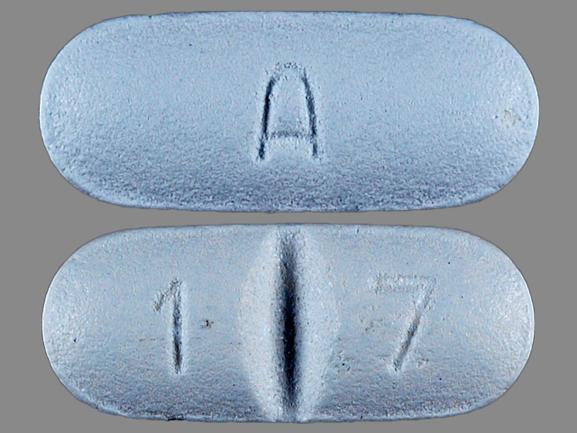
Sertraline
Generic name: sertraline [ SER-tra-leen ]
Brand name: Zoloft
Dosage forms: tablet (100 mg; 25 mg; 50 mg), capsules (150 mg; 200 mg) oral concentrate (20 mg/mL)
Drug class: Selective serotonin reuptake inhibitors
What is sertraline?
Sertraline (Zoloft) is a medication used for depression, panic disorders, obsessive-compulsive disorder (OCD), social anxiety disorder (SAD), post-traumatic stress disorder (PTSD), and premenstrual dysphoric disorder (PMDD). Sertraline is thought to work by balancing serotonin, a naturally occurring chemical messenger that affects mood and emotions. Sertraline is an SSRI (serotonin reuptake inhibitor) that increases serotonin levels between neurons (nerves) by blocking serotonin from being absorbed. Serotonin is sometimes called 5-hydroxytryptamine (5-HT).
The original sertraline brand name is Zoloft, which was FDA-approved on December 30, 1991, and it is now also available as a generic medicine.
It is available as sertraline 50mg tablets, 25mg tablets, 100mg tablets, 150mg capsules, 200mg capsules, and an oral solution of 20 mg/mL.
Who can take sertraline?
Zoloft brand of sertraline is FDA-approved to be used by adults with:
- major depressive disorder (MDD)
- obsessive-compulsive disorder (OCD)
- panic disorder (PD)
- post-traumatic stress disorder (PTSD)
- social anxiety disorder (SAD)
Zoloft is also approved to treat:
- OCD in children 6 years to 17 years
- premenstrual dysphoric disorder (PMDD)
Generic brands of sertraline may not be approved for the same indications or age groups as Zoloft.
Sertraline side effects
Common sertraline side effects
Common sertraline side effects are nausea, diarrhea, indigestion, loss of appetite, increased sweating, shaking or trembling, decreased appetite, inability to ejaculate, and decreased libido. These side effects occurred in 5% or more of patients using this medicine.
Serious sertraline side effects
Get emergency medical help if you have signs of an allergic reaction to sertraline HCL, such as a skin rash or hives (with or without fever or joint pain), difficulty breathing, or swelling of your face, lips, tongue, or throat.
Report any new or worsening symptoms to your doctor, such as mood or behavior changes, anxiety, panic attacks, trouble sleeping, or if you feel impulsive, irritable, agitated, hostile, aggressive, restless, hyperactive (mentally or physically), more depressed, or have thoughts about suicide or hurting yourself.
Sertraline may cause other serious side effects. Call your doctor at once if you have:
- unusual bleeding or bruising;
- a seizure;
- vision changes, eye pain, redness, or swelling;
- low blood sodium - headache, confusion, problems with thinking or memory, weakness, feeling unsteady; or
- manic episodes - racing thoughts, increased energy, unusual risk-taking behavior, extreme happiness, being irritable or talkative.
Seek medical attention right away if you have symptoms of serotonin syndrome, such as: agitation, hallucinations, fever, sweating, shivering, fast heart rate, muscle stiffness, twitching, loss of coordination, nausea, vomiting, or diarrhea.
Sertraline can affect growth in children. Your child's height and weight may be checked often.
This is not a complete list of side effects, and others may occur. Call your doctor for medical advice about side effects. You may report side effects to the FDA at 1-800-FDA-1088.
Related/similar drugs
Vraylar
Vraylar is a once a day antipsychotic medication used to treat mental health or mood disorders ...
Auvelity
Auvelity (dextromethorphan and bupropion) is used to treat major depressive disorder. Includes ...
Rexulti
Rexulti is an antipsychotic used to treat major depressive disorder, schizophrenia, or agitation ...
Lexapro
Lexapro is used to treat anxiety and major depressive disorder. Learn about side effects ...
Zoloft
Zoloft is an antidepressant used to treat major depression, obsessive-compulsive disorder, panic ...
Seroquel
Seroquel is used to treat the symptoms of schizophrenia, bipolar disorder and major depressive ...
Prozac
Prozac (fluoxetine) is an SSRI antidepressant used to treat depression, OCD, panic disorder ...
Cymbalta
Cymbalta (duloxetine) is used to treat major depressive disorder, general anxiety disorder and ...
Wellbutrin
Wellbutrin (bupropion) is used to treat major depressive disorder and seasonal affective disorder ...
Duloxetine
Duloxetine is a selective serotonin and norepinephrine reuptake inhibitor antidepressant used to ...
Warnings
People with depression or mental illness may have thoughts about suicide. Some young people may have increased suicidal thoughts when first starting a medicine to treat depression. Tell your doctor right away if you have any sudden changes in mood or behavior, or thoughts about suicide.
Do not stop taking sertraline without your doctor's advice.
Seek medical attention right away if you have symptoms of serotonin syndrome, such as agitation, hallucinations, fever, sweating, shivering, fast heart rate, muscle stiffness, twitching, loss of coordination, nausea, vomiting, or diarrhea.
This medicine can increase the risk of bleeding. Taking aspirin, nonsteroidal anti-inflammatory drugs (NSAIDs), other antiplatelet drugs, warfarin, and other anticoagulants may increase this risk.
This medicine may cause activation of mania or hypomania, so screen patients with bipolar disorder.
Sertraline should be used with caution in patients with seizure disorders.
Angle-closure glaucoma: Avoid the use of sertraline in patients with untreated anatomically narrow angles.
This medicine may cause symptoms of sexual dysfunction.
You should not use sertraline if you also take pimozide or if you are being treated with methylene blue injection.
Before taking this medicine
You should not use sertraline if you are allergic to it, or if you also take pimozide. Do not use the liquid form of this medicine if you take disulfiram (Antabuse).
if you have used an MAO inhibitor in the past 14 days, a dangerous drug interaction could occur. MAO inhibitors include isocarboxazid, linezolid, methylene blue injection, phenelzine, and tranylcypromine. Wait at least 14 days after stopping an MAO inhibitor before you take sertraline.
Tell your doctor if you also take stimulant medicine, opioid medicine, herbal products, or medicine for depression, mental illness, Parkinson's disease, migraine headaches, serious infections, or prevention of nausea and vomiting. An interaction with sertraline could cause a serious condition called serotonin syndrome.
To make sure sertraline is safe for you, tell your doctor if you have ever had:
- an allergy or sensitivity to aspirin or tartrazine (food dye) or latex (Zoloft oral solution - the dropper dispenser contains natural rubber);
- bipolar disorder (manic depression);
- heart disease, high blood pressure, or a stroke;
- liver or kidney disease;
- seizures;
- glaucoma;
- bleeding problems, or if you take warfarin (Coumadin, Jantoven);
- long QT syndrome; or
- low levels of sodium in your blood.
Some young people may have increased suicidal thoughts when first starting a medicine to treat depression. Your doctor will need to check your progress on a regular basis. Your family or caregivers should also watch for sudden changes in your behavior.
Sertraline is approved for use in children at least 6 years old, only to treat obsessive-compulsive disorder but not depression.
Pregnancy
Taking sertraline during pregnancy could harm the baby, but stopping the medicine may not be safe for you. Do not start or stop this medicine without asking your doctor.
If you are pregnant, your name may be listed on a pregnancy registry to track the effects of sertraline on the baby.
Breastfeeding
Ask a doctor if it is safe to breastfeed while using this medicine.
How should I take sertraline?
Take sertraline exactly as prescribed by your doctor. Follow all directions on your prescription label and read all medication guides or instruction sheets. Your doctor may occasionally change your dose.
Take sertraline with or without food, in the morning or evening, but at the same time each day.
Capsules: Swallow the capsule whole, and do not crush, chew, break, or open it.
Oral liquid (oral concentrate): This must be diluted with only water, ginger ale, lemon/lime soda, lemonade, or orange juice right before you take it. Read and carefully follow all mixing instructions provided with your medicine. Ask your doctor or pharmacist if you need help. Measure the mixed medicine with the supplied syringe or the dose-measuring device (not a kitchen spoon).
Sertraline may cause false results on a drug-screening urine test. Tell the laboratory staff that you use this medicine.
Do not stop using sertraline suddenly, or you could have unpleasant symptoms (such as agitation, confusion, tingling, or electric shock feelings). Ask your doctor before stopping the medicine.
Dosing information
Usual Adult Dose for Depression
- Initial dose: 50 mg orally once a day
- Maintenance Dose: 50 to 200 mg orally once a day.
Usual Adult Dose for Obsessive Compulsive Disorder
- Initial dose: 50 mg orally once a day
- Maintenance Dose: 50 to 200 mg orally once a day
Usual Adult Dose for Panic Disorder
- Initial dose: 25 mg orally once a day, increased after one week to 50 mg orally once a day
- Maintenance dose: 50 to 200 mg orally once a day.
Usual Adult Dose for Post Traumatic Stress Disorder
- Initial dose: 25 mg orally once a day, increased after one week to 50 mg orally once a day
- Maintenance dose: 50 to 200 mg orally once a day
Usual Adult Dose for Social Anxiety Disorder
- Initial dose: 25 mg orally once a day, increased after one week to 50 mg orally once a day
- Maintenance dose: 50 to 200 mg orally once a day.
Usual Adult Dose for Premenstrual Dysphoric Disorder
Continuous regimen:
- Initial dose: 50 mg orally once a day during the menstrual cycle
- Maintenance dose: 50 to 150 mg orally once a day during the menstrual cycle
Cyclic regimen:
- Initial dose: 50 mg orally once a day starting 14 days prior to the anticipated start of menstruation through to the first full day of menses, and repeated with each new cycle
- Maintenance dose: 50 to 100 mg orally once a day.
Usual Pediatric Dose for Obsessive Compulsive Disorder:
6 to 12 years:
- Initial dose: 25 mg orally once a day
Maintenance dose: 25 to 200 mg orally once a day
13 to 17 years
- Initial dose: 50 mg orally once a day
- Maintenance dose: 50 to 200 mg orally once a day.
What happens if I miss a dose?
Take the medicine as soon as you can, but skip the missed dose if it is almost time for your next dose. Do not take two doses at one time.
What happens if I overdose?
Seek emergency medical attention or call the Poison Help line at 1-800-222-1222.
What should I avoid while taking sertraline?
Drinking alcohol with sertraline can cause side effects.
Avoid driving or hazardous activity until you know how this medicine will affect you. Your reactions could be impaired.
What other drugs will affect sertraline?
Sertraline can cause a serious heart problem. Your risk may be higher if you also use certain other medicines for infections, asthma, heart problems, high blood pressure, depression, mental illness, cancer, malaria, or HIV.
Ask your doctor before taking a nonsteroidal anti-inflammatory drug (NSAID) such as aspirin, ibuprofen, naproxen, Advil, Aleve, Motrin, and others. Using an NSAID with sertraline may cause you to bruise or bleed easily.
Other drugs may interact with sertraline, including prescription and over-the-counter medicines, vitamins, and herbal products. Tell your doctor about all other medicines you use.Where can I get more information?
Remember, keep this and all other medicines out of the reach of children, never share your medicines with others, and use sertraline only for the indication prescribed.
Popular FAQ
How long does Zoloft (sertraline) withdrawal last?
Sertraline (Zoloft) withdrawal symptoms typically last up to 1 to 2 weeks, but may last even longer in some people. You should avoid abruptly stopping sertraline treatment unless otherwise directed by your healthcare provider. Gradually reducing the dose over 2 to 4 weeks can help to prevent severe withdrawal symptoms in most people. Continue reading
How long does Zoloft (sertraline) take to work?
Does Zoloft (sertraline) cause weight gain?
Zoloft (sertraline) may lead to a small weight gain ranging from 1% to 1.6% of initial body weight when used over 6 months to 1 year. In the short-term, weight gain is not significant, but most people need to take Zoloft for an extended period of time. Continue reading
Is Zoloft (sertraline) a controlled substance?
No, Zoloft (sertraline) is not a controlled substance. It is in an antidepressant drug class known as selective serotonin reuptake inhibitors (SSRIs). Zoloft is commonly used to treat depression, anxiety, panic attacks and other mood disorders. Doses should be stopped slowly to help prevent withdrawal symptoms. Zoloft can be used for long-term treatment if needed. Continue reading
More FAQ
- SSRIs vs SNRIs - What's the difference between them?
- Prozac vs Zoloft - What are the Differences & Similarities?
- What are some common side effects of antidepressants?
- Can I take tramadol with sertraline?
References
More about sertraline
- Check interactions
- Compare alternatives
- Pricing & coupons
- Reviews (4,587)
- Drug images
- Side effects
- Dosage information
- Patient tips
- During pregnancy
- Support group
- Drug class: selective serotonin reuptake inhibitors
- Breastfeeding
- En español
Patient resources
Other brands
Professional resources
- Sertraline monograph
- Sertraline (FDA)
- Sertraline Capsule (FDA)
- Sertraline ER Tablets (FDA)
- Sertraline Oral Concentrate (FDA)
- Sertraline Oral Solution (FDA)
Other brands
Related treatment guides
Further information
Always consult your healthcare provider to ensure the information displayed on this page applies to your personal circumstances.
Copyright 1996-2025 Cerner Multum, Inc. Version: 29.01.