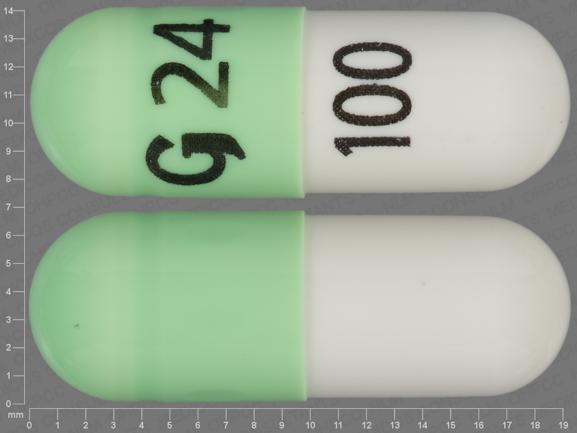
Zonisamide
Generic name: zonisamide [ zoe-NIS-a-mide ]
Brand names: Zonegran, Zonisade
Dosage forms: oral capsule (100 mg; 25 mg; 50 mg), oral suspension (100 mg/5 mL)
Drug class: Carbonic anhydrase inhibitor anticonvulsants
What is zonisamide?
Zonisamide is used together with other medicines to treat partial seizures in adults and teenagers at least 16 years old.
Zonisamide may also be used for purposes not listed in this medication guide.
Zonisamide side effects
Get emergency medical help if you have signs of an allergic reaction (hives, difficult breathing, swelling in your face or throat) or a severe skin reaction (fever, sore throat, burning eyes, skin pain, red or purple skin rash with blistering and peeling).
Tell your doctor right away if you have new or sudden changes in mood or behavior, including new or worse depression or anxiety, panic attacks, trouble sleeping, or if you feel impulsive, irritable, agitated, hostile, aggressive, restless, more active or talkative, or have thoughts about suicide or hurting yourself.
Zonisamide may cause serious side effects. Call your doctor at once if you have:
-
eye pain or redness or any changes in your vision;
-
decreased sweating, feeling very hot;
-
increased or worsening seizures;
-
any skin rash, no matter how mild;
-
signs of metabolic acidosis--confusion, vomiting, lack of energy, irregular heartbeats;
-
symptoms of a blood cell disorder--fever, chills, body aches, flu symptoms, sores in your mouth and throat;
-
signs of a kidney stone--pain in your side or lower back, blood in your urine, stomach pain, painful or difficult urination; or
-
severe skin reaction--fever, sore throat, swelling in your face or tongue, burning in your eyes, skin pain followed by a red or purple skin rash that spreads (especially in the face or upper body) and causes blistering and peeling.
Common side effects of zonisamide may include:
-
drowsiness, dizziness;
-
problems with memory or trouble concentrating;
-
being agitated or feeling irritable;
-
loss of coordination, trouble walking; or
-
loss of appetite.
This is not a complete list of side effects and others may occur. Call your doctor for medical advice about side effects. You may report side effects to FDA at 1-800-FDA-1088.
Related/similar drugs
Warnings
Taking zonisamide can cause permanent vision loss. Tell your doctor right away if you have any eye pain or redness or any changes in your vision.
Zonisamide may cause a severe skin reaction that can be fatal. Call your doctor right away if you have skin redness or a rash that spreads and causes blistering and peeling.
Zonisamide may cause decreased sweating and increased body temperature (fever). Children and people exposed to hot weather may be more likely to have this side effect.
Some people have thoughts about suicide while taking zonisamide. Stay alert to changes in your mood or symptoms. Your family or caregivers should also watch for sudden changes in your behavior.
Before taking this medicine
You should not take zonisamide if you are allergic to it.
You may not be able to take zonisamide if you have ever had a severe allergic to sulfa drugs.
Tell your doctor if you have or have ever had:
-
high levels of ammonia;
-
a growth problem;
-
a bone disorder that causes soft or weak bones or low bone mineral density;
-
depression, mood changes, or suicidal thoughts or actions;
-
if you have ever had metabolic acidosis (too much acid in your blood);
-
if you have been on a ketogenic diet (high-fat, high-protein, low-carb);
-
liver disease; or
-
kidney disease.
Some people have thoughts about suicide while taking zonisamide. Your doctor will need to check your progress on a regular basis. Stay alert to changes in your mood or symptoms. Your family or caregivers should also watch for sudden changes in your behavior.
May harm an unborn baby. Use birth control while using zonisamide and for at least one month after your last dose. Tell your doctor right away if a pregnancy occurs.
If you are pregnant, your name may be listed on a pregnancy registry to track the effects of zonisamide on the baby.
Ask a doctor if it is safe to breastfeed while using this medicine.
How should I take zonisamide?
Follow all directions on your prescription label and read all medication guides or instruction sheets. Your doctor may occasionally change your dose. Use the medicine exactly as directed.
You may take zonisamide with or without food and drink plenty of liquids while you are taking this medicine.
Swallow the capsule whole and do not crush, chew, break, or open it.
Shake the oral suspension (liquid). Measure a dose with the supplied measuring device (not a kitchen spoon).
You will need blood and kidney function tests before and during treatment with zonisamide.
Seizures may increase if you stop using zonisamide suddenly. Ask your doctor before stopping the medicine. Follow your doctor's instructions about tapering your dose.
Do not share this medicine with another person, even if they have the same symptoms you have.
Throw away the oral suspension after 30 days, even if there is still medicine left inside.
Store at room temperature away from moisture, heat, and light.
Zonisamide dosing information
Usual Adult Dose for Seizures:
16 years of age and older:
-Initial dose: 100 mg orally once a day
-Titration: After 2 weeks at 100 mg/day, the dose may be increased to 200 mg/day as either a single or divided dose (100 mg orally 2 times a day) for at least 2 weeks; it can then be increased to 300 mg/day, then 400 mg/day either as a single daily dose or divided into 2 daily doses, with the dose stable for at least 2 weeks to achieve steady state at each level
-Maintenance dose: 400 mg/day
-Maximum dose: 600 mg/day
Comments:
-This drug may be taken with or without food.
-Capsules should be swallowed whole.
-Because of the long half-life of this drug, up to 2 weeks may be required to achieve steady state levels upon reaching a stable dose or following dosage adjustment.
-The prescriber may wish to prolong the duration of treatment at the lower doses in order to fully assess the effects of this drug at steady state (noting that many of the side effects are more frequent at doses of 300 mg per day and above). Although there is some evidence of greater response at doses above 100 to 200 mg/day, the increase appears small and formal dose response studies have not been conducted.
Use: As adjunctive therapy in the treatment of partial seizures
Usual Pediatric Dose for Seizures:
Less than 16 years of age: Not recommended
16 years of age and older: See adult dosing
What happens if I miss a dose?
Take the medicine as soon as you can, but skip the missed dose if it is almost time for your next dose. Do not take two doses at one time.
What happens if I overdose?
Seek emergency medical attention or call the Poison Help line at 1-800-222-1222.
Overdose symptoms may include slow heart rate, feeling light-headed, fainting, and slow or shallow breathing.
What should I avoid while taking zonisamide?
Avoid driving or hazardous activity until you know how zonisamide will affect you. Your reactions could be impaired.
Drinking alcohol with this medicine can cause side effects.
What other drugs will affect zonisamide?
Taking zonisamide with other drugs that make you drowsy can worsen this effect. Ask your doctor before taking zonisamide with a sleeping pill, narcotic pain medicine, muscle relaxer, or medicine for anxiety or seizures.
Other drugs may affect zonisamide, including prescription and over-the-counter medicines, vitamins, and herbal products. Tell your doctor about all other medicines you use.
More about zonisamide
- Check interactions
- Compare alternatives
- Pricing & coupons
- Reviews (146)
- Drug images
- Side effects
- Dosage information
- During pregnancy
- Drug class: carbonic anhydrase inhibitor anticonvulsants
- Breastfeeding
- En español
Patient resources
Other brands
Professional resources
Other brands
Related treatment guides
Further information
Remember, keep this and all other medicines out of the reach of children, never share your medicines with others, and use this medication only for the indication prescribed.
Always consult your healthcare provider to ensure the information displayed on this page applies to your personal circumstances.
Copyright 1996-2025 Cerner Multum, Inc. Version: 12.02.