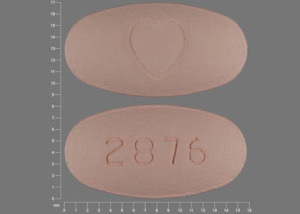
Avalide
Generic name: hydrochlorothiazide and irbesartan [ HYE-droe-KLOR-oh-THYE-a-zide-and-ir-be-SAR-tan ]
Drug class: Angiotensin II inhibitors with thiazides
What is Avalide?
Avalide tablets contain a combination of hydrochlorothiazide and irbesartan. Hydrochlorothiazide is a thiazide diuretic (water pill) that helps prevent your body from absorbing too much salt, which can cause fluid retention.
Irbesartan is an angiotensin II receptor antagonist. Irbesartan keeps blood vessels from narrowing, which lowers blood pressure and improves blood flow.
Avalide is used to treat high blood pressure (hypertension).
Avalide may also be used for purposes not listed in this medication guide.
Warnings
Do not use Avalide if you are pregnant. If you become pregnant, stop taking this medicine and tell your doctor right away.
You should not use this medicine if you are unable to urinate, or if you are allergic to sulfa drugs.
If you have diabetes, do not use Avalide together with any medication that contains aliskiren (such as Tekturna or Tekamlo).
In rare cases, Avalide can cause a condition that results in the breakdown of skeletal muscle tissue, leading to kidney failure. Call your doctor right away if you have muscle pain, tenderness, or weakness especially if you also have fever, nausea or vomiting, and dark colored urine.
Before taking this medicine
You should not use Avalide if you are allergic to irbesartan or hydrochlorothiazide, or:
-
if you are unable to urinate; or
-
if you are allergic to sulfa drugs.
If you have diabetes, do not use Avalide together with any medication that contains aliskiren (such as Tekturna or Tekamlo).
You may also need to avoid taking Avalide with aliskiren if you have kidney disease.
To make sure this medicine is safe for you, tell your doctor if you have ever had:
-
liver disease;
-
congestive heart failure;
-
glaucoma;
-
low or high levels of potassium in your blood;
-
asthma or allergies;
-
high cholesterol or triglyceride levels;
-
gout;
-
lupus;
-
diabetes; or
-
an allergy to penicillin.
Do not use if Avalide you are pregnant. Stop using the medicine and tell your doctor right away if you become pregnant. Irbesartan can cause injury or death to the unborn baby if you take the medicine during your second or third trimester.
You should not breastfeed while using this medicine.
How should I take Avalide?
Take Avalide exactly as prescribed by your doctor. Follow all directions on your prescription label. Your doctor may occasionally change your dose. Do not take this medicine in larger or smaller amounts or for longer than recommended.
You may take Avalide with or without food.
Call your doctor if you have ongoing vomiting or diarrhea, or if you are sweating more than usual. You can easily become dehydrated while taking this medication, which can lead to severely low blood pressure or a serious electrolyte imbalance.
Your blood pressure will need to be checked often. Your blood and urine may also be tested if you have been vomiting or are dehydrated.
If you need surgery or medical tests, tell the surgeon ahead of time that you are using Avalide.
It may take up to 4 weeks for this medication to control your blood pressure. Keep using this medicine as directed, even if you feel well. High blood pressure often has no symptoms. You may need to use blood pressure medication for the rest of your life.
Store at room temperature away from moisture and heat.
Dosing information
Usual Adult Dose for Hypertension:
Initial therapy: Hydrochlorothiazide 12.5 mg-Irbesartan 150 mg orally once a day; may increase after 1 to 2 weeks.
Add-on/Replacement therapy: Hydrochlorothiazide 12.5 to 25 mg-Irbesartan 150 to 300 mg orally once a day
Maximum dose: Hydrochlorothiazide 25 mg-Irbesartan 300 mg orally once a day
Comments:
-The recommended doses in order of increasing mean effect are (hydrochlorothiazide-irbesartan): 12.5 mg-150 mg, 12.5 mg-300 mg, 25 mg-300 mg; the largest incremental effect will likely be from monotherapy to 12.5 mg-150 mg.
-Maximum antihypertensive effect is attained within 2 to 4 weeks after a change in dose.
What happens if I miss a dose?
Take the medicine as soon as you can, but skip the missed dose if it is almost time for your next dose. Do not take two doses at one time.
What happens if I overdose?
Seek emergency medical attention or call the Poison Help line at 1-800-222-1222.
Overdose symptoms may include fast or slow heartbeat, feeling light-headed, or fainting.
What to avoid
Hydrochlorothiazide may increase your risk of skin cancer. Avoid sunlight or tanning beds. Wear protective clothing and use sunscreen (SPF 30 or higher) when you are outdoors. Your doctor may want you to have skin examinations on a regular basis.
If you also take cholestyramine or colestipol, avoid taking these medications within 4 hours before or 4 hours after you take Avalide.
Drinking alcohol can further lower your blood pressure and may cause side effects.
Do not use potassium supplements or salt substitutes while you are taking Avalide, unless your doctor has told you to.
Avalide side effects
Get emergency medical help if you have signs of an allergic reaction to Avalide: hives; difficulty breathing; swelling of your face, lips, tongue, or throat.
In rare cases, Avalide can cause a condition that results in the breakdown of skeletal muscle tissue, leading to kidney failure. Call your doctor right away if you have unexplained muscle pain, tenderness, or weakness especially if you also have fever, unusual tiredness, and dark colored urine.
Also call your doctor at once if you have:
-
eye pain, vision problems;
-
a light-headed feeling, like you might pass out;
-
little or no urinating;
-
jaundice (yellowing of the skin or eyes);
-
easy bruising, unusual bleeding; or
-
signs of an electrolyte imbalance - increased thirst or urination, confusion, vomiting, constipation, muscle pain or weakness, leg cramps, bone pain, lack of energy, irregular heartbeats, tingly feeling.
Common Avalide side effects may include:
-
dizziness;
-
muscle or joint pain; or
-
feeling tired.
This is not a complete list of side effects and others may occur. Call your doctor for medical advice about side effects. You may report side effects to FDA at 1-800-FDA-1088.
Related/similar drugs
What other drugs will affect Avalide?
If you also take cholestyramine or colestipol, take your Avalide dose 4 hours before or 4 hours after you take the other medicine.
Tell your doctor about all your current medicines and any you start or stop using, especially:
-
carbamazepine;
-
insulin or oral diabetes medicine;
-
lithium; or
-
NSAIDs (nonsteroidal anti-inflammatory drugs) - aspirin, ibuprofen (Advil, Motrin), naproxen (Aleve), celecoxib, diclofenac, indomethacin, meloxicam, and others.
This list is not complete. Other drugs may interact with hydrochlorothiazide and irbesartan, including prescription and over-the-counter medicines, vitamins, and herbal products. Not all possible drug interactions are listed in this medication guide.
More about Avalide (hydrochlorothiazide / irbesartan)
- Check interactions
- Compare alternatives
- Pricing & coupons
- Reviews (5)
- Drug images
- Latest FDA alerts (4)
- Side effects
- Dosage information
- During pregnancy
- Generic availability
- Drug class: angiotensin II inhibitors with thiazides
- En español
Professional resources
Related treatment guides
Further information
Remember, keep this and all other medicines out of the reach of children, never share your medicines with others, and use Avalide only for the indication prescribed.
Always consult your healthcare provider to ensure the information displayed on this page applies to your personal circumstances.
Copyright 1996-2025 Cerner Multum, Inc. Version: 11.01.