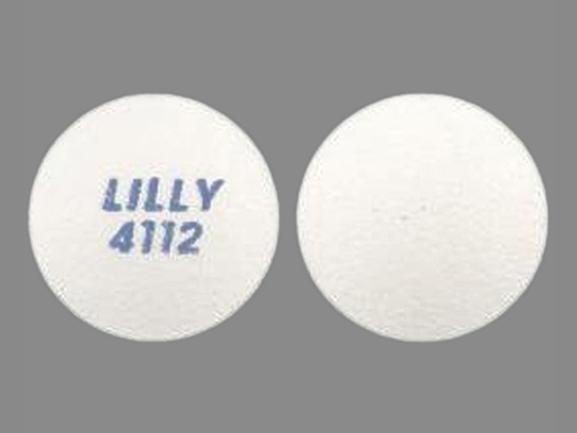
Zyprexa Side Effects
Generic name: olanzapine
Medically reviewed by Drugs.com. Last updated on May 24, 2025.
Note: This document provides detailed information about Zyprexa Side Effects associated with olanzapine. Some dosage forms listed on this page may not apply specifically to the brand name Zyprexa.
Applies to olanzapine: oral tablet, oral tablet disintegrating.
Other dosage forms:
Important warnings
This medicine can cause some serious health issues
Oral route (tablet; tablet, disintegrating)
Risk of death is increased in elderly patients with dementia-related psychosis treated with antipsychotic drugs.
Although the causes of death in clinical trials were varied, most of the deaths appeared to be either cardiovascular (eg, heart failure, sudden death) or infectious (eg, pneumonia) in nature.
Observational studies suggest that antipsychotic drugs may increase mortality.
It is unclear from these studies to what extent the mortality findings may be attributed to the antipsychotic drug as opposed to patient characteristics.
Olanzapine is not approved for the treatment of patients with dementia-related psychosis.
Precautions
It is very important that your doctor check your or your child's progress at regular visits to make sure this medicine is working properly. Blood tests may be needed to check for unwanted effects.
Olanzapine may cause some people to be agitated, irritable, or display other abnormal behaviors. It may also cause some people to have suicidal thoughts and tendencies or to become more depressed. If you or your caregiver notice any of these unwanted effects, tell your doctor right away.
This medicine may cause a condition called drug reaction with eosinophilia and systemic symptoms (DRESS). Call your doctor right away if you have a rash, red, swollen skin, fever, chills, cough, trouble breathing, swollen glands, or unusual bleeding, bruising, or weakness after using this medicine.
This medicine may increase the amount of sugar in your blood. Check with your doctor right away if you have increased thirst or increased urination. If you or your child have diabetes, you may notice a change in the results of your urine or blood sugar tests. If you have any questions, check with your doctor.
This medicine may increase your cholesterol and fats in the blood. If this condition occurs, your doctor may give you or your child some medicines that can lower the amount of cholesterol and fats in the blood.
This medicine may increase your weight. Your doctor may need to check your or your child's weight on a regular basis while you are using this medicine.
Check with your doctor right away if you have difficulty with breathing, a fast heartbeat, a high fever, high or low blood pressure, increased sweating, loss of bladder control, seizures, severe muscle stiffness, unusually pale skin, or tiredness. These could be symptoms of a serious condition called neuroleptic malignant syndrome (NMS).
This medicine may cause tardive dyskinesia (a movement disorder). Check with your doctor right away if you or your child have lip smacking or puckering, puffing of the cheeks, rapid or worm-like movements of the tongue, uncontrolled chewing movements, or uncontrolled movements of the arms and legs.
Dizziness, lightheadedness, or fainting may occur, especially when you get up from a lying or sitting position. Getting up slowly may help. If this problem continues or gets worse, check with your doctor.
This medicine can temporarily lower the number of white blood cells in your blood, increasing the chance of getting an infection. If you can, avoid people with infections. Check with your doctor immediately if you or your child think you are getting an infection or if you get a fever or chills, cough or hoarseness, lower back or side pain, or painful or difficult urination.
Olanzapine may cause drowsiness, trouble with thinking, trouble with controlling body movements, or trouble with your vision, which may lead to falls, fractures or other injuries. Make sure you know how you react to this medicine before you drive, use machines, or do other jobs that require you to be alert, well-coordinated, or able to think or see well.
This medicine may add to the effects of alcohol and other central nervous system (CNS) depressants (medicines that make you drowsy or less alert). Some examples of CNS depressants are antihistamines or medicines for allergies or colds, sedatives, tranquilizers, or sleeping medicines, prescription pain medicines or narcotics, medicines for seizures or barbiturates, muscle relaxants, or anesthetics, including some dental anesthetics. Check with your doctor before taking any CNS depressants while you are taking this medicine.
This medicine may make it more difficult for your body to cool down. It might reduce how much you sweat. Your body could get too hot if you do not sweat enough. If your body gets too hot, you might feel dizzy, weak, tired, or confused. You might vomit or have an upset stomach. Do not get too hot while you are exercising. Avoid places that are very hot. Call your doctor if you are too hot and can not cool down.
Do not take other medicines unless they have been discussed with your doctor. This includes prescription or nonprescription (over-the-counter [OTC]) medicines) and herbal or vitamin supplements.
Serious side effects of Zyprexa
Along with its needed effects, olanzapine (the active ingredient contained in Zyprexa) may cause some unwanted effects. Although not all of these side effects may occur, if they do occur they may need medical attention.
Check with your doctor immediately if any of the following side effects occur while taking olanzapine:
More common side effects
- bloating or swelling of the face, arms, hands, lower legs, or feet
- blurred vision
- change in vision
- change in walking and balance
- clumsiness or unsteadiness
- difficulty with speaking
- difficulty with swallowing
- drooling
- impaired vision
- inability to sit still
- loss of balance control
- mask-like face
- muscle trembling, jerking, or stiffness
- need to keep moving
- rapid weight gain
- restlessness
- shuffling walk
- slowed movements
- slurred speech
- stiffness of the arms and legs
- tic-like (jerky) movements of the head, face, mouth, and neck
- tingling of the hands or feet
- trembling or shaking of the fingers, hands, feet, legs, or arms
- twisting movements of the body
- uncontrolled movements, especially of the face, neck, and back
- unusual weight gain or loss
Less common side effects
- bladder pain
- bloody or cloudy urine
- bruising
- burning, crawling, itching, numbness, prickling, "pins and needles", or tingling feelings
- chest pain
- difficult or labored breathing
- difficult, burning, or painful urination
- dizziness
- excessive muscle tone
- frequent urge to urinate
- headache
- inability to move the eyes
- increased blinking or spasms of the eyelid
- itching of the vagina or genital area
- lack of coordination
- large, flat, blue, or purplish patches in the skin
- loss of bladder control
- loss of memory
- lower back or side pain
- muscle tension or tightness
- nervousness
- pain during sexual intercourse
- pounding in the ears
- problems with memory
- rhythmic movement of the muscles
- slow, fast, pounding, or irregular heartbeat or pulse
- speaking is less clear than usual
- sticking out the tongue
- thick, white vaginal discharge with no odor or with a mild odor
- tightness in the chest
- twitching
- uncontrolled twisting movements of the neck, trunk, arms, or legs
- unusual or incomplete body or facial movements
- weakness of the arms and legs
Other side effects of Zyprexa
Some side effects of olanzapine may occur that usually do not need medical attention. These side effects may go away during treatment as your body adjusts to the medicine. Also, your health care professional may be able to tell you about ways to prevent or reduce some of these side effects.
Check with your health care professional if any of the following side effects continue or are bothersome or if you have any questions about them:
More common side effects
- acid or sour stomach
- back pain
- belching
- change in personality
- difficulty having a bowel movement (stool)
- discouragement
- feeling sad or empty
- fever
- heartburn
- increased appetite
- increased cough
- indigestion
- lack of appetite
- lack or loss of strength
- loss of interest or pleasure
- runny nose
- sneezing
- stomach discomfort, upset, or pain
- stuffy nose
- thirst
- trouble sleeping
- trouble with concentrating
- watering of the mouth
Less common side effects
- blemishes on the skin
- body aches or pain
- chills
- cold sweats
- congestion
- cough
- dry skin
- dryness or soreness of the throat
- false or unusual sense of well-being
- heavy menstrual bleeding (periods)
- hoarseness
- joint pain
- lack of feeling or emotion
- leg cramps
- pain in the arms or legs
- pimples
- sweating
- tender, swollen glands in the neck
- uncaring feelings
- voice change
- vomiting
See also:
Vraylar
Vraylar is a once a day antipsychotic medication used to treat mental health or mood disorders ...
Auvelity
Auvelity (dextromethorphan and bupropion) is used to treat major depressive disorder. Includes ...
Caplyta
Caplyta is used to treat schizophrenia or depression associated with bipolar disorder. It is taken ...
Lexapro
Lexapro is used to treat anxiety and major depressive disorder. Learn about side effects ...
Zoloft
Zoloft is an antidepressant used to treat major depression, obsessive-compulsive disorder, panic ...
Seroquel
Seroquel is used to treat the symptoms of schizophrenia, bipolar disorder and major depressive ...
Prozac
Prozac (fluoxetine) is an SSRI antidepressant used to treat depression, OCD, panic disorder ...
Cymbalta
Cymbalta (duloxetine) is used to treat major depressive disorder, general anxiety disorder and ...
Wellbutrin
Wellbutrin (bupropion) is used to treat major depressive disorder and seasonal affective disorder ...
For healthcare professionals
Applies to olanzapine: intramuscular powder for injection, intramuscular powder for injection extended release, oral tablet, oral tablet disintegrating.
Nervous system adverse events
Oral formulations:
- Very common (10% or more): Somnolence (up to 52%), sedation (up to 48%), akathisia/akathisia events (up to 27%), tremor (up to 23%), parkinsonism/parkinsonism events (up to 20%), dizziness (up to 18%), headache (up to 17%), any extrapyramidal event (up to 10%)
- Common (1% to 10%): Abnormal gait, amnesia, articulation impairment, dyskinesia/dyskinetic events, dystonia/dystonic events, hypertonia, incoordination, mild/transient anticholinergic effects, paresthesia, speech disorder
- Uncommon (0.1% to 1%): Ataxia, cerebrovascular accident, dysarthria, restless legs syndrome, seizures, stupor, tardive dyskinesia
- Rare (0.01% to 0.1%): Coma, hangover effect, neuroleptic malignant syndrome
- Frequency not reported: Akinesia, choreoathetosis, cogwheel rigidity, dyskinesia, dystonia, extrapyramidal disorder, generalized spasm, hypersomnia, hypokinesia, masked facies, movement disorder, myoclonus, opisthotonos, tardive dyskinesia, twitching
- Postmarketing reports: Diabetic coma
Immediate-release IM injection:
- Very common (10% or more): Sedation (up to 44.1%)
- Common (1% to 10%): Abnormal gait, akathisia/akathisia events, any extrapyramidal events, dizziness, parkinsonism/parkinsonism events, somnolence, speech disorder, tremor
- Uncommon (0.1% to 1%): Amnesia, restless legs syndrome, syncope
- Frequency not reported: Akinesia, choreoathetosis, cogwheel rigidity, dyskinesia, dyskinetic events, dystonia, dystonic events, extrapyramidal disorder, generalized spasm, hyperkinesia, hypersomnia, hypertonia, hypokinesia, masked facies, movement disorder, myoclonus, opisthotonos, twitching
- Postmarketing reports: Diabetic coma, neuroleptic malignant syndrome, seizures
Extended-release IM injection:
- Very common (10% or more): Headache/tension headache (up to 18%), sedation/somnolence (up to 13%)
- Common (1% to 10%): Akathisia, dizziness, dysarthria, dyskinesia, hypersomnia, mild/transient anticholinergic effects, parkinsonism, tremor
- Uncommon (0.1% to 1%): Amnesia, dystonia, seizures, restless legs syndrome, tardive dyskinesia
- Rare (0.01% to 0.1%): Neuroleptic malignant syndrome
- Frequency not reported: Abnormal gait, ataxia, cerebrovascular adverse reactions, coma, convulsions, dystonia, extrapyramidal symptoms, speech disorder, tardive extrapyramidal syndromes
- Postmarketing reports: Diabetic coma[Ref]
Post-Injection delirium/sedation syndrome, a collection of signs and symptoms consistent with olanzapine overdose has been reported following injections of the extended-release IM suspension. Events occurred in less than 0.1% of injections and in approximately 2% of patients receiving injections for up to 46 months. Onset of events ranged from soon after injection to greater than 3 hours later. The majority of patients were hospitalized and some required supportive care, including intubation. Two deaths have been reported occurring 3 to 4 days after receiving the appropriate dose of the extended-release IM suspension. In these patients, very high olanzapine blood levels were reported after death. A study undertaken to determine the cause of the elevated drug levels in these 2 deaths provides inconclusive results. As reported in a 3-23-2015 drug safety communication issued by the US Food and Drug Administration, a study in animals found much of the drug level increases could have occurred after death, but the possibility that the deaths were caused by a rapid, but delayed entry of the drug in to the bloodstream could not be ruled out.
Akathisia most commonly occurred with oral doses of 15 mg/day; akathisia events included akathisia and hyperkinesia.
Dyskinetic events included buccoglossal syndrome, choreoathetosis, dyskinesia, and tardive dyskinesia.
Dystonic events included dystonia, generalized spasm, neck rigidity, oculogyric crisis, opisthotonos, and torticollis.
Parkinsonism/parkinsonism events most commonly occurred with oral doses of 15 mg/day and included akinesia, cogwheel rigidity, extrapyramidal syndrome, hypertonia, hypokinesia, masked facies, and tremor.
Sedation most commonly occurred in adolescent patients given oral doses at least 2.5 mg/day over 3 weeks; sedation included hypersomnia, lethargy, sedation, and somnolence.
Somnolence and tremor most commonly occurred with oral doses given with lithium or valproate.[Ref]
Cardiovascular
Oral formulations:
- Common (1% to 10%): Chest pain, edema, hypertension, peripheral edema, postural/orthostatic hypotension, tachycardia
- Uncommon (0.1% to 1%): Bradycardia, deep vein thrombosis, QT prolongation, vasodilation
- Rare (0.01% to 0.1%): Ventricular tachycardia/fibrillation
- Postmarketing reports: Cardiac arrest, torsade de pointes, venous thromboembolic events, venous thromboembolism, ventricular arrhythmia
Immediate-release IM injection:
- Common (1% to 10%): Bradycardia, hypotension, peripheral edema, postural/orthostatic hypotension, tachycardia
- Uncommon (0.1% to 1%): Photosensitivity reaction
- Postmarketing reports: Deep vein thrombosis, cardiac arrest, QT prolongation, torsade de pointes, venous thromboembolic events, venous thromboembolism, ventricular arrhythmia
Extended-release IM injection:
- Common (1% to 10%): Bradycardia with/without hypotension/syncope, edema, electrocardiogram QT-corrected interval prolonged, hypertension, hypotension, orthostatic hypotension, peripheral edema, tachycardia
- Uncommon (0.1% to 1%): Deep vein thrombosis, thromboembolism
- Rare (0.01% to 0.1%): Ventricular tachycardia/fibrillation
- Postmarketing reports: Cardiac arrest, deep vein thrombosis, torsades de pointes, venous thromboembolic events/venous thromboembolism[Ref]
Collective data gathered from 17 placebo-controlled clinical studies (n=5106) involving the use of atypical antipsychotic agents, including olanzapine, for the treatment of behavioral disorders in the elderly patient with dementia showed a risk of death 1.6 to 1.7 times greater in the drug treated patient than in the placebo treated patient. The average length of duration for the trials was 10 weeks with the cause of death in the majority of cases, though not all, reported as either cardiovascular (e.g., heart failure, sudden death) or infectious (e.g., pneumonia) in nature. Olanzapine is not approved by the FDA for use in the treatment of behavioral disorders in elderly patients with dementia.[Ref]
Metabolic
Oral formulations:
- Very common (10% or more): Weight gain/increased weight greater than/equal to 7% of baseline body weight (up to 89.4%), fasting borderline to high triglycerides (up to 59.5%), fasting borderline to high total cholesterol (up to 38.9%), increased appetite (up to 29%), fasting normal to high triglycerides (up to 26.9%), fasting borderline to high glucose (up to 14.3%) thirst (up to 10%)
- Common (1% to 10%): Fasting normal to high glucose, fasting normal to high total cholesterol, high uric acid, hyperglycemia, increased alkaline phosphatase, increased triglyceride levels, weight gain greater than/equal to 15% of baseline body weight
- Uncommon (0.1% to 1%): Development/exacerbation of diabetes with/without ketoacidosis or coma (sometimes fatal)
- Postmarketing reports: Diabetic ketoacidosis, hypertriglyceridemia, random cholesterol levels of 240 mg/dL or higher, random triglyceride levels of 1000 mg/dL or higher
Immediate-release IM injection:
- Very common (10% or more): Weight gain/increased weight greater than/equal to 7% of baseline body weight (up to 89.4%), fasting borderline to high triglycerides/hypertriglyceridemia (up to 70.7%), fasting borderline to high total cholesterol/hypercholesterolemia (up to 55.2%), fasting borderline to high glucose/hyperglycemia (up to 26%)
- Common (1% to 10%): Increased appetite, weight gain greater than/equal to 15% of baseline body weight
- Postmarketing reports: Diabetic ketoacidosis, pre-existing diabetes exacerbation, random cholesterol levels of 240 mg/dL or higher, random triglyceride levels of 1000 mg/dL or higher
Extended-release IM injection:
- Very common (10% or more): Weight gain/increased weight greater than/equal to 7% of baseline body weight (up to 64.4%)
- Common (1% to 10%): Fasting borderline to high cholesterol/glucose/triglycerides, fasting normal to high cholesterol/triglycerides/glucose, high uric acid, increased alkaline phosphatase, increased appetite, weight gain greater than/equal to 15% of baseline body weight
- Uncommon (0.1% to 1%): Development/exacerbation of diabetes with/without ketoacidosis or coma (sometimes fatal)
- Frequency not reported: Changes in cholesterol/LDL/triglycerides/sodium
- Postmarketing reports: Diabetic ketoacidosis, hyperglycemia, random cholesterol levels of 6.21 mmol/L or higher, random triglyceride levels of 11.29 mmol/L or higher[Ref]
Olanzapine appears to have a greater association than some other atypical antipsychotics for increasing glucose levels. Mean increases of up to 15 mg/dL have been reported. The differences in mean changes in serum glucose were higher in patients with evidence of glucose dysregulation at baseline. In an analysis of patients who completed 9 to 12 months of therapy, the rate on increase in mean blood glucose slowed after approximately 6 months.
Clinically significant alterations in lipids have been observed including serum triglyceride elevations greater than 500 mg/dL. In long-term studies of at least 48-weeks in adults, increased from baseline in mean fasting cholesterol, LDL, triglycerides were 5.6 mg/dL, 2.5 mg/dL, and 18.7 mg/dL, respectively. Mean increases in fasting lipid values (total cholesterol, LDL and triglycerides) were greater in patients without evidence of lipid dysregulation at baseline.
In 13 placebo-controlled monotherapy trials, olanzapine-treated patients gained an average of 2.6 kg compared to an average 0.3 kg weight loss in placebo patients; 22.5% gained at least 7% of their baseline weight, 4.2% at least 15% of their baseline (compared to 3% and 0.3% in placebo). Clinically significant weight gain was observed across all baseline BMIs. With longer term exposure (at least 24 weeks), weight gain of 7%, 15%, or 25% or more were reported in 89.4%, 55.3%, and 29.1%, respectively. Weight gain and increased appetite were reported in 40.6%, 7.1%, and 2.5% of adolescents receiving this drug in short term treatment (approximately 22 days), respectively.[Ref]
Gastrointestinal
Oral formulations:
- Very common (10% or more): Dry mouth (up to 32%), constipation (up to 11%), dyspepsia (up to 11%)
- Common (1% to 10%): Abdominal pain, diarrhea, dyspepsia, increased salivation, nausea, vomiting
- Uncommon (0.1% to 1%): Abdominal distention, tongue edema
- Rare (0.01% to 0.1%): Ileus, intestinal obstruction, pancreatitis
- Frequency not reported: Buccoglossal syndrome, lower/upper abdominal pain
Immediate-release IM injection:
- Common (1% to 10%): Constipation, dry mouth
- Uncommon (0.1% to 1%): Abdominal distention, nausea
- Frequency not reported: Buccoglossal syndrome
- Postmarketing reports: Pancreatitis, vomiting
Extended-release IM injection:
- Common (1% to 10%): Abdominal pain/upper abdominal pain, constipation, diarrhea, dry mouth, flatulence, nausea, toothache, tooth infection/abscess, vomiting
- Uncommon (0.1% to 1%): Abdominal distention
- Rare (0.01% to 0.1%): Pancreatitis[Ref]
Abdominal pain included abdominal pain, lower abdominal pain, and upper abdominal pain.
Nausea and dry mouth have been reported to be dose related. Dry mouth was more commonly reported when given orally with lithium or valproate.[Ref]
Hepatic
Oral formulations:
- Very common (10% or more): AST elevated (up to 27.6%), decreased total bilirubin (up to 22.1%), ALT 3-times upper limit of normal (3 x ULN) (up to 12.1%)
- Common (1% to 10%): Asymptomatic liver enzyme elevations (ALT, AST), high gamma glutamyltransferase (GGT)
- Uncommon (0.1% to 1%): Bilirubinemia/increased total bilirubin
- Rare (0.01% to 0.1%): Fatty liver deposit
- Frequency not reported: Hepatitis, hepatocellular/cholestatic hepatitis, mixed liver injury
- Postmarketing reports: Jaundice
Immediate-release IM injection:
- Very common (10% or more): AST elevated (up to 27.6%), decreased total bilirubin (up to 22.1%), ALT 3 x ULN (up to 12.1%)
- Postmarketing reports: Cholestatic/mixed liver injury, jaundice, total bilirubin increased
Extended-release IM injection:
- Common (1% to 10%): ALT 3 x ULN, High GGT levels, asymptomatic liver enzyme elevations (ALT, AST), increased hepatic enzymes (AST, ALT, GGT), low total bilirubin
- Uncommon (0.1% to 1%): ALT elevation greater than 200 international units/L, increased total bilirubin
- Rare (0.01% to 0.1%): Hepatocellular/cholestatic hepatitis, mixed liver injury
- Frequency not reported: Changes in direct bilirubin/GGT
- Postmarketing reports: Jaundice[Ref]
Transient, asymptomatic elevations of hepatic transaminases were commonly seen, especially early in treatment.[Ref]
Respiratory
Oral formulations:
- Common (1% to 10%): Dyspnea, increased cough, nasopharyngitis, pharyngitis, respiratory tract infection, rhinitis, sinusitis
- Uncommon (0.1% to 1%): Epistaxis, pulmonary embolism
- Rare (0.01% to 0.1%): Lung edema
- Frequency not reported: Lower respiratory tract infection, pneumonia, upper respiratory tract infection, viral respiratory tract infection, viral upper respiratory tract infection
Immediate-release IM injection:
- Common (1% to 10%): Pneumonia
- Uncommon (0.1% to 1%): Epistaxis
- Postmarketing reports: Pulmonary embolism
Extended-release IM injection:
- Common (1% to 10%): Cough, nasal/sinus congestion, nasopharyngitis, pharyngolaryngeal pain, sneezing, upper respiratory tract infection
- Uncommon (0.1% to 1%): Epistaxis, pulmonary embolism
Rare (0.01% to 0.1%):
- Frequency not reported: Pneumonia[Ref]
Endocrine
Oral formulations:
- Very common (10% or more): Prolactin level elevation (up to 47.4%)
- Uncommon (0.1% to 1%): Gynecomastia/male breast enlargement
Immediate-release IM injection:
- Very common (10% or more): Increased prolactin (up to 47.4%)
- Uncommon (0.1% to 1%): Gynecomastia/male breast enlargement
Extended-release IM injection:
- Very common (10% or more): Plasma prolactin level elevation (up to 30%)
- Uncommon (0.1% to 1%): Gynecomastia/male breast enlargement[Ref]
In clinical studies, changes in prolactin levels were found to be statistically significantly different based on dose, higher doses were associated with higher levels of prolactin. In a study of up to 12 weeks, plasma prolactin concentrations exceeded the upper limit of normal (ULN) in approximately 30% of patients who had normal baseline prolactin values. The majority of these elevations were mild, and remained below 2 x ULN.
Approximately 47% of treated adolescent patients had significantly higher prolactin levels compared to adults.[Ref]
Hematologic
Oral formulations:
- Common (1% to 10%): Eosinophilia, leukopenia, neutropenia
- Uncommon (0.1% to 1%): Thrombocytopenia, thromboembolism
Immediate-release IM injection:
- Common (1% to 10%): Eosinophilia, leukopenia, neutropenia
- Postmarketing reports: Thrombocytopenia
Extended-release IM injection:
- Common (1% to 10%): Eosinophilia, leukopenia, neutropenia
- Rare (0.01% to 0.1%): Thrombocytopenia
- Frequency not reported: Changes in monocytes/eosinophils, high leukocyte count, treatment-emergent low platelet count[Ref]
Ocular
Oral formulations:
- Common (1% to 10%): Amblyopia, abnormal vision
- Uncommon (0.1% to 1%): Accommodation abnormality, dry eyes, oculogyration
- Rare (0.01% to 0.1%): Mydriasis
- Frequency not reported: Oculogyric crisis
Immediate-release IM injection:
- Frequency not reported: Oculogyric crisis
Extended-release IM injection:
- Uncommon (0.1% to 1%): Oculogyration[Ref]
Other
Oral formulations:
- Very common (10% or more): Asthenia (up to 20%), fatigue (up to 14%), accidental injury (up to 12%)
- Common (1% to 10%): Fever/pyrexia, extremity pain (other than joint), lethargy, residual events, nonspecific events
- Uncommon (0.1% to 1%): Chills
- Rare (0.01% to 0.1%): Chills and fever, hypothermia, sudden death/sudden unexplained death
- Frequency not reported: Falls, increased body temperature, neonatal drug withdrawal syndrome
Immediate-release IM injection:
- Common (1% to 10%): Asthenia, fatigue, pyrexia, residual events
- Frequency not reported: Falls, lethargy
- Postmarketing reports: Sudden unexplained death
Extended-release IM injection:
- Common (1% to 10%): Asthenia, ear pain, fatigue, fever/pyrexia, overdose, pain, procedural pain
- Rare (0.01% to 0.1%): Hypothermia
- Frequency not reported: Death, falls, increased body temperature, lethargy, neonatal drug withdrawal syndrome, sudden death/sudden unexplained death, weakness[Ref]
Asthenia most frequently occurred in oral doses of 15 mg/day.
Residual events included movement disorder, myoclonus, and twitching.[Ref]
Hypersensitivity
Oral formulations:
- Uncommon (0.1% to 1%): Hypersensitivity
- Postmarketing reports: Allergic reaction, anaphylactoid reaction, angioedema
Immediate-release IM injection:
- Postmarketing reports: Allergic reaction, anaphylactoid reaction, angioedema
Extended-release IM injection:
- Uncommon (0.1% to 1%): Hypersensitivity
- Postmarketing reports: Allergic reaction, anaphylactoid reaction, angioedema[Ref]
Genitourinary
Oral formulations:
- Common (1% to 10%): Dysmenorrhea, erectile dysfunction, glucosuria, urinary incontinence, urinary tract infection, vaginitis
- Uncommon (0.1% to 1%): Amenorrhea, breast enlargement/pain, decreased menstruation, galactorrhea, impaired urination, impotence, increased menstruation, menorrhagia, metrorrhagia, polyuria, urinary frequency, urinary hesitation, urinary retention, urinary urgency
- Rare (0.01% to 0.1%): Priapism
Immediate-release IM injection:
- Common (1% to 10%): Erectile dysfunction, urinary incontinence
- Uncommon (0.1% to 1%): Amenorrhea, breast enlargement, galactorrhea
- Postmarketing reports: Priapism, urinary hesitation, urinary retention
Extended-release IM injection:
- Common (1% to 10%): Erectile dysfunction, vaginal discharge
- Uncommon (0.1% to 1%): Amenorrhea, breast enlargement, galactorrhea, urinary hesitation, urinary incontinence, urinary retention
- Rare (0.01% to 0.1%): Priapism[Ref]
Musculoskeletal
Oral formulations:
- Common (1% to 10%): Arthralgia, back pain, high creatine/creatinine phosphokinase, joint pain, musculoskeletal stiffness
- Rare (0.01% to 0.1%): Osteoporosis, rhabdomyolysis
- Frequency not reported: Neck rigidity, torticollis
Immediate-release IM injection:
- Common (1% to 10%): Arthralgia
- Uncommon (0.1% to 1%): Increased creatinine phosphokinase
- Rare (0.01% to 0.1%): Elevated creatine kinase levels
- Frequency not reported: Neck rigidity, torticollis
- Postmarketing reports: Rhabdomyolysis
Extended-release IM injection:
- Common (1% to 10%): Arthralgia, back pain, high creatine phosphokinase, muscle spasms, musculoskeletal spasms
- Rare (0.01% to 0.1%): Rhabdomyolysis[Ref]
Dermatologic
Oral formulations:
- Common (1% to 10%): Acne, dry skin, ecchymosis, rash, sweating/diaphoresis
- Uncommon (0.1% to 1%): Alopecia, face edema, photosensitivity reaction
- Frequency not reported: Drug reaction with eosinophilia and systemic symptoms (DRESS), erythema, pruritus, urticaria
Immediate-release IM injection:
- Postmarketing reports: Alopecia, drug reaction with eosinophilia and systemic symptoms (DRESS), pruritus, rash, sweating/diaphoresis, urticaria
Extended-release IM injection:
- Common (1% to 10%): Acne, rash
- Uncommon (0.1% to 1%): Alopecia, photosensitivity reaction
- Frequency not reported: Diaphoresis/sweating, erythema
- Postmarketing reports: Drug reaction with eosinophilia and systemic symptoms (DRESS), pruritus, urticaria[Ref]
Psychiatric
Oral formulations:
- Very common (10% or more): Depression (up to 18%), insomnia (up to 12%)
- Common (1% to 10%): Apathy, confusion, decreased libido, euphoria, personality disorder, restlessness
- Uncommon (0.1% to 1%): Suicide attempt
- Rare (0.01% to 0.1%): Discontinuation symptoms
- Frequency not reported: Anxiety, visual hallucinations/hallucinations
- Postmarketing reports: Discontinuation reaction
Immediate-release IM injection:
- Common (1% to 10%): Decreased libido
- Frequency not reported: Hallucinations
- Postmarketing reports: Anxiety, discontinuation reaction, insomnia
Extended-release IM injection:
- Common (1% to 10%): Abnormal dreams, abnormal thinking, auditory hallucinations, decreased libido, restlessness, sleep disorder
- Rare (0.01% to 0.1%): Discontinuation reaction/symptoms
- Frequency not reported: Aggression, agitation, anxiety, confusion, delirium, hallucinations, insomnia, other cognitive impairment, visual hallucinations[Ref]
For the collection of adverse reactions, the term personality disorder was used to collect data on nonaggressive objectionable behavior.
Depression most commonly occurred with oral doses given with lithium or valproate.[Ref]
Local
Immediate-release IM injection:
- Common (1% to 10%): Injection site pain
Extended-release IM injection:
- Common (1% to 10%): Anesthesia, bruising, buttock pain, hemorrhage, induration, injection site induration/mass/pain, irritation
- Rare (0.01% to 0.1%): Injection site abscess requiring/not requiring surgical intervention
- Frequency not reported: Edema-type reaction, erythema-type reaction, nodule-type reaction, non-specific injection-site reaction[Ref]
Immunologic
Extended-release IM injection:
- Common (1% to 10%): Viral infection[Ref]
Renal
Oral formulations:
- Common (1% to 10%): Glycosuria
Immediate-release IM injection:
- Common (1% to 10%): Glycosuria
Extended-release IM injection:
- Common (1% to 10%): Glycosuria[Ref]
References
1. (2001) "Product Information. Zyprexa (olanzapine)." Lilly, Eli and Company
2. Cerner Multum, Inc. "UK Summary of Product Characteristics."
3. Cerner Multum, Inc. "Australian Product Information."
4. (2015) "Product Information. ZyPREXA Relprevv (olanzapine)." Lilly, Eli and Company
5. FDA. U.S. Food and Drug Administration (2015) Zyprexa Relprevv (olanzapine pamoate): Drug Safety Communication - FDA review of study sheds light on two deaths associated with the injectable schizophrenia drug. http://www.fda.gov/Safety/MedWatch/SafetyInformation/SafetyAlertsforHumanMedicalProducts/u
Frequently asked questions
More about Zyprexa (olanzapine)
- Check interactions
- Compare alternatives
- Pricing & coupons
- Reviews (421)
- Drug images
- Dosage information
- Patient tips
- During pregnancy
- Generic availability
- Support group
- Drug class: atypical antipsychotics
- Breastfeeding
Patient resources
Professional resources
Other formulations
Related treatment guides
Further information
Zyprexa side effects can vary depending on the individual. Always consult your healthcare provider to ensure the information displayed on this page applies to your personal circumstances.
Note: Medication side effects may be underreported. If you are experiencing side effects that are not listed, submit a report to the FDA by following this guide.