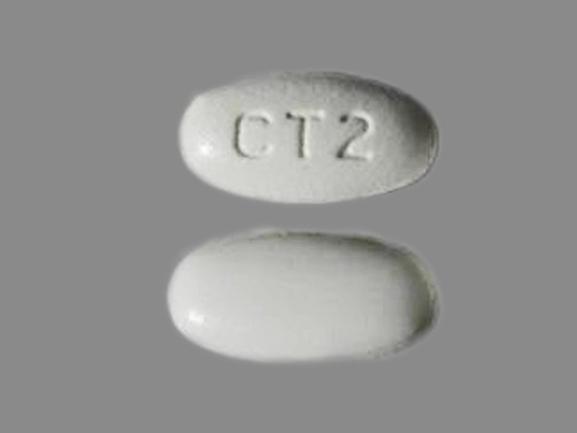
Zyflo CR Side Effects
Generic name: zileuton
Medically reviewed by Drugs.com. Last updated on Feb 5, 2025.
Note: This document provides detailed information about Zyflo CR Side Effects associated with zileuton. Some dosage forms listed on this page may not apply specifically to the brand name Zyflo CR.
Applies to zileuton: oral tablet, oral tablet extended release.
Precautions
It is very important that your doctor check your progress at regular visits. This will allow your doctor to see if the medicine is working properly and to check for unwanted effects.
Check with your doctor if you are using more inhalations (puffs) than usual of your inhaled bronchodilator to relieve an acute asthma attack.
You may be taking other medicines for asthma along with zileuton (the active ingredient contained in Zyflo CR). Do not stop taking or reduce the dose of the other medicines, even if your asthma seems better, unless you are told to do so by your doctor.
You should limit the amount of alcohol you drink while you are taking this medicine.
This medicine may cause some people to be agitated, irritable, or display other abnormal behaviors. It may also cause some people to have suicidal thoughts and tendencies or to become more depressed and have problems with sleep. If you or your caregiver notice any of these side effects, tell your doctor right away.
Common side effects of Zyflo CR
Some side effects of zileuton may occur that usually do not need medical attention. These side effects may go away during treatment as your body adjusts to the medicine. Also, your health care professional may be able to tell you about ways to prevent or reduce some of these side effects.
Check with your health care professional if any of the following side effects continue or are bothersome or if you have any questions about them:
More common side effects
- cough
- fever
- headache
- nausea
- pain or tenderness around the eyes and cheekbones
- stuffy or runny nose
- tightness of the chest or wheezing
- troubled breathing
- upset stomach
Less common side effects
- abdominal or stomach pain
- sore throat
- weakness
Serious side effects of Zyflo CR
Along with its needed effects, zileuton may cause some unwanted effects. Although not all of these side effects may occur, if they do occur they may need medical attention.
Check with your doctor immediately if any of the following side effects occur while taking zileuton:
Rare side effects
- flu-like symptoms
- itching
- right upper stomach pain
- unusual tiredness or weakness
- yellow eyes or skin
Incidence not known
- attack, assault, or force
- attempts at killing oneself
- discouragement
- dry mouth
- fear or nervousness
- feeling sad or empty
- hyperventilation
- irregular heartbeats
- irritability
- lack of appetite
- loss of interest or pleasure
- restlessness
- seeing, hearing, or feeling things that are not there
- shakiness in the legs, arms, hands, or feet
- shortness of breath
- sleeplessness
- tiredness
- trembling or shaking of the hands or feet
- trouble with concentrating
- trouble with sleeping
- unable to sleep
See also:
For healthcare professionals
Applies to zileuton: oral tablet, oral tablet extended release.
General adverse events
The most commonly occurring adverse reactions are sinusitis, nausea, and pharyngolaryngeal pain.[Ref]
Nervous system
- Very common (10% or more): Headache (up to 24.6%)
- Common (1% to 10%): Hypertonia, nervousness, dizziness, somnolence[Ref]
Dermatologic
Gastrointestinal
- Common (1% to 10%): Dyspepsia (8.2%), nausea (5.5%), diarrhea (5%), abdominal pain, upper abdominal pain, vomiting, constipation, flatulence[Ref]
Genitourinary
- Common (1% to 10%): Urinary tract infection, vaginitis[Ref]
Hematologic
- Common (1% to 10%): Low white blood cell count (2.6%)[Ref]
The WBC counts returned to normal or baseline following discontinuation of this drug. The clinical significance of these findings is not known.[Ref]
Hepatic
- Common (1% to 10%): Hepatotoxicity, ALT elevations (1.8%)
- Postmarketing reports: Hepatic injury, including death, life-threatening liver injury with recovery, symptomatic jaundice, hyperbilirubinemia, and elevations of ALT more than 8 times ULN[Ref]
The majority of ALT elevations (82%) were reported within the first 3 months of treatment and resolved within 21 days for most of these patients after discontinuation of the drug. In the extended release group, the majority of ALT elevations (60%) occurred in the first month of treatment; in a few patients, the levels returned to less than 2 times ULN or normal within 9 and 12 days.
The hepatic function enzyme elevations did not result in any cases of jaundice, development of chronic liver disease, or death in this clinical trial. In patients who discontinued this drug, ALT levels dropped below 2 times ULN in approximately one month.[Ref]
Hypersensitivity
- Common (1% to 10%): Hypersensitivity, rash[Ref]
Immunologic
- Common (1% to 10%): Lymphadenopathy[Ref]
Musculoskeletal
- Common (1% to 10%): Myalgia (7%), arthralgia, neck pain/rigidity[Ref]
Ocular
- Common (1% to 10%): Conjunctivitis[Ref]
Other
- Common (1% to 10%): Pain (7.8%), asthenia (3.8%), accidental injury (3.4%), fever, malaise[Ref]
Psychiatric
Respiratory
- Common (1% to 10%): Upper respiratory tract infections (9%), sinusitis (6.5%), pharyngolaryngeal pain (5%), chest pain[Ref]
References
1. (2016) "Product Information. Zyflo (zileuton)." Abbott Pharmaceutical
2. (2016) "Product Information. Zyflo CR (zileuton)." Cornerstone Therapeutics
3. Hackshaw KV, Shi Y, Brandwein SR, Jones K, Westcott JY (1995) "A pilot study of zileuton, a novel selective 5-lipoxygenase inhibitor, in patients with systemic lupus erythematosus." J Rheumatol, 22, p. 462-8
4. Weinblatt ME, Kremer JM, Coblyn JS, Helfgott S, Maier AL, Petrillo G, Henson B, Rubin P, Sperling R (1992) "Zileuton, a 5-lipoxygenase inhibitor in rheumatoid arthritis." J Rheumatol, 19, p. 1537-41
5. "Product Information. Zyflo (zileuton)." Abbott Pharmaceutical
6. Israel E, Rubin P, Kemp JP, Grossman J, Pierson W, Siegel SC, Tinkelman D, Murray JJ, Busse W, Segal AT, et al. (1993) "The effect of inhibition of 5-lipoxygenase by zileuton in mild-to- moderate asthma." Ann Intern Med, 119, p. 1059-66
7. Israel E, Cohn J, Dube L, Drazen JM (1996) "Effect of treatment with zileuton, a 5-lipoxygenase inhibitor, in patients with asthma. A randomized controlled trial. Zileuton Clinical Trial Group." JAMA, 275, p. 931-6
More about Zyflo CR (zileuton)
- Check interactions
- Compare alternatives
- Reviews (6)
- Drug images
- Dosage information
- During pregnancy
- Drug class: leukotriene modifiers
- Breastfeeding
Patient resources
Professional resources
Other formulations
Related treatment guides
Further information
Zyflo CR side effects can vary depending on the individual. Always consult your healthcare provider to ensure the information displayed on this page applies to your personal circumstances.
Note: Medication side effects may be underreported. If you are experiencing side effects that are not listed, submit a report to the FDA by following this guide.