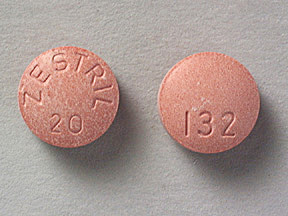
Zestril Side Effects
Generic name: lisinopril
Medically reviewed by Drugs.com. Last updated on Oct 28, 2024.
Note: This document provides detailed information about Zestril Side Effects associated with lisinopril. Some dosage forms listed on this page may not apply specifically to the brand name Zestril.
Applies to lisinopril: oral solution, oral tablet.
Important warnings
This medicine can cause some serious health issues
Oral route (tablet; solution)
Discontinue lisinopril as soon as possible when pregnancy is detected, as drugs that act directly on the renin-angiotensin system can cause injury and death to the developing fetus.
Precautions
It is very important that your doctor check your progress at regular visits to make sure this medicine is working properly. Blood tests may be needed to check for unwanted effects.
Using this medicine while you are pregnant can harm your unborn baby. Use an effective form of birth control to keep from getting pregnant. If you think you have become pregnant while using this medicine, tell your doctor right away.
This medicine may cause serious types of allergic reactions, including anaphylaxis. Anaphylaxis can be life-threatening and requires immediate medical attention. Call your doctor right away if you have a rash, itching, hoarseness, trouble breathing, trouble swallowing, or any swelling of your hands, face, mouth, or throat while you are using this medicine.
Call your doctor right away if you have severe stomach pain (with or without nausea or vomiting). This could be a symptom of intestinal angioedema.
Dizziness, lightheadedness, or fainting may also occur, especially when you get up from a lying or sitting position or if you have been taking a diuretic (water pill). Make sure you know how you react to the medicine before you drive, use machines, or do other things that could be dangerous if you are dizzy or not alert. If you feel dizzy, lie down so you do not faint. Then sit for a few moments before standing to prevent the dizziness from returning.
Check with your doctor right away if you become sick while taking this medicine, especially with severe or continuing nausea, vomiting, or diarrhea. These conditions may cause you to lose too much water or salt and may lead to low blood pressure. You can also lose water by sweating, so drink plenty of water during exercise or in hot weather.
Check with your doctor if you have a fever, chills, or sore throat. These could be symptoms of an infection resulting from low white blood cells.
Hyperkalemia (high potassium in the blood) may occur while you are using this medicine. Check with your doctor right away if you have the following symptoms: abdominal or stomach pain, confusion, difficulty with breathing, irregular heartbeat, nausea or vomiting, nervousness, numbness or tingling in the hands, feet, or lips, shortness of breath, or weakness or heaviness of the legs. Do not use supplements or salt substitutes containing potassium without first checking with your doctor.
Check with your doctor right away if you have upper stomach pain, pale stools, dark urine, loss of appetite, nausea, unusual tiredness or weakness, or yellow eyes or skin. These could be symptoms of a serious liver problem.
This medicine may affect blood sugar levels. If you notice a change in the results of your blood or urine sugar tests, or if you have any questions, check with your doctor.
Make sure any doctor or dentist who treats you knows that you are using this medicine. You may need to stop using this medicine several days before having surgery.
This medicine may be less effective in black patients. Black patients also have an increased risk of angioedema (swelling of the hands, arms, face, mouth, or throat).
Do not take other medicines unless they have been discussed with your doctor. This includes over-the-counter (nonprescription) medicines for appetite control, asthma, colds, cough, hay fever, or sinus problems, since they may tend to increase your blood pressure.
Serious side effects of Zestril
Along with its needed effects, lisinopril (the active ingredient contained in Zestril) may cause some unwanted effects. Although not all of these side effects may occur, if they do occur they may need medical attention.
Check with your doctor immediately if any of the following side effects occur while taking lisinopril:
More common side effects
- blurred vision
- cloudy urine
- confusion
- decrease in urine output or decrease in urine-concentrating ability
- dizziness, faintness, or lightheadedness when getting up suddenly from a lying or sitting position
- sweating
- unusual tiredness or weakness
Less common side effects
- abdominal or stomach pain
- body aches or pain
- chest pain
- chills
- common cold
- cough
- diarrhea
- difficulty breathing
- ear congestion
- fever
- headache
- loss of voice
- nasal congestion
- nausea
- runny nose
- sneezing
- sore throat
- vomiting
Rare side effects
- arm, back, or jaw pain
- chest discomfort, tightness, or heaviness
- fast or irregular heartbeat
- general feeling of discomfort or illness
- joint pain
- loss of appetite
- muscle aches and pains
- shivering
- trouble sleeping
Other side effects of Zestril
Some side effects of lisinopril may occur that usually do not need medical attention. These side effects may go away during treatment as your body adjusts to the medicine. Also, your health care professional may be able to tell you about ways to prevent or reduce some of these side effects.
Check with your health care professional if any of the following side effects continue or are bothersome or if you have any questions about them:
Less common side effects
- decreased interest in sexual intercourse
- inability to have or keep an erection
- lack or loss of strength
- loss in sexual ability, desire, drive, or performance
- rash
Rare side effects
- acid or sour stomach
- belching
- burning, crawling, itching, numbness, prickling, "pins and needles", or tingling feelings
- feeling of constant movement of self or surroundings
- heartburn
- indigestion
- muscle cramps
- sensation of spinning
- stomach discomfort or upset
- swelling
See also:
For healthcare professionals
Applies to lisinopril: oral solution, oral tablet.
Cardiovascular adverse events
- Very common (10% or more): Hypotension (11%)
- Common (1% to 10%): Chest pain, angina pectoris, orthostatic hypotension, palpitations
- Uncommon (0.1% to 1%): Angioneurotic edema, myocardial infarction or cerebrovascular accident, palpitations, tachycardia, Raynaud's phenomenon[Ref]
Hypotension is most likely in patients who are sodium and intravascular volume depleted. In large studies, patients have reported "heart pounding" and chest pain, although the relationship to lisinopril is questionable.[Ref]
Renal
- Common (1% to 10%): Creatinine increased (10%)
- Very rare (less than 0.01%): Renal insufficiency[Ref]
Nervous system
- Very common (10% or more): Dizziness (19%)
- Common (1% to 10%): Headache, syncope
- Uncommon (0.1% to 1%): Paresthesias[Ref]
Respiratory
- Common (1% to 10%): Creatinine increased (10%)
- Uncommon (0.1% to 1%): Rhinitis
- Very rare (less than 0.01%): Bronchospasm, sinusitis, allergic alveolitis/eosinophilic pneumonia[Ref]
A study has revealed a significantly higher incidence of discontinuation of angiotensin converting enzyme inhibitor therapy due to cough among black patients compared with nonblack patients (9.6% vs. 2.4%).[Ref]
Metabolic
- Common (1% to 10%): Hyperkalemia
- Frequency not reported: Gout, hypoglycemia in diabetic patients receiving ACE inhibitors when concurrently treated with oral antidiabetic agents or insulin[Ref]
Gastrointestinal
- Common (1% to 10%): Diarrhea, nausea, vomiting
- Frequency not reported: Pancreatitis, constipation, flatulence, dry mouth, taste disturbance[Ref]
Hypersensitivity
- Uncommon (0.1% to 1%): Angioedema[Ref]
Dermatologic
- Uncommon (0.1% to 1%): Rash, pruritus, erythema
- Rare (0.01% to 0.1%): Alopecia, urticaria, psoriasis, hypersensitivity/angioedema, angioneurotic edema of the face, extremities, lips, tongue, glottis, and/or larynx
- Very rare (less than 0.01%): Sweating, skin lesions, skin infections, pemphigus, toxic epidermal necrolysis, Stevens-Johnson Syndrome, erythema multiforme, cutaneous pseudolymphoma
- Frequency not reported: Photosensitivity, flushing, diaphoresis[Ref]
Hematologic
- Very rare (less than 0.01%): Bone marrow depression, hemolytic anemia, leukopenia/neutropenia, thrombocytopenia, decreases in hemoglobin, decreases in hematocrit[Ref]
Psychiatric
- Rare (0.01% to 0.1%): Memory impairment, confusion, somnolence, irritability, nervousness, hallucinations
- Very rare (less than 0.01%): Mania
Hepatic
- Common (1% to 10%): Creatinine increased
- Very rare (less than 0.01%): Cholestatic jaundice that progresses to fulminant hepatic necrosis and sometimes death (discontinue of therapy if jaundice or markedly elevated hepatic serum enzymes develop)
Endocrine
- Very rare (less than 0.01%): Diabetes, syndrome of inappropriate antidiuretic hormone secretion (SIADH)
Other
- Common (1% to 10%): Cough
- Frequency not reported: Fatigue, asthenia, orthostatic effects, tinnitus, olfactory disturbance
Genitourinary
- Uncommon (0.1% to 1%): Impotence
- Rare (less than 0.1%): Gynecomastia
- Frequency not reported: Proteinuria
References
1. (2002) "Product Information. Prinivil (lisinopril)." Merck & Co., Inc
2. Cerner Multum, Inc. "UK Summary of Product Characteristics."
3. Pharmaceutical Society of Australia (2006) APPGuide online. Australian prescription products guide online. http://www.appco.com.au/appguide/default.asp
4. Cerner Multum, Inc. "Australian Product Information."
Frequently asked questions
- What is the best time of day to take blood pressure medication?
- Does Green Tea interact with any drugs?
- Which blood pressure medications cause coughing?
- Does lisinopril cause weight gain?
- What is the strength of Qbrelis (lisinopril) oral solution?
- How long after taking 5 mg lisinopril will my blood pressure drop down?
- Can I just stop taking lisinopril?
- Do ACE inhibitors make COVID-19 worse?
More about Zestril (lisinopril)
- Check interactions
- Compare alternatives
- Pricing & coupons
- Reviews (12)
- Drug images
- Dosage information
- During pregnancy
- Generic availability
- Drug class: Angiotensin Converting Enzyme Inhibitors
- Breastfeeding
- En español
Patient resources
Other brands
Professional resources
Other brands
Related treatment guides
Further information
Zestril side effects can vary depending on the individual. Always consult your healthcare provider to ensure the information displayed on this page applies to your personal circumstances.
Note: Medication side effects may be underreported. If you are experiencing side effects that are not listed, submit a report to the FDA by following this guide.